
The ketogenic diet, commonly referred to as the keto diet, is a low-carbohydrate, high-fat eating plan designed to shift your body’s metabolism from burning glucose to burning fat. By drastically reducing your intake of carbohydrates and replacing them with fats, you encourage your body to enter a state known as ketosis. In this metabolic state, your body becomes incredibly efficient at burning fat for energy, which can lead to significant weight loss and other health benefits.
You may find that this approach not only helps in shedding pounds but also enhances mental clarity and energy levels. As you embark on the keto journey, you will likely notice that the typical macronutrient breakdown consists of approximately 70-75% fats, 20-25% protein, and only about 5-10% carbohydrates. This means that foods like avocados, nuts, seeds, and healthy oils become staples in your diet, while bread, pasta, and sugary snacks are largely eliminated.
The transition into ketosis can take several days to weeks, during which you might experience symptoms often referred to as the “keto flu.” However, once your body adapts, many people report feeling more energetic and focused than ever before.
Key Takeaways
- The Keto Diet is a high-fat, low-carb diet that aims to put the body into a state of ketosis, where it burns fat for fuel instead of carbohydrates.
- Alcohol can affect ketosis by slowing down the fat-burning process and causing the body to prioritize metabolizing alcohol over fat.
- Some keto-friendly alcoholic beverages include dry wines, light beers, and spirits like vodka and tequila, which have minimal carbs.
- Alcohol can impact weight loss on keto by adding extra calories and potentially leading to poor food choices while under the influence.
- Tips for drinking alcohol on keto include choosing low-carb options, staying hydrated, and being mindful of portion sizes to minimize the impact on ketosis and weight loss.
How Does Alcohol Affect Ketosis?
When you consume alcohol while following a keto diet, it can have a significant impact on your state of ketosis. Alcohol is metabolized differently than carbohydrates and fats; your body prioritizes breaking down alcohol over other macronutrients. This means that when you drink, your body will focus on metabolizing the alcohol first, which can temporarily halt the production of ketones.
As a result, you may find that your progress stalls or that you are kicked out of ketosis if you indulge too heavily. Moreover, alcohol can also affect your blood sugar levels. While some alcoholic beverages contain minimal carbohydrates, others can lead to spikes in blood sugar that may disrupt ketosis.
You might notice that certain drinks can leave you feeling sluggish or craving more carbs afterward, making it essential to be mindful of what you consume. Understanding how alcohol interacts with your body while on keto can help you make informed choices that align with your health goals.
Types of Alcoholic Beverages Allowed on Keto
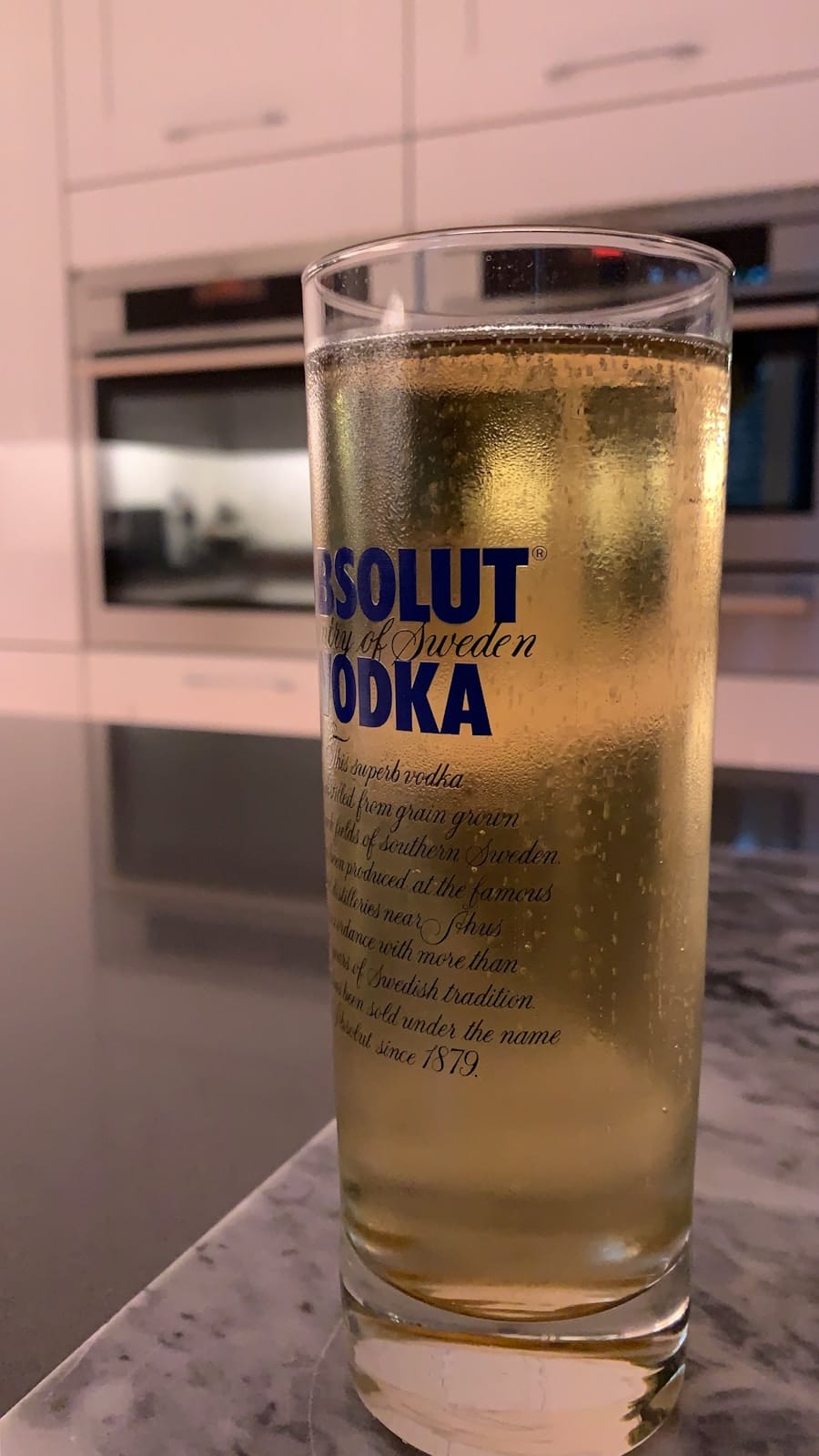
If you’re keen on enjoying a drink while adhering to the keto diet, it’s crucial to know which types of alcoholic beverages are more compatible with your lifestyle. Generally speaking, spirits such as vodka, gin, rum, tequila, and whiskey are excellent options since they contain little to no carbohydrates. You can enjoy these drinks straight or mixed with low-carb mixers like soda water or diet tonic water.
This way, you can savor the flavors without compromising your dietary goals. On the other hand, beer and sweet wines tend to be higher in carbohydrates and sugars, making them less suitable for a keto diet. If you enjoy wine, opt for dry varieties that have lower sugar content.
You might find that red wines or dry white wines are better choices compared to sweeter options. Additionally, there are now many low-carb beers available on the market that cater specifically to those following a keto lifestyle. By being selective about your drink choices, you can still partake in social gatherings without derailing your progress.
The Impact of Alcohol on Weight Loss
While moderate alcohol consumption may not completely sabotage your weight loss efforts on keto, it can certainly influence your results. Alcohol contains empty calories—calories that provide little nutritional value but still contribute to your overall caloric intake. If you’re not careful, these extra calories can add up quickly and hinder your weight loss progress.
You may find yourself consuming more calories than intended if you indulge in cocktails or high-calorie mixers. Additionally, alcohol can lower your inhibitions and lead to poor food choices. After a few drinks, you might be more tempted to reach for high-carb snacks or meals that could throw you off track.
This is why it’s essential to be mindful of how alcohol fits into your overall dietary plan. By keeping track of what you consume and being aware of the potential pitfalls associated with drinking, you can maintain control over your weight loss journey while still enjoying an occasional drink.
Tips for Drinking Alcohol on Keto
If you’re determined to enjoy alcohol while sticking to your keto diet, there are several strategies you can employ to make it work for you. First and foremost, always check the nutritional information of any beverage before indulging. Familiarizing yourself with the carb content of different drinks will empower you to make better choices when you’re out socializing or at home.
Another helpful tip is to stay hydrated. Drinking water alongside alcoholic beverages can help mitigate some of the negative effects of alcohol and keep you feeling better overall. You might also consider pacing yourself; sipping slowly allows you to enjoy the flavors while giving your body time to process the alcohol.
Additionally, try to avoid sugary mixers or cocktails that contain high-carb ingredients—opt for simple drinks instead.
Potential Risks of Consuming Alcohol on Keto

While enjoying alcohol in moderation can be part of a balanced keto lifestyle, there are potential risks associated with its consumption that you should be aware of. One significant concern is the possibility of dehydration. Alcohol is a diuretic, which means it can lead to increased urination and fluid loss.
This effect can be exacerbated on a keto diet since the initial stages often involve losing water weight as glycogen stores deplete. Another risk is the potential for impaired judgment when it comes to food choices. As mentioned earlier, alcohol can lower inhibitions and lead to cravings for high-carb foods that could derail your progress.
It’s essential to remain vigilant about what you’re consuming and recognize when you’ve had enough to drink.
Moderation and Keto-Friendly Alcohol Options
Finding a balance between enjoying alcohol and maintaining your keto lifestyle is key to long-term success. Moderation is crucial; indulging occasionally rather than frequently will help you stay on track without feeling deprived. You might find that setting limits for yourself—such as only drinking on weekends or during special occasions—can help maintain this balance.
When it comes to choosing keto-friendly alcohol options, consider exploring new flavors and brands that align with your dietary goals. Many companies now produce low-carb wines and spirits specifically designed for those following a ketogenic lifestyle.
Finding a Balance with Alcohol on Keto
In conclusion, navigating the world of alcohol while following a keto diet requires mindfulness and moderation. Understanding how different beverages affect ketosis and weight loss will empower you to make informed choices that align with your health goals. While it’s possible to enjoy an occasional drink without derailing your progress, being aware of potential risks and pitfalls is essential for maintaining balance.
Ultimately, finding a way to incorporate alcohol into your life while adhering to the principles of the keto diet is about striking a harmonious balance. By choosing low-carb options and practicing moderation, you can enjoy social occasions without sacrificing your commitment to a healthier lifestyle. Remember that every individual’s journey is unique; what works for one person may not work for another.
Stay attuned to how your body responds and adjust accordingly as you navigate this exciting dietary adventure.
FAQs
What is the keto diet?
The keto diet is a high-fat, low-carbohydrate diet that has been shown to help with weight loss and improve certain health conditions such as epilepsy and diabetes.
Can you drink alcohol on the keto diet?
Yes, you can drink alcohol on the keto diet, but it’s important to choose low-carb options and consume in moderation.
What are some low-carb alcohol options for the keto diet?
Some low-carb alcohol options for the keto diet include vodka, tequila, whiskey, and dry wines such as red or white wine.
How does alcohol consumption affect ketosis?
Alcohol consumption can temporarily pause the process of ketosis, as the body prioritizes metabolizing the alcohol before returning to burning fat for fuel. However, this does not mean that alcohol is completely off-limits on the keto diet.
What are the potential risks of drinking alcohol on the keto diet?
Drinking alcohol on the keto diet can increase the risk of dehydration, lower alcohol tolerance, and potentially lead to consuming high-calorie mixers or snacks.
What are some tips for drinking alcohol on the keto diet?
Some tips for drinking alcohol on the keto diet include choosing low-carb options, staying hydrated, and being mindful of portion sizes. It’s also important to be aware of the potential impact on ketosis and adjust your diet and alcohol consumption accordingly.





