The ketogenic diet, commonly referred to as the keto diet, is a high-fat, low-carbohydrate eating plan designed to shift your body’s metabolism from burning glucose to burning fat for energy. By drastically reducing your carbohydrate intake and replacing it with fat, you enter a metabolic state known as ketosis. In this state, your body becomes incredibly efficient at burning fat for fuel, which can lead to weight loss and other health benefits.
The typical macronutrient breakdown for a keto diet consists of approximately 70-75% fat, 20-25% protein, and only about 5-10% carbohydrates. As you embark on this dietary journey, you may find that the keto diet not only helps with weight management but also offers potential improvements in mental clarity, energy levels, and overall health. However, navigating the world of food choices can be challenging, especially when it comes to understanding which foods fit into this low-carb lifestyle.
One common question that arises is whether milk can be included in your keto diet, given its carbohydrate content and nutritional profile.
Key Takeaways
- The Keto Diet is a high-fat, low-carb diet that aims to put the body in a state of ketosis.
- Milk can be included in the Keto Diet, but it’s important to consider its carbohydrate, fat, and protein content.
- Cow’s milk contains lactose, a type of sugar, which can affect ketosis due to its carbohydrate content.
- Milk is a good source of healthy fats, including saturated fats and omega-3 fatty acids, which can be beneficial for a Keto Diet.
- There are alternative milk options, such as almond milk and coconut milk, that are lower in carbohydrates and can be suitable for the Keto Diet.
The Role of Milk in the Keto Diet
Milk can be a contentious topic within the keto community. On one hand, it is a source of essential nutrients such as calcium, vitamin D, and protein. On the other hand, its carbohydrate content can pose a challenge for those strictly adhering to the keto guidelines.
When considering milk in your diet, it’s essential to evaluate how it fits into your overall macronutrient goals. For some individuals, incorporating small amounts of milk may be feasible without disrupting ketosis, while others may need to avoid it altogether. In addition to its nutritional benefits, milk can also serve as a versatile ingredient in various recipes.
From creamy sauces to smoothies and coffee enhancements, milk can add richness and flavor to your meals. However, understanding the specific types of milk available and their respective carbohydrate contents is crucial for making informed choices that align with your keto lifestyle.
The Carbohydrate Content of Milk

When evaluating whether to include milk in your keto diet, one of the most critical factors to consider is its carbohydrate content. Whole cow’s milk contains approximately 12 grams of carbohydrates per cup, primarily in the form of lactose, which is a natural sugar. This amount can quickly add up and may exceed your daily carb limit if you’re aiming for strict ketosis.
For those who are particularly sensitive to carbohydrates or are just starting their keto journey, even this moderate amount may be too high. However, not all types of milk are created equal. For instance, unsweetened almond milk or coconut milk can be much lower in carbohydrates, often containing only 1-2 grams per cup.
This makes them more suitable options for those following a strict keto regimen. It’s essential to read labels carefully and choose products that align with your dietary goals while still providing the flavors and textures you enjoy.
The Fat Content of Milk
While the carbohydrate content of milk is a significant consideration, its fat content is equally important when assessing its compatibility with the keto diet. Whole cow’s milk contains about 8 grams of fat per cup, which can contribute positively to your daily fat intake. However, if you’re looking to maximize your fat consumption on keto, you might find that whole milk doesn’t provide enough fat compared to other dairy options like heavy cream or full-fat yogurt.
If you enjoy the taste of milk but want to increase your fat intake, consider using heavy cream instead. Heavy cream contains around 50 grams of fat per cup and only about 7 grams of carbohydrates. This makes it an excellent choice for adding creaminess to your coffee or recipes while keeping your carb count low.
Ultimately, understanding the fat content in various dairy products will help you make better choices that align with your keto goals.
The Protein Content of Milk
In addition to carbohydrates and fats, protein is another essential macronutrient found in milk. A cup of whole cow’s milk typically contains about 8 grams of protein, which can be beneficial for muscle maintenance and overall health. Protein plays a crucial role in satiety and can help you feel fuller for longer periods, making it an important component of any diet, including keto.
However, if you’re consuming large quantities of milk for its protein content, you may inadvertently increase your carbohydrate intake as well. This is why it’s vital to balance your protein sources with other foods in your diet. If you find that cow’s milk doesn’t fit well into your macronutrient goals, consider alternative protein sources such as eggs or meat that are more aligned with the keto framework.
Alternatives to Cow’s Milk on Keto
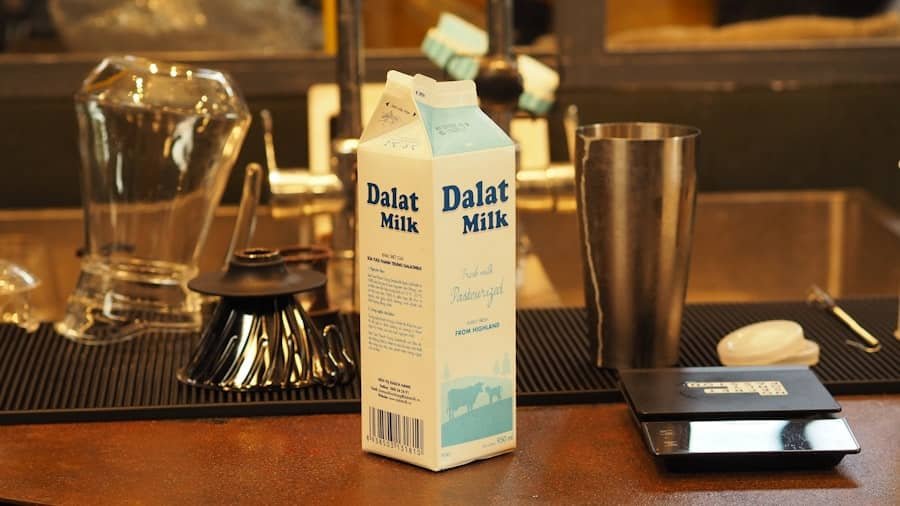
If you decide that traditional cow’s milk isn’t suitable for your keto lifestyle due to its carbohydrate content or other factors, there are several alternatives available that can fit seamlessly into your diet. Unsweetened almond milk is a popular choice among those on keto because it typically contains only 1-2 grams of carbohydrates per cup while providing a nutty flavor that many enjoy. Coconut milk is another excellent option; it’s rich in healthy fats and low in carbs, making it ideal for smoothies or cooking.
Other alternatives include macadamia nut milk and hemp milk, both of which offer unique flavors and nutritional profiles that can enhance your meals without compromising your carb limits. When selecting a non-dairy milk alternative, always opt for unsweetened versions to avoid added sugars that could disrupt ketosis.
How to Incorporate Milk into a Keto Diet
If you choose to include milk in your keto diet, there are numerous ways to do so without exceeding your carbohydrate limits. One simple method is to use milk as an ingredient in recipes rather than consuming it straight from the carton. For example, you can add a splash of heavy cream to your coffee or tea for a rich and satisfying beverage that aligns with your dietary goals.
Another way to incorporate milk is by using it in cooking or baking. You can create creamy sauces or soups by using heavy cream or unsweetened almond milk as a base. Additionally, consider using milk alternatives in smoothies or shakes where you can control the overall carbohydrate content by adding low-carb fruits like berries or leafy greens.
Potential Benefits of Including Milk in a Keto Diet
Including milk in your keto diet can offer several potential benefits if done mindfully. First and foremost, it provides essential nutrients such as calcium and vitamin D, which are vital for bone health and overall well-being. These nutrients are particularly important if you’re limiting other sources of dairy or calcium-rich foods in your diet.
Moreover, the protein found in milk can help support muscle maintenance and recovery, especially if you’re engaging in regular physical activity. The combination of protein and fat can also promote satiety, helping you feel full longer and reducing the likelihood of snacking on higher-carb foods throughout the day.
Potential Drawbacks of Including Milk in a Keto Diet
While there are benefits to including milk in your keto diet, there are also potential drawbacks that you should consider. The primary concern is its carbohydrate content; even small amounts can add up quickly and potentially kick you out of ketosis if you’re not careful with portion sizes. This is especially true for those who are highly sensitive to carbohydrates or are just starting their keto journey.
Additionally, some individuals may experience lactose intolerance or sensitivity when consuming dairy products like milk. Symptoms such as bloating, gas, or digestive discomfort can arise from lactose consumption, making it essential to listen to your body and adjust accordingly. If you find that traditional cow’s milk doesn’t sit well with you, exploring lactose-free options or non-dairy alternatives may be beneficial.
Tips for Choosing the Right Milk on Keto
When selecting milk for your keto diet, there are several tips to keep in mind to ensure you’re making the best choices for your health goals. First and foremost, always opt for unsweetened varieties whenever possible; this will help you avoid unnecessary added sugars that could disrupt ketosis. Reading labels carefully is crucial; look for products with minimal ingredients and no added sugars.
Consider the fat content as well; if you’re aiming for higher fat intake on keto, heavy cream or full-fat dairy products may be more suitable than whole milk. Additionally, explore non-dairy alternatives that align with your dietary preferences while still providing the flavors and textures you enjoy.
Is Milk Allowed on Keto?
In conclusion, whether or not you include milk in your keto diet ultimately depends on your individual goals and how well you tolerate dairy products. While traditional cow’s milk may pose challenges due to its carbohydrate content, there are numerous alternatives available that can fit seamlessly into a low-carb lifestyle. By being mindful of portion sizes and choosing unsweetened options, you can enjoy the benefits of milk while adhering to your dietary goals.
Ultimately, it’s essential to listen to your body and make choices that work best for you. Whether you decide to include cow’s milk or explore non-dairy alternatives, understanding the nutritional profiles will empower you to make informed decisions that support your journey on the ketogenic diet.
FAQs
What is the keto diet?
The keto diet is a high-fat, low-carbohydrate diet that has been shown to help with weight loss and improve certain health conditions. It involves drastically reducing carbohydrate intake and replacing it with fat, which puts the body into a metabolic state called ketosis.
Is milk allowed on the keto diet?
Milk is generally not recommended on the keto diet, as it contains lactose, a type of sugar that can interfere with ketosis. However, small amounts of whole milk or heavy cream can be incorporated into a keto diet in moderation.
What are some keto-friendly milk alternatives?
Some keto-friendly milk alternatives include unsweetened almond milk, coconut milk, and cashew milk. These options are lower in carbohydrates and can be used in place of regular milk in keto-friendly recipes.
How does milk affect ketosis?
Milk contains lactose, which is a type of sugar that can raise blood sugar levels and potentially kick the body out of ketosis. For this reason, it is generally recommended to limit or avoid milk on the keto diet.
Are there any benefits to consuming milk on the keto diet?
While milk is not typically recommended on the keto diet due to its carbohydrate content, it does provide essential nutrients such as calcium and vitamin D. If consumed in moderation, whole milk or heavy cream can be included in a keto diet to help meet nutrient needs.