
Is managing your diabetes sometimes a challenge? If so, you might be curious about different dietary approaches that could help you maintain your blood sugar levels while still enjoying delicious food. One popular diet that has been making waves is the ketogenic diet, commonly known as the keto diet. You might be wondering: Is the keto diet good for diabetics?

Understanding the Keto Diet
The keto diet is a high-fat, low-carbohydrate eating plan that focuses on significantly reducing your carbohydrate intake and replacing it with fat. The idea is to put your body into a state called ketosis. In ketosis, your body becomes efficient at burning fat for energy instead of carbs, which can lead to weight loss and improved energy levels.
How the Keto Diet Works
When you reduce carbohydrates, your body has to find a new source of energy. It turns to fat stores, converting fats into ketones in the liver, which become your body’s primary energy source. This process not only helps in weight management but also influences how your body handles insulin and glucose, which is particularly relevant for those managing diabetes.
Key Components of the Keto Diet
- High Fat: About 70% of your daily caloric intake should come from healthy fats. This includes sources like avocados, nuts, seeds, and olive oil.
- Moderate Protein: Approximately 25% of your intake should be from proteins. Good options are lean meats, poultry, fish, and dairy.
- Low Carbohydrates: Only about 5% of your diet should consist of carbohydrates, typically under 20 grams a day. You’ll want to eliminate or drastically reduce sugars and starchy foods.
The Impact of Keto on Blood Sugar Levels
You may be intrigued by how the keto diet can affect your insulin and blood sugar levels. Understanding this is essential as fluctuations can significantly impact your overall health.
Stabilizing Blood Sugar
The keto diet can lead to reduced levels of insulin, which is beneficial for those with insulin resistance—a common issue for diabetics. By cutting carbohydrates, you’ll help stabilize your blood sugar levels because there are fewer spikes caused by sugar intake.
Behavioral Changes
On a keto diet, many people report fewer cravings for sugary foods and carbs. This motivation can help you stick to healthier choices, reducing the likelihood of excessive snacking on high-carb, high-sugar foods.
Potential Risks
Though the idea of balanced blood sugar levels on the keto diet may sound appealing, it’s crucial to consider potential risks. A significant reduction in carbs can lead to a state called “keto flu,” where initial side effects might include fatigue, nausea, and headaches. These symptoms typically last only a few days, but they can be tough, especially if you’re already managing diabetes.

Keto and Type 1 Diabetes
If you’re living with Type 1 diabetes, your body doesn’t produce insulin. The keto diet may offer you benefits, but it does require careful monitoring of blood sugars and ketone levels.
Insulin Management
When you engage in a high-fat diet, your insulin needs may change, requiring adjustments in your insulin dosing. With changes to your diet, it’s vital to work closely with your healthcare provider to ensure you’re managing your insulin effectively.
Risk of Diabetic Ketoacidosis
A significant concern for Type 1 diabetics on the keto diet is the risk of diabetic ketoacidosis (DKA), which is a dangerous condition that can occur if ketone levels become excessively high. Regular monitoring of blood sugar and ketone levels is essential to prevent this complication.
Keto and Type 2 Diabetes
For those with Type 2 diabetes, the keto diet may present a different set of advantages and considerations.
Weight Loss Benefits
Weight management is often a key focus in Type 2 diabetes management. Since the keto diet promotes weight loss, it might help improve insulin sensitivity, which can lead to better blood sugar control. Even modest weight loss can have a significant impact on your overall health.
Lowering Medication Requirements
Many people with Type 2 diabetes report needing lower doses of medications, or even going off some entirely, after adopting the keto diet. This can transform how you manage your condition, but it’s crucial to regularly review your medication with your healthcare provider as you make dietary changes.
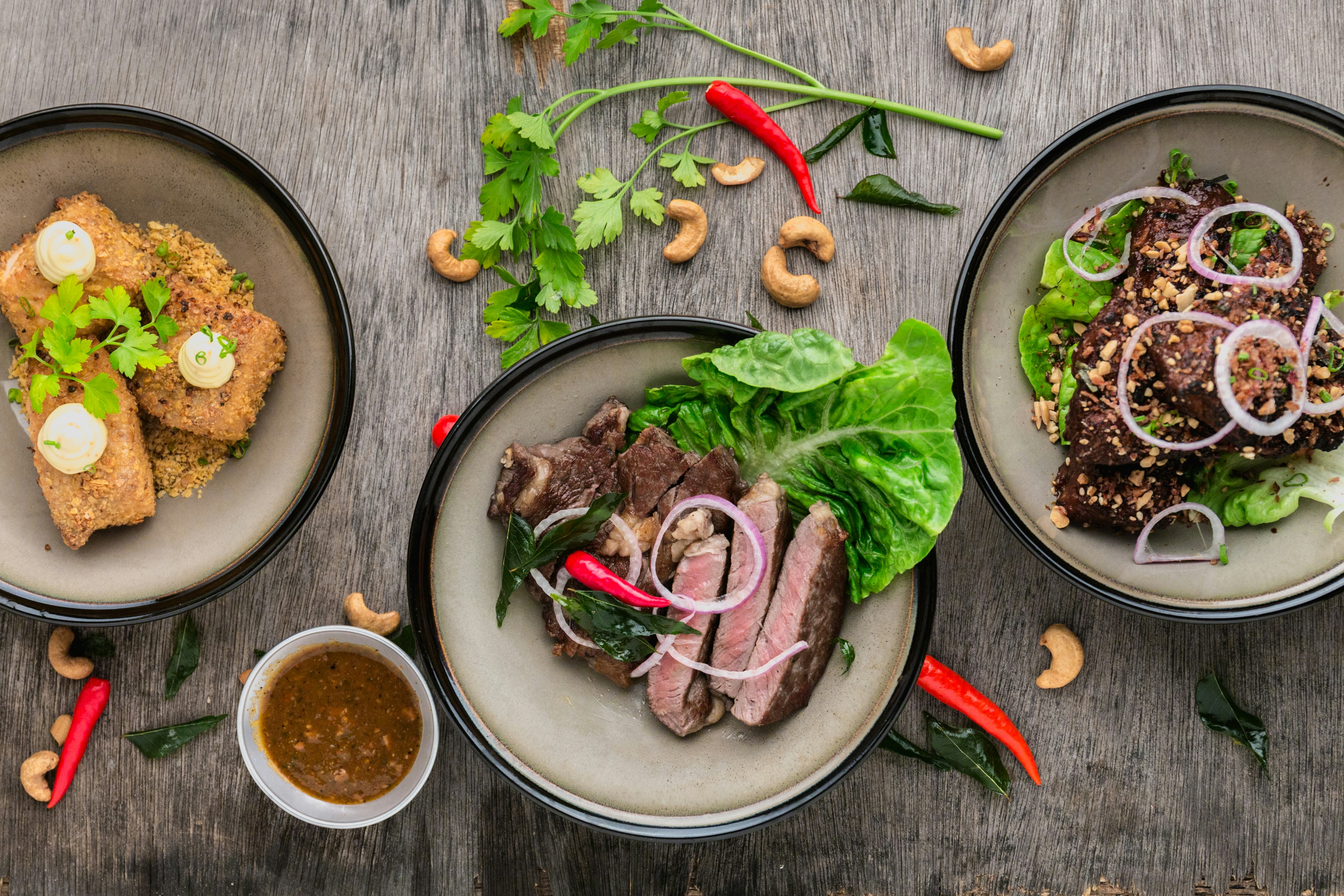
Foods to Focus on in a Keto Diet
You may wonder what kind of foods you can include in your keto diet while managing diabetes. Here’s a handy guide to help you choose wisely.
| Food Group | Recommended Foods | Foods to Avoid |
|---|---|---|
| Healthy Fats | Avocados, olive oil, coconut oil, nuts | Trans fats, margarine, vegetable oils |
| Vegetables | Leafy greens, broccoli, cauliflower | Potatoes, corn, carrots (in excess) |
| Proteins | Grass-fed beef, chicken, fish, eggs | Processed meats, high-carb options |
| Dairy | Cheese, yogurt (unsweetened) | Sugary dairy products |
| Starches | None, but small portions of certain legumes can work | Bread, pasta, rice, sugary foods |
| Beverages | Water, herbal tea, black coffee | Sugary drinks, fruit juices |
Snack Options
While snacking may be tempting, it’s essential to choose keto-friendly options. Here are some ideas to keep in your resource basket:
- Raw Vegetables with Hummus: Opt for low-carb veggies like cucumber and bell peppers.
- Cheese Sticks: A simple and filling option for on-the-go.
- Nuts: Keep a small portion of mixed nuts handy for protein and healthy fats.
- Hard-Boiled Eggs: A satisfying high-protein snack that’s easy to prepare.
Monitoring Your Health on Keto
Embarking on the keto diet while managing diabetes means it’s vital to stay vigilant about your health.
Keep Track of Your Blood Sugar Levels
Monitoring your blood sugar levels regularly will help you understand how the keto diet influences your body. Track any fluctuations and note any patterns that emerge over time. You might find it beneficial to keep a journal where you record your meals, how you feel afterward, and your blood sugar readings.
Stay Hydrated
Maintaining adequate hydration is especially important on a keto diet, as it can lead to increased water loss. Make sure to drink plenty of water throughout the day, and consider electrolyte supplements if necessary.
Consult with Your Healthcare Provider
Before making any significant dietary changes, collaborate with your healthcare provider. They can guide and ensure your plan is tailored to your individual needs and circumstances. Frequent check-ins will also help monitor your overall health versus weight loss and dietary adjustments.

Emotional Well-being on a Keto Diet
Taking care of your physical health is significant, but emotional well-being is equally important. The transition into a keto lifestyle can be challenging, and it’s essential to prioritize self-care.
Find Your Support System
Consider discussing your dietary changes with friends and family. Having a support system can make a significant difference in your success on the keto diet. You could also look for local groups or online forums where you can connect with others on similar journeys.
Don’t Be Too Hard on Yourself
It’s okay to have setbacks during your transition to a keto diet. Whether it’s a carb-laden meal you didn’t plan, or just a tough day, remember that it’s about progress, not perfection. Learning and adjusting is part of the process.
Possible Alternatives to the Keto Diet
If after researching you find that keto might not be the best fit for you, consider other nutritious eating plans that may work better with your lifestyle. Here are a couple of alternatives you might find appealing:
Mediterranean Diet
This diet emphasizes whole grains, lean proteins, healthy fats (like olive oil and nuts), fruits, and vegetables. The Mediterranean diet is rich in antioxidants and promotes heart health, making it another viable option for managing diabetes.
Plant-Based Diet
A plant-based diet primarily focuses on fruits, vegetables, legumes, nuts, and whole grains. It can be nutrient-dense and lower in calories, leading to weight loss and improved blood sugar stability.
Low Glycemic Index Diet
Choosing foods that have a low glycemic index can help manage blood sugar levels effectively. This diet consists of whole foods that lead to gradual increases in blood sugar, avoiding the spikes associated with high-GI foods.

Conclusion: Is the Keto Diet Right for You?
As you weigh your options, remember that the keto diet may offer potential benefits, especially concerning blood sugar stability and weight management. However, it comes with considerations that require close monitoring and, ideally, professional guidance.
Ultimately, you must choose an approach that feels sustainable and suits your unique lifestyle and health needs. Whether that’s through keto or another dietary strategy, the goal should always be to enhance your well-being while enjoying the foods you love. Consider regularly consulting with your healthcare provider and listening to your body’s signals. Your journey to managing diabetes is a personal one, and you deserve to feel confident and informed about the choices you make!





