Is the Ketogenic Diet Good or Bad for Your Health?
Have you been hearing a lot about the ketogenic diet lately? You’re not alone; this low-carb, high-fat eating plan has gained significant popularity. But what does it really mean for your health? Let’s unpack the details together and get a better understanding of the potential benefits and drawbacks of the ketogenic diet.
Understanding the Ketogenic Diet
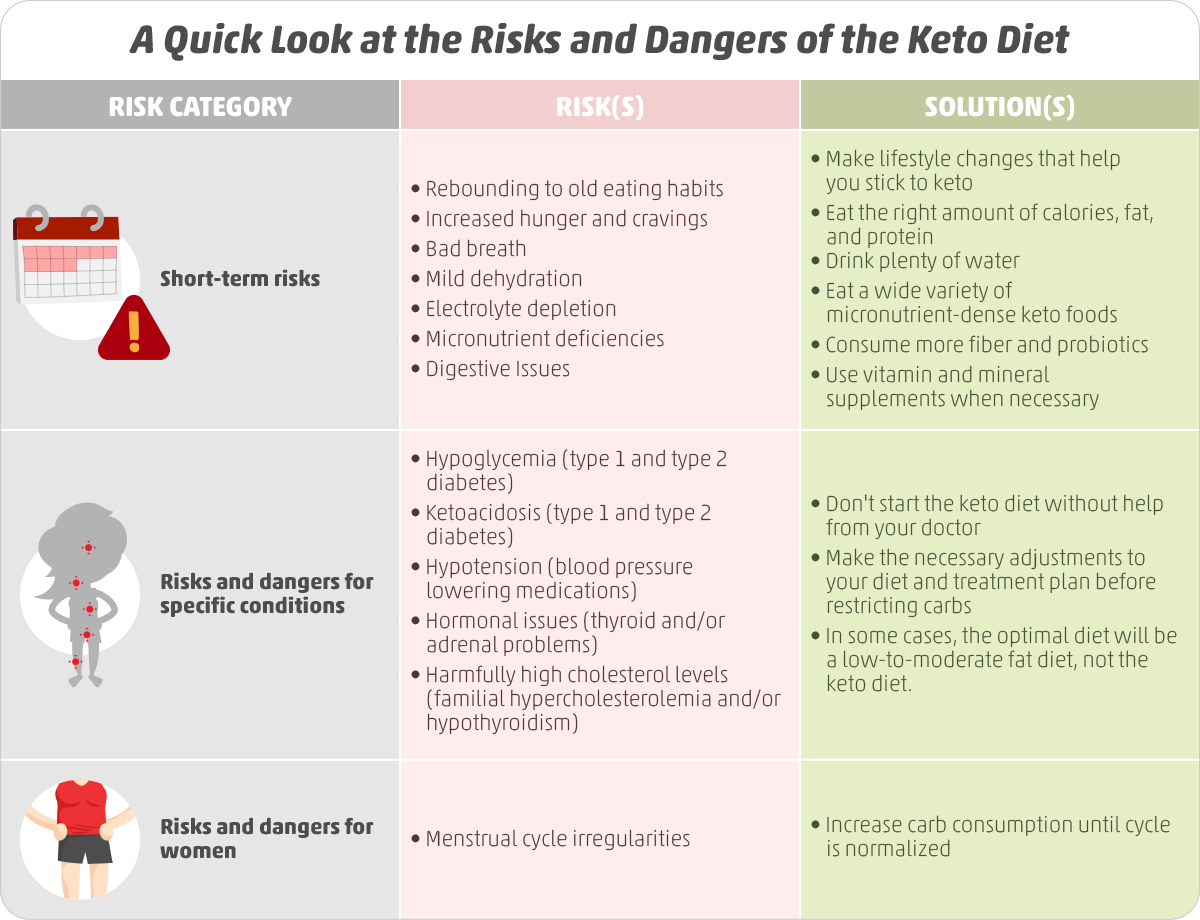
At its core, the ketogenic diet, often called the keto diet, involves drastically reducing carbohydrate intake while increasing fats. The typical macronutrient distribution is about 70-80% fat, 10-20% protein, and only 5-10% carbohydrates. This shift in your diet aims to push your body into a state of ketosis.
What is Ketosis?
Ketosis is a metabolic state in which your body burns fat for fuel instead of carbohydrates. Typically, your body relies on glucose derived from carbs as its primary energy source. However, when you cut back on carbs dramatically, your liver starts converting fat into ketones, which can provide energy for your cells. It’s a unique way to use the fuel in your body more efficiently, and many proponents believe this can lead to weight loss and improved health.
The Potential Benefits of the Ketogenic Diet
You might be wondering why so many people are jumping on the keto bandwagon. There are several potential benefits associated with this diet, which we will explore in detail below.
Weight Loss
One of the primary reasons people try the ketogenic diet is for weight loss. When your body enters ketosis, it becomes efficient at burning fat, which can lead to significant weight loss.
- Fat Loss: Studies have shown that individuals on a ketogenic diet tend to lose more fat than those on low-fat diets.
- Appetite Suppression: High-fat meals can help keep you feeling full longer, leading to reduced calorie intake.
Overall, cutting carbs helps reduce insulin levels, which can facilitate fat breakdown and curb cravings.
Improved Blood Sugar Levels
For those managing diabetes or prediabetes, the ketogenic diet might offer some advantages.
- Lower Blood Sugar Levels: Reducing carbohydrate intake can lead to more stable blood sugar levels.
- Increased Insulin Sensitivity: Improved insulin sensitivity can be beneficial for those who struggle with insulin resistance.
Enhanced Mental Clarity and Focus
Many supporters of the ketogenic diet report increased mental clarity and sharper focus. This could be attributed to the brain’s preference for ketones over glucose as a fuel source.
- Stable Energy Supply: Unlike the quick spikes and drops in energy associated with glucose, ketones provide a steady supply of fuel for the brain.
- Potential Neuroprotective Effects: Some research suggests that ketones may have protective effects against neurodegenerative diseases.
Increased Energy
Once your body adapts to burning fat as a primary source of fuel, you may experience a significant boost in energy levels.
- Sustained Energy: With fat as a stable energy source, many people find they can maintain higher energy levels throughout the day.
- Reduced Fatigue: This can be especially beneficial for those engaged in endurance sports or demanding physical activities.
Potential Risks of the Ketogenic Diet
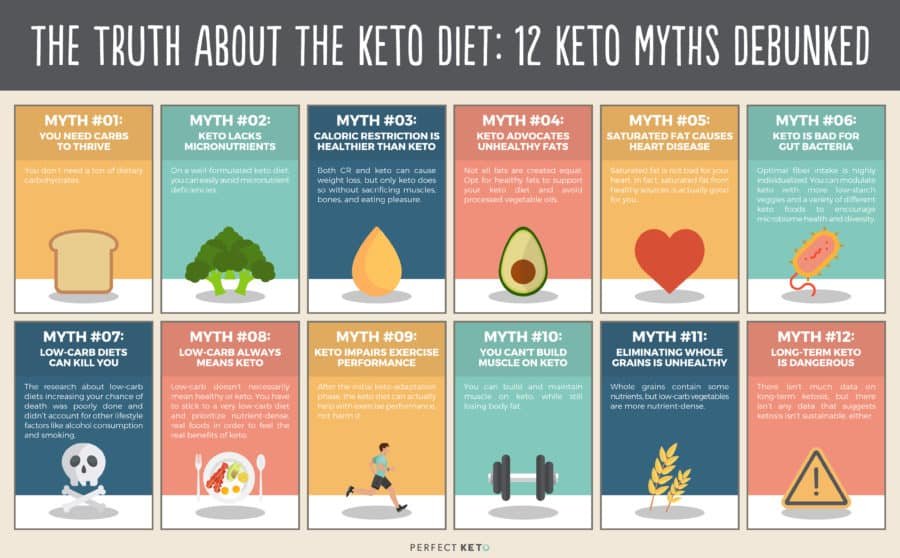
While the ketogenic diet has its advantages, it’s essential to be aware of the potential risks involved as well. Let’s take a look at some of the possible negatives.
Nutrient Deficiencies
Severely restricting carbohydrates can lead to nutrient deficiencies if not managed properly. This is particularly true for fruits, vegetables, and whole grains, which provide essential vitamins and minerals.
- Low Fiber Intake: A lack of dietary fiber can lead to issues such as constipation or digestive problems.
- Vitamin and Mineral Deficiencies: Key nutrients like vitamin C, potassium, and magnesium may be lacking in a strict ketogenic diet.
Keto Flu
As your body makes the transition to burning fat instead of carbohydrates, you may experience what is commonly referred to as the “keto flu.”
- Symptoms: These can include headaches, fatigue, nausea, and irritability.
- Duration: These feelings usually last anywhere from a few days to a couple of weeks as your body adapts.
Risk of Heart Disease
While some studies suggest that ketogenic diets can improve cholesterol levels in the short term, there’s concern about the long-term impact on heart health.
- Increased LDL Cholesterol: Some individuals may see elevated levels of LDL cholesterol, which is associated with heart disease.
- Dependence on Saturated Fats: Because the ketogenic diet relies heavily on fats, particularly saturated fats, it’s essential to choose healthy fats (like avocados and olive oil) to mitigate heart risks.
Difficulty in Adherence
Sticking to a very low-carb diet can be challenging for many people.
- Social Situations: Dining out or attending social gatherings can become complicated, as many foods may not be keto-friendly.
- Restrictive Nature: The diet’s restrictive nature can lead to feelings of deprivation, and you may find it hard to adhere to in the long run.
Is the Ketogenic Diet Right for You?
Deciding whether or not to embark on a ketogenic journey depends on your unique health goals, lifestyle, and preferences. Here are some questions to consider.
Your Health Goals
What are you hoping to achieve? Are you looking to lose weight, increase energy, or manage a medical condition? Understanding your objectives can help guide your decision on whether the ketogenic diet is suitable for you.
Existing Health Conditions
Consulting with a healthcare professional before making any drastic dietary changes is crucial, particularly if you have existing health issues such as diabetes, heart disease, or kidney problems.
Personal Preferences
Do you enjoy eating high-fat foods? Are you comfortable avoiding your favorite carbs? Your personal food preferences and lifestyle choices will significantly impact your ability to sustain the diet over time.
Making the Ketogenic Diet Work for You
If you decide to give the ketogenic diet a try, here are some tips to help make it successful and possibly enjoyable.
Plan Your Meals
Meal planning can save you time and help keep your carb intake in check.
- Create a Food Log: Keeping a record of what you eat can help ensure you stick to your macronutrient goals.
- Prep Ahead: Prepare snacks and meals ahead of time to avoid on-the-spot decisions that might steer you away from your dietary goals.
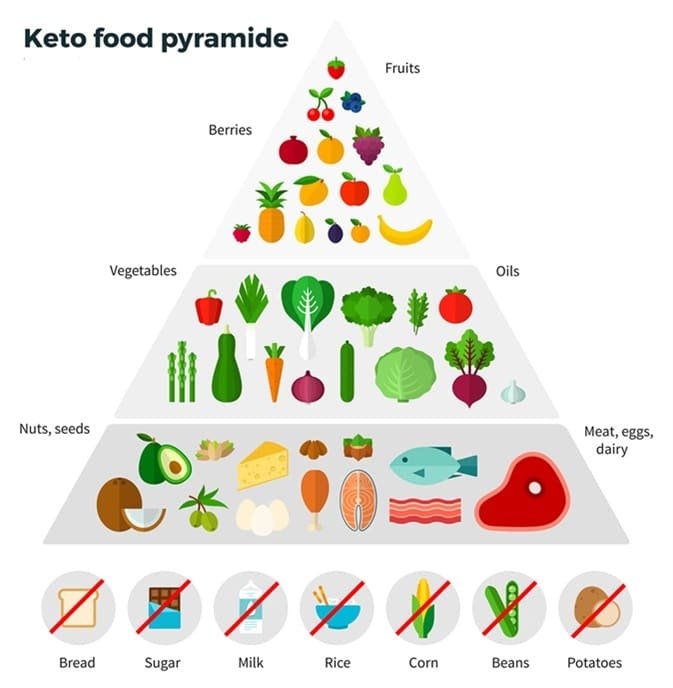
Focus on Healthy Fats
Not all fats are created equal! Prioritize healthy fats to enhance the quality of your diet.
- Choose Unsaturated Fats: Include sources such as avocados, olive oil, and nuts.
- Limit Saturated Fats: While saturated fats aren’t inherently bad, moderation is key to maintaining heart health.
Stay Hydrated
Dehydration can become a concern on a ketogenic diet, especially during the initial adaptation phase.
- Drink Plenty of Water: Keeping hydrated will help mitigate some symptoms related to the keto flu.
- Consider Electrolytes: Replenishing electrolytes can also help support your transition into ketosis.
Monitor Your Body’s Response
Pay attention to how your body feels as you adopt this new way of eating.
- Listen to Your Body: If negative symptoms persist, it may be necessary to reevaluate your approach.
- Adjust as Needed: Feel free to modify your macronutrient ratios to find what works best for you.
Alternative Approaches to Consider
While the ketogenic diet works for some, it’s not the only option available for improving overall health. If you’re unsure, there are multiple strategies worth considering.
Low-Carb Diets
If you’re not ready to go fully ketogenic, you might consider a moderate low-carb diet.
- Flexible Carb Limits: This approach allows you to enjoy a broader variety of food while still reducing your overall carb intake.
- Health Benefits: Many of the benefits associated with ketogenic diets, such as weight loss and improved blood sugar control, can also be achieved with a balanced low-carb approach.
Mediterranean Diet
The Mediterranean diet emphasizes whole, nutrient-dense foods, including healthy fats, fish, vegetables, and whole grains.
- Heart-Healthy Focus: Known for its heart-healthy benefits, this diet encourages a variety of nutrients without extreme restriction.
- Sustainability: Many people find this way of eating more enjoyable and sustainable in the long term.
Balanced Diet
A balanced diet that includes a variety of macronutrients can also lead to positive health outcomes.
- Incorporate All Food Groups: Focus on whole foods from all food groups, including fruits, vegetables, lean proteins, and healthy fats.
- Moderation is Key: While all foods can fit into a balanced diet, moderation is important to maintain a healthy weight and overall wellness.
Conclusion
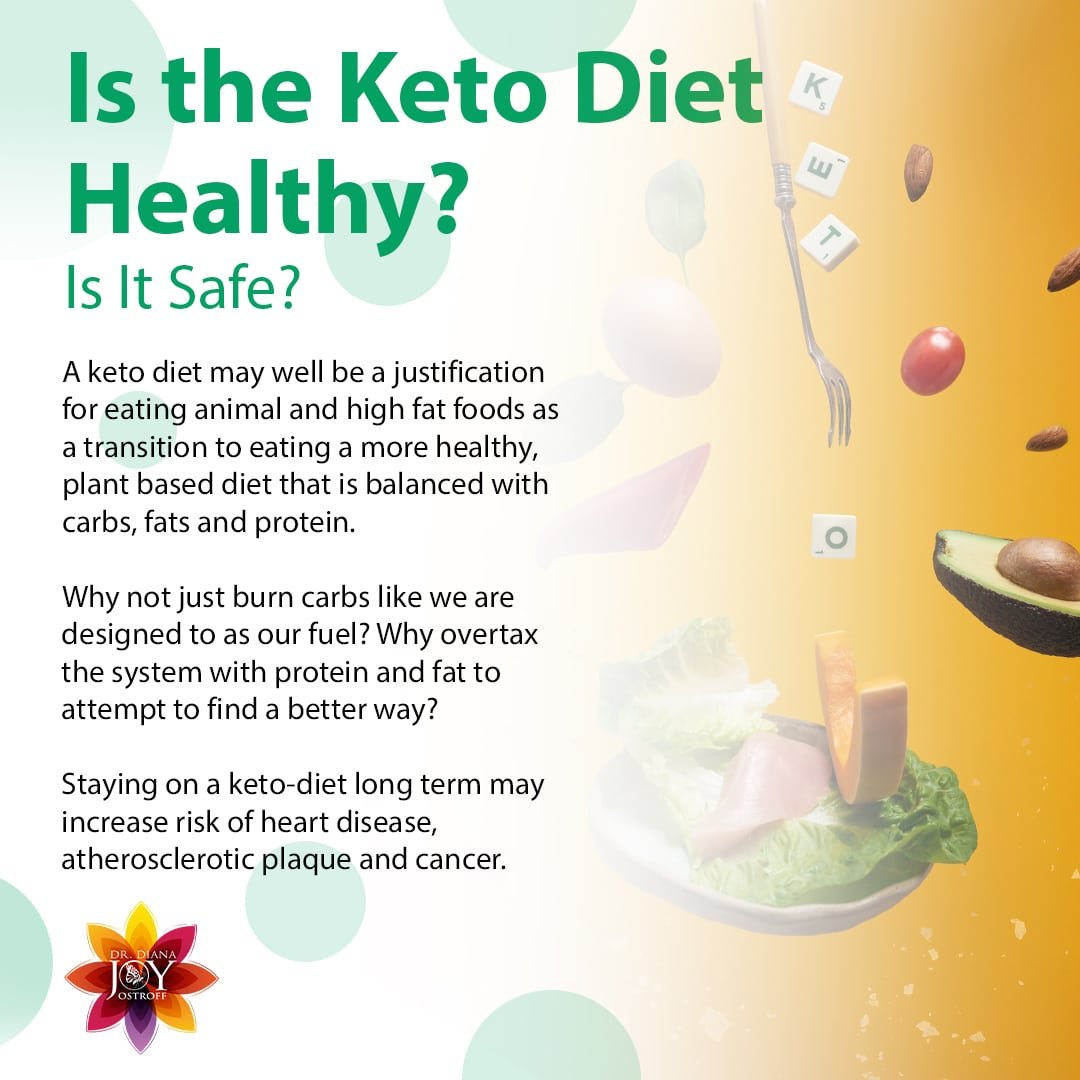
So, is the ketogenic diet good or bad for your health? The answer ultimately lies in your personal health goals, preferences, and lifestyle. This diet offers some exciting potential benefits, particularly for weight loss and metabolic health, but it’s essential to be mindful of the risks and challenges that come with it.
Before making any significant changes to your diet, consider consulting with a healthcare professional. You want to ensure that whatever dietary approach you choose aligns with your unique health needs and lifestyle.
Whether you decide to jump into the keto lifestyle, go for a low-carb approach, or stick with a balanced diet, the most crucial factor is finding what works best for you and promotes your overall well-being. Happy eating on your journey to health!