The ketogenic diet, often referred to as keto, is a high-fat, low-carbohydrate eating plan designed to shift your body’s metabolism from burning glucose to burning fat for energy. When you drastically reduce your carbohydrate intake, your body enters a state known as ketosis, where it begins to break down fat into ketones, which serve as an alternative fuel source. This metabolic shift can lead to various health benefits, including weight loss, improved mental clarity, and increased energy levels.
As you embark on this dietary journey, it’s essential to understand the fundamental principles of the ketogenic diet and how they can be adapted to fit your lifestyle. In a traditional ketogenic diet, the macronutrient breakdown typically consists of about 70-75% fats, 20-25% protein, and only 5-10% carbohydrates. This means that you will need to be mindful of the foods you consume, focusing on high-fat options while minimizing your intake of carbohydrates.
While many people associate keto with meat and dairy products, it is entirely possible to follow a vegetarian version of this diet. By understanding the core tenets of keto, you can tailor your approach to suit your dietary preferences while still reaping the benefits of this popular eating plan.
Key Takeaways
- The ketogenic diet is a high-fat, low-carb diet that can help the body enter a state of ketosis, where it burns fat for fuel instead of carbohydrates.
- A vegetarian diet can offer benefits such as lower risk of heart disease, lower blood pressure, and lower risk of certain types of cancer.
- The challenges of a vegetarian ketogenic diet include finding plant-based sources of healthy fats and low-carb protein, as well as managing nutrient intake.
- Plant-based sources of healthy fats include avocados, nuts, seeds, and coconut oil, which can be incorporated into a vegetarian ketogenic diet.
- Low-carb vegetarian protein sources include tofu, tempeh, seitan, and certain types of cheese, which can be included in a vegetarian ketogenic meal plan.
The Benefits of a Vegetarian Diet
Improved Heart Health
A plant-based diet is typically rich in fruits, vegetables, whole grains, and legumes, all of which are packed with essential nutrients and antioxidants. These foods can help lower cholesterol levels, reduce blood pressure, and decrease the risk of heart disease. By choosing vegetarian options, you are not only nourishing your body but also promoting overall cardiovascular wellness.
Better Digestive Health
The high fiber content found in plant-based foods aids in digestion and helps maintain a healthy gut microbiome. This can lead to improved regularity and a reduced risk of gastrointestinal issues such as constipation and bloating.
Additional Health Benefits
Furthermore, many vegetarian foods are low in calories yet high in nutrients, making it easier for you to maintain a healthy weight without feeling deprived. As you explore the benefits of a vegetarian diet, you may find that it aligns with your health goals and personal values.
The Challenges of a Vegetarian Ketogenic Diet
While the vegetarian ketogenic diet offers a unique blend of benefits from both dietary approaches, it is not without its challenges. One of the primary obstacles you may encounter is ensuring that you are meeting your nutritional needs while adhering to both vegetarian and ketogenic principles. With limited options for carbohydrates, it can be difficult to find suitable sources of protein and healthy fats that align with your dietary restrictions.
This may require careful planning and creativity in the kitchen to ensure that you are consuming a balanced diet. Another challenge lies in the social aspect of dining out or attending gatherings. Many restaurants and social events may not offer vegetarian ketogenic options, which can make it difficult for you to stick to your dietary goals.
You might find yourself navigating menus filled with high-carb choices or feeling pressured to indulge in non-vegetarian dishes. To overcome these hurdles, it’s essential to communicate your dietary preferences with friends and family and seek out restaurants that cater to your needs. By being proactive and prepared, you can enjoy social situations without compromising your commitment to a vegetarian ketogenic lifestyle.
Plant-Based Sources of Healthy Fats
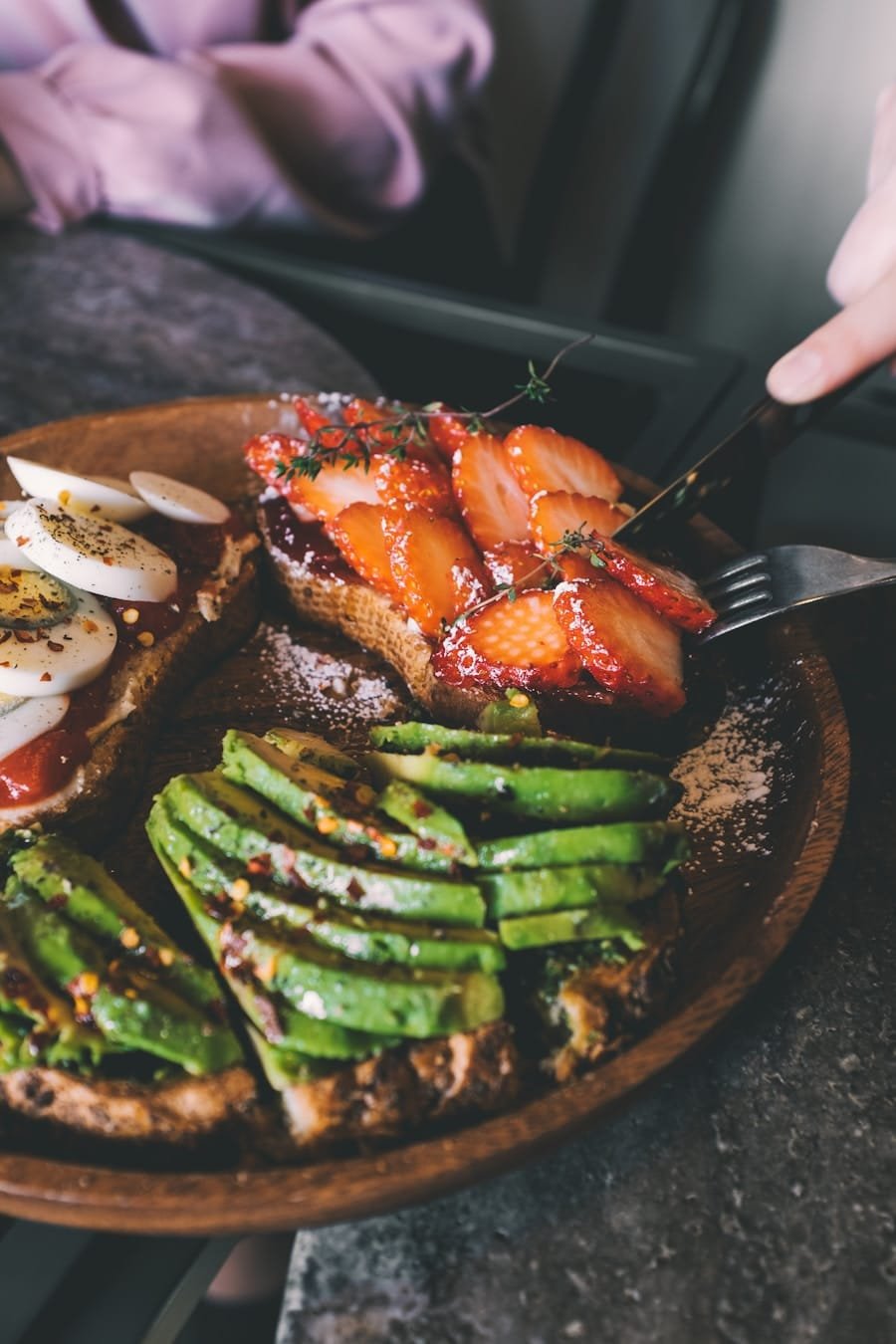
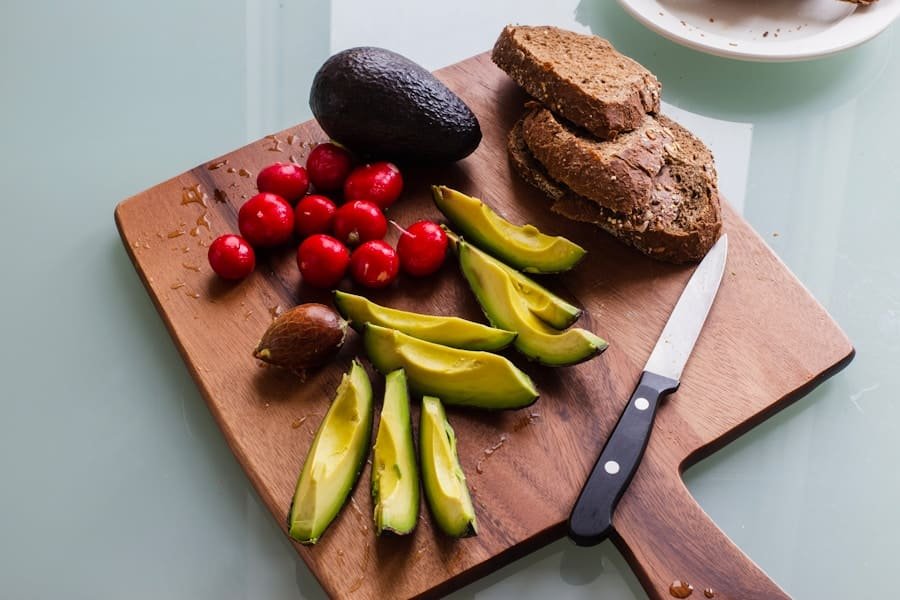
Incorporating healthy fats into your vegetarian ketogenic diet is crucial for achieving ketosis and maintaining energy levels. Fortunately, there are plenty of plant-based sources of healthy fats that you can include in your meals. Avocados are an excellent choice; they are not only rich in monounsaturated fats but also packed with fiber and essential vitamins.
You can enjoy avocados sliced on salads, blended into smoothies, or even mashed on low-carb bread alternatives. Nuts and seeds are another fantastic source of healthy fats that can easily fit into your vegetarian ketogenic plan. Almonds, walnuts, chia seeds, and flaxseeds are all nutrient-dense options that provide omega-3 fatty acids and protein.
You can snack on them throughout the day or incorporate them into recipes for added texture and flavor. Additionally, oils such as olive oil and coconut oil are versatile cooking fats that can enhance the taste of your dishes while providing the necessary fat content for a successful ketogenic diet.
Low-Carb Vegetarian Protein Sources
Finding adequate protein sources on a vegetarian ketogenic diet can be challenging but certainly achievable with some thoughtful planning. Legumes like lentils and chickpeas are typically higher in carbohydrates; however, there are several low-carb alternatives that you can incorporate into your meals. Tofu and tempeh are excellent sources of plant-based protein that are also low in carbs.
They can be marinated and grilled or stir-fried with non-starchy vegetables for a satisfying meal. Another great option is seitan, which is made from wheat gluten and boasts a high protein content while being low in carbohydrates. It has a chewy texture that makes it an excellent meat substitute in various dishes.
Additionally, incorporating protein-rich dairy products like Greek yogurt or cottage cheese can help you meet your protein needs while keeping carbs in check. By diversifying your protein sources, you can ensure that you are getting enough nutrients while enjoying a variety of flavors in your meals.
Incorporating Non-Starchy Vegetables into a Vegetarian Ketogenic Diet
Leafy Greens: Nutrient-Dense Options
Leafy greens such as spinach, kale, and arugula are excellent options that can be used in salads or smoothies for added nutrition.
Versatile Vegetables for Low-Carb Meals
Other non-starchy vegetables like zucchini, bell peppers, broccoli, and cauliflower can be roasted, sautéed, or used as substitutes for higher-carb ingredients like pasta or rice. For instance, spiralized zucchini can serve as a delicious base for sauces or stir-fries while keeping your carb intake low.
Boosting Nutritional Value with Colorful Vegetables
By incorporating a variety of colorful non-starchy vegetables into your meals, you not only enhance the visual appeal of your dishes but also boost their nutritional value.
Sample Meal Plans for a Vegetarian Ketogenic Diet
Creating meal plans is an effective way to stay organized and ensure that you are meeting your dietary goals on a vegetarian ketogenic diet. For breakfast, consider starting your day with a spinach and feta omelet cooked in olive oil or avocado oil. Pair it with a side of sliced avocado for an extra dose of healthy fats.
For lunch, a hearty salad featuring mixed greens topped with grilled tofu, cherry tomatoes, cucumber, and a drizzle of olive oil can provide both satisfaction and nutrition. Dinner could consist of cauliflower rice stir-fried with assorted non-starchy vegetables and seasoned with soy sauce or tamari for flavor. You might also enjoy stuffed bell peppers filled with quinoa (in moderation), black beans (in moderation), and spices for an enticing meal option.
Snacking throughout the day can include nuts or seeds mixed with coconut flakes or homemade energy balls made from nut butter and chia seeds. By planning out your meals ahead of time, you can simplify grocery shopping and ensure that you have everything you need to stay on track.
Tips for Success on a Vegetarian Ketogenic Diet
To thrive on a vegetarian ketogenic diet, it’s essential to stay informed and adaptable as you navigate this unique eating plan. One key tip is to keep track of your macronutrient intake using apps or food journals to ensure that you’re meeting your goals without exceeding carbohydrate limits. This practice will help you become more aware of what you’re consuming and allow you to make adjustments as needed.
Another important aspect is meal prepping; dedicating time each week to prepare meals in advance can save you time during busy days while ensuring that you have healthy options readily available. Experimenting with new recipes will keep your meals exciting and prevent boredom from setting in. Lastly, don’t hesitate to seek support from online communities or local groups focused on vegetarian or ketogenic lifestyles; connecting with others who share similar goals can provide motivation and inspiration along your journey.
By understanding the principles behind both vegetarianism and the ketogenic diet, you can create a fulfilling eating plan that aligns with your values while promoting optimal health. Embrace the challenges as opportunities for growth and exploration in the kitchen as you embark on this rewarding dietary adventure.
FAQs
What is the Ketogenic Diet?
The ketogenic diet is a high-fat, low-carbohydrate diet that has been shown to help with weight loss and improve certain health conditions such as epilepsy and diabetes.
Is There a Vegetarian Version of the Ketogenic Diet?
Yes, there is a vegetarian version of the ketogenic diet that focuses on consuming high-fat, low-carbohydrate foods while avoiding meat products.
What are Some Vegetarian Foods Allowed on the Ketogenic Diet?
Some vegetarian foods allowed on the ketogenic diet include avocados, nuts and seeds, low-carb vegetables, eggs, and full-fat dairy products.
Are There Any Challenges to Following a Vegetarian Ketogenic Diet?
One challenge of following a vegetarian ketogenic diet is ensuring that enough protein is consumed, as many vegetarian protein sources also contain carbohydrates.
Can a Vegetarian Ketogenic Diet Provide Adequate Nutrients?
With careful planning and attention to nutrient intake, a vegetarian ketogenic diet can provide adequate nutrients such as protein, healthy fats, vitamins, and minerals.
Is the Vegetarian Ketogenic Diet Suitable for Everyone?
The vegetarian ketogenic diet may not be suitable for everyone, especially those with certain medical conditions or dietary restrictions. It is important to consult with a healthcare professional before starting any new diet.