The ketogenic diet, commonly known as the keto diet, is a high-fat, low-carbohydrate eating plan that has gained significant popularity in recent years. By drastically reducing carbohydrate intake and replacing it with fat, your body enters a metabolic state called ketosis. In this state, your body becomes highly efficient at burning fat for energy instead of relying on glucose derived from carbohydrates.
This shift can lead to weight loss and improved energy levels, making it an appealing option for many individuals, particularly those managing diabetes. When it comes to diabetes management, medication plays a crucial role in controlling blood sugar levels. Medications such as insulin and oral hypoglycemics help regulate glucose levels in the bloodstream.
However, the introduction of a keto diet can complicate this balance. Understanding how the keto diet interacts with diabetes medications is essential for anyone considering this dietary approach. You must be aware of how your body responds to both the diet and your medications to ensure safe and effective management of your diabetes.
Key Takeaways
- The Keto diet can impact diabetes medication by potentially reducing the need for insulin and other medications.
- Potential benefits of the Keto diet for diabetes management include improved blood sugar control and weight loss.
- Risks and considerations of combining Keto and diabetes medication include the potential for hypoglycemia and the need for medication adjustments.
- Adjusting diabetes medication while on a Keto diet may be necessary to prevent low blood sugar levels.
- Monitoring blood sugar levels on the Keto diet is crucial for safely managing diabetes medication and preventing complications.
How the Keto Diet Can Impact Diabetes Medication
As you embark on a keto diet, you may notice significant changes in your blood sugar levels. The reduction in carbohydrate intake can lead to lower glucose levels, which may necessitate adjustments in your diabetes medication regimen. For instance, if you are taking insulin or other medications that lower blood sugar, you might find that you require less of these medications as your body adapts to the new dietary pattern.
This is because the keto diet can enhance insulin sensitivity, allowing your body to utilize insulin more effectively. It’s important to recognize that while the keto diet can be beneficial for some individuals with diabetes, it can also lead to potential complications if not managed properly. For example, if you continue taking the same dosage of diabetes medication without adjusting for the changes in your diet, you may risk experiencing hypoglycemia, or dangerously low blood sugar levels.
Therefore, understanding how the keto diet impacts your medication is crucial for maintaining optimal health and avoiding adverse effects.
Potential Benefits of the Keto Diet for Diabetes Management
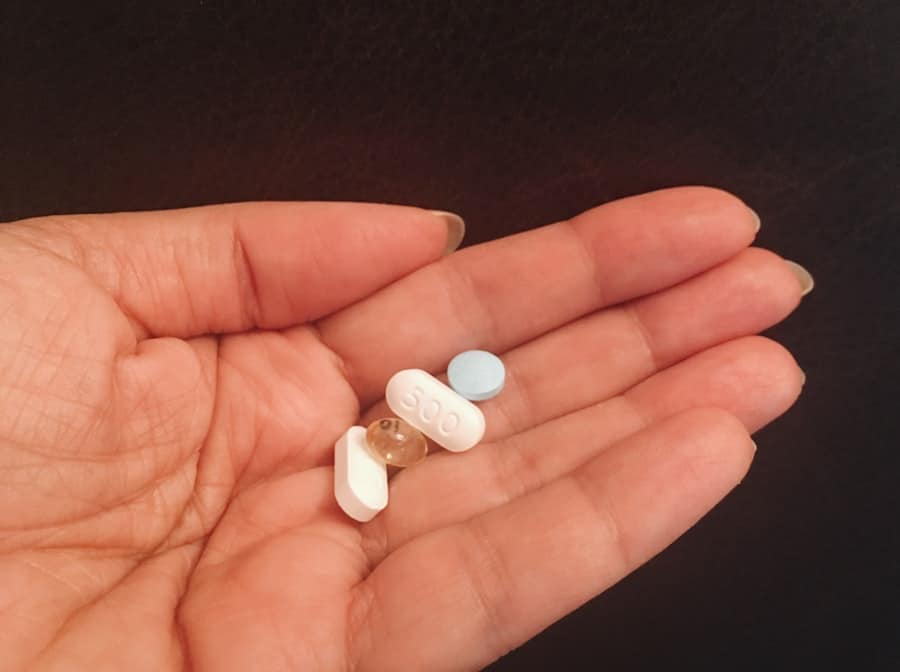
One of the most significant benefits of the keto diet for diabetes management is its potential to improve glycemic control. By minimizing carbohydrate intake, you can reduce the spikes in blood sugar that often occur after meals. This steadying effect on blood glucose levels can lead to better overall management of diabetes and may even reduce the need for certain medications over time.
Many individuals report feeling more stable and energized when following a keto diet, which can contribute to a more active lifestyle. Additionally, the keto diet may promote weight loss, which is particularly beneficial for those with type 2 diabetes. Excess weight can contribute to insulin resistance, making it more challenging to manage blood sugar levels effectively.
By adopting a high-fat, low-carb diet, you may find it easier to shed unwanted pounds and improve your overall metabolic health. This weight loss can lead to enhanced insulin sensitivity and better blood sugar control, creating a positive feedback loop that supports your diabetes management efforts.
Risks and Considerations of Combining Keto and Diabetes Medication
While there are potential benefits to combining the keto diet with diabetes medication, there are also risks that you should be aware of. One of the primary concerns is the risk of hypoglycemia, especially if you are on insulin or other medications that lower blood sugar levels. As your carbohydrate intake decreases, your body may require less medication to maintain stable blood sugar levels.
If you do not adjust your medication accordingly, you could experience symptoms such as dizziness, confusion, or even loss of consciousness. Another consideration is the long-term sustainability of the keto diet. While many people find success with this eating plan in the short term, maintaining such a restrictive diet can be challenging over time.
You may find yourself struggling with cravings for carbohydrates or feeling socially isolated during meals with friends and family. It’s essential to weigh these factors against the potential benefits and determine whether this dietary approach aligns with your lifestyle and health goals.
Adjusting Diabetes Medication While on a Keto Diet
If you decide to pursue a keto diet while managing diabetes with medication, it’s crucial to work closely with your healthcare provider to adjust your medication as needed. Regular monitoring of your blood sugar levels will help you identify patterns and determine whether changes in your medication are necessary. Your healthcare provider may recommend reducing dosages or switching medications altogether based on how your body responds to the diet.
In some cases, individuals may find that they can transition off certain medications entirely as they achieve better control over their blood sugar levels through dietary changes alone. However, this process should always be done under medical supervision to ensure safety and effectiveness. Open communication with your healthcare team will empower you to make informed decisions about your diabetes management while following a keto diet.
Monitoring Blood Sugar Levels on the Keto Diet
Monitoring your blood sugar levels is an essential aspect of managing diabetes, especially when making significant dietary changes like adopting a keto diet. You should regularly check your blood glucose levels to understand how your body is responding to the new eating pattern. This practice will help you identify any trends or fluctuations that may require adjustments in your medication or dietary choices.
You might consider using continuous glucose monitoring (CGM) devices for real-time insights into your blood sugar levels throughout the day. These devices can provide valuable data on how different foods affect your glucose levels and help you make informed decisions about what to eat while on a keto diet. By staying vigilant about monitoring your blood sugar, you can better navigate the challenges of managing diabetes alongside dietary changes.
Tips for Safely Managing Diabetes Medication on a Keto Diet
To safely manage your diabetes medication while following a keto diet, consider implementing several practical strategies. First and foremost, keep an open line of communication with your healthcare provider. Regular check-ins will allow you to discuss any concerns or changes in your health status as you adapt to the new eating plan.
Additionally, consider keeping a food diary to track what you eat and how it affects your blood sugar levels. This record can help you identify which foods work best for you and which may cause spikes in glucose levels. You might also want to educate yourself about low-carb alternatives to common foods you enjoy, making it easier to stick to the keto diet without feeling deprived.
Working with a Healthcare Professional When Combining Keto and Diabetes Medication
Collaborating with a healthcare professional is vital when combining the keto diet with diabetes medication. Your doctor or a registered dietitian can provide personalized guidance tailored to your specific needs and health goals. They can help you navigate potential challenges and ensure that you are making safe choices as you adjust your eating habits.
Your healthcare provider may also recommend regular lab tests to monitor key health markers such as cholesterol levels and kidney function while on a keto diet. These assessments will help ensure that you are not only managing your diabetes effectively but also maintaining overall health during this dietary transition.
Potential Interactions Between Diabetes Medication and the Keto Diet
As you explore the intersection of diabetes medication and the keto diet, it’s essential to be aware of potential interactions between specific medications and dietary components. For instance, certain oral hypoglycemic agents may have different effects when combined with a high-fat diet compared to a standard carbohydrate-rich diet. Additionally, some individuals may experience gastrointestinal issues when transitioning to a high-fat diet, which could impact their ability to absorb medications effectively.
Being mindful of these interactions will empower you to make informed decisions about your treatment plan while following a keto diet.
Lifestyle Factors to Consider When Using Keto and Diabetes Medication
When adopting a keto diet alongside diabetes medication, it’s crucial to consider various lifestyle factors that can influence your overall success. Stress management is one such factor; high-stress levels can lead to elevated blood sugar levels regardless of dietary choices. Incorporating stress-reducing practices such as mindfulness meditation or regular physical activity can enhance your ability to manage both diabetes and dietary changes effectively.
Social support is another critical component of successfully navigating this journey. Engaging with friends or family members who understand your goals can provide encouragement and accountability as you make dietary adjustments. You might also consider joining online communities or local support groups focused on diabetes management and low-carb eating for additional resources and motivation.
Success Stories and Testimonials of Using Keto and Diabetes Medication
Many individuals have found success in managing their diabetes through the combination of a keto diet and appropriate medication adjustments. Testimonials from those who have embraced this approach often highlight significant improvements in their blood sugar control, weight loss, and overall well-being. These success stories serve as powerful reminders that with careful planning and support, it is possible to achieve better health outcomes while navigating the complexities of diabetes management.
As you consider embarking on this journey yourself, remember that everyone’s experience will be unique. While some may thrive on a keto diet while managing their diabetes medications, others may find different approaches more suitable for their needs. Ultimately, listening to your body and working closely with healthcare professionals will guide you toward finding the best path for your individual circumstances.
FAQs
What is the keto diet?
The keto diet is a high-fat, low-carbohydrate diet that has been shown to help with weight loss and improve certain health conditions such as diabetes.
How does the keto diet affect diabetes medication?
The keto diet can affect diabetes medication by lowering blood sugar levels, which may require a reduction in the dosage of insulin or other diabetes medications.
Is it safe to follow the keto diet while taking diabetes medication?
It is important to consult with a healthcare professional before starting the keto diet while taking diabetes medication, as adjustments to medication dosages may be necessary to prevent hypoglycemia.
What are the potential benefits of combining the keto diet with diabetes medication?
Combining the keto diet with diabetes medication may lead to better blood sugar control, weight loss, and improved insulin sensitivity.
Are there any risks or side effects of combining the keto diet with diabetes medication?
The main risk of combining the keto diet with diabetes medication is the potential for hypoglycemia if medication dosages are not adjusted properly. It is important to monitor blood sugar levels closely and work with a healthcare professional to make any necessary adjustments.