
As you embark on your journey with the ketogenic diet, it’s essential to grasp the fundamental principles that govern this low-carbohydrate, high-fat eating plan. The keto diet primarily focuses on shifting your body’s metabolism from burning carbohydrates for energy to utilizing fats instead. This metabolic state, known as ketosis, can lead to significant weight loss and improved energy levels.
However, when you combine this dietary approach with exercise, it’s crucial to understand how these two elements interact. When you reduce your carbohydrate intake, your body undergoes several adaptations. Initially, you may experience a dip in energy levels as your body transitions from burning glucose to burning fat.
This adjustment period can be challenging, especially if you are accustomed to high-intensity workouts that rely heavily on glycogen stores. However, once your body becomes efficient at utilizing fat for fuel, you may find that your endurance improves, allowing you to sustain longer workouts without the need for frequent carbohydrate replenishment.
Key Takeaways
- The keto diet involves consuming high fat, moderate protein, and low carb foods to induce ketosis for energy production during exercise.
- Protein intake is crucial for muscle repair and growth, and should be prioritized in a keto diet to support exercise performance.
- High-Intensity Interval Training (HIIT) is an effective exercise strategy for maximizing fat burning and improving cardiovascular fitness on a keto diet.
- Fueling workouts with healthy fats such as avocados, nuts, and coconut oil can provide sustained energy for endurance exercise on a keto diet.
- Managing electrolyte balance is important for preventing dehydration and maintaining muscle function during exercise on a keto diet. Professional guidance can help individuals adapt their exercise routine and dietary intake to optimize performance and recovery on a keto diet.
The Importance of Protein Intake
Protein plays a pivotal role in any diet, but it becomes even more critical when you are following a ketogenic lifestyle. As you engage in regular exercise, your muscles require adequate protein to repair and grow stronger. This is particularly important on a keto diet, where the balance of macronutrients can sometimes lead to insufficient protein intake.
Ensuring that you consume enough protein not only supports muscle recovery but also helps maintain lean muscle mass while you lose fat. Incorporating high-quality protein sources into your meals can help you meet your daily requirements. Foods such as grass-fed beef, free-range chicken, fatty fish, eggs, and plant-based options like tofu and tempeh can provide the necessary amino acids your body needs.
Additionally, consider timing your protein intake around your workouts. Consuming protein shortly after exercising can enhance muscle recovery and promote growth, ensuring that you maximize the benefits of your training sessions.
Incorporating High-Intensity Interval Training (HIIT)
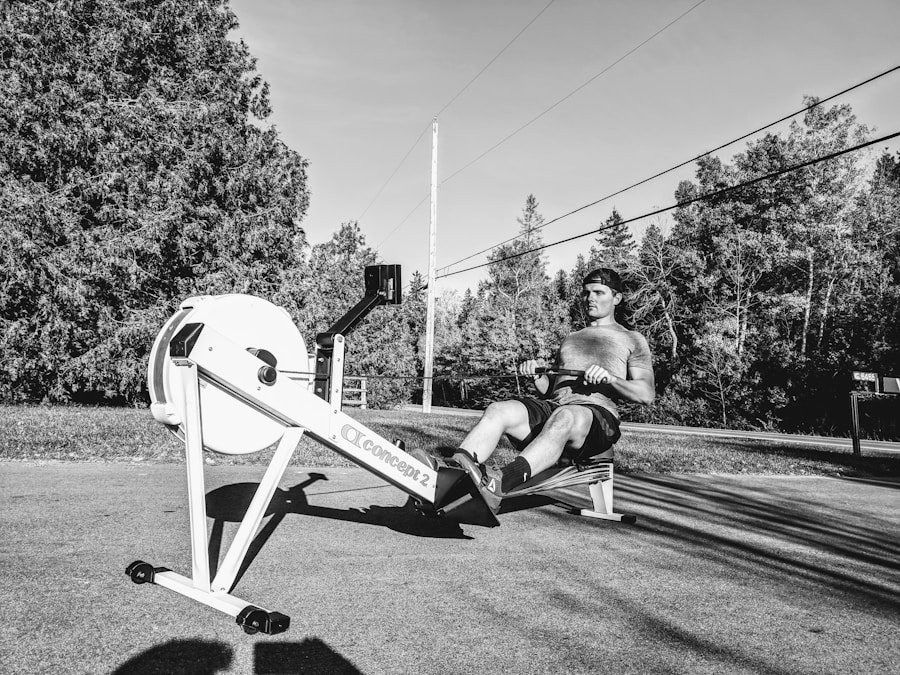
High-Intensity Interval Training (HIIT) is an effective workout strategy that can complement your ketogenic diet beautifully. This form of exercise involves short bursts of intense activity followed by brief recovery periods. HIIT not only boosts your cardiovascular fitness but also enhances fat burning, making it an ideal choice for those on a keto diet.
The beauty of HIIT lies in its efficiency; you can achieve significant results in a shorter amount of time compared to traditional steady-state cardio. When incorporating HIIT into your routine, listen to your body and adjust the intensity based on how you feel. Initially, you may find that your energy levels fluctuate as your body adapts to ketosis.
Start with shorter intervals and gradually increase the intensity and duration as you become more comfortable. This approach allows you to build endurance while minimizing the risk of burnout or injury. Remember, consistency is key; aim to include HIIT sessions a few times a week for optimal results.
Fueling Workouts with Healthy Fats
One of the most significant shifts you’ll experience on a ketogenic diet is the way you fuel your workouts. Instead of relying on carbohydrates for energy, you’ll be turning to healthy fats as your primary source of fuel. This transition can be liberating; fats are calorie-dense and provide sustained energy without the crashes often associated with carb-heavy meals.
Incorporating sources of healthy fats such as avocados, nuts, seeds, olive oil, and coconut oil into your pre-workout meals can help ensure that you have the energy needed for intense training sessions. Experimenting with different types of fats can also help you discover what works best for your body. Some individuals may find that consuming medium-chain triglycerides (MCTs) before a workout provides an immediate energy boost due to their rapid absorption and conversion into ketones.
Pay attention to how your body responds to various fat sources and adjust accordingly to optimize your performance.
Managing Electrolyte Balance
As you navigate the ketogenic diet, managing your electrolyte balance becomes increasingly important, especially when engaging in regular exercise. When you significantly reduce carbohydrate intake, your body tends to excrete more water and electrolytes, which can lead to imbalances that may affect your performance and overall well-being. Common electrolytes include sodium, potassium, and magnesium; ensuring that you maintain adequate levels of these minerals is crucial for muscle function and hydration.
To manage your electrolyte balance effectively, consider incorporating foods rich in these minerals into your diet. Leafy greens, avocados, nuts, and seeds are excellent sources of potassium and magnesium, while adding a pinch of salt to your meals can help replenish sodium levels. Additionally, staying hydrated is vital; drinking plenty of water throughout the day will support overall electrolyte balance and enhance your exercise performance.
Monitoring Performance and Recovery

Tracking Performance Metrics
Consider maintaining a workout journal where you record details such as workout intensity, duration, and any changes in energy levels or recovery times.
Listening to Your Body
Pay attention to how your body responds to different types of workouts and dietary adjustments. If you notice that certain exercises leave you feeling fatigued or if recovery takes longer than expected, it may be time to reassess your nutrition or training regimen.
Adjusting for Optimal Results
Listening to your body is key; make adjustments as needed to ensure that you are supporting both performance and recovery effectively.
Adapting to Exercise on a Keto Diet
Adapting to exercise while on a ketogenic diet requires patience and flexibility. As your body transitions into ketosis, it’s normal to experience fluctuations in energy levels and performance. You may find that some workouts feel more challenging than others during this adjustment period.
Embrace this process as part of your journey; over time, many individuals report improved endurance and strength as their bodies become more efficient at utilizing fat for fuel. To ease this transition, consider modifying your workout routine temporarily. You might choose to focus on lower-intensity exercises or incorporate more rest days until you feel fully adapted to the keto lifestyle.
Remember that everyone’s experience with keto is unique; what works for one person may not work for another.
Seeking Professional Guidance
While navigating the complexities of the ketogenic diet and exercise can be rewarding, seeking professional guidance can provide additional support and ensure that you’re on the right track. A registered dietitian or nutritionist who specializes in ketogenic diets can help tailor a meal plan that meets your specific needs while considering your fitness goals. They can also offer insights into macronutrient ratios and help troubleshoot any challenges you may encounter along the way.
Additionally, working with a personal trainer who understands the nuances of exercising on a keto diet can enhance your workout experience. They can design a program that aligns with your goals while taking into account any limitations or adjustments needed during the adaptation phase. With professional guidance, you’ll be better equipped to navigate the intersection of nutrition and fitness effectively, setting yourself up for long-term success on your keto journey.
FAQs
What is the keto diet?
The keto diet is a high-fat, low-carbohydrate diet that has been shown to help with weight loss and improve certain health conditions such as epilepsy and diabetes.
How does the keto diet affect exercise performance?
Initially, some people may experience a decrease in exercise performance when starting the keto diet due to the body’s adjustment to using fat as its primary fuel source instead of carbohydrates. However, over time, many individuals report improved endurance and energy levels during exercise.
What are the best types of exercise to do on a keto diet?
While on a keto diet, it is beneficial to focus on low to moderate intensity exercises such as walking, cycling, swimming, and weight training. These types of exercises can help the body adapt to using fat for fuel and can support muscle maintenance and growth.
How can I maximize fitness on a low-carb diet?
To maximize fitness on a low-carb diet, it is important to prioritize adequate protein intake to support muscle maintenance and growth. Additionally, staying well-hydrated and consuming electrolytes can help prevent fatigue and support exercise performance.
Are there any potential risks or considerations for exercising on a keto diet?
Some individuals may experience a temporary decrease in exercise performance when first starting the keto diet. It is also important to monitor hydration and electrolyte levels, as the body excretes more water and electrolytes on a low-carb diet. Consulting with a healthcare professional before starting a new exercise regimen is always recommended.