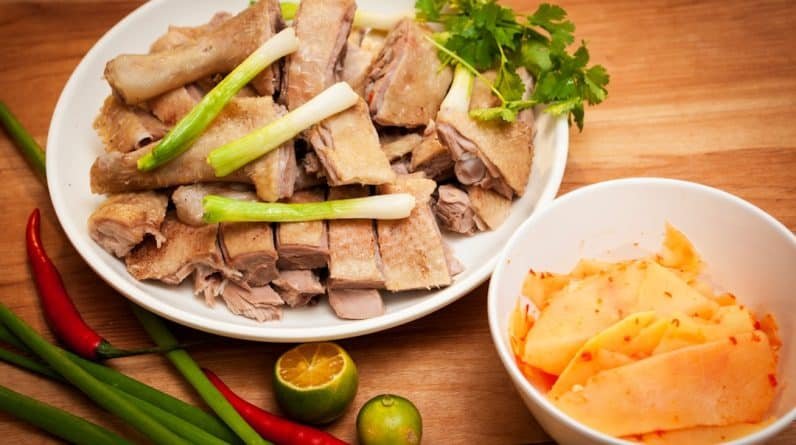
As you embark on your culinary journey into the world of keto cuisine, you may find yourself intrigued by the myriad of flavors and textures that await you. The ketogenic diet, often referred to simply as “keto,” has gained immense popularity in recent years, not just for its potential health benefits but also for the delicious meals it can inspire. Imagine indulging in rich, creamy dishes that are not only satisfying but also align with your dietary goals.
This is the essence of keto cuisine—a delightful blend of taste and nutrition that can transform your approach to food. Keto cuisine is more than just a diet; it’s a lifestyle choice that encourages you to rethink traditional cooking methods and ingredients. By focusing on high-fat, low-carbohydrate meals, you can create a culinary experience that is both enjoyable and beneficial for your body.
Whether you are a seasoned chef or a novice in the kitchen, embracing keto cuisine opens up a world of possibilities, allowing you to explore new recipes and flavors while maintaining your health objectives.
Key Takeaways
- Keto cuisine focuses on high-fat, low-carb meals to promote weight loss and improve overall health.
- The keto diet involves drastically reducing carbohydrate intake and replacing it with healthy fats and moderate protein.
- Classic recipes can be adapted to keto by using low-carb flour alternatives, sugar substitutes, and high-fat dairy products.
- Ingredients like almond flour, coconut flour, and stevia can be used as low-carb substitutes in keto-friendly recipes.
- Cooking keto-friendly meals can be made easier by meal planning, reading labels, and experimenting with different low-carb ingredients.
Understanding the Keto Diet
Understanding Ketosis
This metabolic state, known as ketosis, occurs when your carbohydrate intake is significantly reduced, prompting your body to convert fat into ketones, which serve as an alternative energy source.
The Benefits of a Keto Diet
As you delve deeper into this dietary approach, you’ll discover how it can lead to weight loss, improved mental clarity, and enhanced energy levels. As you navigate the keto landscape, you’ll quickly realize that not all fats are created equal. The diet emphasizes healthy fats such as avocados, nuts, seeds, and olive oil while discouraging processed and unhealthy fats.
Macronutrient Ratios: The Key to Success
Additionally, understanding the importance of macronutrient ratios is crucial; typically, a keto diet consists of approximately 70-75% fats, 20-25% protein, and only about 5-10% carbohydrates. This balance is what allows your body to enter and maintain ketosis, making it vital to choose your ingredients wisely.
Adapting Classic Recipes to Keto

One of the most exciting aspects of keto cuisine is the ability to adapt classic recipes into low-carb versions without sacrificing flavor. You may find that many of your favorite dishes can be reimagined using keto-friendly ingredients. For instance, think about transforming traditional pasta dishes into zucchini noodles or “zoodles.” By swapping out high-carb pasta for these vegetable alternatives, you can enjoy a satisfying meal while keeping your carb count in check.
Another classic dish that lends itself well to keto adaptation is pizza. Instead of a traditional crust made from flour, consider using cauliflower or almond flour to create a deliciously crispy base. Topped with your favorite cheeses and low-carb vegetables, this keto pizza can satisfy your cravings while aligning with your dietary goals.
The key is to get creative and experiment with different ingredients until you find combinations that delight your palate.
Substituting Ingredients for Low-carb Options
When embarking on your keto culinary adventure, ingredient substitution becomes a vital skill in your toolkit. You’ll soon discover that many common ingredients can be replaced with low-carb alternatives that still deliver on taste and texture. For example, instead of using sugar in your recipes, consider natural sweeteners like stevia or erythritol.
These options provide sweetness without the added carbohydrates, allowing you to enjoy desserts and treats guilt-free. Dairy products are another area where substitutions can make a significant difference. Full-fat dairy options such as heavy cream and cream cheese are staples in keto cooking, providing richness and flavor without the carbs found in low-fat alternatives.
Additionally, when it comes to baking, almond flour and coconut flour can replace traditional wheat flour, enabling you to create delicious baked goods that fit within your keto lifestyle. By learning how to substitute ingredients effectively, you’ll expand your culinary repertoire while staying true to your dietary goals.
Tips for Cooking Keto-friendly Meals
Cooking keto-friendly meals doesn’t have to be daunting; with a few simple tips and tricks, you can streamline the process and make it enjoyable. First and foremost, meal planning is essential. By taking the time to plan your meals for the week ahead, you can ensure that you have all the necessary ingredients on hand and avoid last-minute temptations that may lead you astray from your keto goals.
Consider dedicating a day each week to meal prep, where you can batch-cook proteins and vegetables for easy access throughout the week. Another helpful tip is to embrace one-pot meals or sheet pan dinners. These cooking methods not only save time on cleanup but also allow flavors to meld beautifully as everything cooks together.
Think of a hearty chicken and vegetable bake or a flavorful beef stir-fry—both can be prepared in one vessel while keeping your carb count low. Additionally, don’t shy away from experimenting with herbs and spices; they can elevate your dishes and add depth without adding carbs.
Popular Keto-friendly Recipes

As you dive deeper into keto cuisine, you’ll want to explore some popular recipes that have become favorites among those following this lifestyle. One beloved dish is the classic keto-friendly avocado egg salad. Combining creamy avocado with hard-boiled eggs creates a satisfying meal that’s perfect for lunch or as a snack.
Another crowd-pleaser is cauliflower fried rice—a fantastic way to enjoy a takeout favorite without the carbs. By using riced cauliflower as a base and adding in vegetables like bell peppers, peas, and carrots along with scrambled eggs and soy sauce (or coconut aminos for a soy-free option), you can whip up a delicious dish that feels indulgent yet fits perfectly within your keto framework.
These recipes not only showcase the versatility of keto cooking but also highlight how satisfying low-carb meals can be.
Benefits of Keto Cuisine
The benefits of embracing keto cuisine extend beyond just weight loss; they encompass a range of health improvements that many individuals experience on this diet. One significant advantage is enhanced mental clarity and focus. Many people report feeling more alert and productive when their bodies are in ketosis, as ketones provide a steady source of energy for the brain.
This cognitive boost can be particularly beneficial for those juggling busy schedules or demanding work environments. Additionally, many individuals find that they experience reduced cravings and stabilized blood sugar levels on a ketogenic diet. By minimizing carbohydrate intake, you may notice fewer spikes and crashes in energy throughout the day, leading to more consistent energy levels and less reliance on snacks between meals.
This aspect of keto cuisine not only supports weight management but also promotes overall well-being by fostering healthier eating habits.
Embracing the Keto Lifestyle
As you reflect on your journey into keto cuisine, it becomes clear that this lifestyle offers more than just dietary restrictions; it presents an opportunity for culinary creativity and exploration. By understanding the principles of the ketogenic diet and adapting classic recipes to fit within its framework, you can enjoy delicious meals that nourish both body and soul. The art of substituting ingredients opens up new avenues for flavor while keeping carbs at bay.
Ultimately, embracing the keto lifestyle means committing to a way of eating that prioritizes health without sacrificing enjoyment. With each meal prepared and every recipe tried, you’ll find yourself becoming more adept at navigating this flavorful world of low-carb cooking. So go ahead—experiment with new dishes, savor every bite, and relish in the benefits that come from embracing keto cuisine as part of your daily life.
FAQs
What is the keto diet?
The keto diet is a low-carb, high-fat diet that has been shown to help with weight loss and improve overall health. It involves reducing carbohydrate intake and replacing it with fat, putting the body in a state of ketosis where it burns fat for energy.
What are some classic recipes that can be turned into low-carb keto masterpieces?
Classic recipes such as pizza, pasta, bread, and desserts can be transformed into low-carb keto versions using alternative ingredients like almond flour, coconut flour, and low-carb sweeteners.
What are some common ingredients used in keto cuisine?
Common ingredients used in keto cuisine include avocados, coconut oil, almond flour, cauliflower, zucchini, and low-carb sweeteners like stevia and erythritol.
How can I turn classic recipes into low-carb keto masterpieces?
You can turn classic recipes into low-carb keto masterpieces by substituting high-carb ingredients with low-carb alternatives, such as using cauliflower crust for pizza, zucchini noodles for pasta, and almond flour for baking.
Are there any benefits to cooking keto cuisine?
Cooking keto cuisine can have several benefits, including weight loss, improved blood sugar control, and increased energy levels. It can also be a great way to explore new and creative cooking techniques and ingredients.