Keto Diet Calculator
Welcome to the world of the Keto Diet, a low-carb, high-fat diet that has taken the health and wellness community by storm. If you’re seeking a profound shift in your eating habits and weight management, you might have stumbled upon the right path. Not only does the Keto Diet offer potential benefits for weight loss, but it also affects how your body processes energy. In this article, we’ll explore the fundamental concepts of the Keto Diet, how to use a Keto Diet Calculator, and why tracking your macros is essential for success. You’re about to embark on a journey that could change your relationship with food – so let’s get started!

What Is the Keto Diet?
The Keto Diet, short for Ketogenic Diet, is primarily focused on significantly reducing your carbohydrate intake while increasing your fat intake. When you embark on this dietary journey, your body enters a metabolic state known as ketosis. In ketosis, your body shifts its primary energy source from carbohydrates to fat, leading to the breakdown of fat stores for fuel. This process converts fats into ketones, which are then utilized by your body and brain as energy.
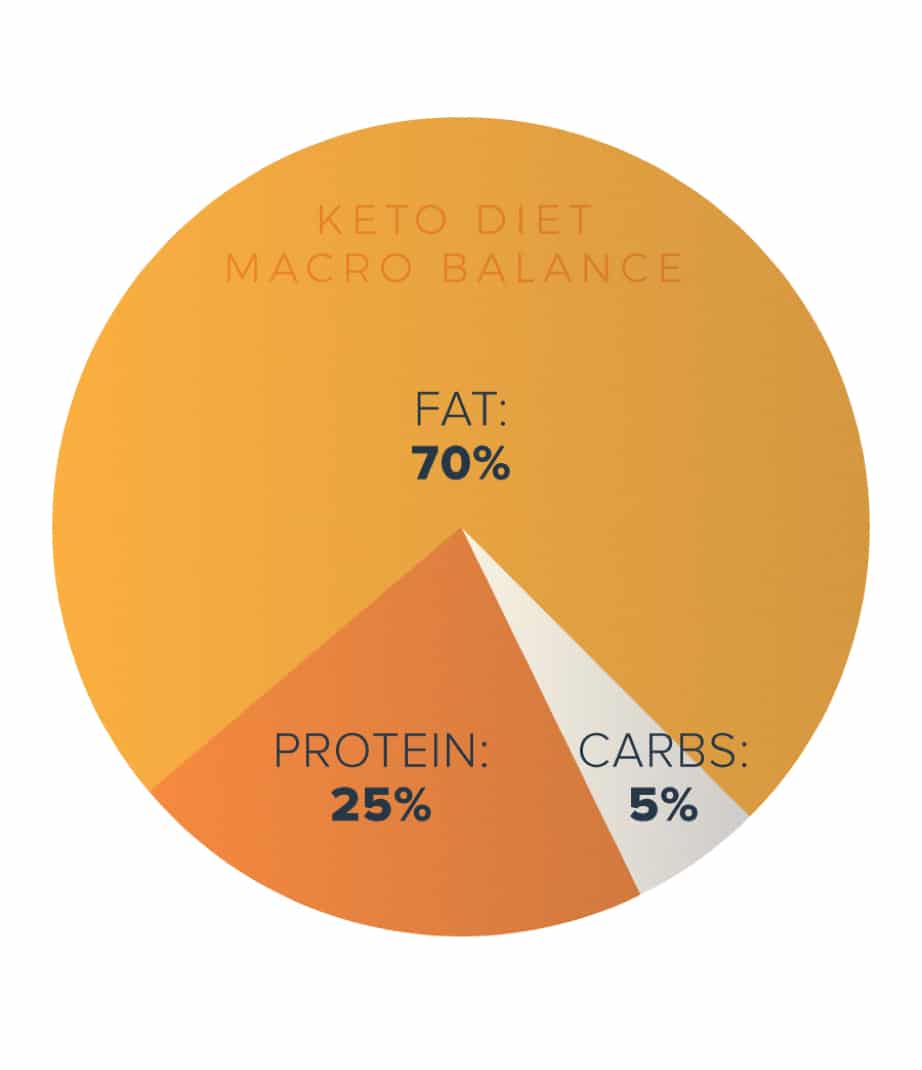
The foundational premise of the Keto Diet is simple: reduce the carbs, load up on healthy fats, and moderate your protein intake. This shift in nutrient consumption encourages your body to burn fat more efficiently, potentially leading to weight loss and other health benefits. The typical macronutrient ratio for the Keto Diet is roughly 70-75% fats, 20-25% protein, and only about 5-10% carbohydrates.
Understanding Macronutrients
Before we dive deeper into using a Keto Diet Calculator, it’s vital to grasp the concept of macronutrients (macros). Macronutrients are the nutrients required by your body in large amounts to provide energy and sustain bodily functions. The three primary macronutrients are carbohydrates, proteins, and fats.
Carbohydrates
Carbohydrates are typically your body’s preferred energy source. They can be found in foods like grains, fruits, and vegetables. However, on the Keto Diet, your carbohydrate intake is significantly limited, putting most of these foods off-limits. Instead of depending on carbs for energy, you’ll be retraining your body to rely more on fats.
Proteins
Proteins play an essential role in your body’s overall health. They are vital for tissue repair, muscle building, and essential chemical processes. On Keto, your protein intake should be moderate, ensuring you have enough to support muscle health without interrupting ketosis.
Fats
Fats are the stars of the Keto Diet. They come in various forms, including saturated, unsaturated, and trans fats. On the Keto Diet, you’ll be encouraged to consume healthy fats such as avocados, nuts, seeds, olive oil, and fatty fish. These fats help you feel full, provide essential nutrients, and keep your energy levels stable, making them indispensable during your Keto journey.

The Importance of a Keto Diet Calculator
Now that you have a foundational understanding of the Keto Diet and macronutrients, you might wonder how to put all this knowledge into practice. That’s where a Keto Diet Calculator comes into play! A Keto Diet Calculator is a valuable online tool designed to help you determine your daily macro needs based on various personal factors.
Why Use a Keto Diet Calculator?
Using a Keto Diet Calculator allows you to tailor your diet to meet your unique needs. Everyone has different goals, body types, ages, activity levels, and metabolic rates. Here are some reasons why a Keto Diet Calculator can be beneficial for you:
- Personalization: With a calculator, you can input your specific data, such as weight, height, age, gender, activity level, and weight loss goals. The resulting calculations will provide macronutrient targets tailored to your body.
- Guidance: Having specific numbers to aim for can help take the guesswork out of meal planning. It provides you with a clearer framework of what you should be eating daily to reach your goals.
- Tracking Progress: Regularly using a Keto Diet Calculator allows you to track changes in your body. If your current approach isn’t working, you can easily adjust your intake based on the feedback you receive.
- Motivation: Setting measurable goals often serves as motivating factors. The sense of achievement when sticking to your targets and witnessing progress can spur you on to continue your Keto journey.
How to Use a Keto Diet Calculator
You might be excited to dive into using a Keto Diet Calculator, so let’s break down the steps involved. While specific calculators may vary, the fundamental principles remain the same.
Step 1: Determine Your Goals
Before you start, it’s essential to clarify your goals. Are you looking to lose weight, maintain your current weight, gain muscle, or improve overall health? Your goals will influence the macronutrient ratios and caloric intake you need to input into the calculator.
Step 2: Input Personal Information
Most calculators will ask for basic personal information, including your:
- Weight
- Height
- Age
- Gender
- Activity Level (Sedentary, Lightly Active, Moderately Active, Very Active)
Make sure to input this information accurately, as it serves as the basis for determining your individualized macros.
Step 3: Calculate Your Macros
Once you’ve entered your information, the Keto Diet Calculator will provide you with a breakdown of your daily caloric needs and recommended macronutrient distribution. This will typically include:
- Total Daily Energy Expenditure (TDEE)
- Grams of fats per day
- Grams of proteins per day
- Grams of carbohydrates per day
Keep in mind that calculators may employ different algorithms, so the numbers you receive from one may not exactly match another. However, they should provide a realistic starting point for your dietary needs.
Step 4: Start Tracking Your Food Intake
Using your calculated macros, you can begin tracking your food choices. There are several apps available that can help you log your meals and ensure you’re hitting your macronutrient goals.
Make sure to pay attention to both the quality and quantity of the foods you consume. Eating whole, nutrient-dense foods is crucial for supporting your overall health, especially on the Keto Diet.

Understanding Keto-Friendly Foods
As you navigate the Keto Diet, having a solid understanding of keto-friendly foods will make the transition easier. Not every fat is created equal, and some carbs can sneak into your diet even when you’re trying to avoid them.
Healthy Fats
Opt for nutrient-dense, healthy fats that nourish your body. Some great examples include:
- Avocados: Packed with monounsaturated fats and fiber, making them an excellent choice for keto.
- Olive Oil: A versatile oil rich in antioxidants; it’s perfect for salads or cooking.
- Nuts & Seeds: Almonds, walnuts, chia seeds, and flaxseeds deliver healthy fats and a bit of protein.
- Fatty Fish: Salmon, mackerel, and sardines are rich in Omega-3 fatty acids.
Low-Carbohydrate Vegetables
Loading up on low-carb vegetables can provide essential nutrients without overwhelming your carb limit. Great options include:
- Leafy greens (spinach, kale, etc.)
- Broccoli
- Cauliflower
- Bell peppers
Moderate Proteins
When selecting protein sources, aim for high-quality options. Consider:
- Grass-fed meats
- Pastured poultry
- Eggs
- Full-fat dairy products
Troubleshooting Your Keto Journey
No journey comes without its challenges, and the Keto Diet is no exception. As you navigate this diet, you might encounter a few bumps along the way. Here are some common hurdles and tips on how to overcome them:
Keto Flu
As your body transitions to using fat for fuel, you may experience what is commonly known as the “Keto flu.” Symptoms can include fatigue, nausea, headaches, and irritability—essentially feeling a bit under the weather. To combat this, stay hydrated, consider increasing your electrolyte intake, and give your body time to adapt.
Stalled Weight Loss
If you find that your weight loss has plateaued, don’t despair! This is normal, and several factors can contribute to a stall. Review your macro intake, ensure you’re measuring portions correctly, and consider adjusting your ratios. Sometimes, incorporating intermittent fasting can help reset your body and jumpstart the process once again.
Craving Carbs
As you minimize carbs, cravings can arise. Here’s a friendly reminder: it’s natural to miss certain foods. Instead of giving in, explore low-carb alternatives. For example, zucchini noodles can be a delightful substitute for pasta. Have fun experimenting with new recipes that satisfy your cravings without derailing your progress!

The Psychological Aspects of Keto
Learning about the science and specifics of the Keto Diet is essential, but so is considering the psychological aspect. Adopting any new eating pattern can trigger a range of emotions from excitement and motivation to frustration and doubt. Here are some friendly suggestions to help you cultivate a positive mindset:
Focus on the Positives
Instead of solely fixating on ‘what you can’t eat,’ try to shift your focus to the many delicious and healthy options available to you. Explore new recipes and foods that meet your dietary preferences while still adhering to Keto guidelines.
Practice Mindful Eating
Being present while eating helps you tune into your body’s hunger and fullness cues. This practice can foster a healthier relationship with food. Engage your senses and enjoy every bite, savoring the flavors and textures that each meal offers.
Celebrate Small Wins
Acknowledge and celebrate your achievements, no matter how small. Whether it’s successfully meal prepping for the week or making it through a tough keto craving, recognizing your triumphs can provide motivation to keep moving forward.
Conclusion
Embarking on a Keto Diet journey is an exciting opportunity to redefine how you approach food and nourish your body. With the help of a Keto Diet Calculator, you can personalize your macros, gain insights into your food choices, and stay on track toward your health and wellness goals. Remember that everyone’s journey is unique, so find what works for you and celebrate your progress along the way.
As you explore the Keto world, embrace the process—you’re likely to discover not only new recipes and flavors you love, but more about yourself in the process. If you found this article helpful, consider clapping for it, leaving a comment with your thoughts, and subscribing to my Medium newsletter for updates. Happy Keto journey!