In this article, you will explore the fascinating world of “Keto Diet Carbs.” As you journey through the ins and outs of the ketogenic diet, you will gain a deeper understanding of how carbs fit into this popular and effective weight loss approach. Get ready to uncover the secrets behind the role of carbohydrates in the keto diet and discover how you can still enjoy a variety of delicious foods while staying on track with your health goals. So, buckle up and get ready to embark on a carb-filled adventure unlike any other!
Understanding the Keto Diet
What is the Keto Diet?
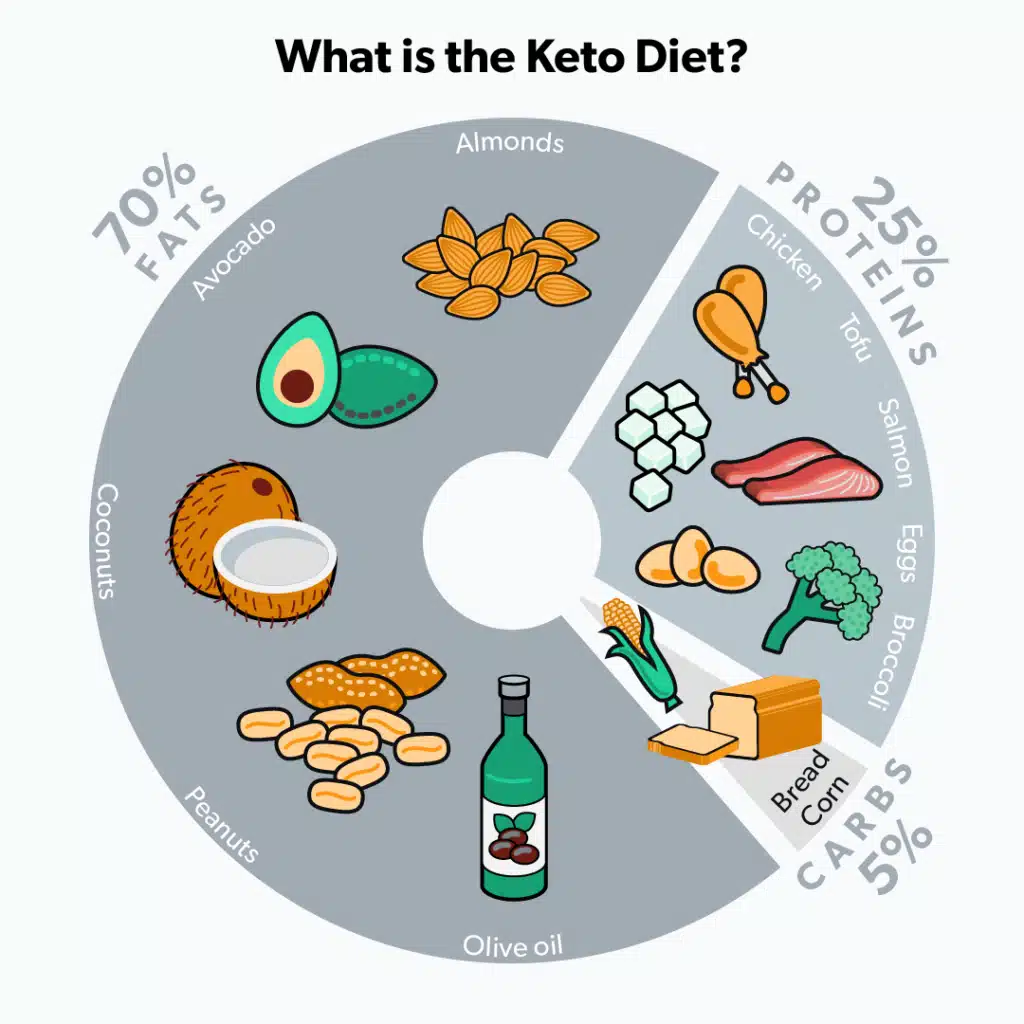
The Keto Diet, short for the Ketogenic Diet, is a low-carbohydrate, high-fat diet that has gained popularity in recent years for its potential to aid in weight loss and improve overall health. The main principle of the Keto Diet is to drastically reduce carbohydrate intake and replace it with fat, forcing the body to enter a metabolic state called ketosis.
How Does the Keto Diet Work?
When you consume a high amount of carbohydrates, your body typically uses glucose as its primary source of energy. However, when you restrict carbohydrate intake, your body starts to burn fat for fuel instead. By following a Keto Diet, you can transition your body into a state of ketosis, where it becomes efficient at burning fat.
During ketosis, your liver converts stored fat into ketones, which are molecules that serve as an alternative energy source. These ketones then supply fuel to your brain, muscles, and other organs, allowing you to maintain energy levels while minimizing your reliance on carbohydrates.
Benefits of the Keto Diet
The Keto Diet has been associated with numerous health benefits beyond weight loss. Some studies suggest that it may help in improving insulin sensitivity, reducing inflammation, and even enhancing cognitive function. Additionally, the Keto Diet has shown promise in managing certain medical conditions like epilepsy and polycystic ovary syndrome (PCOS). However, it is important to note that individual results may vary, and it is always recommended to consult with a healthcare professional before starting any new diet or lifestyle changes.
Types of Carbohydrates
Simple Carbohydrates
Simple carbohydrates are composed of one or two sugar molecules and are quickly broken down by the body, resulting in a rapid spike in blood sugar levels. These include foods like table sugar, candy, honey, and baked goods made with refined flour. While they can provide a quick burst of energy, simple carbohydrates are generally not recommended on the Keto Diet due to their high glycemic index and impact on blood sugar.
Complex Carbohydrates
Complex carbohydrates, on the other hand, are made up of longer chains of sugar molecules and take longer to digest. They are found in foods like whole grains, legumes, and starchy vegetables such as potatoes and corn. While complex carbohydrates can be part of a balanced diet, they are typically limited on the Keto Diet due to their higher carbohydrate content.
Fiber
Fiber is a type of carbohydrate that cannot be fully digested by the body. It adds bulk to your diet, aids in digestion, and promotes feelings of fullness. Although fiber is technically a carbohydrate, it does not significantly impact blood sugar levels and is subtracted from the total carbohydrate count when calculating net carbs on the Keto Diet.
Carbohydrate Intake on the Keto Diet
The Role of Carbohydrates on the Keto Diet
On the Keto Diet, carbohydrates play a crucial role in determining whether your body remains in a state of ketosis or not. By restricting carbohydrate intake, you force your body to rely on fat for fuel, leading to the production of ketones. Therefore, it is essential to carefully manage your carbohydrate intake to ensure you stay within the recommended range for achieving and maintaining ketosis.
Recommended Daily Carb Intake
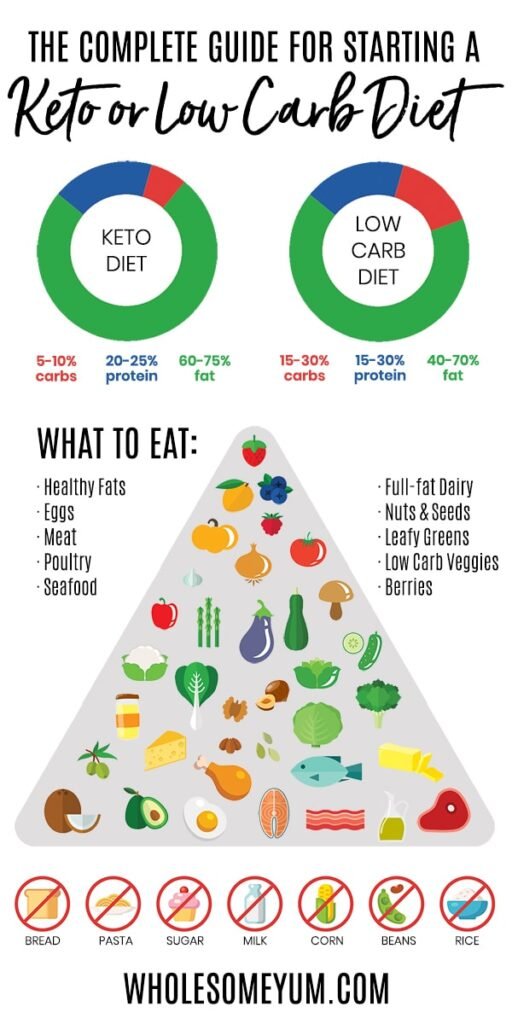
The recommended daily carbohydrate intake on the Keto Diet typically ranges from 20 to 50 grams, depending on individual factors such as metabolism, activity level, and weight loss goals. It is important to remember that this value may vary for each person, and it is advisable to consult a healthcare professional or registered dietitian to determine the ideal carbohydrate intake for your specific needs.
Net Carbs vs. Total Carbs
When following the Keto Diet, it is common to track net carbs rather than total carbs. Net carbs are calculated by subtracting the grams of fiber from the total grams of carbohydrates in a food or meal. This is because fiber is not fully digested and does not significantly impact blood sugar levels, making it a valuable component of the diet without interfering with ketosis. By subtracting fiber from the total carbohydrate count, you get a more accurate representation of the carbohydrates that affect your body’s ability to stay in ketosis.
Best Carbohydrate Sources on the Keto Diet
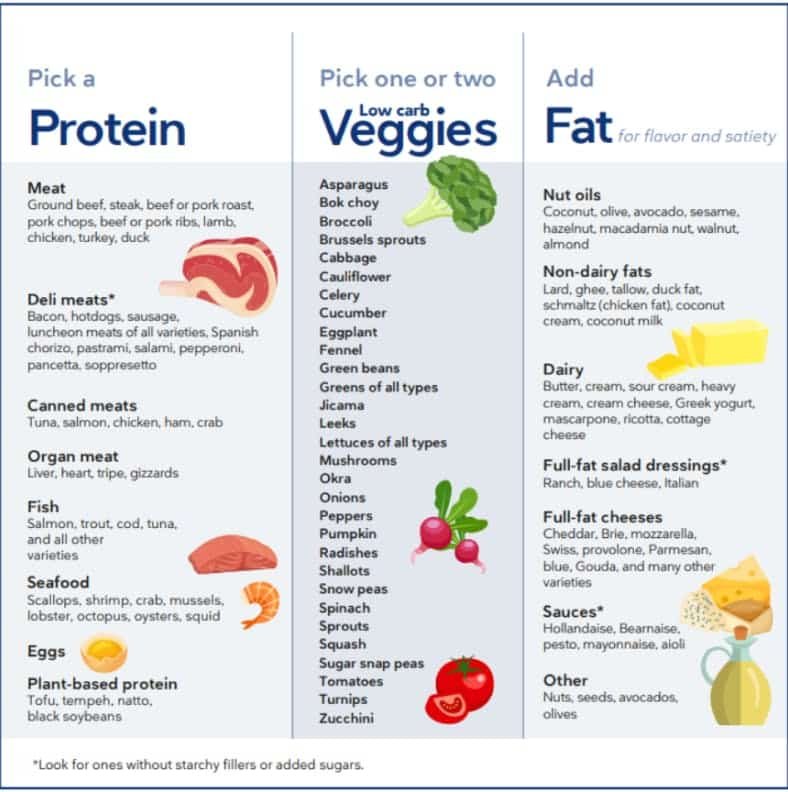
Non-Starchy Vegetables
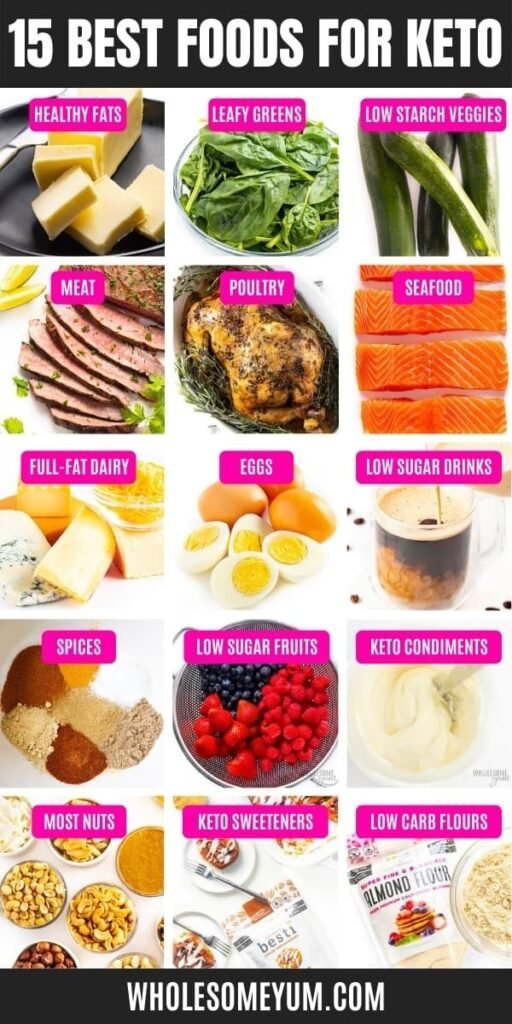
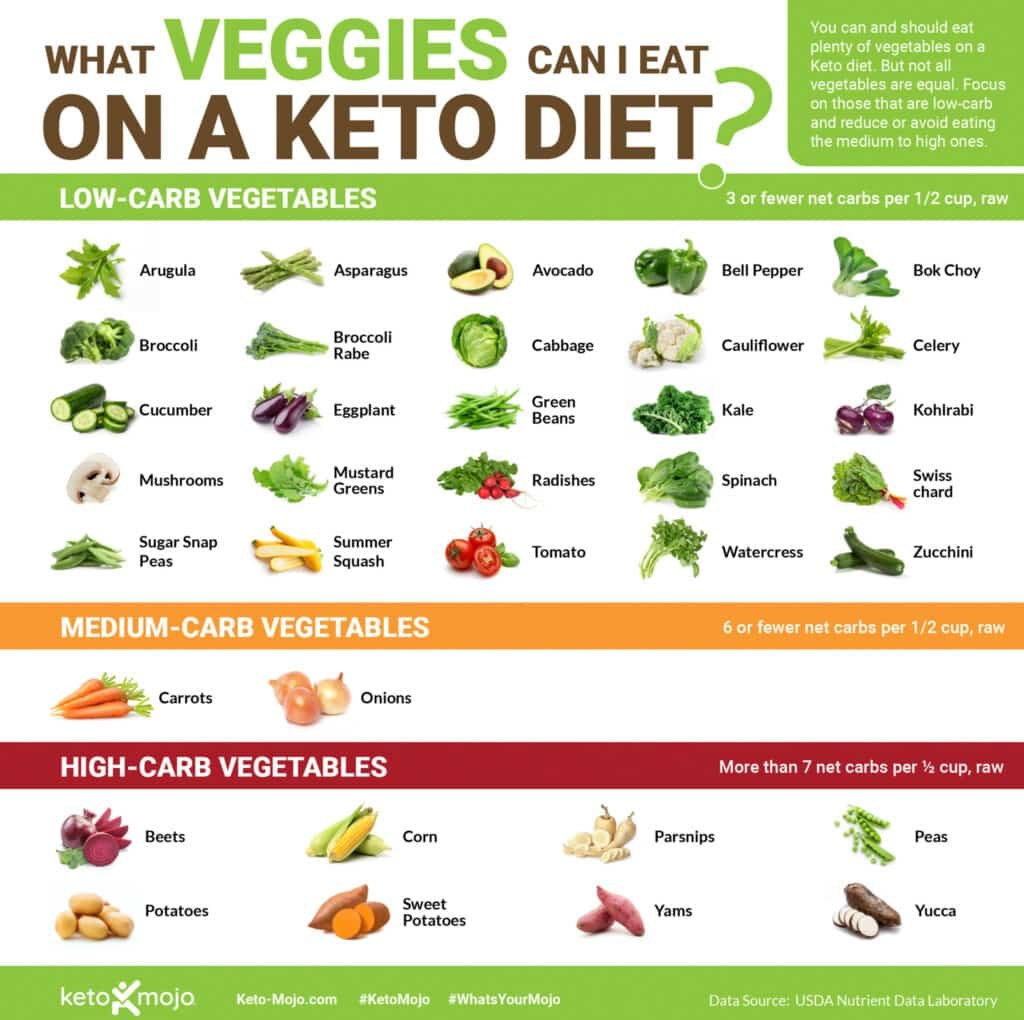
Non-starchy vegetables are an excellent source of carbohydrates on the Keto Diet. They are low in net carbs and high in fiber, making them a nutritious choice that won’t disrupt ketosis. Some examples of non-starchy vegetables include leafy greens, broccoli, cauliflower, zucchini, peppers, and cucumber.
Berries
Berries are a delicious and relatively low-carb fruit option for those following the Keto Diet. While they contain natural sugars, berries are also high in fiber, antioxidants, and various vitamins and minerals. Blackberries, raspberries, and strawberries are great choices when looking to satisfy your sweet tooth while still adhering to your carbohydrate goals.
Nuts and Seeds
Nuts and seeds are not only a good source of healthy fats but can also provide a moderate amount of carbohydrates on the Keto Diet. They offer a satisfying crunch and can be enjoyed as a snack or added to meals and recipes. Some low-carb options include almonds, walnuts, chia seeds, flaxseeds, and pumpkin seeds, but it’s important to be mindful of portion sizes as they can be calorie-dense.
Foods to Avoid on the Keto Diet
High Glycemic Index Carbohydrates
High glycemic index carbohydrates, such as white bread, rice, pasta, and sugary cereals, should generally be avoided on the Keto Diet. These foods cause a rapid rise in blood sugar levels and can interfere with ketosis. It is best to opt for low glycemic index alternatives or eliminate them altogether.
Refined Sugars
Refined sugars, including table sugar, brown sugar, and high-fructose corn syrup, provide empty calories and can lead to rapid spikes in blood sugar levels. These sugars are often found in processed foods, desserts, and sugary beverages, all of which are not recommended on the Keto Diet.
Processed Foods
Processed foods, such as packaged snacks, pre-made meals, and fast food, are typically high in unhealthy fats, added sugars, and hidden carbohydrates. These foods can hinder weight loss and may contain additives or preservatives that can be detrimental to your health. It is best to focus on whole, unprocessed foods when following the Keto Diet.
Managing Carb Cravings on the Keto Diet
Understanding Carb Cravings
Carb cravings can be a common challenge when transitioning to the Keto Diet. These cravings are often triggered by habit, emotional factors, or a physiological desire for quick energy. It is essential to understand that cravings are normal and can be managed by making mindful choices.
Preventing and Controlling Cravings
To prevent and control carb cravings on the Keto Diet, it can be helpful to:
- Stay hydrated: Sometimes, thirst is mistaken for hunger or cravings. Make sure you are drinking enough water throughout the day.
- Incorporate healthy fats: Consuming adequate amounts of healthy fats can help keep you feeling satisfied and reduce cravings.
- Plan and prepare meals: By having nutritious, Keto-friendly meals and snacks readily available, you can avoid impulsive food choices when cravings strike.
- Manage stress: Stress can contribute to cravings. Engaging in stress-reducing activities, such as exercise, meditation, or hobbies, can help alleviate cravings triggered by emotional factors.
- Seek support: Connecting with others following the Keto Diet or seeking guidance from a healthcare professional or registered dietitian can provide valuable support and strategies for managing cravings.
Keto-Friendly Alternatives
When cravings for carbohydrate-rich foods arise, there are several Keto-friendly alternatives that can help satisfy those cravings without derailing your progress. Some examples include:
- Fat bombs: These high-fat, low-carb treats are made with ingredients like coconut oil, nut butter, or cream cheese, offering a satisfying alternative to traditional desserts.
- Keto-approved sweeteners: Natural, low-carb sweeteners such as stevia, erythritol, and monk fruit can be used in moderation to add sweetness to recipes or beverages.
- Zucchini noodles or cauliflower rice: These vegetable-based alternatives can be used as substitutes for traditional pasta or rice dishes, providing a low-carb option that can help reduce cravings.
Effects of Carbohydrate Intake on Ketosis
Carb Backloading
Carb backloading is a strategy in which carbohydrates are consumed primarily after intense workouts or in the evening. This approach allows for glycogen replenishment while still maintaining a state of ketosis. It is often used by individuals who are physically active and require additional carbohydrates for performance without sacrificing the metabolic benefits of ketosis.
Cyclical Ketogenic Diet
The cyclical ketogenic diet involves alternating between periods of strict carbohydrate restriction and periods of higher carbohydrate consumption. This approach typically involves following a low-carb, high-fat diet for several days or weeks, followed by a “carb-loading” phase where a higher amount of carbohydrates is consumed. The goal is to replenish glycogen stores and provide a temporary break from ketosis before returning to a ketogenic state.
Targeted Ketogenic Diet
The targeted ketogenic diet is a variation of the standard ketogenic diet that allows for a small amount of carbohydrates to be consumed before and after workouts. This approach aims to provide fuel for physical activity without significantly affecting ketosis. By consuming carbohydrates strategically, individuals following the targeted ketogenic diet may experience improved exercise performance while still reaping the benefits of ketosis during the rest of the day.
Potential Risks and Side Effects
Keto Flu
The transition into a ketogenic state can sometimes cause flu-like symptoms, commonly referred to as the “keto flu.” These symptoms may include fatigue, headache, nausea, and dizziness, and typically occur during the first few days or weeks of starting the Keto Diet. It is important to stay hydrated, replenish electrolytes, and ensure adequate nutrient intake to manage these symptoms. In most cases, the keto flu subsides as the body adapts to using fat as its primary fuel source.
Constipation
Reducing carbohydrate intake and increasing fat consumption may impact digestion and lead to constipation for some individuals. To alleviate this problem, it is crucial to maintain proper hydration, consume fiber-rich foods, and include sources of healthy fats that provide lubrication for the digestive system, such as avocados or olive oil.
Nutrient Deficiencies
Strict adherence to the Keto Diet may lead to potential nutrient deficiencies if not carefully planned and monitored. Since this diet restricts certain food groups, it is essential to focus on consuming a variety of nutrient-dense foods to ensure an adequate intake of vitamins, minerals, and essential nutrients. Consulting with a healthcare professional or registered dietitian can help address specific nutrient concerns and determine if any supplementation is required.
Tips for Incorporating Carbs into a Keto Diet
Cyclical or Targeted Keto Approaches
If you feel that a standard ketogenic diet is not meeting your needs or you are physically active, you may consider incorporating cyclical or targeted approaches. These methods allow for strategic carbohydrate consumption while still maintaining the benefits of ketosis. It is crucial to carefully plan and track carbohydrate intake during these periods to ensure optimal results.
Planning and Tracking Carb Intake
Whether you choose to follow a strict ketogenic diet or a cyclical/targeted approach, planning and tracking your carbohydrate intake is essential. Keeping a food diary or using a tracking app can help you stay within your predetermined carbohydrate goals and monitor your progress. By establishing a routine and being mindful of portion sizes and ingredient labels, you can successfully navigate carbohydrate intake on the Keto Diet.
Experimenting with Carb Sources
While the Keto Diet restricts certain carbohydrate sources, there are still a variety of options available to suit your tastes and preferences. Experimenting with different low-carb vegetables, fruits, and nuts can help make your keto journey more enjoyable and sustainable. It is important to pay attention to how your body responds to different carbohydrate sources and adjust accordingly to maintain ketosis.
Conclusion
Understanding the role of carbohydrates on the Keto Diet is key to achieving your health and weight loss goals. By making conscious choices about the types and amounts of carbohydrates you consume, you can successfully maintain a state of ketosis and reap the benefits of this dietary approach. Remember to listen to your body, seek guidance from professionals, and make adjustments as needed to ensure a balanced and sustainable Keto Diet experience.