
You’ve decided to embark on a keto diet, but you may have experienced an unexpected side effect – constipation. This article explores the common issue of keto diet constipation and offers valuable insights and tips to help relieve this discomfort. Whether you’re new to the keto diet or a seasoned veteran, understanding the causes of constipation and learning effective strategies to mitigate it will ensure a smoother journey towards your health goals. So, if you’re ready to explore the world of keto diet constipation, let’s dive right in!
Understanding the Keto Diet
What is a Keto Diet?
A keto diet, short for ketogenic diet, is a low-carb, high-fat diet that has gained popularity for its potential weight loss and health benefits. The primary goal of the keto diet is to induce a state of ketosis in your body, where instead of relying on carbohydrates for energy, your body starts burning stored fat. The diet typically consists of high-fat foods like meat, fish, eggs, dairy, nuts, seeds, and healthy oils, while significantly reducing or eliminating carbohydrates such as grains, sugar, and starchy vegetables.
How Does the Keto Diet Work?
When you limit your carbohydrate intake on a keto diet, your body has to find an alternative fuel source since it can no longer rely on glucose derived from carbohydrates. In the absence of carbohydrates, your body enters a metabolic state called ketosis, where it starts utilizing stored fats for energy. This leads to the production of molecules called ketones, which are used by your body as an energy source. By consistently following a keto diet, you can reach and maintain a state of ketosis, which promotes fat loss.
Benefits of the Keto Diet
While weight loss is one of the most well-known benefits of the keto diet, there are several other potential advantages as well. The ketogenic diet has shown promising results in managing blood sugar levels and improving insulin sensitivity, making it beneficial for individuals with type 2 diabetes or prediabetes. Additionally, some studies suggest that the keto diet may help reduce inflammation, improve brain function, and increase feelings of satiety, leading to reduced hunger and calorie intake.
Constipation and the Keto Diet
What Causes Constipation on the Keto Diet?
One of the common challenges that individuals on the keto diet may face is constipation. This happens due to several factors, including the reduced consumption of high-fiber foods typically found in carbohydrates. Fiber plays a crucial role in promoting healthy digestion and regular bowel movements. Furthermore, the keto diet can also lead to dehydration, as the reduction of carbohydrates affects the body’s water balance, another factor contributing to constipation.
Common Symptoms of Constipation
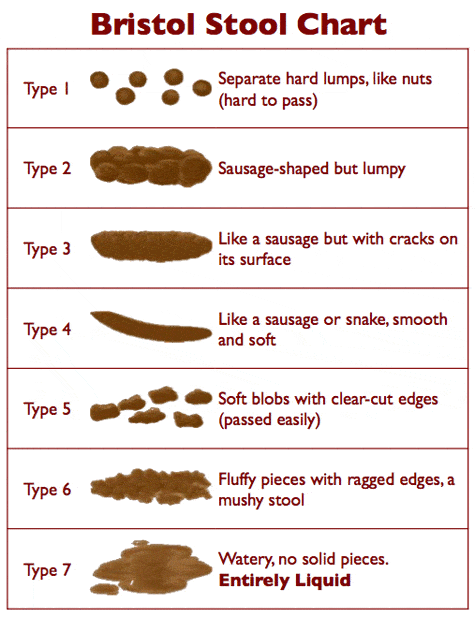
Recognizing the symptoms of constipation is essential in identifying and addressing the issue. Some common signs of constipation include infrequent bowel movements, difficulty passing stools, hard or lumpy stools, bloating, and abdominal discomfort. It’s important to pay attention to any changes in your bowel habits while following the keto diet, as prompt action can help alleviate discomfort and prevent further complications.
Prevalence of Constipation in Keto Dieters
Research suggests that constipation affects a significant number of individuals following the keto diet. A study conducted on individuals adhering to a low-carbohydrate, high-protein, high-fat diet (similar to the keto diet) found that approximately 33% of participants experienced constipation. It is crucial to address constipation to ensure a healthy and comfortable experience while on the keto diet.
Dietary Modifications
Increasing Fiber Intake
Increasing your fiber intake is one of the most effective ways to alleviate constipation while on the keto diet. Since the diet restricts many high-fiber foods, it’s important to find alternative sources to maintain healthy bowel movements.
Incorporating High-Fiber Foods
Including high-fiber foods that are low in carbohydrates can help combat constipation. Examples of such foods include non-starchy vegetables like broccoli, cauliflower, spinach, and kale. Additionally, incorporating nuts and seeds, such as chia seeds and flaxseeds, can provide a good source of fiber.
Importance of Hydration
Staying adequately hydrated is crucial to prevent and alleviate constipation. When following the keto diet, the body excretes more water due to reduced carbohydrate intake, which can contribute to dehydration. Drinking ample water throughout the day can help soften stools and promote regular bowel movements. It is recommended to consume at least 8 cups (64 ounces) of water daily, but individual hydration needs may vary.
Finding the Right Balance
Importance of Macronutrient Ratios
Achieving the correct macronutrient ratios is important for successfully following the keto diet while avoiding constipation. It is recommended that the keto diet consists of approximately 70-75% of calories from fat, 20-25% from protein, and only 5-10% from carbohydrates. Striking the right balance ensures that your body remains in a state of ketosis while also providing the necessary nutrients for optimal digestion and regular bowel movements.
Slowly Introducing the Keto Diet
Abruptly transitioning from a diet high in carbohydrates to a keto diet can put stress on the digestive system, potentially leading to constipation. To avoid this, it is advisable to gradually reduce your carbohydrate intake over a period of a few weeks, allowing your body to adapt and minimize the risk of digestive discomfort. Slowly introducing the keto diet can also help you better identify any potential triggers for constipation and make necessary adjustments.
Consulting a Healthcare Professional
If you are experiencing persistent constipation or are unsure how to modify your diet appropriately, it is advisable to consult a healthcare professional. They can provide personalized guidance and recommendations based on your specific needs and health condition. A healthcare professional can also advise on any other potential underlying causes of constipation and help develop an individualized plan to manage it effectively.

Supplements and Remedies
Using Fiber Supplements
In some cases, incorporating fiber supplements may be necessary to address constipation while on the keto diet. Psyllium husk, for example, is a common fiber supplement that can help soften stools and promote regular bowel movements. It is important to consult with a healthcare professional before starting any supplements to determine the appropriate dosage and ensure they are suitable for your individual needs.
Beneficial Supplements for Digestion
Apart from fiber supplements, there are other supplements that can support healthy digestion while following the keto diet. Probiotics, for instance, can help maintain a healthy gut microbiome, which plays a vital role in digestion and overall gut health. Digestive enzymes can also be beneficial in aiding the breakdown and absorption of nutrients from food. Again, it is advisable to consult with a healthcare professional before starting any new supplements.
Natural Remedies for Constipation
In addition to dietary modifications and supplements, there are natural remedies that may help alleviate constipation. Some of these remedies include increasing physical activity, taking warm baths, practicing relaxation techniques, and incorporating herbal teas known for their digestive benefits, such as peppermint or ginger tea. These natural remedies can offer additional support in conjunction with other strategies to relieve constipation effectively.
Exercise and Physical Activity
Impact of Exercise on Digestion
Regular exercise has been shown to have numerous benefits for overall health, including digestive health. When it comes to constipation, exercise can help stimulate bowel movements by increasing the contractions of the intestinal muscles. Engaging in physical activity can also promote better blood flow to the intestines, contributing to improved digestion and regularity.
Incorporating Regular Exercise
Including regular exercise as part of your routine can help prevent and alleviate constipation. Aim for a combination of cardiovascular exercises, such as brisk walking or swimming, and strength training exercises. Finding activities that you enjoy and can sustain in the long term will increase your chances of maintaining regular exercise habits.
Types of Exercises that Promote Digestion
Certain types of exercises, such as yoga and Pilates, focus on stretching, strengthening, and stimulating the muscles of the abdomen and digestive system. These exercises can be particularly beneficial for individuals experiencing constipation. Incorporating poses and movements that target the abdominal muscles, such as twists and forward bends, can help stimulate bowel movements and improve overall digestion.
Addressing Electrolyte Imbalances
Role of Electrolytes in Digestion
Electrolytes play a crucial role in various bodily functions, including digestion. Imbalances in electrolyte levels can contribute to digestive issues, including constipation. Electrolytes like magnesium, potassium, and sodium are involved in muscle contractions, including those of the digestive tract. Maintaining proper electrolyte balance is essential for optimal digestion and regular bowel movements.
Monitoring Electrolyte Levels
While following the keto diet, it is important to monitor your electrolyte levels to ensure they are within the normal range. The low-carbohydrate nature of the diet can lead to increased excretion of electrolytes through urine. This can be done through routine blood tests or through common symptoms such as muscle cramps, fatigue, or irregular heartbeats. If electrolyte imbalances are observed, it may be necessary to supplement with electrolytes to restore balance and support proper digestion.
Common Electrolyte Supplements
Electrolyte supplements can be used to replenish depleted levels of certain minerals while on the keto diet. Magnesium, potassium, and sodium supplements are commonly used to address electrolyte imbalances. It is important to consult with a healthcare professional for personalized recommendations on the appropriate dosage and type of electrolyte supplement based on your specific needs.
Potential Side Effects
Temporary Nature of Constipation
It’s important to note that constipation experienced while starting or following the keto diet is often temporary and can resolve with proper dietary adjustments and lifestyle modifications. As your body adjusts to the changes in macronutrient ratios and hydration levels, constipation can gradually improve. However, if it persists or becomes chronic, it is important to seek medical attention to rule out any underlying causes.
Managing Discomfort
While experiencing constipation, there are several measures you can take to alleviate discomfort. These include drinking plenty of water, increasing fiber intake from low-carb sources, engaging in regular physical activity, and using natural remedies if appropriate. Taking the necessary steps to address constipation can help manage discomfort and prevent it from affecting your overall well-being.
When to Seek Medical Attention
If constipation persists for an extended period or is accompanied by severe pain, blood in the stool, or other concerning symptoms, it is important to seek medical attention promptly. These may be signs of underlying conditions or complications that require medical intervention. Consulting a healthcare professional can help identify the root cause of the constipation and determine the most appropriate course of action.

Tips for Preventing Constipation
Practicing Portion Control
It’s important to practice portion control when following the keto diet to prevent overeating, which can contribute to constipation. Avoid consuming excessive amounts of high-fat foods, especially if they are low in fiber. Moderation is key to maintaining a healthy digestive balance.
Meal Planning for Adequate Fiber
Meal planning is crucial to ensure you are consuming adequate fiber while following the keto diet. Include a variety of low-carb, high-fiber foods in your meals, such as non-starchy vegetables, nuts, and seeds. Planning your meals in advance allows you to incorporate fiber-rich options while maintaining the desired macronutrient ratios of the keto diet.
Regular Bowel Habits
Establishing regular bowel habits is essential for preventing constipation. Consistency in meal times and a routine for bathroom visits can help train your body to have regular bowel movements. Listen to your body’s cues and respond appropriately to maintain healthy digestive function.
Final Thoughts
Importance of Individual Variation
It is important to acknowledge that individuals may experience different responses to the keto diet, including constipation. Every body is unique, and what works for one person may not work for another. Understanding and recognizing your body’s specific needs and responses to the diet is key to finding the right approach to prevent and manage constipation effectively.
Experimenting with Different Approaches
If constipation persists or becomes a recurring issue, do not hesitate to experiment with different dietary modifications or lifestyle changes. What works for one person may not work for another, so being open to trying new approaches can help find an effective solution. Keep track of changes and observe how your body responds to adjustments to develop a strategy tailored to your needs.
Seeking Professional Guidance
Always consider seeking professional guidance, especially if you are experiencing persistent or severe constipation while on the keto diet. A healthcare professional, such as a registered dietitian or gastroenterologist, can provide individualized advice, assess any underlying conditions, and guide you toward the most appropriate solutions to manage constipation effectively. Their expertise and support can make a significant difference in your journey towards optimal digestive health.


