Have you ever wondered how the keto diet might help you achieve your weight loss goals? For many, it’s not just a passing trend but a lifestyle that can lead to significant health benefits and transformative changes. By the end of this guide, you’ll have a clearer understanding of the ketogenic diet and how it can work for you.
What is the Keto Diet?
The keto diet, short for the ketogenic diet, is a low-carb, high-fat dietary plan that shifts the body into a state of ketosis. Ketosis occurs when your body, low on glucose (the main energy source from carbs), starts to burn fat for fuel. This process can lead to reduced body weight and improved energy levels.
The Basics of the Keto Diet
At its core, the keto diet restricts carbohydrate intake while increasing fat consumption. Here’s a breakdown of your daily macronutrient intake:
| Macronutrient | Percentage |
|---|---|
| Carbohydrates | 5-10% |
| Proteins | 20-25% |
| Fats | 70-75% |
Understanding this distribution is crucial, as it will dictate the types of foods you’ll want to incorporate into your meals.
Health Benefits of the Keto Diet
The keto diet is associated with numerous health benefits aside from weight loss. Let’s take a look at some key advantages.
Weight Loss
For many, the primary reason to try the ketogenic diet is weight loss. By significantly cutting carbs, your body taps into its fat reserves, leading to potentially rapid weight loss.
Blood Sugar Control
Another appealing aspect of the keto diet is its potential to stabilize blood sugar levels. For individuals with insulin sensitivity or type 2 diabetes, this dietary approach can help manage blood sugar levels while reducing reliance on medication.
Increased Energy and Mental Clarity
Many keto dieters report an increase in energy and mental focus. Once your body adjusts to burning fat for fuel, you might find that you experience more consistent energy levels throughout the day.
Heart Health Improvement
Adopting a keto diet can lead to favorable changes in cholesterol levels, promoting heart health. Many find that their triglycerides drop and HDL (good cholesterol) levels increase following a ketogenic regimen.

Starting the Keto Diet
Ready to get started? The transition to keto can feel challenging at first, but with the right tools and mindset, it can become second nature.
Calculate Your Macros
Before diving in, you’ll want to calculate your macronutrients. Several online calculators can help you find your ideal carb, protein, and fat intake based on your age, weight, height, and activity level.
Meal Planning
Planning your meals ahead of time can make the transition smoother. Consider creating a meal schedule that outlines what you’ll eat each day to avoid the temptation of high-carb foods.
Stocking Your Pantry
Your pantry will need a makeover for keto success. Here’s a list of staples to have on hand:
| Category | Foods to Stock |
|---|---|
| Healthy Fats | Avocado oil, olive oil, coconut oil |
| Proteins | Eggs, chicken, beef, fatty fish |
| Non-Starchy Veg | Spinach, kale, broccoli, zucchini |
| Dairy | Butter, cheese, and full-fat yogurt |
Being well-stocked will help you resist cravings and stick to your dietary goals.
What to Eat on the Keto Diet
Understanding what foods to incorporate is pivotal. Let’s break it down.
Approved Foods
Keto diets allow a variety of delicious foods. Here are some approved options:
- Meats and Poultry: Chicken, turkey, beef, pork, and processed meats (no sugar added)
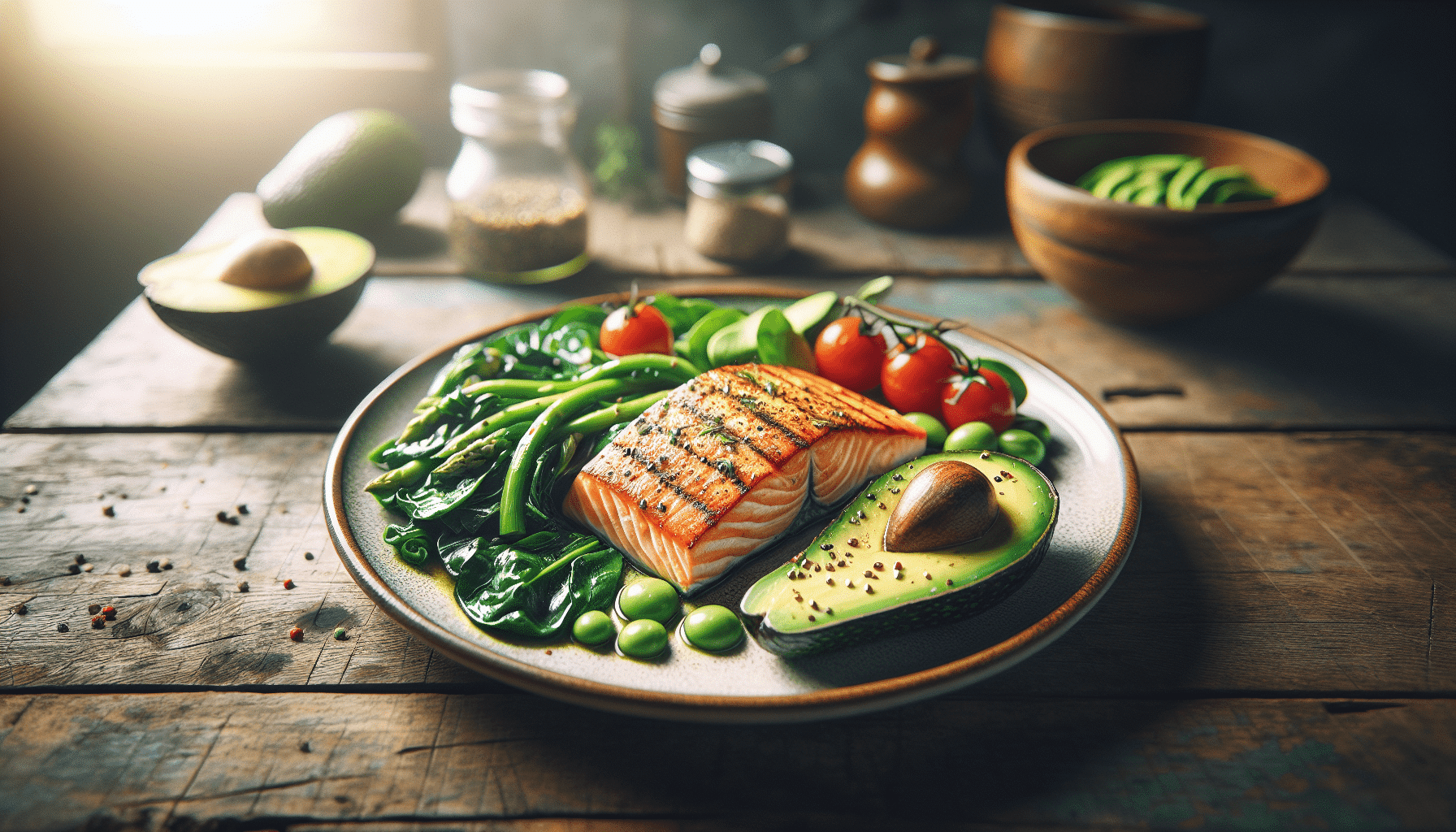
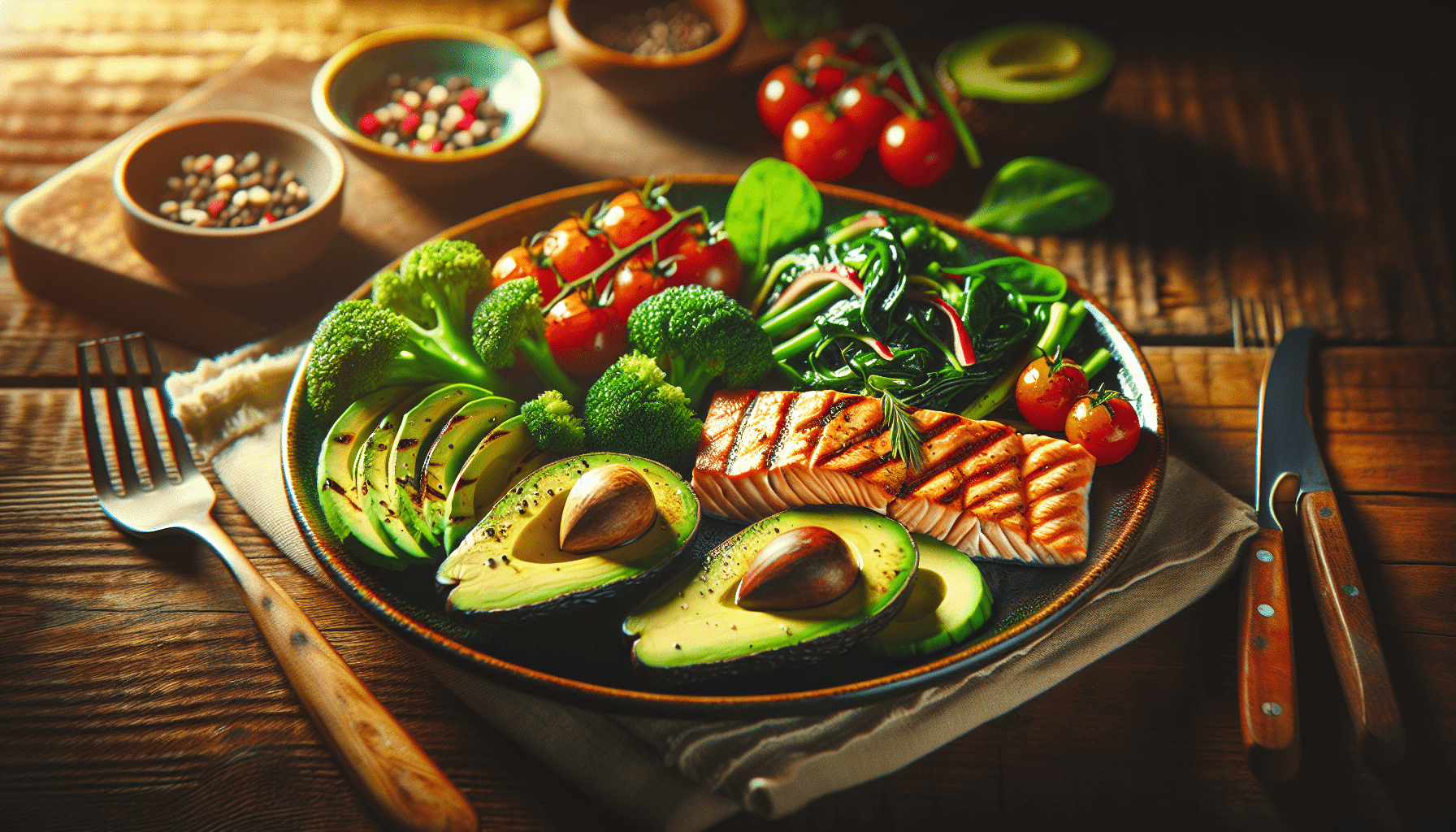
- Fish: Salmon, mackerel, sardines, and other fatty fish
- Low-Carb Vegetables: Leafy greens, bell peppers, mushrooms, and asparagus
- Dairy Products: Cheese, heavy cream, and unsweetened yogurt
- Nuts and Seeds: Almonds, walnuts, chia seeds, and flaxseeds
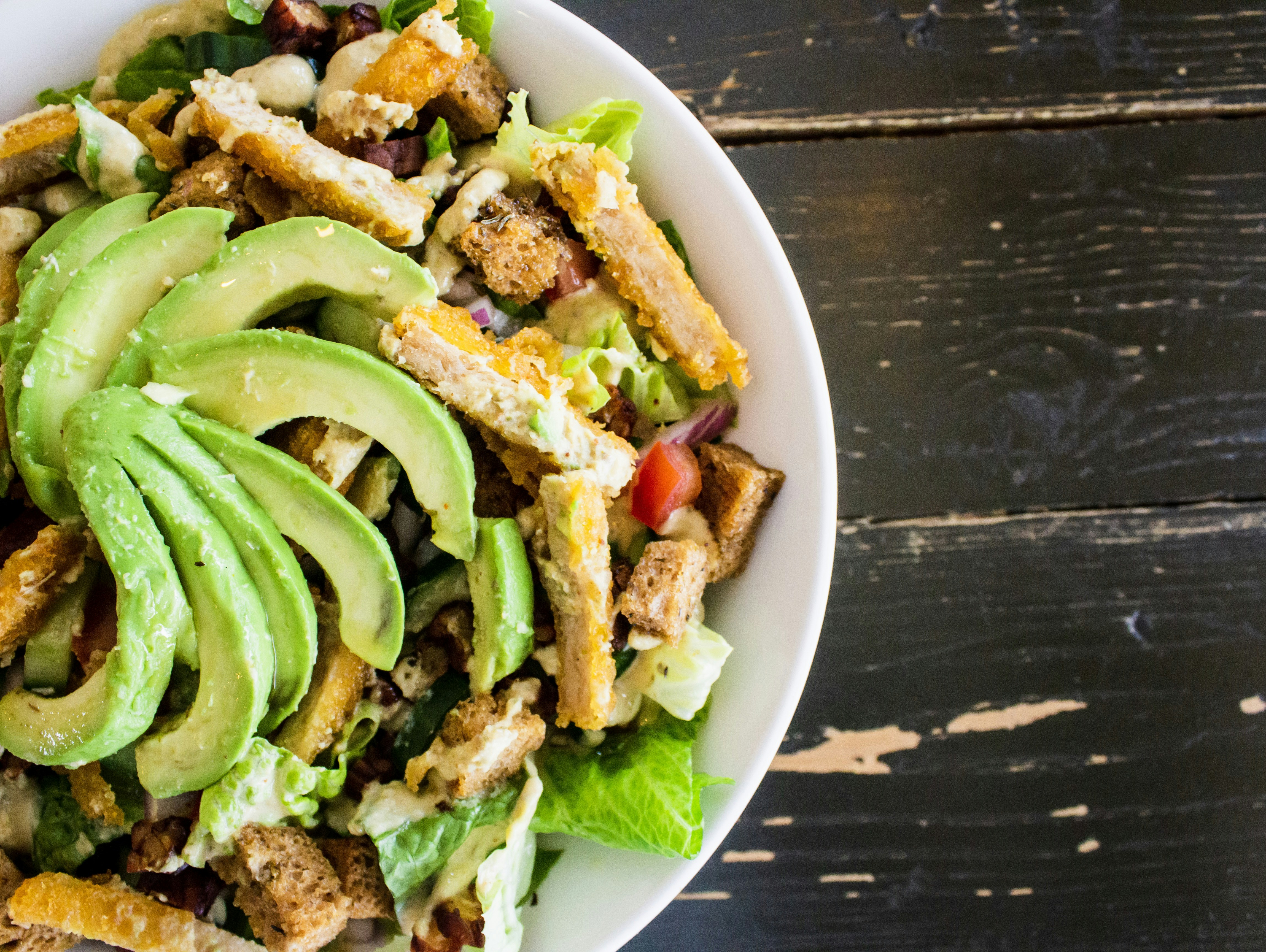
- Healthy Fats: Olive oil, avocado oil, butter, and coconut oil
Foods to Avoid
To maintain your state of ketosis, avoiding certain foods is essential:
| Food Category | Examples |
|---|---|
| Grains | Wheat, rice, oats, and quinoa |
| Sugars | Candy, pastries, and sugary drinks |
| Starchy Vegetables | Potatoes, corn, and peas |
| Unhealthy Fats | Processed oils and trans fats |
| Certain Fruits | Bananas, grapes, and apples |
Being knowledgeable about which foods to avoid will help you steer clear of those sneaky carbs.
Common Challenges You Might Encounter
Starting the keto diet can come with its own set of challenges. Here’s what you might face and how to tackle them.
The Keto Flu
As your body transitions into ketosis, you might experience what’s commonly known as the “keto flu.” Symptoms may include fatigue, headaches, nausea, and irritability. These effects are temporary and usually last a few days.
Tips to Soothe Symptoms:
- Stay hydrated by drinking plenty of water.
- Increase your salt intake to replenish electrolytes.
- Ensure you’re getting enough sleep and managing stress.
Hunger and Cravings
In the early days of the keto diet, you may find yourself battling hunger pangs and cravings for carbs. This is natural, and you can counteract these urges by filling up on high-fat foods.
Snack Ideas:
- Cheese slices or cubes
- Hard-boiled eggs
- A handful of nuts or seeds
How to Maintain Your Keto Lifestyle
Adopting the keto diet isn’t just about the initial loss; it’s about creating sustainable habits. Here are some ways to ensure long-term success.
Track Your Progress
Keep a food journal or use an app to monitor your daily intake and track weight loss. This can help you identify patterns, understand what works best, and stay accountable.
Meal Prep
Being prepared is the key to longevity on the keto diet. Set aside time each week to meal prep, ensuring you have delicious keto-friendly meals ready for busy days.
Stay Flexible
Remember, balance is crucial. If you find yourself straying from your diet occasionally, that’s okay. Allow yourself a treat in moderation without guilt, and then get back on track.
Incorporating Exercise
Physical activity complements the ketogenic diet beautifully. Exercise helps boost weight loss, improves mood, and increases overall health.
Types of Exercises to Consider
It’s important to find activities you enjoy. Here are some ideas:
- Cardiovascular Activities: Running, cycling, and swimming enhance heart health.
- Strength Training: Weight lifting helps build muscle mass and improve metabolism.
- Yoga or Pilates: Great for flexibility and mental clarity.
Timing Your Workouts
Consider timing your workouts strategically. Since the keto diet can influence energy levels, some people find they perform better during lighter workouts or on rest days.
Common Misconceptions About the Keto Diet
Even with its rising popularity, there are misconceptions about the keto diet that are worth addressing.
It’s Just a Fad Diet
Contrary to popular belief, the keto diet has roots in therapeutic practices, having been used for decades to treat conditions like epilepsy. While it may seem trendy, it’s grounded in solid scientific research.
You Can’t Eat Carbs Ever Again
Many think that being on the keto diet means never eating carbs again. However, it’s all about balance. Once you reach your weight loss goals, you can gradually reintroduce carbs into your diet mindfully.
It’s Unhealthy
Some people argue that the high-fat content in the keto diet is unhealthy. However, the focus on healthy fats, combined with reduced sugar intake, often leads to improved health markers for many individuals.
Conclusion
If you’re seeking a transformative experience for your body and mind, the ketogenic diet can be a powerful tool to help you reach your goals. With a clear understanding of how the diet works, what to eat, and how to overcome challenges, you can embark on this journey feeling confident and informed.
Take your time, listen to your body, and remember to focus on creating sustainable habits rather than merely aiming for quick results. Whether your goal is weight loss, improved energy levels, or better health, the keto diet can be a valuable part of your journey. Enjoy your path forward, and stay positive as you discover your best self through the power of keto!