
Keto Diet Plan for Women
The Keto diet plan, short for the ketogenic diet, is a low-carbohydrate, high-fat eating strategy designed to shift your body’s metabolism from burning glucose to burning fat. By drastically reducing your carbohydrate intake and replacing it with fats, you encourage your body to enter a state known as ketosis. In this metabolic state, your body becomes incredibly efficient at burning fat for energy, which can lead to significant weight loss and other health benefits.
The typical macronutrient breakdown for a keto diet consists of approximately 70-75% fats, 20-25% protein, and only about 5-10% carbohydrates. As you embark on this dietary journey, it’s essential to understand that the keto diet is not just a temporary fix but a lifestyle change. It requires careful planning and commitment to ensure that you are consuming the right types of foods while maintaining the correct macronutrient ratios.
This diet can be particularly appealing to those seeking to lose weight quickly or enhance their overall health. However, it’s crucial to approach it with a clear understanding of its principles and potential challenges.
Key Takeaways
- The Keto Diet Plan is a high-fat, low-carb diet that aims to put the body in a state of ketosis, where it burns fat for fuel instead of carbohydrates.
- Women may experience benefits from the Keto Diet Plan, such as weight loss, improved insulin sensitivity, and hormonal balance.
- To start the Keto Diet Plan, one should calculate their macronutrient needs, gradually reduce carb intake, and increase healthy fat consumption.
- Foods to eat on the Keto Diet Plan include meat, fish, eggs, low-carb vegetables, and healthy fats like avocado and olive oil.
- Foods to avoid on the Keto Diet Plan include high-carb foods like grains, sugars, fruits, and starchy vegetables.
Benefits of the Keto Diet Plan for Women
Weight Loss and Hormonal Balance
One of the most significant advantages of the keto diet is its potential for weight loss. Many women struggle with weight management due to hormonal fluctuations, and the keto diet can help stabilize these hormones by reducing insulin levels. When insulin levels drop, your body is more likely to burn stored fat for energy rather than relying on carbohydrates. This can lead to a more effective weight loss journey, especially for those who have faced challenges with traditional dieting methods.
Improved Mental Clarity and Focus
In addition to weight loss, the keto diet may also enhance mental clarity and focus. Many women report experiencing improved cognitive function when following a ketogenic lifestyle. This could be attributed to the brain’s preference for ketones—produced during ketosis—as a more efficient fuel source compared to glucose.
Reduced Anxiety and Depression Symptoms
Furthermore, some studies suggest that the keto diet may help alleviate symptoms of anxiety and depression, making it an appealing option for women seeking both physical and mental well-being.
How to Start the Keto Diet Plan

Starting the keto diet plan can feel overwhelming at first, but with a structured approach, you can ease into this new way of eating. Begin by educating yourself about the macronutrient ratios that define the ketogenic diet. Familiarize yourself with foods that are high in healthy fats, moderate in protein, and low in carbohydrates.
It may be helpful to create a meal plan for the first week or two, ensuring that you have a variety of meals prepared that align with your dietary goals. As you transition into the keto lifestyle, consider gradually reducing your carbohydrate intake rather than making drastic changes overnight. This can help minimize potential side effects such as fatigue or irritability, often referred to as the “keto flu.” Keep track of your food intake using apps or journals to ensure you’re staying within your desired macronutrient ranges.
Additionally, staying hydrated and maintaining a balanced electrolyte level is crucial during this transition period.
Foods to Eat on the Keto Diet Plan
When following the keto diet plan, it’s essential to focus on nutrient-dense foods that will support your health while keeping you satisfied. Healthy fats should be your primary source of energy; consider incorporating avocados, olive oil, coconut oil, and nuts into your meals. These foods not only provide essential fatty acids but also offer vitamins and minerals that are beneficial for overall health.
Protein sources should be chosen wisely as well. Opt for high-quality options such as grass-fed beef, free-range poultry, fatty fish like salmon, and eggs. These foods are not only rich in protein but also contain healthy fats that align with your dietary goals.
Additionally, non-starchy vegetables, such as leafy greens, broccoli, cauliflower, and zucchini, should be staples in your diet. They are low in carbohydrates but high in fiber and essential nutrients, making them perfect companions on your keto journey.
Foods to Avoid on the Keto Diet Plan
To successfully adhere to the keto diet plan, it’s crucial to avoid certain foods that can hinder your progress. The most significant culprits are high-carbohydrate foods such as bread, pasta, rice, and sugary snacks. These items can quickly elevate your carbohydrate intake and prevent your body from entering or maintaining ketosis.
It’s essential to read labels carefully and be mindful of hidden sugars in processed foods. Additionally, starchy vegetables like potatoes and corn should be limited or avoided altogether due to their high carbohydrate content. Even some fruits can be problematic; while berries can be enjoyed in moderation, most other fruits are too high in sugar for a strict ketogenic diet.
By steering clear of these foods and focusing on those that align with your dietary goals, you’ll set yourself up for success on your keto journey.
Tips for Success on the Keto Diet Plan
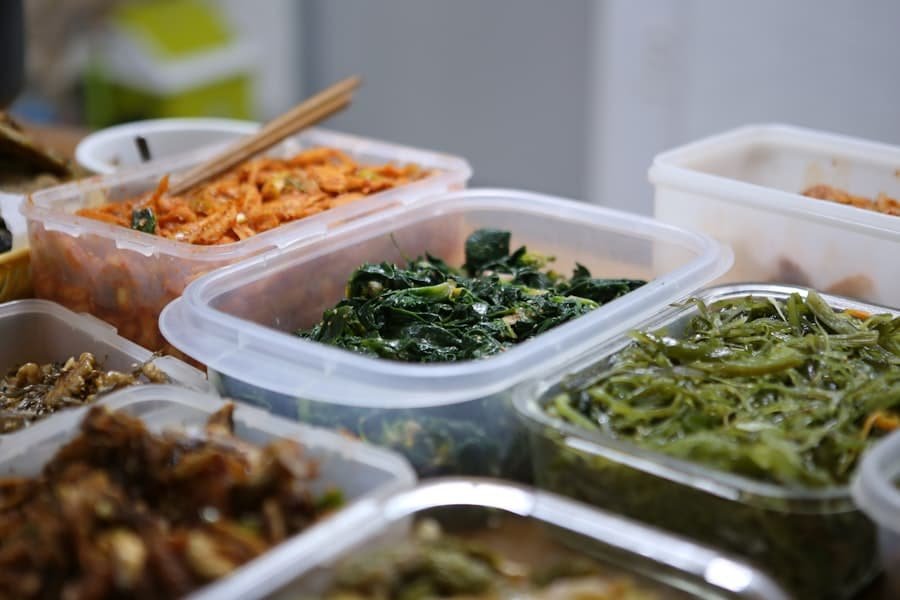
Achieving success on the keto diet plan requires dedication and strategic planning. One practical tip is to meal prep ahead of time. By preparing meals in advance, you can ensure that you always have keto-friendly options available when hunger strikes.
This not only saves time during busy weekdays but also helps you resist the temptation of reaching for non-keto snacks or meals. Another important aspect is to listen to your body and adjust as needed. Everyone’s experience with the keto diet can vary; some may thrive on higher fat intake, while others may need to tweak their protein levels.
Pay attention to how you feel physically and mentally as you progress through the diet. If you feel sluggish or unwell, consider consulting a healthcare professional or a nutritionist specializing in ketogenic diets for personalized guidance.
Potential Side Effects of the Keto Diet Plan for Women
While many women experience positive outcomes from the keto diet plan, it’s essential to be aware of potential side effects that may arise during your journey. One common issue is the “keto flu,” which can occur as your body adjusts to burning fat instead of carbohydrates. Symptoms may include fatigue, headaches, irritability, and digestive discomfort.
These symptoms typically subside within a few days to a week as your body adapts. Another consideration is the potential for nutrient deficiencies that may arise from restricting certain food groups. Since the keto diet limits many fruits and vegetables, it’s vital to ensure you’re still getting adequate vitamins and minerals through supplementation or careful food choices.
Regularly monitoring your health and consulting with a healthcare provider can help mitigate these risks and ensure you’re maintaining overall well-being while following the keto lifestyle.
Is the Keto Diet Plan Right for You?
Ultimately, deciding whether the keto diet plan is right for you depends on your individual health goals and lifestyle preferences. If you’re seeking a structured approach to weight loss or improved mental clarity, this diet may offer significant benefits. However, it’s essential to consider how sustainable this lifestyle change will be for you in the long term.
Before embarking on any new dietary regimen, it’s wise to consult with a healthcare professional or registered dietitian who can provide personalized advice based on your unique circumstances.
They can help you navigate potential challenges and ensure that you’re making informed choices that align with your health objectives. Ultimately, whether you choose to embrace the keto diet or explore other options, prioritizing your health and well-being should always be at the forefront of your decision-making process.
FAQs
What is a keto diet plan for women?
A keto diet plan for women is a low-carbohydrate, high-fat diet that aims to put the body into a state of ketosis, where it burns fat for fuel instead of carbohydrates. This can lead to weight loss and other health benefits.
What foods are included in a keto diet plan for women?
Foods included in a keto diet plan for women typically include high-fat foods such as avocados, nuts, seeds, and oils, as well as moderate amounts of protein from sources like meat, fish, and eggs. Low-carbohydrate vegetables and some dairy products are also included.
What foods should be avoided in a keto diet plan for women?
Foods to avoid in a keto diet plan for women include high-carbohydrate foods such as grains, starchy vegetables, fruits, and foods with added sugars. Processed foods and foods high in trans fats should also be limited.
What are the potential benefits of a keto diet plan for women?
Potential benefits of a keto diet plan for women may include weight loss, improved blood sugar control, and increased levels of HDL (good) cholesterol. Some women also report increased energy levels and mental clarity while following a keto diet.
Are there any potential risks or side effects of a keto diet plan for women?
Potential risks or side effects of a keto diet plan for women may include nutrient deficiencies if the diet is not well-balanced, as well as the “keto flu,” which can cause symptoms such as fatigue, headache, and irritability during the initial transition to ketosis. It’s essential to consult with a healthcare professional before starting a keto diet, especially for women who are pregnant or have certain medical conditions.
RELATED TOPICS ABOUT Keto Diet Plan for Women:
Women’s Keto Diet Plan,
Female Keto Meal Plan,
Ketogenic Diet Plan for Women,
Keto Meal Plan for Women,
Best Keto Plan for Women,
Low Carb Diet Plan for Women,
7 Day Keto Plan for Women,
30 Day Keto Diet Plan for Women,
Weekly Keto Meal Plan for Females,
Monthly Keto Meal Plan Women,
Daily Keto Diet Schedule for Women,
Keto Meal Prep Plan for Women,
Keto Diet Plan for Women to Lose Weight,
Belly Fat Keto Plan for Women,
High Protein Keto Plan for Women,
Keto Plan for Women over 40,
Keto Plan for Women over 50,
Keto Diet Plan for Women with Pcos,
Keto Breakfast Plan for Women,
Keto Dinner Plan for Female Weight Loss,
Keto Recipes for Women,
Easy Keto Meals for Women,
Low Carb Snacks for Women,
Hormone Balancing Keto Diet for Women,
Keto and Women’s Hormonal Health,
Keto Meal Plan for Pcos,
Keto Diet Plan and Estrogen Levels,
Female Fat Loss Keto Plan,
Printable Keto Plan for Women,
Keto Diet Plan for Women Pdf,
Free Keto Meal Plan for Women,
Beginner Keto Plan for Women,
Custom Keto Plan for Women
==========
Content 10/10/G