Keto Diet Protein
The ketogenic diet, commonly referred to as the keto diet, is a low-carbohydrate, high-fat dietary approach that has gained immense popularity in recent years. At its core, the keto diet aims to shift your body’s metabolism from relying on carbohydrates for energy to utilizing fats instead. This metabolic state is known as ketosis, in which your body becomes highly efficient at burning fat for energy.
By drastically reducing your carbohydrate intake and replacing it with healthy fats, you can encourage your body to enter this state, leading to various health benefits, including weight loss and improved mental clarity. As you embark on your keto journey, it’s essential to understand the macronutrient breakdown that characterizes this diet. Typically, a standard keto diet consists of approximately 70-75% fats, 20-25% protein, and only about 5-10% carbohydrates.
This unique ratio is what sets the keto diet apart from other dietary approaches. By limiting carbohydrates, you not only reduce insulin levels but also promote the production of ketones, which serve as an alternative energy source for your brain and body. Understanding these fundamental principles will help you navigate the complexities of the keto diet and make informed choices about your food intake.
Key Takeaways
- The keto diet is a high-fat, low-carb diet that aims to put the body into a state of ketosis, where it burns fat for fuel instead of carbohydrates.
- Protein is essential on the keto diet for maintaining muscle, supporting immune function, and promoting satiety; however, it’s crucial to consume it in moderation to prevent hindering ketosis.
- The best sources of protein for the keto diet include meat, poultry, fish, eggs, and dairy products, as well as plant-based options like tofu and tempeh.
- It’s recommended to consume around 20-25% of your daily calories from protein on the keto diet, which equates to roughly 0.6-0.8 grams of protein per pound of body weight.
- Protein supplements, such as whey protein, collagen peptides, and plant-based protein powders, can be helpful in meeting protein needs on the keto diet. However, it’s essential to choose products with minimal added sugars and carbohydrates.
Importance of Protein in the Keto Diet
While the keto diet emphasizes high-fat consumption, protein plays a crucial role in maintaining overall health and supporting your body’s functions. Protein is essential for building and repairing tissues, producing enzymes and hormones, and supporting immune function. On a keto diet, adequate protein intake is vital to prevent muscle loss, especially as you transition into ketosis.
When your body is deprived of carbohydrates, it may start breaking down muscle tissue for energy if protein intake is insufficient. Moreover, protein has a satiating effect that can help you feel full longer, which is particularly beneficial when you’re trying to manage your weight. By incorporating enough protein into your meals, you can curb cravings and reduce the likelihood of overeating.
This balance is essential for maintaining a healthy lifestyle while adhering to the principles of the keto diet. Therefore, understanding the importance of protein will empower you to make better dietary choices that align with your health goals.
Best Sources of Protein for the Keto Diet

When following a keto diet, it’s crucial to choose protein sources that are not only rich in protein but also low in carbohydrates. Animal-based proteins are often the best options for those on a keto diet. Foods such as grass-fed beef, pork, chicken, turkey, and fatty fish like salmon are excellent choices.
These sources not only provide high-quality protein but also contain healthy fats that align perfectly with the macronutrient ratios of the keto diet. In addition to animal proteins, there are also plant-based options that can fit into your keto lifestyle. While many plant proteins have a higher carbohydrate content, specific options, such as tofu, tempeh, and seitan, can be included in moderation.
Eggs are another fantastic source of protein that is versatile and easy to incorporate into various meals. They are low in carbs and high in healthy fats, making them an ideal choice for breakfast or as a snack. By diversifying your protein sources, you can ensure that you’re getting a wide range of nutrients while sticking to your keto goals.
How Much Protein to Consume on the Keto Diet
Determining the right amount of protein to consume on a keto diet can be challenging, as individual needs vary based on factors such as age, gender, activity level, and overall health goals. Generally speaking, most people on a keto diet aim for a protein intake of around 20-25% of their total daily caloric intake. This typically translates to approximately 0.6 to 1 gram of protein per pound of lean body mass.
For example, if you weigh 150 pounds and have a lean body mass of 120 pounds, you would aim for about 72 to 120 grams of protein per day. It’s essential to listen to your body and adjust your protein intake based on how you feel and your progress on the diet. If you’re engaging in regular exercise or strength training, you may require more protein to support muscle recovery and growth.
Conversely, if you find yourself feeling sluggish or experiencing digestive issues, it may be worthwhile to reassess your protein intake. Keeping track of your macronutrient ratios can help you find the right balance that works for you while ensuring you remain in ketosis.
Protein Supplements for the Keto Diet
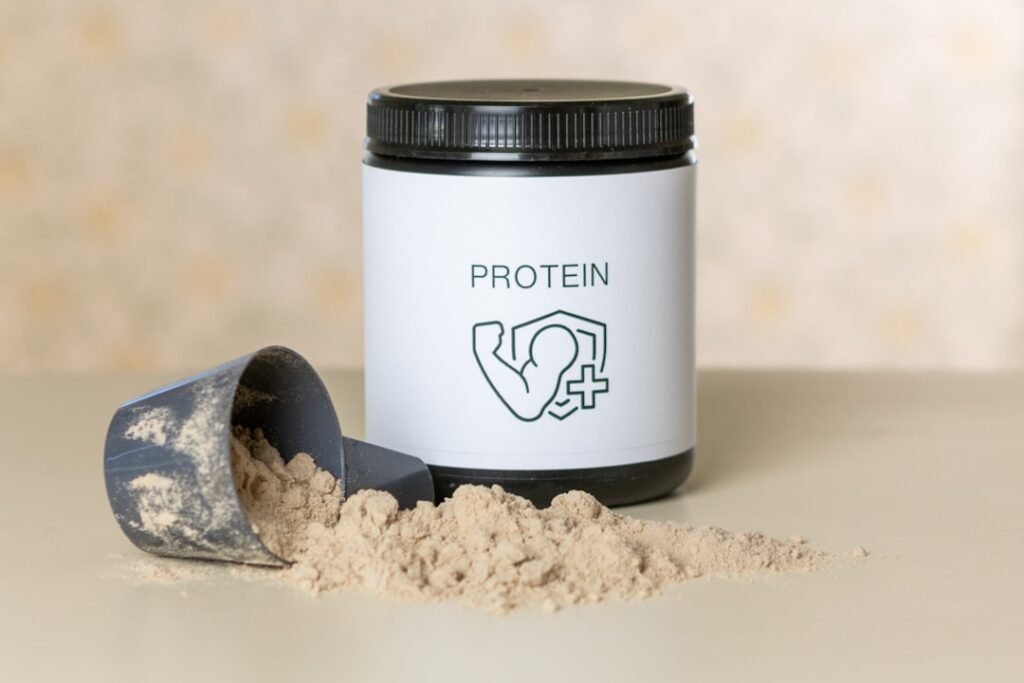
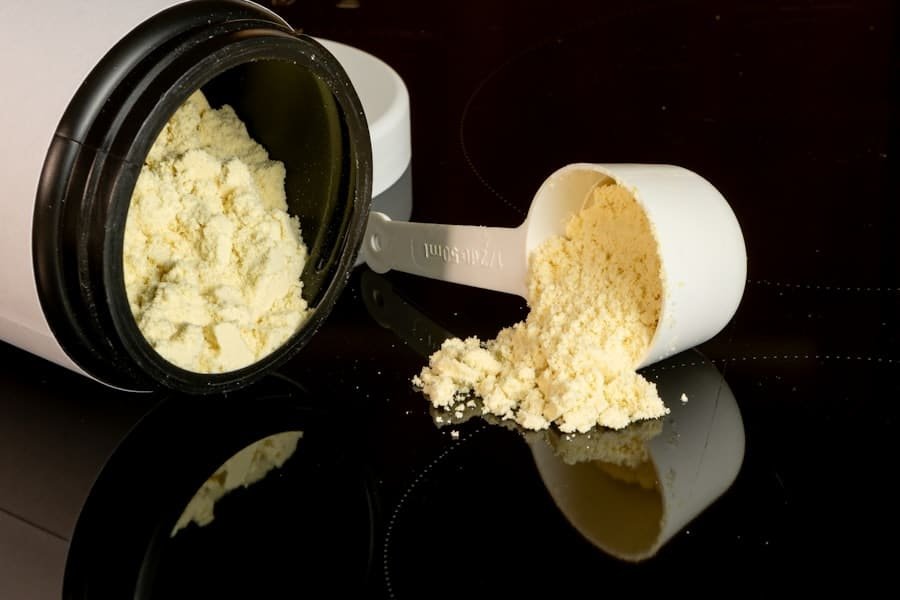
Incorporating protein supplements into your keto diet can be a convenient way to meet your daily protein needs while staying within your carbohydrate limits. Protein powders come in various forms, including whey, casein, egg white, and plant-based options like pea or hemp protein. When selecting a protein supplement, it’s essential to choose one that is low in carbohydrates and free from added sugars or fillers that could disrupt your ketosis.
Whey protein isolate is a popular choice among those on a keto diet due to its high bioavailability and rapid absorption rate. It’s an excellent option for post-workout recovery or as a quick snack when you’re on the go. If you prefer plant-based options, look for protein powders that are specifically formulated for low-carb diets.
These supplements can help you easily increase your protein intake while keeping your carbohydrate consumption in check.
Balancing Protein with Fat and Carbohydrates on the Keto Diet
Achieving the right balance between protein, fat, and carbohydrates is crucial for success on the keto diet. While protein is essential for muscle maintenance and overall health, it’s vital not to overconsume it at the expense of fats. Since fats are the primary source of energy on a keto diet, they should make up the majority of your caloric intake.
Striking this balance ensures that you remain in ketosis while still reaping the benefits of a balanced protein intake. To maintain this balance, consider planning your meals around healthy fats while incorporating moderate amounts of protein. For instance, when preparing a meal, focus on including fatty cuts of meat or fish alongside non-starchy vegetables cooked in olive oil or butter.
This approach allows you to enjoy satisfying meals that keep you full while adhering to your macronutrient goals. Additionally, tracking your food intake using apps or journals can help you visualize how well you’re balancing these macronutrients throughout the day.
Potential Risks of Consuming Too Much Protein on the Keto Diet
While protein is an essential component of the keto diet, consuming too much can lead to potential risks that may hinder your progress or negatively impact your health. One concern is that excessive protein intake can lead to gluconeogenesis—a process where the body converts excess amino acids into glucose. This can potentially kick you out of ketosis if carbohydrate levels are already low.
Moreover, excessive protein consumption may strain your kidneys over time, especially if you have pre-existing kidney issues. It’s crucial to monitor your overall health and consult with a healthcare professional if you have any concerns about your protein intake or kidney function. Striking a balance is key; by focusing on moderate protein consumption while prioritizing healthy fats and low-carb vegetables, you can enjoy the benefits of the keto diet without compromising your health.
Tips for Incorporating Protein into Keto-Friendly Meals
Incorporating adequate protein into your meals while following a keto diet doesn’t have to be complicated or tedious. Start by planning your meals around high-protein foods that align with your dietary goals. For breakfast, consider options like scrambled eggs with spinach and cheese or a smoothie made with unsweetened almond milk and a scoop of low-carb protein powder.
For lunch and dinner, focus on lean meats, such as grilled chicken or fatty fish, paired with non-starchy vegetables sautéed in olive oil or butter. You can also experiment with different cooking methods, such as grilling or roasting, to enhance flavors without adding unnecessary carbs. Snacks can include hard-boiled eggs, cheese slices, or even beef jerky—just be sure to check labels for hidden sugars.
By being mindful of your food choices and planning, you can easily incorporate sufficient protein into your keto meals while enjoying a variety of flavors and textures. Remember that meal prep can be an invaluable tool; preparing meals in advance allows you to stay on track with your dietary goals even during busy days. In conclusion, understanding the role of protein within the framework of the ketogenic diet is essential for achieving optimal results.
By focusing on high-quality sources of protein and adopting a balanced approach to fats and carbohydrates, you can enjoy the benefits of this popular dietary strategy while supporting your overall health and well-being.
FAQs
What is the keto diet?
The keto diet is a high-fat, low-carbohydrate diet that has been shown to help with weight loss and improve certain health conditions.
What role does protein play in the keto diet?
Protein is a crucial macronutrient that plays a vital role in the keto diet. It helps to maintain muscle mass, support overall health, and keep you feeling full and satisfied.
How much protein should you consume on a keto diet?
The amount of protein needed on a keto diet can vary depending on individual factors such as age, weight, and activity level. However, a general guideline is to consume between 20% and 25% of your daily calories from protein.
What are some good sources of protein on a keto diet?
Good sources of protein on a keto diet include meat, poultry, fish, eggs, and dairy products. Plant-based sources such as tofu, tempeh, and certain nuts and seeds can also be included.
Can consuming too much protein kick you out of ketosis?
Consuming excessive amounts of protein can potentially kick you out of ketosis, as the body can convert excess protein into glucose through a process called gluconeogenesis. It’s essential to balance protein intake with fat and monitor your overall macronutrient intake.
What are the potential risks of not consuming enough protein on a keto diet?
Not consuming enough protein on a keto diet can lead to muscle loss, weakness, and a compromised immune system. It’s essential to ensure that you are getting an adequate amount of protein to support your body’s needs.
RELATED TOPICS ABOUT Keto Diet Protein:
Protein on Keto Diet,
Keto Protein,
Ketogenic Protein Sources,
Keto Approved Protein,
Best Protein for Keto,
Low Carb Protein Foods,
Keto Protein Foods,
High Protein Keto Meals,
Animal Protein for Keto,
Plant Based Protein Keto,
Protein Snacks for Keto,
Lean Protein on Keto,
Keto Protein Powder,
Low Carb Protein Shakes,
Best Protein Supplements for Keto,
Whey Protein for Keto,
Collagen Protein Keto,
Keto Friendly Protein Bars,
How Much Protein on Keto,
Keto Protein Fat Ratio,
Too Much Protein on Keto,
Protein Intake for Ketosis,
High Protein Keto Diet,
Keto Protein Macros,
Keto Protein for Muscle Gain,
Keto Protein for Weight Loss,
Protein Needs on Keto for Women,
Keto Protein for Seniors,
Diabetic Friendly Keto Protein,
Printable List of Keto Protein Foods,
Keto Protein Chart,
Keto Diet Plan with Protein Focus,
Keto Protein Guide Pdf,
Protein Meal Plan for Keto
==========
Content 10/10/G