
Have you been wondering what you can eat to maximize the results of your Keto diet? The ketogenic diet is a popular low-carb, high-fat eating plan that promises various benefits, including weight loss, increased energy, and improved mental clarity. But with so many options available, it can be confusing to know what foods truly align with your goals. Let’s break it down together!
Understanding the Keto Diet
Before we get into specific foods, it’s important to grasp the basics of the Keto diet. At its core, this diet focuses on significantly reducing carbohydrate intake while boosting fats. This shift encourages your body to enter a state known as ketosis, where it burns fat for energy instead of carbohydrates.
The Importance of Ketosis
When you follow a low-carb diet, your body depletes its glucose stores and turns to fat for fuel instead. This transition to combustion of fat yields ketones, which become your primary energy source. Staying in ketosis is essential for experiencing the full benefits of the Keto diet.
Macronutrient Breakdown
To make the Keto diet work effectively, understanding the balance of macronutrients is critical:
- Fats: 70-75% of your total daily calories
- Proteins: 20-25%
- Carbohydrates: 5-10%
This ratio allows your body to stay in a metabolic state of ketosis. It also helps ensure that your body has enough energy while preventing it from reaching for carbohydrates.
Foods to Eat on a Keto Diet
Choosing the right foods is crucial for maximizing your results. Below, you’ll find a detailed breakdown of various categories of food that fit well into your Keto lifestyle.
Healthy Fats
One of the mainstays of the Keto diet is healthy fats. These are the foundation of your meals and snacks:
- Avocados: Packed with monounsaturated fat and fiber, avocados are a delicious way to add creaminess to your dishes.
- Olive Oil: A staple in Mediterranean diets, olive oil is perfect for salad dressings and sautéing vegetables.
- Coconut Oil: Contains medium-chain triglycerides (MCTs), which can provide a quick source of energy and may help enhance performance.
- Nuts and Seeds: Almonds, walnuts, chia seeds, and flaxseeds are great sources of healthy fats and can be added to smoothies or eaten as snacks.
Proteins
Your protein sources should also be carefully chosen to align with your Keto goals:
Animal-Based Proteins
- Meats: Grass-fed beef, pork, and lamb are excellent choices. These meats are high in protein and contain healthy fats.
- Poultry: Chicken, turkey, and eggs are versatile proteins that can be incorporated into countless meals.
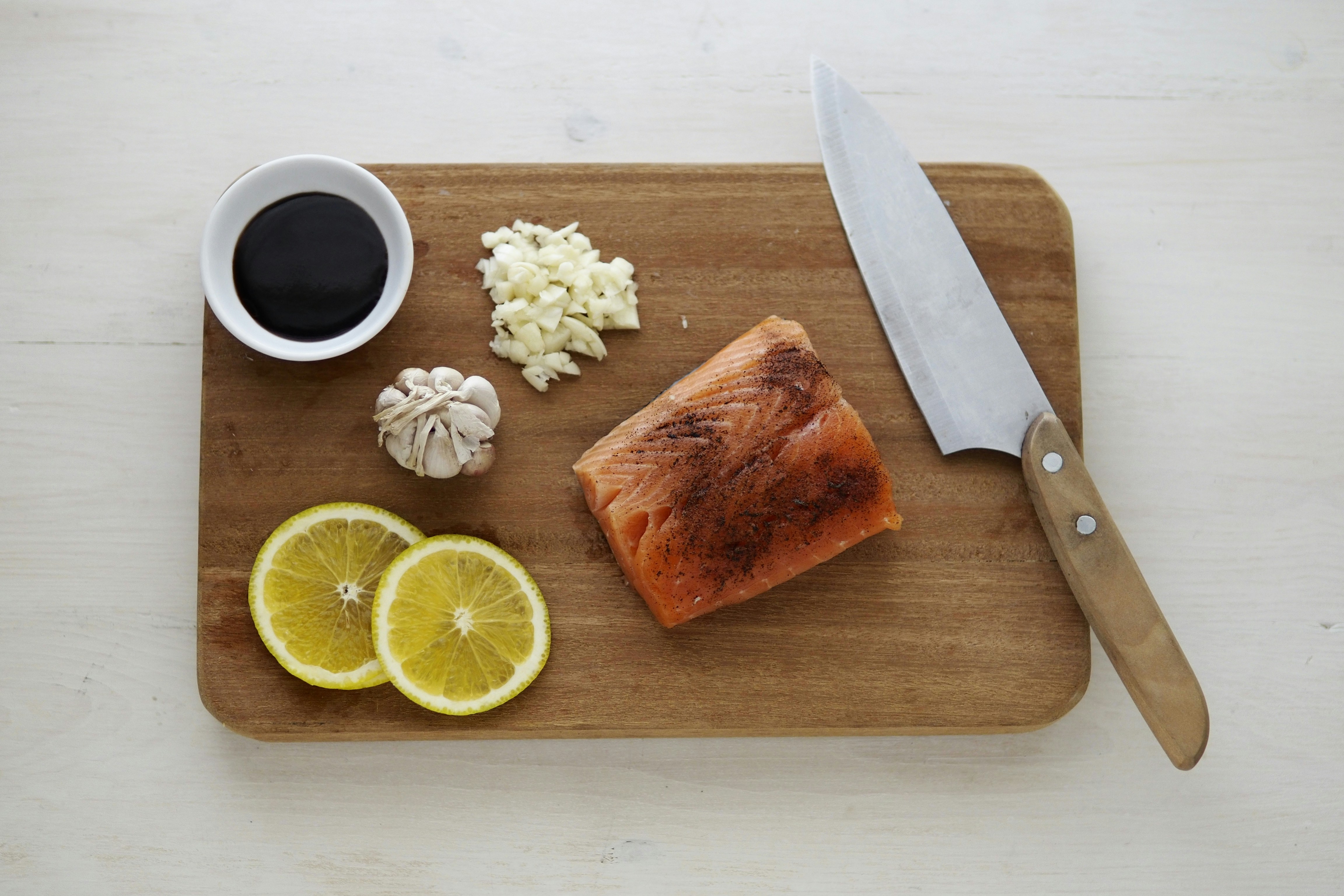
- Fish: Fatty fish, like salmon, trout, and sardines, are rich in omega-3 fatty acids and support heart health.
Plant-Based Proteins
For those following a more plant-based approach, consider these options:
- Tofu and Tempeh: These soy products are good protein sources and can be prepared in various ways.
- Seitan: Made from wheat gluten, this meat substitute is protein-heavy and versatile but should be avoided if gluten-sensitive.
Low-Carbohydrate Vegetables
While on a Keto diet, it’s essential to eat plenty of low-carb vegetables to meet your nutritional needs. Here are some great choices:
- Leafy Greens: Spinach, kale, and Swiss chard are nutrient-dense and extremely low in carbs.
- Cruciferous Vegetables: Broccoli, cauliflower, and Brussels sprouts are packed with fiber and essential vitamins.
- Zucchini: This is a versatile vegetable perfect for spiralizing into “noodles” for a low-carb alternative to pasta.
Dairy Products
Many dairy products can fit well within a Keto regime, but be cautious about hidden sugars:
- Cheese: Cheddar, mozzarella, and cream cheese can add flavor and creaminess to your meals.
- Greek Yogurt: Choose full-fat, unsweetened varieties for a delicious breakfast or snack.
- Heavy Cream: This can be used in coffee or recipes to add richness without extra carbs.
Berries
Fruits tend to be high in sugar, making them a challenge on a Keto diet. However, some berries can be enjoyed in moderation:
- Strawberries: These are lower in carbs compared to other fruits and can make a refreshing snack or topping.
- Raspberries: With their richness in fiber, they add a tart flavor to your meal.
- Blackberries: These are another low-carb option that can satisfy your sweet tooth when on the Keto diet.
Foods to Avoid on a Keto Diet
Knowing what to eat is crucial, but understanding what to avoid is just as important. Here’s a list of foods that you should steer clear of to maximize the effectiveness of your Keto diet.
High-Carbohydrate Foods
These items are high in sugars and must be significantly reduced or avoided entirely:
- Grains: Bread, pasta, rice, and cereal are all major sources of carbohydrates.
- Sugary Foods: Candy, desserts, and soft drinks are loaded with sugars that can sabotage your ketosis.
- Fruits: Most fruits are too high in carbs to fit within a standard Keto plan—focus only on the low-carb options mentioned earlier.
Processed Foods
Processed foods often contain hidden sugars and unhealthy fats, making them unsuitable for a Keto diet:
- Fast Food: These options are typically high in carbs and unhealthy fats.
- Snack Bars: Many marketed as healthy can contain added sugars that hinder your progress.
Starchy Vegetables
Certain vegetables can also be problematic on a Keto diet:
- Potatoes and Sweet Potatoes: These are high in starch and carbs, so it’s best to avoid them.
- Corn: Whether on the cob or as cornmeal, corn is not Keto-friendly.
Meal Ideas for Your Keto Diet
Sometimes it can be hard to know how to plan your meals when following a Keto diet. Here are some meal ideas that can keep you on track while being delicious.
Breakfast
- Keto Omelet: Use eggs, spinach, and cheese for a filling breakfast that starts your day right.
- Chia Seed Pudding: Mix chia seeds with heavy cream and let it sit overnight for a nutritious meal.
Lunch
- Salad with Avocado and Chicken: Toss together leafy greens, diced chicken, avocado, and a drizzle of olive oil for a satisfying lunch.
- Zucchini Noodles with Pesto: Spiralize zucchini and toss with homemade or store-bought Keto-friendly pesto.
Dinner
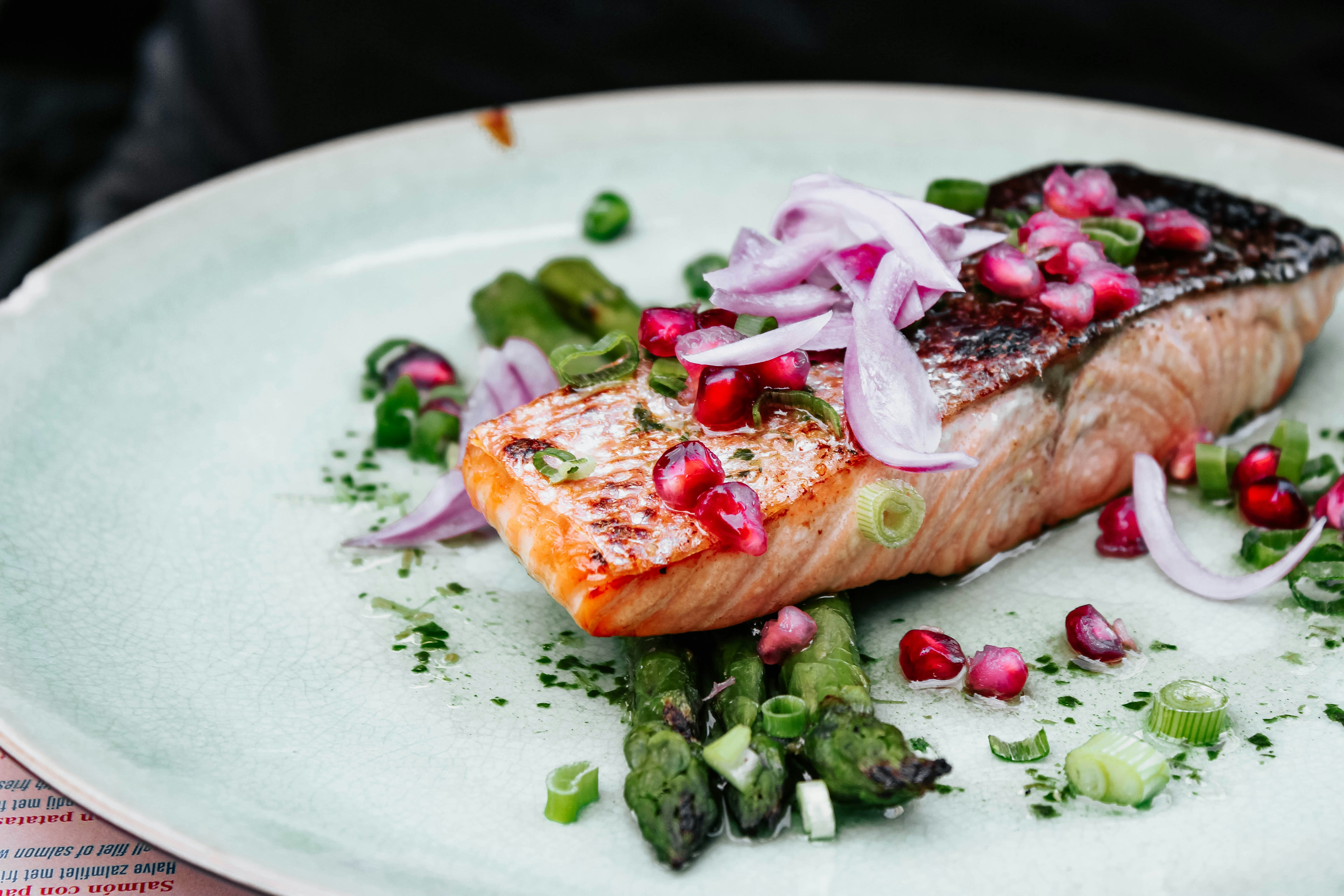
- Grilled Salmon with Asparagus: Serve grilled salmon over a bed of asparagus sautéed in olive oil for a nutrient-rich dinner.
- Cauliflower Rice Stir-Fry: Use cauliflower rice and your favorite veggies, eggs, and protein for a delightful stir-fry.
Snacks
- Nuts and Seeds: A small handful of mixed nuts is a great on-the-go snack.
- Cheese Crisps: Bake shredded cheese into crispy snacks for a savory treat.
Drinks on a Keto Diet
Not all beverages are created equal on a Keto diet. Staying hydrated is important, so here are some beverages that fit your dietary needs.
Water
Water should be your primary beverage throughout the day. Hydration is key for energy levels and overall well-being.
Coffee
Coffee can be enjoyed in moderation without added sugars. You might also consider:
- Bulletproof Coffee: This mixture of coffee, butter, and MCT oil can provide a great energy boost.
Herbal Teas
Unsweetened herbal teas add variety and can be comforting, especially during cooler months.
Bone Broth
Bone broth is nutrient-dense and offers electrolytes, which can be beneficial while following a low-carb diet.
Supplements to Consider
While it’s always best to get nutrients from whole foods, some supplements can enhance your experience on the Keto diet.
Electrolytes
When transitioning to a Keto diet, your body may excrete more electrolytes. Consider supplementing with:
- Potassium: Helps regulate fluid balance and maintain proper muscle function.
- Magnesium: Supports energy production and can help with muscle cramps.
- Sodium: Important for maintaining hydration levels.
Omega-3 Fatty Acids
If you don’t consume enough fatty fish, consider omega-3 supplements to support heart health and reduce inflammation.
Multivitamins
A good quality multivitamin can help to fill any nutritional gaps.

Troubleshooting Common Issues
Starting any new diet can come with challenges, especially during the initial phase. Here are some common issues you might face on the Keto diet and solutions to help you overcome them.
Keto Flu
Some newcomers may experience flu-like symptoms known as the “Keto flu.” These symptoms can include headaches, fatigue, and irritability. To ease this transition:
- Stay hydrated and ensure you’re getting enough electrolytes.
- Gradually decrease carbs rather than cutting them all at once.
Plateaus
Weight loss plateaus are common. If you find that your results have stalled, consider:
- Tracking your food intake to ensure you’re staying within your macronutrient ratios.
- Adjusting portion sizes or incorporating intermittent fasting.
Cravings
Cravings for sugary foods may arise, especially during the first few weeks. To manage this:
- Keep busy and find distractions during cravings.
- Opt for healthy, low-carb snacks to satisfy your sweet tooth.
Final Thoughts
The Keto diet can indeed yield fantastic results, but understanding what you can eat and how to optimize your meals is key. By focusing on healthy fats, moderate proteins, and low-carb vegetables, you can create delicious dishes that support your dietary goals.
Stay patient and kind to yourself during this process. Your journey toward better health and wellness is unique, and by embracing this diet, you’re taking significant steps in a positive direction. Remember to listen to your body, make adjustments as needed, and most importantly, enjoy the flavors and benefits that a Keto lifestyle brings to your plate!






