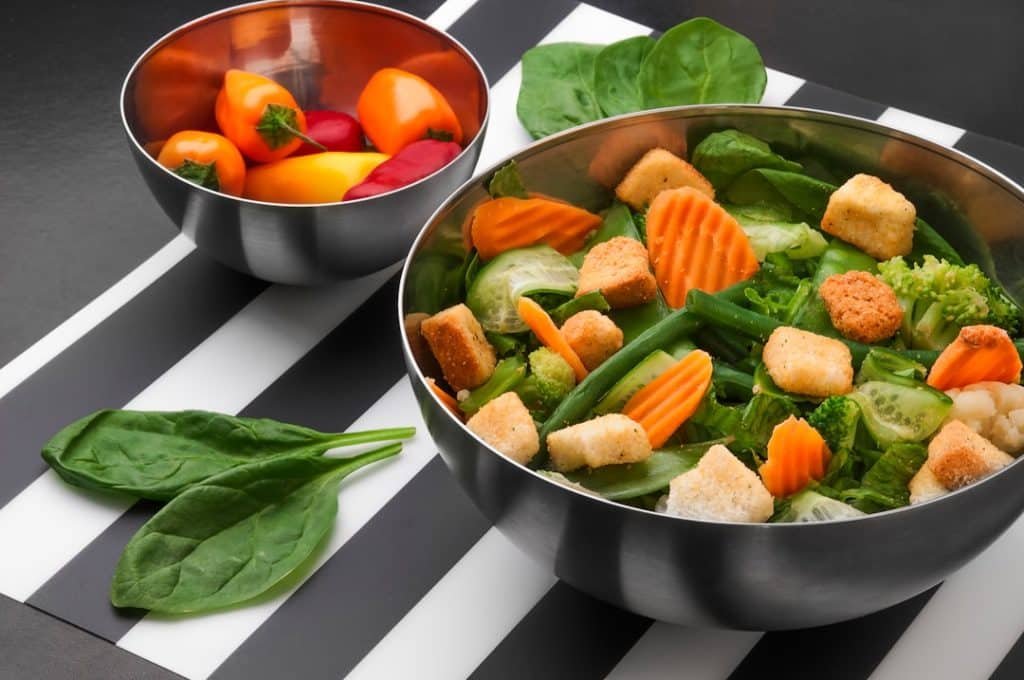
The ketogenic diet, often referred to as the keto diet, is a low-carbohydrate, high-fat eating plan that has gained immense popularity in recent years. At its core, the keto diet aims to shift your body’s metabolism from burning carbohydrates for energy to burning fat. This metabolic state is known as ketosis, where your body becomes highly efficient at converting fat into ketones, which serve as an alternative energy source.
By drastically reducing your carbohydrate intake and replacing it with healthy fats, you can potentially experience weight loss, improved mental clarity, and increased energy levels. As you embark on this dietary journey, it’s essential to understand the fundamental principles of the keto diet. Typically, a standard keto diet consists of approximately 70-75% fats, 20-25% protein, and only about 5-10% carbohydrates.
This significant reduction in carbs forces your body to adapt to a new way of fueling itself. However, transitioning into ketosis can be challenging and may come with side effects commonly referred to as the “keto flu,” which can include fatigue, headaches, and irritability. Understanding these aspects will help you navigate the initial stages of the diet more effectively.
Key Takeaways
- The keto diet focuses on high fat, moderate protein, and low carbohydrate intake to induce ketosis for weight loss and other health benefits.
- Foods to avoid on the keto diet include sugary snacks, grains, starchy vegetables, and high-carb fruits.
- Processed and sugary foods to steer clear of include candy, soda, and baked goods that are high in carbohydrates.
- Starchy vegetables and grains to avoid include potatoes, corn, rice, and pasta due to their high carbohydrate content.
- Hidden carbohydrates in condiments and sauces can derail the keto diet, so it’s important to read labels and choose low-carb options.
Foods to Avoid on the Keto Diet
When you decide to follow the keto diet, it’s crucial to be aware of the foods that can hinder your progress. The primary goal is to keep your carbohydrate intake low, which means avoiding foods that are high in sugars and starches. This includes not only obvious culprits like bread and pasta but also many processed foods that may contain hidden sugars.
By steering clear of these items, you can maintain a state of ketosis and reap the benefits of the diet. In addition to high-carb foods, you should also be cautious about certain types of fats. While healthy fats are encouraged on the keto diet, trans fats and unhealthy oils can sabotage your efforts.
Foods like margarine, certain fried foods, and processed snacks often contain these harmful fats. By focusing on whole, unprocessed foods and healthy fat sources such as avocados, olive oil, and nuts, you can create a sustainable and enjoyable keto meal plan.
Processed and Sugary Foods to Steer Clear of
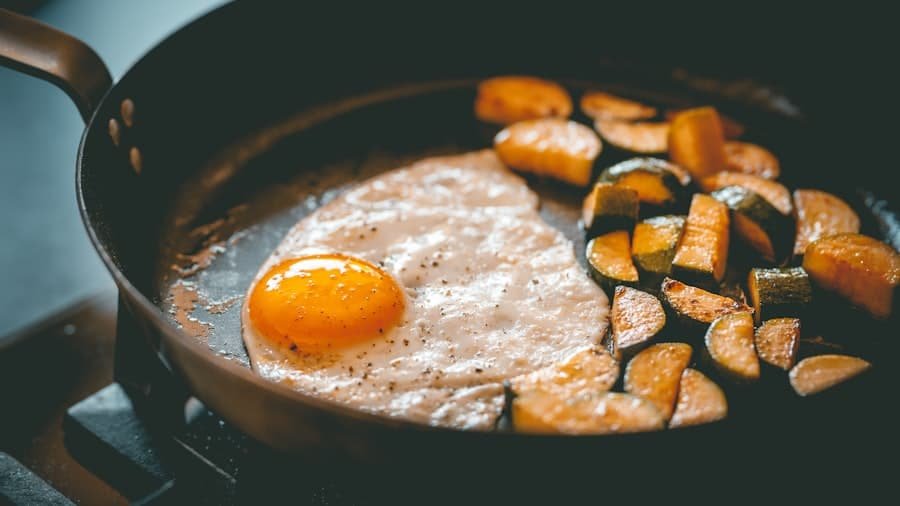
Processed foods are often laden with hidden sugars and unhealthy additives that can derail your keto journey. Items such as sugary cereals, snack bars, and pre-packaged meals may seem convenient but are typically high in carbohydrates. These foods can spike your blood sugar levels and kick you out of ketosis, making it essential to read labels carefully.
When shopping for groceries, opt for whole foods that are minimally processed to ensure you’re sticking to your dietary goals. Sugary beverages are another category to avoid while on the keto diet. Sodas, fruit juices, and sweetened teas can contain a surprising amount of sugar that can quickly add up and exceed your daily carb limit.
Instead of reaching for these sugary drinks, consider hydrating with water, herbal teas, or black coffee. By making these small changes in your beverage choices, you can significantly impact your overall carbohydrate intake and support your keto lifestyle.
Starchy Vegetables and Grains to Avoid
While vegetables are an essential part of any healthy diet, not all vegetables are created equal when it comes to the keto diet. Starchy vegetables like potatoes, corn, and peas are high in carbohydrates and should be avoided or limited significantly. Instead, focus on non-starchy vegetables such as leafy greens, broccoli, cauliflower, and zucchini.
These options are not only lower in carbs but also packed with essential nutrients that support overall health. Grains are another major source of carbohydrates that you’ll need to eliminate or minimize on the keto diet. Foods like rice, bread, pasta, and cereals can quickly add up in terms of carb content.
If you’re looking for alternatives, consider using cauliflower rice or zucchini noodles as substitutes in your favorite dishes. By being mindful of your vegetable and grain choices, you can stay within your carb limits while still enjoying a variety of flavors and textures in your meals.
Hidden Carbohydrates in Condiments and Sauces
When following a keto diet, it’s easy to overlook condiments and sauces as potential sources of hidden carbohydrates. Many popular condiments like ketchup, barbecue sauce, and salad dressings contain added sugars that can significantly increase your carb intake without you even realizing it. It’s essential to read ingredient labels carefully and choose options that are low in sugar or make your own at home using keto-friendly ingredients.
Additionally, some sauces may contain starches or thickeners that contribute to their carbohydrate content. For example, soy sauce is generally low in carbs but can vary by brand due to added sugars or other ingredients. Opting for homemade sauces or those specifically labeled as keto-friendly can help you avoid unnecessary carbs while still adding flavor to your meals.
Fruits and Sweeteners to Limit or Avoid
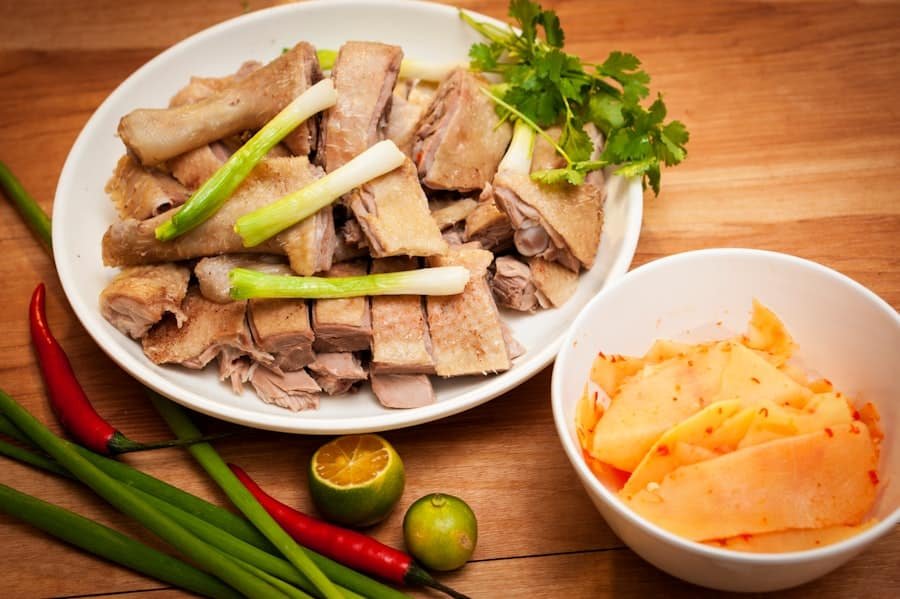
Fruits are often considered healthy but can be surprisingly high in sugar and carbohydrates. While berries like strawberries and raspberries can be enjoyed in moderation due to their lower sugar content, many other fruits should be limited or avoided altogether on the keto diet. Bananas, grapes, apples, and oranges are examples of fruits that can quickly push you over your carb limit.
If you crave something sweet, consider using small amounts of berries or opting for low-carb fruit alternatives. Sweeteners also play a significant role in maintaining ketosis. While some artificial sweeteners may be low in carbs, others can have a higher glycemic index that could affect your blood sugar levels.
It’s best to stick with natural sweeteners like stevia or erythritol that have minimal impact on insulin levels. By being mindful of both fruits and sweeteners, you can satisfy your sweet tooth without compromising your keto goals.
Dairy Products to Be Cautious of
Dairy products can be a great source of fat and protein on the keto diet; however, not all dairy is created equal. Full-fat dairy options like cheese, heavy cream, and butter are generally acceptable due to their low carbohydrate content. On the other hand, certain dairy products like milk and yogurt can contain higher amounts of lactose—a natural sugar that contributes to carb counts.
If you enjoy dairy products, opt for full-fat versions and check labels for added sugars. Additionally, some individuals may find that they are sensitive to dairy while on the keto diet. If you experience digestive issues or discomfort after consuming dairy products, it may be worth considering alternatives such as almond milk or coconut yogurt.
By paying attention to how your body reacts to different dairy options, you can tailor your diet to suit your individual needs while still enjoying the benefits of healthy fats.
Nuts and Seeds to Monitor Intake of
Nuts and seeds are often touted as healthy snacks on the keto diet due to their high-fat content; however, they can also be calorie-dense and contain varying amounts of carbohydrates. While options like macadamia nuts and pecans are lower in carbs compared to others like cashews or peanuts, it’s essential to monitor portion sizes carefully. Overindulging in nuts can lead to exceeding your daily carb limit without realizing it.
To make the most of nuts and seeds on the keto diet, consider incorporating them into meals rather than consuming them mindlessly as snacks. Adding a handful of nuts to salads or using seeds in homemade granola can provide healthy fats while keeping your carb intake in check. By being mindful of portion sizes and choosing lower-carb options, you can enjoy the benefits of nuts and seeds without compromising your dietary goals.
Beverages to Avoid on the Keto Diet
When it comes to beverages on the keto diet, many popular drinks are off-limits due to their high sugar content. Sugary sodas, sweetened coffees, energy drinks, and even certain smoothies can quickly add up in carbohydrates. Instead of reaching for these sugary options, focus on hydrating with water—plain or infused with lemon or cucumber for added flavor.
If you enjoy coffee or tea, consider drinking them black or with a splash of heavy cream instead of sugary creamers or flavored syrups. Herbal teas are also a great option for variety without added carbs. By making conscious choices about what you drink throughout the day, you can stay hydrated while keeping your carb intake low.
Pre-Packaged and Convenience Foods to Be Wary of
Pre-packaged foods may seem convenient but often come with hidden sugars and unhealthy ingredients that can derail your keto efforts. Many convenience foods marketed as “healthy” may still contain high levels of carbohydrates due to added sugars or refined grains. It’s essential to read labels carefully when selecting pre-packaged items; if they contain ingredients you don’t recognize or cannot pronounce, it’s best to avoid them altogether.
Instead of relying on convenience foods, consider meal prepping or cooking from scratch whenever possible. This allows you full control over what goes into your meals while ensuring they align with your dietary goals. By prioritizing whole foods over processed options, you’ll not only stay within your carb limits but also nourish your body with wholesome ingredients.
Navigating the Keto Diet with Confidence
Navigating the keto diet may seem daunting at first; however, with a clear understanding of what foods to avoid and how to make informed choices, you can approach this lifestyle change with confidence. By focusing on whole foods while steering clear of processed items high in sugars and carbohydrates, you’ll set yourself up for success on this journey toward better health. Remember that everyone’s body is different; what works for one person may not work for another.
It’s essential to listen to your body’s signals and adjust your approach as needed. With patience and persistence, you’ll find a way of eating that not only supports your health goals but also brings joy and satisfaction to your meals. Embrace this opportunity for growth and transformation as you embark on your keto journey!
FAQs
What are some foods to avoid on a keto diet?
Some foods to avoid on a keto diet include sugary foods, starchy foods, grains, fruits high in sugar, and some high-carb vegetables.
Why should I avoid these foods on a keto diet?
These foods are high in carbohydrates, which can cause your body to produce glucose and insulin. On a keto diet, the goal is to switch your body’s primary fuel source from glucose to ketones, so it’s important to avoid foods that can spike your blood sugar and insulin levels.
Can I ever eat these foods on a keto diet?
While it’s best to avoid these foods as much as possible on a keto diet, some people may be able to incorporate small amounts of certain higher-carb foods into their diet once they have reached their desired level of ketosis and are able to maintain it.
Are there any alternatives to these foods on a keto diet?
Yes, there are plenty of keto-friendly alternatives to these foods, such as low-carb sweeteners, almond flour, coconut flour, and low-carb vegetables. It’s important to do your research and find suitable substitutes for your favorite high-carb foods.