The ketogenic diet, commonly referred to as the keto diet, has gained immense popularity in recent years as a powerful tool for weight loss and improved health. At its core, the keto diet is a low-carbohydrate, high-fat eating plan that encourages your body to enter a state of ketosis. In this metabolic state, your body becomes highly efficient at burning fat for energy instead of relying on carbohydrates.
This shift not only aids in weight loss but can also lead to increased energy levels and improved mental clarity. As you embark on this journey, understanding the principles of the keto diet is essential for achieving your goals. As you delve deeper into the keto lifestyle, you’ll discover that not all foods are created equal.
While the diet allows for a variety of delicious options, it also necessitates avoiding certain foods that can hinder your progress. By learning which foods to steer clear of, you can better navigate your dietary choices and maintain the delicate balance required for ketosis. This article will guide you through the various categories of foods to avoid on the keto diet, ensuring that you have the knowledge needed to succeed.
Key Takeaways
- The keto diet is a high-fat, low-carb eating plan that can help with weight loss and improved health.
- Avoiding certain foods on the keto diet is crucial for achieving and maintaining a state of ketosis.
- Processed foods and sugary snacks, such as candy and chips, should be avoided on the keto diet.
- Starchy vegetables like potatoes and grains like rice and wheat should be eliminated from the keto diet.
- High-sugar fruits like bananas and grapes should be avoided on the keto diet to maintain low carb intake.
- Dairy products high in lactose, such as milk and sweetened yogurt, should be avoided on the keto diet.
- Legumes and beans, including lentils and chickpeas, are high in carbs and should be avoided on the keto diet.
- Sauces and condiments with added sugars, such as ketchup and barbecue sauce, should be avoided on the keto diet.
- Beverages high in sugar, such as soda and fruit juice, should be avoided on the keto diet.
- Hidden sources of carbohydrates, like certain nuts and seeds, should be avoided to stay within keto carb limits.
- Success on the keto diet requires careful attention to food choices and a commitment to avoiding high-carb options.
Understanding the Importance of Avoiding Certain Foods on Keto
Why Avoiding High-Carb Foods Matters
By avoiding specific high-carb foods, you can help your body transition smoothly into a fat-burning state. It’s not just about carb counts; it’s also about making healthier choices that support your overall well-being. Many high-carb foods are low in nutrients and can lead to cravings and overeating.
The Benefits of Nutrient-Dense, Low-Carb Options
By focusing on nutrient-dense, low-carb options, you can nourish your body while still enjoying satisfying meals. This approach helps you stay on track with your keto goals and promotes long-term health benefits.
Achieving a Smooth Transition to Ketosis
By making informed food choices, you can ensure a smooth transition into ketosis, allowing your body to reap the benefits of this fat-burning state.
Processed Foods and Sugary Snacks to Avoid
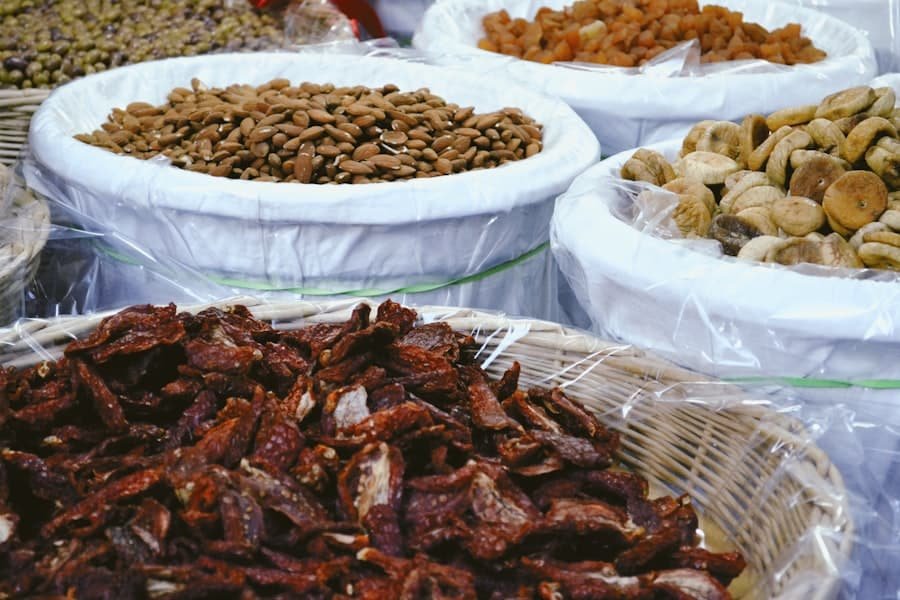
One of the first categories of foods you should avoid on the keto diet is processed foods and sugary snacks. These items are often loaded with hidden sugars and unhealthy fats that can sabotage your efforts. Processed foods, such as chips, cookies, and pre-packaged meals, typically contain refined carbohydrates that can spike your blood sugar levels and lead to cravings.
By steering clear of these items, you can maintain stable energy levels and reduce the likelihood of falling off track. Instead of reaching for those tempting snacks, consider healthier alternatives that align with your keto goals. For instance, you might opt for nuts or seeds as a satisfying snack option.
These choices are not only low in carbs but also rich in healthy fats and protein, making them a perfect fit for your diet. By being mindful of what you consume and avoiding processed snacks, you can create a more sustainable eating pattern that supports your journey toward better health.
Starchy Vegetables and Grains to Avoid
Another significant category of foods to avoid on the keto diet includes starchy vegetables and grains. While vegetables are an essential part of any healthy diet, certain types can be high in carbohydrates and should be limited or eliminated from your meals. Starchy vegetables like potatoes, corn, and peas can quickly add up in carb content, making it challenging to stay within your daily limits.
Instead, focus on non-starchy vegetables such as leafy greens, broccoli, and cauliflower, which are low in carbs and packed with nutrients. Grains are another major source of carbohydrates that you should avoid while following a keto lifestyle. Foods like bread, pasta, rice, and cereals are not only high in carbs but also often lack the nutritional density needed for optimal health.
By eliminating these grains from your diet, you can significantly reduce your carbohydrate intake and promote ketosis. Embracing alternatives like cauliflower rice or zucchini noodles can help satisfy your cravings for these traditional staples without derailing your progress.
Fruits High in Sugar to Avoid
While fruits are often considered healthy options, many varieties are high in sugar and should be avoided on the keto diet. Fruits like bananas, grapes, and apples contain significant amounts of natural sugars that can quickly push you over your daily carb limit. Instead of indulging in these sugary fruits, consider incorporating lower-carb options such as berries into your diet.
Berries like strawberries, raspberries, and blackberries are not only lower in sugar but also rich in antioxidants and fiber. It’s essential to be mindful of portion sizes when consuming fruits on a keto diet. Even lower-sugar fruits can add up if consumed in large quantities.
By keeping track of your carb intake and choosing fruits wisely, you can enjoy the benefits of fruit without compromising your ketogenic goals. Remember that moderation is key; even healthy foods can hinder your progress if consumed excessively.
Dairy Products to Avoid on Keto
Dairy products can be a bit tricky when it comes to the keto diet. While some dairy options are low in carbs and high in fat—like heavy cream and certain cheeses—others can contain hidden sugars that may disrupt ketosis. For instance, flavored yogurts and milk alternatives often have added sugars that increase their carb content significantly.
It’s crucial to read labels carefully and choose full-fat dairy products without added sugars to stay aligned with your dietary goals. Additionally, some individuals may find that they are sensitive to lactose or other components found in dairy products. If you notice digestive issues or discomfort after consuming dairy, it may be wise to limit or eliminate these foods from your diet altogether.
Exploring alternatives such as coconut milk or almond milk can provide you with creamy options without the added carbs or potential digestive concerns.
Legumes and Beans to Avoid
Legumes and beans are often touted as healthy sources of protein and fiber; however, they are also relatively high in carbohydrates and should be avoided on the keto diet. Foods like lentils, chickpeas, black beans, and kidney beans can quickly add up in carb content, making it challenging to maintain ketosis. While they may offer some nutritional benefits, their carbohydrate load outweighs these advantages when following a strict ketogenic plan.
If you’re looking for protein-rich alternatives while on keto, consider incorporating meats, fish, eggs, or low-carb protein powders into your meals instead. These options will provide you with the necessary nutrients without compromising your carb limits. By being mindful of what you include in your diet, you can ensure that you’re fueling your body with the right foods for optimal health.
Sauces and Condiments to Avoid
When it comes to sauces and condiments, many people overlook their potential impact on carbohydrate intake. Many popular sauces—such as ketchup, barbecue sauce, and certain salad dressings—are often loaded with added sugars that can quickly derail your progress on the keto diet. It’s essential to read labels carefully and choose condiments that are low in carbs or make your own at home using keto-friendly ingredients.
Instead of relying on store-bought sauces that may contain hidden sugars or unhealthy fats, consider creating flavorful alternatives using herbs, spices, and healthy fats like olive oil or avocado oil. Homemade dressings can be both delicious and nutritious while keeping your carb count low. By being proactive about what you add to your meals, you can enhance flavor without compromising your dietary goals.
Beverages to Avoid on Keto
Beverages can also be a hidden source of carbohydrates that may hinder your progress on the keto diet. Many popular drinks—such as sodas, fruit juices, sweetened teas, and even certain alcoholic beverages—are high in sugar and should be avoided. These drinks not only contribute unnecessary carbs but can also lead to cravings for more sugary foods.
Instead of reaching for sugary beverages, opt for water, herbal teas, or black coffee as your go-to drinks while on keto. If you’re looking for something with flavor, consider adding lemon or lime juice to sparkling water for a refreshing twist without the added sugars. Staying hydrated is crucial for overall health and will support your journey on the keto diet.
Hidden Sources of Carbohydrates to Avoid
As you navigate the keto diet, it’s essential to be aware of hidden sources of carbohydrates that may not be immediately obvious. Many processed foods contain added sugars or starches that can significantly increase their carb content without you realizing it. Items like salad dressings, marinades, and even certain types of nut butters may have hidden sugars that could impact your progress.
To avoid these pitfalls, make it a habit to read ingredient labels carefully before purchasing any food item. Familiarize yourself with common terms used for sugars—such as sucrose or high-fructose corn syrup—and look for products labeled as “sugar-free” or “low-carb.” By being vigilant about what you’re consuming, you can better protect yourself from inadvertently exceeding your carbohydrate limits.
Conclusion and Tips for Success on the Keto Diet
Embarking on the keto diet can be an exciting journey toward improved health and weight loss; however, it requires careful planning and commitment to avoid certain foods that could hinder your progress. By understanding which categories of foods to avoid—such as processed snacks, starchy vegetables, high-sugar fruits, dairy products with added sugars, legumes, sauces with hidden carbs, sugary beverages, and other hidden sources—you’ll be better equipped to make informed choices. To set yourself up for success on the keto diet, consider meal prepping to ensure you always have low-carb options readily available.
Experiment with new recipes that align with your dietary goals while keeping things interesting and enjoyable. Surround yourself with supportive individuals who understand your journey; this community can provide motivation during challenging times. Ultimately, remember that every individual’s experience with the keto diet may vary; what works for one person may not work for another.
Stay patient with yourself as you navigate this lifestyle change and celebrate small victories along the way. With dedication and knowledge about what to avoid on the keto diet, you’ll be well on your way to achieving lasting success.
FAQs
What are some foods to avoid on a keto diet?
Some foods to avoid on a keto diet include sugary foods, starchy foods, grains, fruits high in sugar, and some high-carb vegetables.
Why should I avoid sugary foods on a keto diet?
Sugary foods can cause a spike in blood sugar levels, which can kick you out of ketosis. It’s best to avoid foods like candy, soda, and desserts high in sugar.
Why should I avoid starchy foods on a keto diet?
Starchy foods like bread, pasta, and rice are high in carbohydrates, which can interfere with the process of ketosis. It’s best to avoid these foods on a keto diet.
Why should I avoid grains on a keto diet?
Grains are high in carbohydrates and can cause a spike in blood sugar levels, making it difficult to maintain ketosis. It’s best to avoid grains like wheat, oats, and barley on a keto diet.
Why should I avoid fruits high in sugar on a keto diet?
Fruits high in sugar, such as bananas, grapes, and mangoes, can cause a spike in blood sugar levels and interfere with ketosis. It’s best to choose low-sugar fruits like berries on a keto diet.
Why should I avoid some high-carb vegetables on a keto diet?
Some vegetables, like potatoes, carrots, and corn, are high in carbohydrates and can interfere with ketosis. It’s best to choose low-carb vegetables like leafy greens and broccoli on a keto diet.