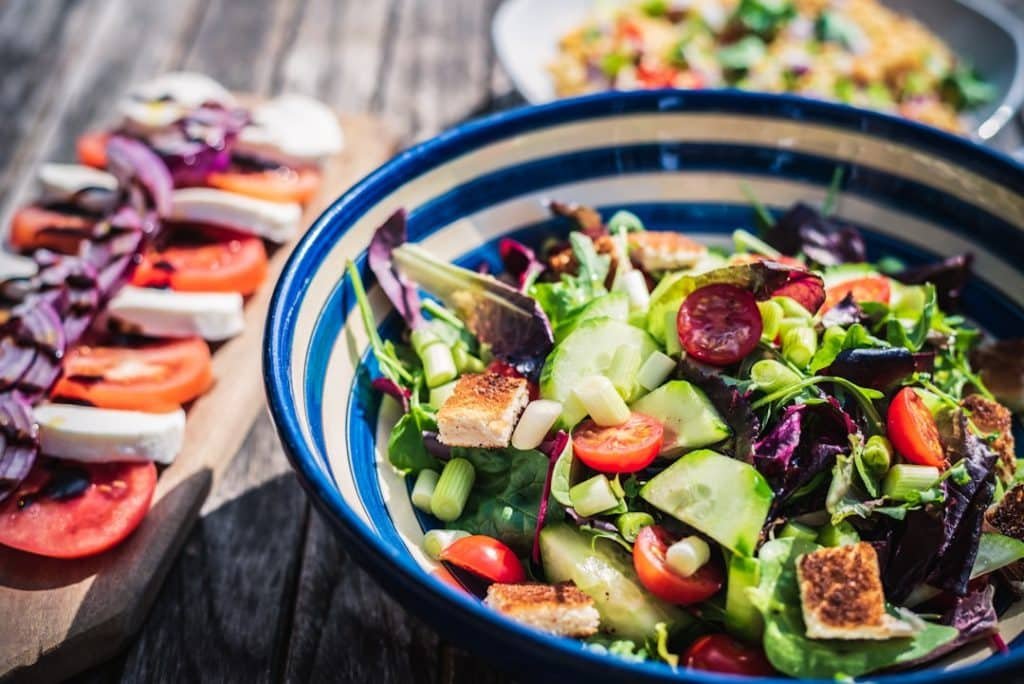
The ketogenic diet, commonly referred to as the keto diet, has gained immense popularity in recent years as a powerful tool for weight loss and improved health. At its core, the keto diet is a low-carbohydrate, high-fat eating plan that encourages your body to enter a state of ketosis. In this metabolic state, your body becomes highly efficient at burning fat for energy instead of relying on carbohydrates.
This shift not only aids in weight loss but can also lead to increased energy levels and improved mental clarity. As you embark on your keto journey, it’s essential to understand the fundamental principles that govern this diet. By drastically reducing your carbohydrate intake and replacing it with healthy fats, you can train your body to utilize fat as its primary fuel source.
This transition can be challenging at first, but with the right knowledge and preparation, you can successfully navigate the world of keto and reap its numerous benefits. In this article, we will explore the foods you should embrace, as well as those you should avoid, to ensure your keto experience is both enjoyable and effective.
Key Takeaways
- The Keto Diet is a low-carb, high-fat diet that can help with weight loss and improve overall health.
- Keto-friendly foods to eat include meats, seafood, low-carb vegetables, healthy fats, and dairy products.
- Meats and seafood such as chicken, beef, salmon, and shrimp are excellent choices for a keto diet.
- Low-carb vegetables like spinach, broccoli, cauliflower, and zucchini are great options for adding nutrients to a keto meal plan.
- Healthy fats like avocados, olive oil, and coconut oil are essential for a successful keto diet.
Keto Foods to Eat
When following a ketogenic diet, it’s crucial to focus on foods that align with your macronutrient goals. The primary aim is to consume high amounts of healthy fats while keeping carbohydrates to a minimum. This means that your meals will be rich in flavor and variety, allowing you to enjoy a diverse range of foods.
Incorporating nutrient-dense options into your diet will not only keep you satisfied but also provide your body with essential vitamins and minerals. One of the most exciting aspects of the keto diet is the wide array of delicious foods you can indulge in. From avocados and nuts to fatty cuts of meat and rich cheeses, there’s no shortage of options.
You’ll find that many of these foods are not only satisfying but also promote overall health. As you explore the keto lifestyle, you’ll discover new recipes and meal ideas that make sticking to this diet both enjoyable and sustainable.
Meats and Seafood
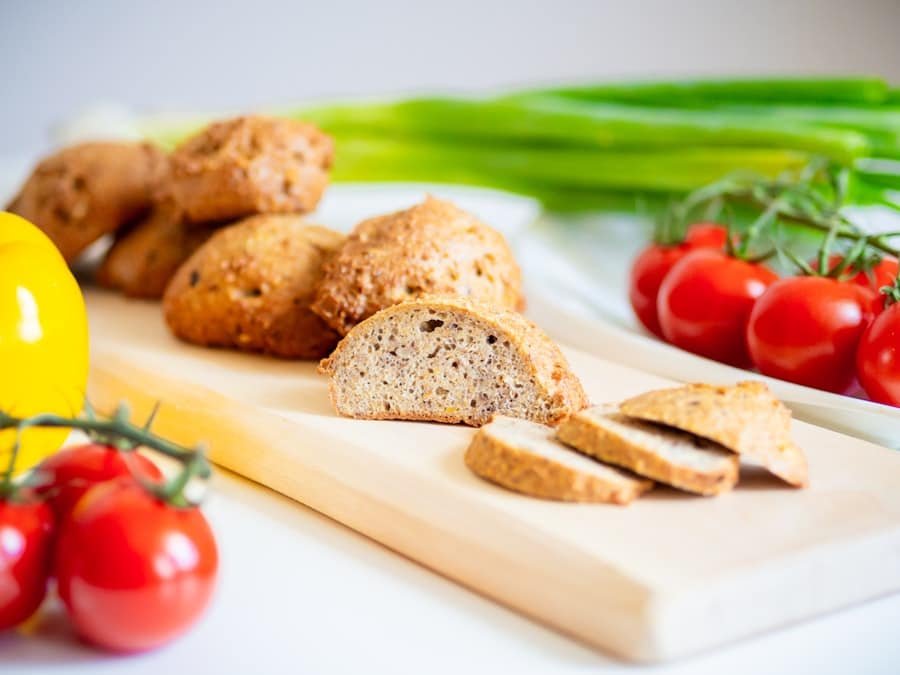
When it comes to protein sources on the keto diet, meats and seafood are among the best options available. These foods are naturally low in carbohydrates and high in protein, making them ideal for maintaining muscle mass while promoting fat loss. You can enjoy a variety of meats, including beef, pork, chicken, and turkey, all of which can be prepared in numerous ways to keep your meals exciting.
Seafood is another excellent choice for those on a keto diet. Fatty fish like salmon, mackerel, and sardines are not only rich in omega-3 fatty acids but also provide a substantial amount of protein without the carbs. Shellfish such as shrimp and crab are also low in carbohydrates and can be incorporated into various dishes.
By including a mix of meats and seafood in your diet, you’ll ensure that you’re getting a balanced intake of essential nutrients while enjoying flavorful meals.
Low-carb Vegetables
While many vegetables are packed with nutrients, not all are suitable for a ketogenic diet due to their carbohydrate content. However, there are plenty of low-carb vegetables that you can enjoy without compromising your dietary goals. Leafy greens such as spinach, kale, and arugula are excellent choices, as they are low in carbs and high in fiber, vitamins, and minerals.
In addition to leafy greens, cruciferous vegetables like broccoli, cauliflower, and Brussels sprouts are also great options for your keto plate. These vegetables can be roasted, steamed, or sautéed to create delicious side dishes or incorporated into main meals. By focusing on low-carb vegetables, you’ll not only enhance the nutritional value of your meals but also add color and texture to your plate.
Healthy Fats
Healthy fats are the cornerstone of the ketogenic diet, providing the energy your body needs while keeping you satiated. When selecting fats for your meals, it’s essential to choose high-quality sources that promote overall health. Avocados are an excellent source of monounsaturated fats and can be enjoyed in various ways, from guacamole to salads.
Other healthy fat options include olive oil, coconut oil, and nut butters. These fats can be used for cooking or drizzling over dishes to enhance flavor and nutrition. Additionally, incorporating nuts and seeds into your snacks or meals can provide a satisfying crunch while delivering essential fatty acids.
By prioritizing healthy fats in your diet, you’ll support your body’s transition into ketosis while enjoying delicious flavors.
Dairy Products
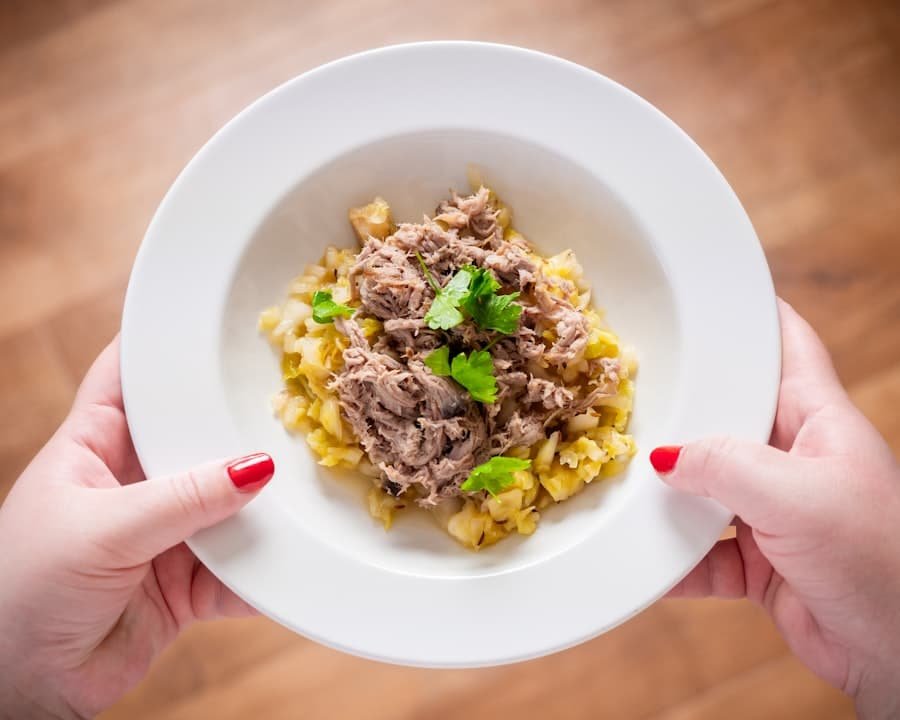
Dairy products can be a delightful addition to your ketogenic diet if chosen wisely. Full-fat dairy options like cheese, heavy cream, and Greek yogurt are low in carbohydrates and high in fat content, making them suitable for keto enthusiasts. Cheese is particularly versatile; it can be used in cooking or enjoyed as a snack on its own.
However, it’s important to be mindful of portion sizes when consuming dairy products, as some individuals may experience lactose intolerance or sensitivity. Opting for aged cheeses or those with lower lactose content can help mitigate any potential digestive issues. By incorporating dairy into your meals thoughtfully, you can enjoy creamy textures and rich flavors while adhering to your keto lifestyle.
Keto Foods to Avoid
While there are many delicious foods you can enjoy on the keto diet, there are also several items you should steer clear of to maintain ketosis effectively. Understanding which foods are high in carbohydrates will help you make informed choices as you navigate grocery store aisles or restaurant menus. The key is to be vigilant about hidden sugars and starches that can quickly derail your progress.
One of the primary categories of foods to avoid is sugary items. This includes not only obvious sweets like candy and desserts but also seemingly innocent products like flavored yogurts or sauces that may contain added sugars. By reading labels carefully and opting for unsweetened versions whenever possible, you can keep your carbohydrate intake in check while still enjoying flavorful meals.
Sugary Foods and Sweets
Sugary foods are perhaps the most significant culprits when it comes to hindering your progress on the keto diet. Foods high in sugar can spike your blood glucose levels and kick you out of ketosis, making it essential to eliminate them from your pantry. This includes candies, cakes, cookies, and sugary beverages like soda or fruit juices.
Even natural sweeteners like honey or agave syrup should be consumed sparingly or avoided altogether while on keto. Instead of reaching for sugary treats when cravings strike, consider satisfying your sweet tooth with keto-friendly alternatives made from low-carb ingredients such as almond flour or erythritol. By finding creative ways to enjoy desserts without compromising your dietary goals, you’ll stay on track while still indulging occasionally.
Starchy Vegetables
Starchy vegetables are another category of foods that should be limited or avoided on a ketogenic diet due to their higher carbohydrate content. While vegetables are generally considered healthy, certain types like potatoes, corn, and peas can significantly increase your carb intake if consumed in large quantities. These starchy options can quickly add up and hinder your ability to maintain ketosis.
Instead of starchy vegetables, focus on incorporating non-starchy varieties into your meals. Options like zucchini, bell peppers, and asparagus provide essential nutrients without the excess carbs associated with starchy counterparts. By making mindful choices about the vegetables you consume, you’ll support your keto journey while still enjoying a variety of flavors and textures.
Grains and Legumes
Grains and legumes are staples in many diets but are generally incompatible with the ketogenic lifestyle due to their high carbohydrate content. Foods like bread, pasta, rice, beans, and lentils can quickly push you over your daily carb limit if consumed regularly. As such, it’s crucial to eliminate these items from your meal plan if you want to achieve optimal results on the keto diet.
Fortunately, there are numerous low-carb alternatives available that can satisfy cravings for grains without derailing your progress. For instance, cauliflower rice or zucchini noodles can serve as excellent substitutes for traditional rice or pasta dishes. By exploring creative alternatives and experimenting with new recipes, you’ll find that you don’t have to miss out on your favorite meals while adhering to a ketogenic lifestyle.
Processed Foods and High-carb Snacks
Processed foods often contain hidden sugars and unhealthy additives that can sabotage your efforts on the keto diet. Many packaged snacks marketed as “healthy” may still be high in carbohydrates or contain ingredients that disrupt ketosis. It’s essential to read labels carefully and avoid items that list sugar or refined grains among their top ingredients.
Instead of reaching for processed snacks when hunger strikes, consider preparing homemade options using whole ingredients that align with your dietary goals. Nuts, seeds, cheese crisps, or vegetable sticks paired with guacamole or cream cheese make for satisfying snacks without compromising your carb limits. By prioritizing whole foods over processed options, you’ll not only support your keto journey but also promote overall health and well-being.
In conclusion, embarking on a ketogenic diet requires careful consideration of the foods you consume while being mindful of those you should avoid. By focusing on nutrient-dense options such as meats, seafood, low-carb vegetables, healthy fats, and dairy products while steering clear of sugary foods, starchy vegetables, grains, legumes, and processed snacks, you’ll set yourself up for success on this transformative journey toward better health and weight management. With dedication and creativity in the kitchen, you can enjoy a fulfilling keto lifestyle that nourishes both body and mind.
FAQs
What are some keto-friendly foods to eat?
Some keto-friendly foods to eat include low-carb vegetables (such as spinach, broccoli, and cauliflower), high-fat dairy products (like cheese and butter), meat and poultry, fish and seafood, eggs, nuts and seeds, and healthy oils (such as olive oil and coconut oil).
What foods should be avoided on a keto diet?
Foods to avoid on a keto diet include high-carb fruits (such as bananas and grapes), starchy vegetables (like potatoes and corn), grains and starches (such as bread and pasta), sugary foods and drinks, and processed foods with added sugars and unhealthy fats.
Can I eat dairy on a keto diet?
Yes, you can eat high-fat dairy products on a keto diet, such as cheese, butter, and heavy cream. However, it’s important to choose full-fat options and avoid flavored or sweetened dairy products that may contain added sugars.
Are nuts and seeds keto-friendly?
Yes, nuts and seeds can be included in a keto diet, as they are low in carbs and high in healthy fats and protein. However, it’s important to consume them in moderation, as they are calorie-dense and can contribute to overeating if not portioned properly.
Is it okay to consume artificial sweeteners on a keto diet?
Some artificial sweeteners, such as stevia, erythritol, and monk fruit, can be consumed in moderation on a keto diet. However, it’s important to be mindful of how these sweeteners may affect your cravings and overall food choices.