Infantile seizures, often referred to as infantile spasms, are a type of seizure disorder that typically occurs in infants and young children. These seizures can manifest as sudden, brief contractions of the muscles, often causing the child to bend forward or extend their limbs. You may notice that these spasms can occur in clusters, leading to significant concern for parents and caregivers.
Understanding the nature of these seizures is crucial, as they can be indicative of underlying neurological issues and may require immediate medical attention. The onset of infantile seizures usually occurs between the ages of 3 to 12 months, and they can be associated with various conditions, including developmental delays and other forms of epilepsy. As a parent or caregiver, it’s essential to recognize the signs and symptoms early on.
The unpredictability of these seizures can be distressing, not only for the child but also for the family. Early diagnosis and intervention are vital in managing the condition effectively and minimizing potential long-term effects on the child’s development.
Key Takeaways
- Infantile seizures can be a frightening experience for parents and caregivers, but understanding the condition is the first step to managing it effectively.
- The ketogenic diet is a high-fat, low-carbohydrate diet that has been used for decades to treat epilepsy and has shown promising results in reducing infantile seizures.
- The ketogenic diet works by inducing a state of ketosis in the body, which can help reduce the frequency and severity of infantile seizures.
- Implementing the ketogenic diet for infants requires careful planning and monitoring, as it involves strict control of macronutrient intake.
- While the ketogenic diet can be effective in reducing infantile seizures, it also carries potential risks and side effects that need to be carefully considered and managed by healthcare professionals.
What is the Ketogenic Diet?
The ketogenic diet is a high-fat, low-carbohydrate eating plan that has gained popularity for its potential therapeutic benefits, particularly in managing certain medical conditions. At its core, this diet aims to shift the body’s metabolism from relying on carbohydrates for energy to utilizing fats instead. This metabolic state is known as ketosis, where the body produces ketones from fat breakdown, providing an alternative energy source for the brain and other organs.
For you, understanding the ketogenic diet involves recognizing its specific macronutrient composition. Typically, the diet consists of approximately 70-80% fats, 15-20% proteins, and only about 5-10% carbohydrates. This drastic reduction in carbohydrate intake forces the body to adapt to a new way of fueling itself.
While initially developed as a treatment for epilepsy in adults, its application has expanded to include children and infants suffering from various seizure disorders, including infantile seizures.
How the Ketogenic Diet Helps with Infantile Seizures

The ketogenic diet has shown promise in reducing the frequency and severity of seizures in infants suffering from infantile spasms. The underlying mechanism is believed to involve the stabilization of neuronal activity in the brain. By providing an alternative energy source through ketones, the diet may help to balance neurotransmitter levels and reduce excitability in the brain’s neural circuits.
This stabilization can be particularly beneficial for infants whose brains are still developing and are more susceptible to seizure activity. As you explore the potential benefits of the ketogenic diet for infantile seizures, it’s important to note that individual responses can vary significantly. Some infants may experience a dramatic reduction in seizure frequency within weeks of starting the diet, while others may take longer to respond or may not respond at all.
Nevertheless, many families have reported positive outcomes, leading to improved quality of life for both the child and their caregivers. The diet’s ability to provide a non-pharmacological option for managing seizures is particularly appealing for those seeking alternatives to traditional medications.
Implementing the Ketogenic Diet for Infants
Implementing the ketogenic diet for infants requires careful planning and guidance from healthcare professionals. As a parent or caregiver, you will need to work closely with a pediatrician or a dietitian who specializes in ketogenic therapy. They can help you create a tailored meal plan that meets your infant’s nutritional needs while adhering to the strict macronutrient ratios required by the diet.
You will likely begin by gradually introducing high-fat foods while simultaneously reducing carbohydrate intake. This transition can be challenging, especially since many common infant foods are carbohydrate-rich. You may find yourself exploring new recipes and food options that align with the ketogenic principles.
Foods such as avocados, full-fat dairy products, and certain oils will become staples in your infant’s diet. Additionally, monitoring your child’s weight and growth during this transition is crucial to ensure they are receiving adequate nutrition while on the diet.
Potential Risks and Side Effects of the Ketogenic Diet for Infants
While the ketogenic diet can offer significant benefits for managing infantile seizures, it is not without potential risks and side effects. As you embark on this dietary journey with your infant, it’s essential to be aware of these challenges. One common concern is nutritional deficiencies that may arise due to the restrictive nature of the diet.
Infants require a balanced intake of vitamins and minerals for healthy growth and development, so careful planning is necessary to avoid deficiencies. Another potential risk is the development of gastrointestinal issues such as constipation or diarrhea, which can occur as your child’s body adjusts to a high-fat diet. You may also notice changes in your infant’s energy levels or mood during this adjustment period.
It’s crucial to maintain open communication with your healthcare team throughout this process so they can monitor your child’s health and make necessary adjustments to their dietary plan.
Monitoring and Adjusting the Ketogenic Diet for Infants
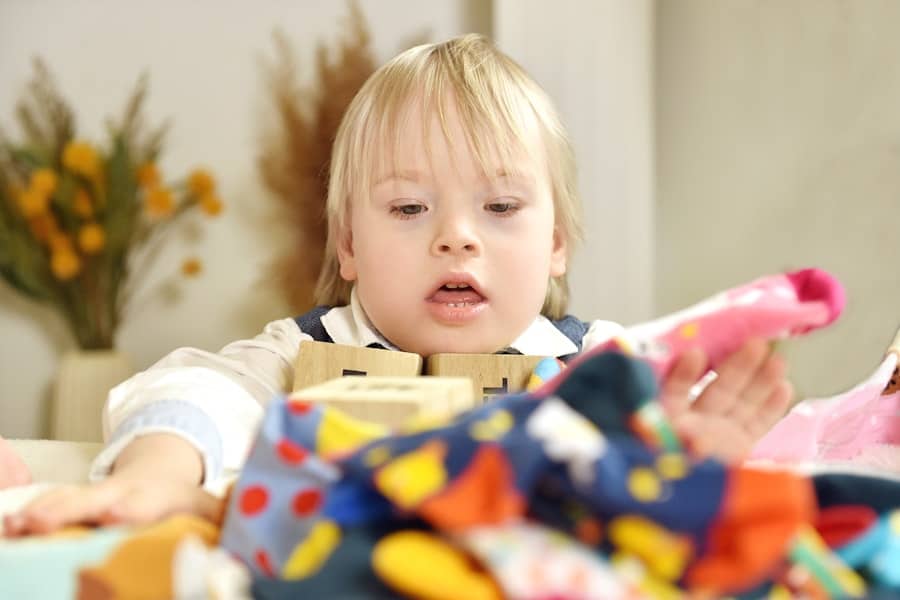
Monitoring your infant’s response to the ketogenic diet is an ongoing process that requires diligence and attention to detail. Regular follow-ups with healthcare professionals will help ensure that your child is thriving on this new dietary regimen. You will likely need to keep track of your infant’s weight, growth patterns, and seizure frequency to assess the diet’s effectiveness accurately.
As you monitor your child’s progress, be prepared to make adjustments as needed. This could involve tweaking macronutrient ratios or introducing new foods that align with the ketogenic principles while ensuring your child receives adequate nutrition. Your healthcare team will guide you through this process, helping you navigate any challenges that arise along the way.
Success Stories and Research on Keto for Infantile Seizures
Numerous success stories highlight the positive impact of the ketogenic diet on infants with seizure disorders. Families have reported significant reductions in seizure frequency and improvements in overall quality of life after implementing this dietary approach. These anecdotal accounts are supported by emerging research that suggests a strong correlation between ketogenic therapy and reduced seizure activity in children with epilepsy.
As you delve into this topic further, you may find studies indicating that a substantial percentage of children experience a marked decrease in seizures after starting the ketogenic diet. Research continues to explore the mechanisms behind these effects, providing hope for families seeking effective treatments for their children’s conditions. The growing body of evidence supporting the ketogenic diet as a viable option for managing infantile seizures underscores its importance in pediatric neurology.
Consulting with Healthcare Professionals for Keto for Infantile Seizures
Before embarking on the ketogenic diet for your infant, consulting with healthcare professionals is paramount. You should seek guidance from pediatricians who specialize in epilepsy or neurologists familiar with dietary interventions for seizure management. These experts can provide valuable insights into whether this approach is suitable for your child based on their specific medical history and needs.
In addition to medical professionals, working with a registered dietitian experienced in ketogenic diets can be incredibly beneficial. They can help you navigate meal planning, ensure nutritional adequacy, and monitor your child’s progress throughout their dietary journey. By collaborating with healthcare professionals, you can create a comprehensive plan that prioritizes your child’s health while effectively managing their seizures through dietary intervention.
In conclusion, understanding infantile seizures and exploring dietary interventions like the ketogenic diet can empower you as a caregiver. While challenges exist, many families have found success through careful implementation and monitoring of this dietary approach. With professional guidance and support, you can navigate this journey toward improved health outcomes for your child.
FAQs
What is the ketogenic diet?
The ketogenic diet is a high-fat, adequate-protein, low-carbohydrate diet that has been used to treat epilepsy since the 1920s. It is designed to mimic the effects of fasting by forcing the body to burn fat for fuel instead of carbohydrates.
How does the ketogenic diet help with infantile seizures?
The ketogenic diet has been shown to reduce the frequency and severity of seizures in infants and children with epilepsy, including those with infantile spasms. It is believed that the diet alters the brain’s metabolism, leading to a reduction in seizure activity.
Is the ketogenic diet safe for infants?
The ketogenic diet can be safe and effective for infants with epilepsy, but it should only be implemented under the supervision of a medical professional. Infants on the ketogenic diet require careful monitoring of their growth, development, and nutritional status.
What are the potential side effects of the ketogenic diet for infants?
Potential side effects of the ketogenic diet for infants may include constipation, acidosis, kidney stones, and slowed growth. It is important for parents and caregivers to work closely with a healthcare team to monitor and manage any potential side effects.
How is the ketogenic diet for infantile seizures implemented?
The ketogenic diet for infantile seizures is typically implemented under the guidance of a healthcare team, including a pediatric neurologist, dietitian, and other specialists. The diet is carefully calculated to provide the right balance of fats, proteins, and carbohydrates for the infant’s specific needs.
Are there any alternatives to the ketogenic diet for infantile seizures?
In addition to the ketogenic diet, other treatment options for infantile seizures may include antiepileptic medications, surgery, and other dietary therapies such as the modified Atkins diet or the low glycemic index treatment. The most appropriate treatment will depend on the individual infant’s condition and needs.