
Prediabetes is a condition that often goes unnoticed until it develops into type 2 diabetes. It occurs when your blood sugar levels are higher than normal but not yet high enough to be classified as diabetes. This stage is crucial because it serves as a warning sign, indicating that your body is struggling to manage glucose effectively.
If you find yourself in this category, it’s essential to take proactive steps to reverse the condition and prevent the onset of diabetes. Understanding the implications of prediabetes can empower you to make informed lifestyle choices that can significantly impact your health. The risk factors for prediabetes include being overweight, leading a sedentary lifestyle, and having a family history of diabetes.
Additionally, certain ethnic groups are more susceptible, and age can also play a role, particularly for those over 45. If you have been diagnosed with prediabetes, it’s vital to recognize that this is not a permanent state. With the right interventions, such as dietary changes and increased physical activity, you can lower your blood sugar levels and improve your overall health.
The journey begins with awareness and a commitment to making positive changes in your life.
Key Takeaways
- Prediabetes is a condition where blood sugar levels are higher than normal but not high enough to be diagnosed as diabetes.
- The Keto Diet is a low-carb, high-fat diet that aims to put the body into a metabolic state called ketosis.
- The Keto Diet can help with prediabetes by reducing blood sugar levels and improving insulin sensitivity.
- Benefits of the Keto Diet for prediabetes include weight loss, improved blood sugar control, and reduced risk of developing type 2 diabetes.
- Foods to eat on a Keto Diet for prediabetes include low-carb vegetables, meat, fish, eggs, and healthy fats like avocado and olive oil.
What is the Keto Diet?
The ketogenic diet, commonly known as the keto diet, is a low-carbohydrate, high-fat eating plan designed to shift your body’s metabolism from burning glucose to burning fat for energy. By drastically reducing carbohydrate intake and replacing it with fat, your body enters a metabolic state called ketosis. In this state, your liver converts fat into ketones, which serve as an alternative energy source for your brain and body.
This dietary approach has gained popularity not only for weight loss but also for its potential health benefits, including improved blood sugar control. If you’re considering the keto diet, it’s essential to understand its core principles. Typically, the macronutrient breakdown consists of about 70-75% fat, 20-25% protein, and only 5-10% carbohydrates.
This significant reduction in carbs forces your body to adapt to using fat as its primary fuel source. While this may sound daunting at first, many people find that they feel more energized and less hungry on a keto diet due to the satiating nature of fats. As you embark on this journey, it’s crucial to educate yourself about the foods that fit within this framework and how they can impact your health.
How the Keto Diet Helps with Prediabetes
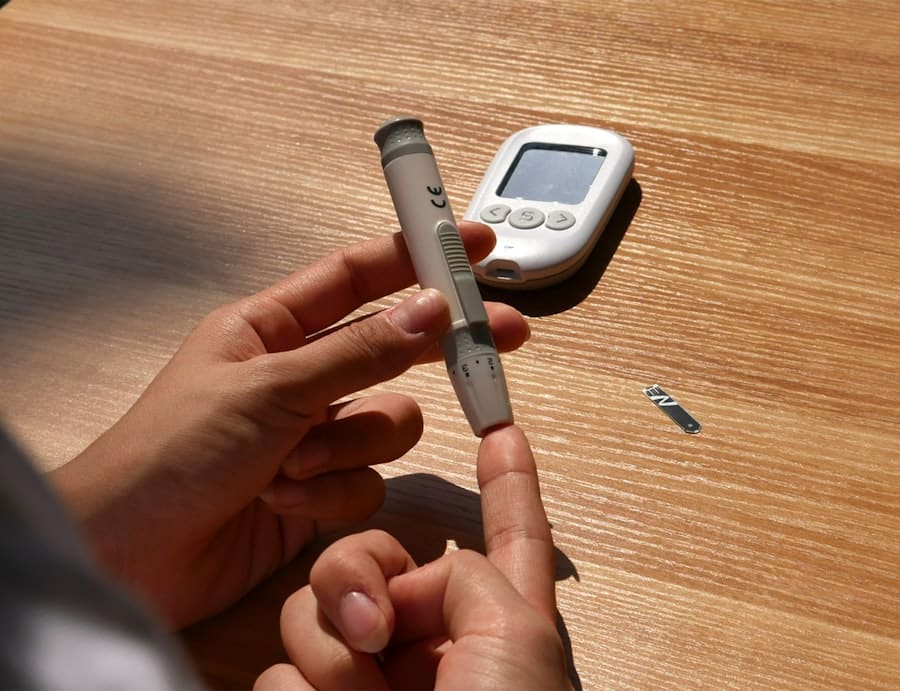
The keto diet can be particularly beneficial for individuals with prediabetes due to its ability to stabilize blood sugar levels. By minimizing carbohydrate intake, you reduce the spikes in blood glucose that often occur after consuming high-carb meals. This stabilization is vital for those with prediabetes, as it helps prevent further progression to type 2 diabetes.
When you limit carbs, your body becomes more efficient at utilizing insulin, which is crucial for managing blood sugar levels effectively. Moreover, the keto diet encourages weight loss, which is another critical factor in reversing prediabetes. Excess weight, especially around the abdomen, is closely linked to insulin resistance.
By adopting a ketogenic lifestyle, you may find that you shed unwanted pounds more easily. This weight loss can lead to improved insulin sensitivity and better overall metabolic health. As you navigate this dietary change, you may notice not only physical changes but also improvements in your energy levels and mood.
Benefits of the Keto Diet for Prediabetes
One of the most significant benefits of the keto diet for individuals with prediabetes is its potential to improve insulin sensitivity. When you consume fewer carbohydrates, your body requires less insulin to manage blood sugar levels. This reduction in insulin demand can help your cells become more responsive to insulin over time, which is crucial for reversing prediabetes.
As you experience these changes, you may find that your cravings for sugary foods diminish, making it easier to stick to healthier eating habits. In addition to improved insulin sensitivity, the keto diet can also lead to enhanced mental clarity and focus. Many people report experiencing a “keto clarity” once they adapt to this way of eating.
This heightened mental acuity can be attributed to the brain’s use of ketones as an energy source instead of glucose. As you embrace this dietary shift, you may find that you feel more alert and productive throughout the day. These cognitive benefits can further motivate you to maintain a healthy lifestyle and continue making positive choices for your well-being.
Foods to Eat on a Keto Diet for Prediabetes
When following a keto diet for prediabetes, it’s essential to focus on nutrient-dense foods that align with your macronutrient goals. Healthy fats should be at the forefront of your meals; consider incorporating avocados, olive oil, coconut oil, and nuts into your diet. These foods not only provide essential fatty acids but also help keep you satiated and satisfied.
Additionally, fatty fish like salmon and mackerel are excellent sources of omega-3 fatty acids and can contribute to heart health. In terms of protein sources, opt for high-quality options such as grass-fed meats, poultry, eggs, and plant-based proteins like tofu or tempeh. Non-starchy vegetables should also be a staple in your meals; leafy greens like spinach and kale, along with cruciferous vegetables like broccoli and cauliflower, are low in carbs but high in fiber and essential nutrients.
By focusing on these food groups, you can create balanced meals that support your health while adhering to the principles of the keto diet.
Foods to Avoid on a Keto Diet for Prediabetes

While there are many delicious foods you can enjoy on a keto diet for prediabetes, there are also several items you should avoid to maintain ketosis and manage blood sugar levels effectively. First and foremost, steer clear of sugary foods and beverages. This includes candies, pastries, sodas, and even fruit juices that can cause rapid spikes in blood glucose levels.
Instead of reaching for these high-sugar options, consider satisfying your sweet tooth with low-carb alternatives like berries in moderation. Additionally, refined carbohydrates should be eliminated from your diet. Foods such as white bread, pasta, rice, and most processed snacks contain high amounts of carbohydrates that can hinder your progress toward better blood sugar control.
Instead of these items, focus on whole foods that provide essential nutrients without excessive carbs. By being mindful of what you consume and avoiding these problematic foods, you’ll be better equipped to manage your prediabetes effectively.
Meal Planning on a Keto Diet for Prediabetes
Meal planning is an invaluable tool when embarking on a keto diet for prediabetes. By taking the time to plan your meals ahead of time, you can ensure that you have access to healthy options that align with your dietary goals. Start by creating a weekly menu that includes breakfast, lunch, dinner, and snacks while focusing on low-carb ingredients.
This proactive approach will help you avoid impulsive food choices that may derail your progress. When planning your meals, consider batch cooking or preparing ingredients in advance. For example, roasting a large batch of non-starchy vegetables or grilling several portions of protein can save time during busy weekdays.
Additionally, having healthy snacks readily available—such as nuts or cheese—can help curb cravings between meals. By organizing your meal prep and planning ahead, you’ll set yourself up for success on your keto journey while managing prediabetes effectively.
Tips for Success on a Keto Diet for Prediabetes
To thrive on a keto diet while managing prediabetes, it’s essential to adopt strategies that promote long-term success. One effective tip is to track your food intake using apps or journals designed for this purpose. Monitoring what you eat can help you stay accountable and ensure that you’re meeting your macronutrient goals consistently.
Additionally, tracking your blood sugar levels regularly will provide valuable insights into how different foods affect your body. Another key aspect of success is staying hydrated. Drinking plenty of water throughout the day not only supports overall health but can also help mitigate some common side effects of transitioning into ketosis.
If you experience symptoms like fatigue or headaches during this adjustment period—often referred to as the “keto flu”—increased hydration may alleviate these issues. By implementing these tips into your routine, you’ll be better equipped to navigate the challenges of a keto diet while managing prediabetes.
Potential Risks and Side Effects of the Keto Diet for Prediabetes
While the keto diet offers numerous benefits for individuals with prediabetes, it’s essential to be aware of potential risks and side effects associated with this dietary approach. One common concern is nutrient deficiencies due to the restrictive nature of the diet. Since certain food groups are limited or eliminated entirely—such as fruits and whole grains—you may miss out on essential vitamins and minerals if not carefully planned.
Additionally, some individuals may experience gastrointestinal issues when transitioning to a keto diet. Symptoms such as constipation or diarrhea can occur as your body adjusts to higher fat intake and lower fiber consumption from carbohydrates. To mitigate these risks, focus on incorporating low-carb vegetables that are high in fiber into your meals while considering supplementation if necessary.
Being mindful of these potential challenges will help you navigate the keto diet more effectively while managing prediabetes.
Incorporating Exercise with a Keto Diet for Prediabetes
Exercise plays a crucial role in managing prediabetes alongside dietary changes like the keto diet. Engaging in regular physical activity not only helps improve insulin sensitivity but also supports weight loss efforts—both vital components in reversing prediabetes. Aim for a balanced routine that includes cardiovascular exercises such as walking or cycling combined with strength training activities like weight lifting or resistance exercises.
As you embark on this journey toward better health through both diet and exercise, listen to your body’s signals and adjust accordingly. If you’re new to exercise or have been inactive for some time, start slowly and gradually increase intensity over time. Finding activities that you enjoy will make it easier to stay consistent in the long run while enhancing both physical fitness and overall well-being.
Seeking Professional Guidance for a Keto Diet for Prediabetes
Before embarking on any significant dietary change—especially one as restrictive as the keto diet—it’s wise to seek professional guidance from healthcare providers or registered dietitians who specialize in diabetes management or nutrition therapy. They can help tailor an individualized plan based on your specific needs while ensuring that all aspects of your health are considered. Working with professionals allows you access not only to personalized meal plans but also ongoing support throughout your journey toward better health management through dietary changes like adopting a ketogenic lifestyle for prediabetes management.
With their expertise by your side along with commitment from yourself towards making positive lifestyle choices—you’ll be well-equipped on this path toward improved metabolic health!
FAQs
What is prediabetes?
Prediabetes is a condition in which blood sugar levels are higher than normal, but not high enough to be diagnosed as type 2 diabetes. It is a warning sign that you could develop type 2 diabetes if you don’t make some lifestyle changes.
What is the keto diet?
The keto diet is a high-fat, low-carbohydrate diet that has been shown to help with weight loss and improve certain health conditions. It involves drastically reducing carbohydrate intake and replacing it with fat, which puts the body into a metabolic state called ketosis.
Can the keto diet help with prediabetes?
Some studies have shown that the keto diet can be effective in improving insulin sensitivity and reducing blood sugar levels, which are important factors in managing prediabetes. However, more research is needed to fully understand the long-term effects of the keto diet on prediabetes.
What are the potential benefits of the keto diet for prediabetes?
The keto diet may help with weight loss, improve insulin sensitivity, and lower blood sugar levels, all of which are important for managing prediabetes. It may also help reduce the risk of developing type 2 diabetes.
Are there any risks or drawbacks to the keto diet for prediabetes?
Some potential risks of the keto diet include nutrient deficiencies, constipation, and an increased risk of heart disease due to the high intake of saturated fats. It may also be difficult to sustain in the long term for some individuals.
Is the keto diet suitable for everyone with prediabetes?
The keto diet may not be suitable for everyone with prediabetes, especially those with certain medical conditions or dietary restrictions. It is important to consult with a healthcare professional before starting any new diet, especially if you have a medical condition like prediabetes.





