
The ketogenic diet, commonly referred to as the keto diet, has gained immense popularity in recent years as a weight-loss strategy and a means to improve overall health. At its core, the keto diet is a high-fat, low-carbohydrate eating plan that aims to shift your body’s metabolism from burning carbohydrates for energy to burning fat. This metabolic state is known as ketosis, where your liver converts fat into ketones, which serve as an alternative energy source for your brain and body.
By drastically reducing your carbohydrate intake and increasing your fat consumption, you can encourage your body to enter this state of ketosis, leading to potential weight loss and various health benefits. As you embark on this dietary journey, it’s essential to understand the macronutrient ratios that define the keto diet. Typically, the diet consists of approximately 70-75% fat, 20-25% protein, and only about 5-10% carbohydrates.
This significant reduction in carbs forces your body to adapt to a new way of fueling itself. However, transitioning into ketosis can be challenging for some, often accompanied by symptoms known as the “keto flu,” which may include fatigue, headaches, and irritability. Understanding these initial hurdles can help you prepare mentally and physically for the changes ahead.
Key Takeaways
- The keto diet is a high-fat, low-carb diet that aims to put the body into a state of ketosis, where it burns fat for fuel instead of carbohydrates.
- Monitoring health on the keto diet is crucial to ensure that the body is in ketosis and to prevent any potential health risks.
- Blood ketone meters provide the most accurate and reliable measurement of ketone levels in the body.
- Urine ketone strips can provide a quick and convenient way to monitor ketone levels, but may not be as accurate as blood ketone meters.
- Breath ketone meters offer a non-invasive way to measure ketone levels, but may not be as accurate as blood ketone meters.
Importance of Monitoring Health on Keto
Monitoring your health while following the keto diet is crucial for ensuring that you are achieving your goals safely and effectively. As you make significant changes to your eating habits, it’s essential to keep track of how your body responds to these alterations. This monitoring can help you identify any potential deficiencies or imbalances that may arise from the diet.
For instance, while the keto diet can lead to weight loss and improved energy levels for many, it can also result in nutrient deficiencies if not carefully managed. By keeping an eye on your health markers, you can make informed decisions about your dietary choices. Additionally, tracking your health can provide motivation and accountability as you navigate the challenges of the keto lifestyle.
You may find that monitoring your progress—whether through weight loss, improved energy levels, or enhanced mental clarity—can reinforce your commitment to the diet. Furthermore, being aware of how your body reacts to different foods can help you fine-tune your approach, allowing you to maximize the benefits of the keto diet while minimizing any adverse effects. This proactive approach to health monitoring can empower you to take control of your wellness journey.
Blood Ketone Meters
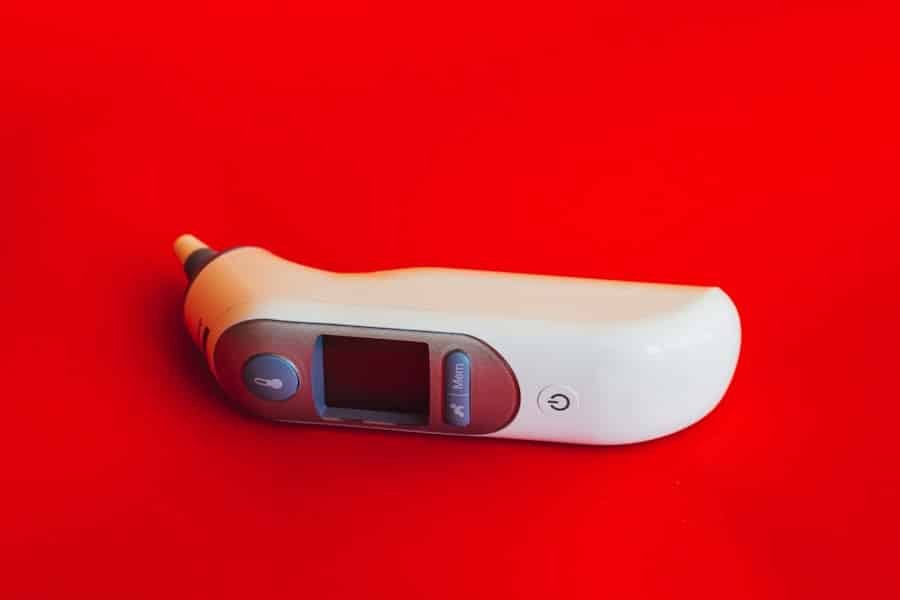
One of the most accurate ways to measure your level of ketosis is through blood ketone meters. These devices work by analyzing a small drop of blood to determine the concentration of ketones present. By using a blood ketone meter, you can gain precise insights into how well your body is producing ketones and whether you are maintaining an optimal state of ketosis.
This information is invaluable for anyone serious about adhering to the keto diet and wanting to ensure they are reaping its benefits. Using a blood ketone meter involves a simple process: you prick your finger with a lancet device, collect a drop of blood on a test strip, and insert it into the meter for analysis. The results typically appear within seconds, providing you with immediate feedback on your ketone levels.
Regularly checking your blood ketones can help you understand how different foods affect your state of ketosis and guide you in making dietary adjustments as needed. While these meters may require an initial investment in both the device and test strips, many find that the accuracy and insights they provide are well worth the cost.
Urine Ketone Strips
Urine ketone strips are another popular method for monitoring ketosis, especially among those who are new to the keto diet or looking for a more budget-friendly option. These strips work by detecting acetoacetate, one of the three types of ketones produced during ketosis. When you urinate on the strip or dip it into a urine sample, it changes color based on the concentration of ketones present.
The color chart provided with the strips allows you to gauge whether you are in a state of ketosis. While urine ketone strips can be a convenient way to track your ketone levels, they do have some limitations. For instance, as you become more adapted to ketosis over time, your body may become more efficient at utilizing ketones for energy, leading to lower levels being excreted in urine.
This means that even if you are in ketosis, urine strips may show lower readings than when you first started the diet. Therefore, while these strips can be useful for beginners or for occasional checks, they may not provide the most accurate picture of your ketone levels in the long run.
Breath Ketone Meters
Breath ketone meters represent an innovative approach to measuring ketosis without the need for blood or urine samples. These devices analyze acetone levels in your breath, which is another type of ketone produced during fat metabolism. By simply breathing into the device, you can receive real-time feedback on your level of ketosis.
This non-invasive method appeals to many individuals who prefer not to deal with blood pricks or urine tests. The convenience of breath ketone meters makes them an attractive option for those on the keto diet. They are portable and easy to use, allowing you to check your ketone levels anytime and anywhere.
However, it’s important to note that while breath meters can provide a general indication of ketosis, they may not be as precise as blood tests. Variability in factors such as hydration levels and recent food intake can influence breath ketone readings. Nevertheless, they serve as a useful tool for tracking trends over time and can help you stay motivated on your keto journey.
Glucose Meters
In addition to monitoring ketone levels, keeping track of your blood glucose is equally important when following a ketogenic diet. A glucose meter allows you to measure your blood sugar levels at any given time, providing insights into how different foods affect your body’s insulin response. Since the keto diet aims to minimize carbohydrate intake and stabilize blood sugar levels, understanding how your glucose fluctuates can help you make informed dietary choices.
Using a glucose meter involves a similar process to that of a blood ketone meter: you prick your finger to obtain a drop of blood and place it on a test strip inserted into the device. Regularly checking your blood glucose can help you identify patterns and determine which foods keep your levels stable versus those that may cause spikes or crashes. This knowledge is particularly beneficial for individuals with insulin sensitivity or diabetes who are looking to manage their condition through dietary changes.
Food Tracking Apps
In today’s digital age, food tracking apps have become invaluable tools for anyone following a specific diet like keto. These apps allow you to log your meals and snacks easily while providing detailed nutritional information about various foods. By using a food tracking app, you can monitor your macronutrient intake—ensuring that you stay within the recommended ratios for fat, protein, and carbohydrates essential for maintaining ketosis.
Many food tracking apps also come equipped with features such as barcode scanning and recipe databases, making it easier than ever to track what you eat accurately. Some apps even offer community support and forums where users can share tips and experiences related to their keto journey. By utilizing these tools, you can gain greater awareness of your eating habits and make adjustments as needed to optimize your results on the keto diet.
Electrolyte Supplements
As you transition into ketosis, one common challenge many individuals face is an imbalance in electrolytes due to reduced carbohydrate intake. Carbohydrates help retain water in the body; therefore, when you cut them out significantly, you may experience increased water loss along with essential electrolytes like sodium, potassium, and magnesium. This imbalance can lead to symptoms such as fatigue, muscle cramps, and headaches—often referred to as “keto flu.” To combat these issues, incorporating electrolyte supplements into your routine can be beneficial.
These supplements come in various forms—tablets, powders, or drinks—and can help replenish lost electrolytes while supporting overall hydration levels. By ensuring that you maintain adequate electrolyte balance during your keto journey, you can mitigate some of the common side effects associated with transitioning into ketosis and enhance your overall well-being.
Hydration Tracking Tools
Staying hydrated is crucial when following a ketogenic diet due to increased water loss associated with reduced carbohydrate intake. Proper hydration not only supports overall health but also aids in maintaining optimal energy levels and cognitive function. To ensure that you’re drinking enough water throughout the day, consider using hydration tracking tools such as apps or smart water bottles that remind you to drink regularly.
These tools often allow you to set daily hydration goals based on factors like weight and activity level. By tracking your water intake consistently, you’ll be more likely to meet your hydration needs and avoid potential issues related to dehydration—such as fatigue or headaches—that could hinder your progress on the keto diet.
Fitness Trackers
Incorporating physical activity into your routine is essential for maximizing the benefits of the ketogenic diet. Fitness trackers can play a significant role in helping you monitor your activity levels and set achievable fitness goals. These devices track various metrics such as steps taken, calories burned, heart rate, and even sleep patterns—providing valuable insights into how exercise impacts your overall health.
By using a fitness tracker alongside your keto journey, you can gain motivation from seeing tangible progress in both physical activity and weight loss efforts. Many fitness trackers also sync with other health apps or devices—allowing for comprehensive tracking of both nutrition and exercise in one place. This holistic approach can empower you to make informed decisions about both diet and fitness as you work towards achieving your health goals.
Consulting with Healthcare Professionals
While embarking on a ketogenic diet can be exciting and transformative, it’s essential not to overlook the importance of consulting with healthcare professionals before making significant dietary changes. A registered dietitian or nutritionist can provide personalized guidance tailored specifically to your needs—helping ensure that you’re meeting all nutritional requirements while following the keto diet safely. Additionally, if you have pre-existing health conditions or concerns about how this dietary approach may affect them—such as diabetes or heart disease—seeking professional advice becomes even more critical.
Healthcare professionals can help monitor any potential side effects or complications that may arise during your transition into ketosis—ensuring that you’re making informed choices every step of the way. In conclusion, navigating the ketogenic diet requires careful consideration and monitoring of various health markers—from ketone levels to hydration status—to ensure success while minimizing potential risks associated with this lifestyle change. By utilizing tools such as blood ketone meters, food tracking apps, electrolyte supplements, hydration trackers, fitness devices—and most importantly—consulting with healthcare professionals—you can embark on this journey with confidence and clarity—ultimately leading towards improved health outcomes and well-being.
FAQs
What are keto health monitoring tools?
Keto health monitoring tools are devices or apps designed to help individuals on a ketogenic diet track their progress, monitor their health metrics, and stay on track with their nutritional goals.
What types of keto health monitoring tools are available?
There are various types of keto health monitoring tools available, including blood ketone meters, ketone breath analyzers, glucose meters, food tracking apps, and fitness trackers.
How do blood ketone meters work?
Blood ketone meters measure the level of ketones in the blood using a small blood sample. This can help individuals determine if they are in a state of ketosis, which is the goal of a ketogenic diet.
What is a ketone breath analyzer?
A ketone breath analyzer measures the level of acetone in the breath, which is a byproduct of ketosis. This can provide an indication of the body’s ketone levels without the need for a blood sample.
How do glucose meters help with keto monitoring?
Glucose meters are used to measure blood sugar levels, which can be important for individuals on a ketogenic diet to ensure they are maintaining stable blood sugar levels while in ketosis.
What are the benefits of using food tracking apps for keto monitoring?
Food tracking apps allow individuals to track their daily food intake, including macronutrient and calorie intake, to ensure they are staying within their ketogenic diet parameters.
How can fitness trackers assist with keto health monitoring?
Fitness trackers can help individuals monitor their physical activity, including exercise and daily movement, which can be important for overall health and weight management while on a ketogenic diet.