
The Keto diet, short for ketogenic diet, is a low-carbohydrate, high-fat eating plan designed to shift your body’s metabolism away from carbohydrates and towards fat. By drastically reducing your intake of carbs and replacing them with fats, you encourage your body to enter a state known as ketosis. In this metabolic state, your body becomes incredibly efficient at burning fat for energy, which can lead to significant weight loss and other health benefits.
The typical macronutrient breakdown for a keto diet consists of approximately 70-75% fats, 20-25% protein, and only about 5-10% carbohydrates. As you embark on this dietary journey, it’s essential to understand that the Keto diet is not just a fad; it has been used for decades, initially developed in the 1920s to help manage epilepsy in children. Over the years, it has gained popularity for its potential weight loss benefits and its ability to improve various health markers.
However, transitioning to a keto lifestyle requires commitment and a willingness to change your eating habits significantly. You may find yourself exploring new foods and recipes that align with this high-fat, low-carb approach.
Key Takeaways
- The Keto Diet is a low-carb, high-fat diet that helps the body burn fat for energy
- Benefits of the Keto Diet include weight loss, improved mental clarity, and increased energy levels
- Understanding macros on the Keto Diet involves tracking and balancing your intake of carbohydrates, fats, and proteins
- Basic Keto meal planning involves focusing on whole foods, such as meat, fish, eggs, and non-starchy vegetables
- Keto meal prep tips for beginners include batch cooking, planning ahead, and investing in quality storage containers
Benefits of the Keto Diet
One of the most compelling reasons people choose the Keto diet is its potential for rapid weight loss. By limiting carbohydrate intake, your body begins to burn stored fat for energy, which can lead to noticeable results in a relatively short period. Many individuals report losing weight quickly during the initial stages of the diet, which can be incredibly motivating.
Additionally, the Keto diet may help reduce hunger pangs and cravings, making it easier for you to stick to your eating plan. Beyond weight loss, the Keto diet has been associated with several other health benefits. Research suggests that it may improve insulin sensitivity, which can be particularly beneficial for those with type 2 diabetes or prediabetes.
Furthermore, some studies indicate that the Keto diet may have neuroprotective effects, potentially benefiting brain health and reducing the risk of neurodegenerative diseases. As you delve deeper into this lifestyle, you may also experience increased energy levels and improved mental clarity, making it easier to tackle daily tasks.
Understanding Macros on the Keto Diet
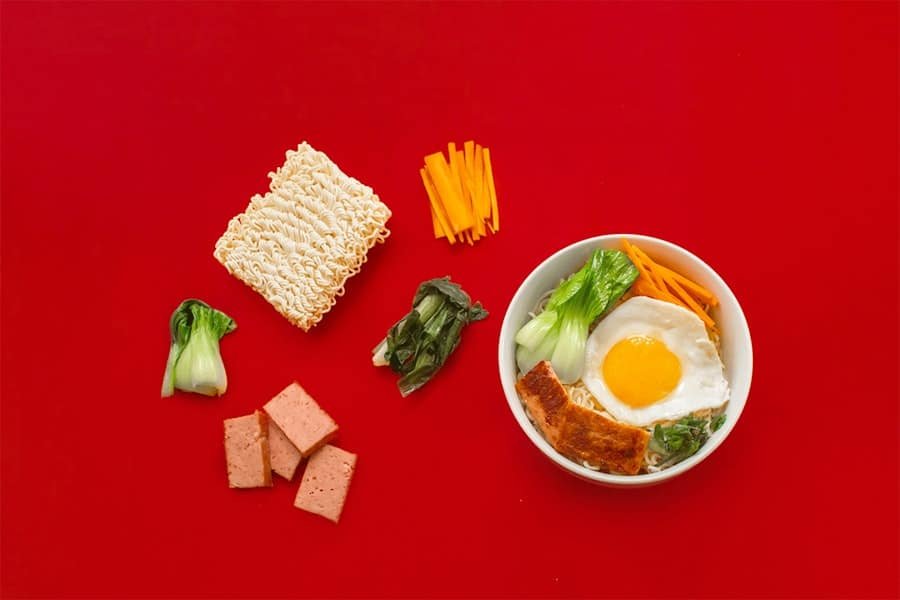
To successfully navigate the Keto diet, you need to familiarize yourself with macronutrients—commonly referred to as macros—which include carbohydrates, proteins, and fats. On a standard Keto diet, your primary focus will be on drastically reducing carbohydrate intake while increasing your consumption of healthy fats. This shift in macronutrient ratios is crucial for achieving and maintaining ketosis.
You might find it helpful to track your daily intake using apps or food diaries to ensure you’re meeting your macro goals. Understanding how to balance these macros can be a game-changer in your Keto journey. For instance, while fats should make up the majority of your caloric intake, not all fats are created equal.
You’ll want to prioritize healthy sources of fat such as avocados, nuts, seeds, olive oil, and fatty fish. Proteins should be consumed in moderation; while they are essential for muscle maintenance and overall health, excessive protein can be converted into glucose through a process called gluconeogenesis, which could hinder your ability to stay in ketosis.
Basic Keto Meal Planning
Meal planning is an essential component of successfully adhering to the Keto diet. By planning your meals ahead of time, you can ensure that you have access to keto-friendly foods and avoid the temptation of high-carb options when hunger strikes. Start by creating a weekly meal plan that includes breakfast, lunch, dinner, and snacks.
This will not only help you stay organized but also save time and reduce stress during busy weekdays. When planning your meals, consider incorporating a variety of foods to keep things interesting. Focus on whole foods such as leafy greens, non-starchy vegetables, high-quality proteins, and healthy fats.
You might also want to experiment with different cooking methods and flavors to keep your meals exciting. Don’t forget to include snacks in your meal plan; having keto-friendly options readily available can help curb cravings and keep you on track throughout the day.
Keto Meal Prep Tips for Beginners
As a beginner on the Keto diet, meal prep can be a lifesaver in maintaining your commitment to this lifestyle. Start by dedicating a few hours each week to prepare meals in advance. This could involve batch cooking proteins like chicken or beef, roasting vegetables, or preparing keto-friendly snacks such as fat bombs or cheese crisps.
By having these items ready to go, you’ll be less likely to reach for unhealthy options when hunger strikes. Another helpful tip is to invest in quality storage containers that make it easy to portion out meals for the week ahead. Labeling containers with dates can also help you keep track of freshness.
Additionally, consider preparing versatile ingredients that can be used in multiple meals throughout the week; for example, roasted vegetables can be added to salads or served alongside proteins for dinner. This approach not only saves time but also reduces food waste.
Easy and Delicious Keto Breakfast Ideas
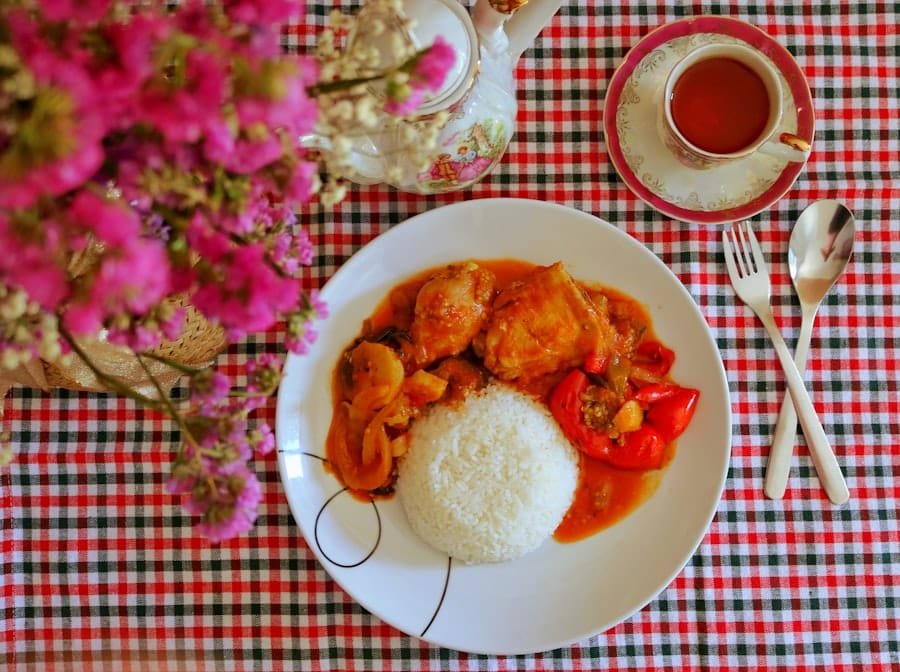
Breakfast is often touted as the most important meal of the day, and on the Keto diet, there are plenty of delicious options to kickstart your morning. One popular choice is scrambled eggs cooked in butter or coconut oil, paired with avocado slices for added healthy fats. You might also enjoy a breakfast casserole made with eggs, cheese, and your favorite low-carb vegetables baked together for a hearty start.
If you’re looking for something sweet without the carbs, consider making chia seed pudding with unsweetened almond milk and a touch of vanilla extract. Chia seeds are high in fiber and healthy fats, making them an excellent choice for a keto breakfast. You could also whip up a smoothie using spinach, avocado, coconut milk, and a scoop of protein powder for a quick and nutritious option that keeps you full until lunchtime.
Simple Keto Lunch and Dinner Recipes
When it comes to lunch and dinner on the Keto diet, simplicity is key. One easy recipe is a zoodle (zucchini noodle) stir-fry with your choice of protein—such as shrimp or chicken—tossed in a low-carb sauce like soy sauce or coconut aminos. This dish is not only quick to prepare but also packed with flavor and nutrients.
Another satisfying option is a hearty salad topped with grilled chicken or salmon, mixed greens, avocado, nuts, and a drizzle of olive oil or vinaigrette dressing. You can customize this salad with various toppings like cheese or seeds to suit your taste preferences. For dinner, consider making a creamy cauliflower mash as a substitute for traditional mashed potatoes; simply steam cauliflower until tender and blend it with butter and cream for a rich side dish that complements any protein.
Keto Snack Ideas for On-the-Go
Snacking can be challenging on the Keto diet if you’re not prepared; however, there are plenty of delicious options that fit within your macro goals. One easy snack idea is cheese sticks or slices paired with olives or pickles for a savory treat that satisfies cravings without derailing your progress. You might also enjoy hard-boiled eggs seasoned with salt and pepper for a protein-packed snack that’s easy to grab on the go.
If you’re looking for something sweet yet keto-friendly, consider making fat bombs—small bites made from ingredients like coconut oil, nut butter, and cocoa powder that provide healthy fats while curbing sugar cravings. Another option is beef jerky or pork rinds; just be sure to check labels for added sugars or carbs. Having these snacks readily available will help you stay on track while navigating busy days.
How to Stay on Track with the Keto Diet
Staying committed to the Keto diet can be challenging at times; however, there are several strategies you can employ to help maintain your focus and motivation. One effective method is setting realistic goals for yourself—whether it’s aiming for a specific weight loss target or simply committing to trying new recipes each week. Tracking your progress can also provide valuable insights into what works best for you.
Additionally, surrounding yourself with supportive individuals can make a significant difference in your journey. Consider joining online communities or local groups where you can share experiences and tips with others who are also following the Keto lifestyle. Engaging with like-minded individuals can provide encouragement during challenging moments and help reinforce your commitment to this dietary approach.
Common Mistakes to Avoid on the Keto Diet
As you embark on your Keto journey, it’s essential to be aware of common pitfalls that could hinder your progress. One frequent mistake is underestimating carbohydrate intake; even small amounts of hidden sugars in sauces or processed foods can add up quickly and impact ketosis. Always read labels carefully and opt for whole foods whenever possible.
Another common error is neglecting hydration and electrolyte balance. As your body adapts to burning fat for fuel instead of carbohydrates, it may excrete more water and electrolytes—leading to symptoms often referred to as “keto flu.” To combat this issue, ensure you’re drinking plenty of water and consider supplementing with electrolytes like sodium, potassium, and magnesium.
Resources for Keto Meal Planning and Recipes
To make your transition into the Keto lifestyle smoother, numerous resources are available at your fingertips. Websites dedicated to keto recipes often provide meal plans tailored specifically for beginners; these can serve as excellent starting points as you learn how to navigate this new way of eating. Additionally, cookbooks focused on keto cuisine can offer inspiration and guidance in creating delicious meals.
Social media platforms like Instagram and Pinterest are also treasure troves of keto-friendly recipes and meal ideas shared by fellow enthusiasts. Following popular keto influencers can provide motivation as well as practical tips on meal prep and planning. Lastly, consider utilizing mobile apps designed for tracking macros; these tools can simplify the process of monitoring your food intake while ensuring you stay aligned with your dietary goals.
In conclusion, embarking on the Keto diet can be an exciting journey filled with new flavors and experiences. By understanding its principles and benefits while being mindful of common pitfalls, you can set yourself up for success in achieving your health goals. With careful meal planning and preparation combined with delicious recipes at hand, you’ll find that maintaining this lifestyle becomes not only manageable but enjoyable as well.
FAQs
What is a keto diet?
A keto diet is a low-carb, high-fat diet that involves reducing carbohydrate intake and replacing it with fat. This reduction in carbs puts the body into a metabolic state called ketosis, where the body becomes efficient at burning fat for energy.
What are the benefits of a keto diet?
Some potential benefits of a keto diet include weight loss, improved blood sugar control, increased mental clarity, and reduced risk of certain diseases such as diabetes and heart disease.
What are some examples of keto-friendly foods?
Keto-friendly foods include meat, fish, eggs, high-fat dairy products, low-carb vegetables, nuts and seeds, and healthy fats such as avocado and olive oil.
What are some meal ideas for beginners on a keto diet?
Some meal ideas for beginners on a keto diet include bacon and eggs for breakfast, a salad with grilled chicken for lunch, and salmon with roasted vegetables for dinner. Snack options can include cheese, nuts, or celery with almond butter.
How can I ensure I am getting enough nutrients on a keto diet?
It’s important to focus on nutrient-dense foods such as leafy greens, cruciferous vegetables, and berries. Additionally, incorporating a variety of protein sources and healthy fats can help ensure you are getting a wide range of nutrients.
Are there any potential side effects of starting a keto diet?
Some people may experience initial side effects when starting a keto diet, often referred to as the “keto flu.” These can include fatigue, headache, dizziness, and irritability. It’s important to stay hydrated and ensure you are consuming enough electrolytes during this transition period.





