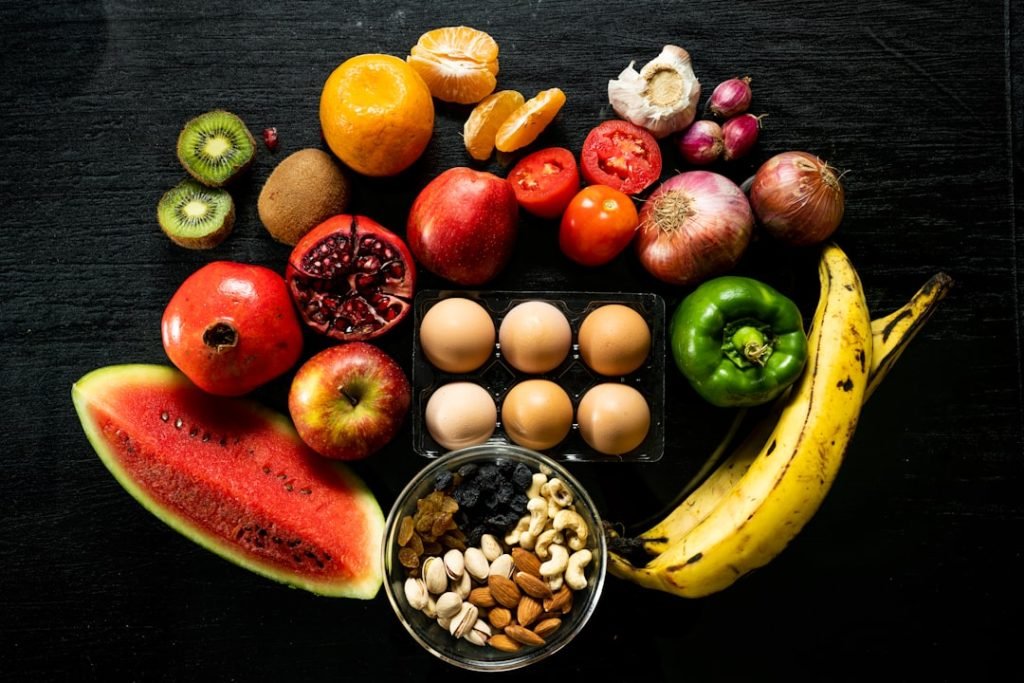
When you embark on a ketogenic diet with the goal of muscle gain, it’s essential to understand the types of foods that will support your objectives. The ketogenic diet is characterized by a high-fat, moderate-protein, and very low-carbohydrate intake. This macronutrient distribution encourages your body to enter a state of ketosis, where it burns fat for fuel instead of carbohydrates.
To effectively gain muscle while adhering to this diet, you need to focus on foods that not only align with these macronutrient ratios but also provide the necessary nutrients to support muscle growth and recovery. Incorporating the right foods into your diet can make a significant difference in your muscle-building journey. You should prioritize nutrient-dense options that are rich in healthy fats and proteins while keeping carbohydrates to a minimum.
This means selecting whole, unprocessed foods that provide essential vitamins and minerals. By understanding the principles of keto muscle gain foods, you can create a balanced diet that fuels your workouts and promotes muscle growth without compromising your dietary goals.
Key Takeaways
- Protein is essential for muscle gain on a keto diet
- Best sources of protein for keto muscle gain include lean meats, eggs, and dairy products
- Healthy fats are important for energy and hormone production in a keto muscle gain diet
- Low-carb vegetables and keto-friendly fruits are important for nutrient density in a muscle gain diet
- Proper hydration and electrolyte balance are crucial for muscle gain on a keto diet
Importance of Protein in Keto Muscle Gain
Protein plays a pivotal role in muscle gain, especially on a ketogenic diet. As you engage in resistance training or other forms of exercise, your muscles undergo stress and micro-tears. Protein is crucial for repairing these tears and building new muscle tissue.
On a keto diet, where carbohydrate intake is limited, ensuring adequate protein consumption becomes even more critical. It helps maintain muscle mass while promoting fat loss, allowing you to achieve a leaner physique. Moreover, protein has a higher thermic effect compared to fats and carbohydrates, meaning your body burns more calories digesting it.
This can be particularly beneficial when you’re trying to lose fat while gaining muscle. You should aim for a moderate protein intake that supports your workout regimen without exceeding your carbohydrate limits. Striking the right balance will help you maximize muscle gain while staying in ketosis.
Best Sources of Protein for Keto Muscle Gain
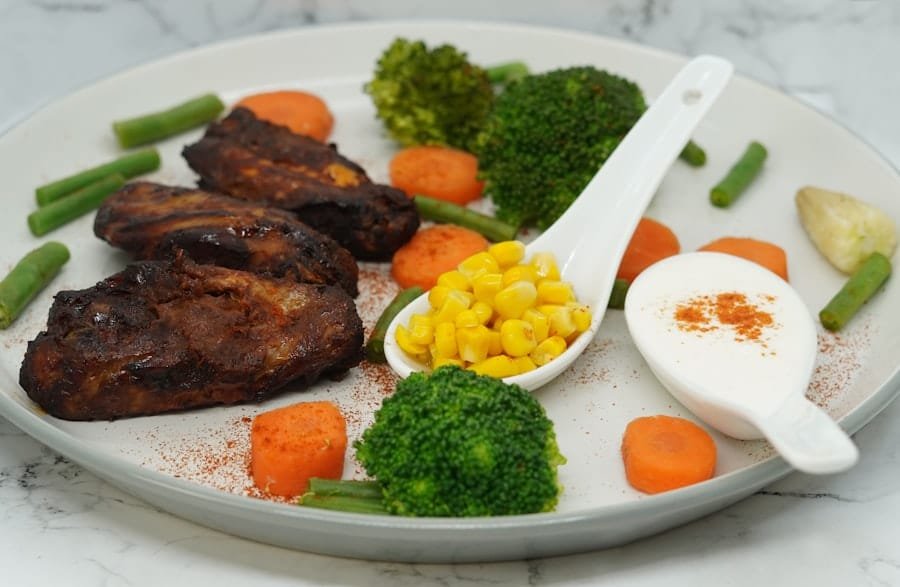
When it comes to selecting protein sources on a ketogenic diet, you have plenty of options that can help you meet your muscle gain goals. Animal-based proteins are often the most effective due to their complete amino acid profiles. Options like grass-fed beef, free-range chicken, and wild-caught fish are excellent choices.
These proteins not only provide the necessary building blocks for muscle repair but also come packed with essential nutrients like omega-3 fatty acids and vitamins. In addition to animal proteins, you can also incorporate plant-based sources into your diet. While they may not be as protein-dense as animal products, options like hemp seeds, chia seeds, and certain legumes can still contribute to your overall protein intake.
However, be mindful of the carbohydrate content in these plant-based sources, as some may contain higher levels than you would want on a keto diet. By diversifying your protein sources, you can ensure that you’re getting a wide range of nutrients while supporting your muscle gain efforts.
Incorporating Healthy Fats in Keto Muscle Gain Diet
Healthy fats are the cornerstone of a ketogenic diet and play an essential role in muscle gain as well. They provide a concentrated source of energy that fuels your workouts and daily activities. When you reduce carbohydrate intake, your body relies on fats for energy, making it crucial to choose high-quality fat sources.
Avocados, olive oil, coconut oil, and nuts are excellent options that not only provide energy but also contain beneficial nutrients. Incorporating healthy fats into your meals can also help you feel satiated and satisfied, reducing the likelihood of cravings or overeating. You should aim to include a variety of fats in your diet to ensure you’re getting a balance of omega-3 and omega-6 fatty acids.
This balance is vital for reducing inflammation and supporting overall health, which is particularly important when you’re engaging in intense training sessions aimed at building muscle.
Importance of Carbohydrates in Keto Muscle Gain
While carbohydrates are typically limited on a ketogenic diet, they still play a role in muscle gain, especially around workout times. Carbs provide quick energy that can enhance performance during high-intensity workouts. Although you may not consume them in large quantities, strategically incorporating low-carb options can help replenish glycogen stores post-exercise and support recovery.
You should focus on timing your carbohydrate intake around your workouts to maximize their benefits. Consuming small amounts of low-glycemic carbohydrates before or after training can help improve performance and recovery without disrupting ketosis. This approach allows you to enjoy the benefits of carbohydrates while still adhering to the principles of a ketogenic diet.
Low-Carb Vegetables for Keto Muscle Gain

Nutrient-Dense Leafy Greens
Leafy greens like spinach, kale, and arugula are excellent choices that are low in calories but high in vitamins and minerals. They can be easily incorporated into salads or smoothies for added nutrition.
Low-Carb Vegetables for Added Fiber
Other low-carb vegetables such as broccoli, cauliflower, zucchini, and bell peppers can also enhance your meals while providing fiber that aids digestion. Including these vegetables not only helps you meet your micronutrient needs but also adds volume to your meals without significantly increasing calorie intake.
Supporting Muscle Growth and Body Composition
This is especially important when you’re trying to build muscle while managing body composition.
Keto-Friendly Fruits for Muscle Gain
While fruits are often associated with higher carbohydrate content, there are still keto-friendly options that can fit into your muscle gain plan. Berries such as strawberries, raspberries, and blackberries are lower in sugar compared to other fruits and can be enjoyed in moderation. They are rich in antioxidants and vitamins that support overall health and recovery from workouts.
Incorporating these fruits into your diet can add variety and flavor without derailing your ketogenic goals. You might consider using them in smoothies or as toppings for keto-friendly desserts. Just remember to keep portion sizes in check to ensure you stay within your carbohydrate limits while still reaping the benefits of these nutrient-dense foods.
Nutrient-Dense Foods for Keto Muscle Gain
To effectively gain muscle on a ketogenic diet, focusing on nutrient-dense foods is crucial. These foods provide essential vitamins and minerals that support overall health and recovery while helping you meet your macronutrient goals. Foods like eggs, fatty fish, nuts, seeds, and avocados are not only high in healthy fats but also packed with nutrients that promote muscle growth.
In addition to these staples, consider incorporating organ meats like liver or heart into your diet. These foods are incredibly nutrient-dense and can provide vitamins such as B12 and iron that are vital for energy production and muscle function. By prioritizing nutrient-dense foods, you can ensure that you’re fueling your body with everything it needs to thrive while pursuing your muscle gain goals.
Hydration and Electrolytes for Keto Muscle Gain
Hydration is often overlooked but is essential for optimal performance and recovery on a ketogenic diet. When you reduce carbohydrate intake, your body tends to excrete more water and electrolytes, which can lead to dehydration if not addressed properly. Staying hydrated helps maintain energy levels during workouts and supports overall bodily functions.
In addition to water, consider replenishing electrolytes such as sodium, potassium, and magnesium through food sources or supplements. Foods like avocados, leafy greens, nuts, and bone broth can help restore electrolyte balance while keeping you hydrated. Proper hydration and electrolyte management will not only enhance your workout performance but also aid in recovery after intense training sessions.
Pre- and Post-Workout Nutrition for Keto Muscle Gain
Pre- and post-workout nutrition is critical for maximizing muscle gain on a ketogenic diet. Before exercising, consider consuming a small meal or snack that includes healthy fats and moderate protein to fuel your workout without causing digestive discomfort. Options like a handful of nuts or a protein shake made with coconut milk can provide the necessary energy without spiking insulin levels.
After your workout, focus on replenishing nutrients lost during exercise. A post-workout meal rich in protein will help repair muscles while healthy fats will keep you satiated. You might opt for grilled chicken with avocado or a smoothie made with protein powder and spinach.
Timing your nutrition around workouts ensures that you’re providing your body with the resources it needs for recovery and growth.
Meal Planning and Recipes for Keto Muscle Gain
Meal planning is an effective strategy for anyone looking to gain muscle on a ketogenic diet. By preparing meals ahead of time, you can ensure that you have access to nutrient-dense foods that align with your dietary goals. Start by creating a weekly menu that includes a variety of proteins, healthy fats, low-carb vegetables, and keto-friendly fruits.
Consider experimenting with recipes that incorporate these elements into delicious meals. For instance, try making zucchini noodles topped with ground beef and marinara sauce made from low-carb ingredients or prepare an egg-based breakfast casserole loaded with spinach and cheese for an easy grab-and-go option during busy mornings. By planning ahead and being creative in the kitchen, you can enjoy satisfying meals that support your muscle gain journey while adhering to the principles of a ketogenic diet.
In conclusion, gaining muscle on a ketogenic diet requires careful consideration of food choices and meal planning strategies. By understanding the importance of protein, healthy fats, low-carb vegetables, and hydration while incorporating nutrient-dense foods into your meals, you can effectively support your fitness goals while enjoying the benefits of a ketogenic lifestyle.
FAQs
What are keto muscle gain foods?
Keto muscle gain foods are high-protein, low-carbohydrate foods that are suitable for individuals following a ketogenic diet and looking to build muscle mass.
What are some examples of keto muscle gain foods?
Examples of keto muscle gain foods include lean meats such as chicken, turkey, and beef, fatty fish like salmon and mackerel, eggs, dairy products like Greek yogurt and cheese, nuts and seeds, and low-carbohydrate vegetables such as spinach, broccoli, and cauliflower.
How do keto muscle gain foods support muscle growth?
Keto muscle gain foods provide the necessary protein and essential nutrients to support muscle growth and repair. They also help maintain a state of ketosis, which can aid in fat loss and lean muscle development.
Can keto muscle gain foods be part of a balanced diet?
Yes, keto muscle gain foods can be part of a balanced diet when combined with a variety of other nutrient-dense foods such as healthy fats, fiber-rich vegetables, and limited amounts of carbohydrates from sources like fruits and whole grains.
Are there any potential drawbacks to consuming keto muscle gain foods?
Some potential drawbacks of consuming keto muscle gain foods include the risk of inadequate fiber intake, potential nutrient deficiencies, and the need to carefully monitor macronutrient intake to maintain ketosis. It’s important to consult with a healthcare professional before making significant changes to your diet.