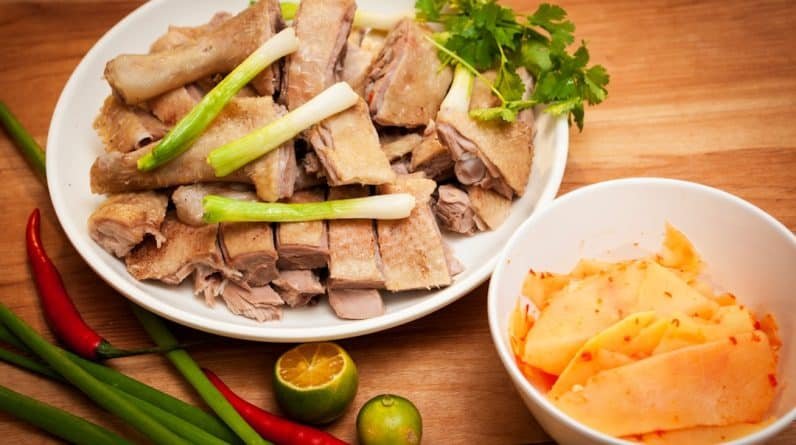
The Keto diet, short for the ketogenic diet, is a high-fat, low-carbohydrate eating plan designed to shift your body’s metabolism away from carbohydrates and towards fat. By drastically reducing your intake of carbohydrates and replacing them with fats, you encourage your body to enter a state known as ketosis. In this metabolic state, your body becomes incredibly efficient at burning fat for energy, which can lead to significant weight loss and other health benefits.
The typical macronutrient breakdown for a keto diet consists of approximately 70-75% fats, 20-25% protein, and only about 5-10% carbohydrates. This diet has gained immense popularity over the years, not just for its weight loss potential but also for its purported health benefits. Originally developed in the 1920s as a treatment for epilepsy, the keto diet has evolved into a lifestyle choice for many seeking to improve their overall health.
You may find that the keto diet appeals to you if you are looking for a structured approach to eating that can lead to quick results. However, it’s essential to understand the principles behind it before diving in.
Key Takeaways
- The Keto Diet is a high-fat, low-carbohydrate diet that aims to put the body into a state of ketosis, where it burns fat for fuel instead of carbohydrates.
- The Keto Diet works by drastically reducing carbohydrate intake and replacing it with fat, which forces the body to use fat for energy instead of glucose.
- Benefits of the Keto Diet may include weight loss, improved blood sugar control, and increased mental clarity and focus.
- Foods to eat on the Keto Diet include meat, fish, eggs, high-fat dairy, low-carb vegetables, and healthy fats like avocado and olive oil.
- Foods to avoid on the Keto Diet include grains, sugar, starchy vegetables, fruit, and most processed foods.
How Does the Keto Diet Work?
At its core, the keto diet works by altering your body’s primary energy source. When you consume a high amount of carbohydrates, your body converts them into glucose, which is then used for energy. However, when you significantly reduce your carbohydrate intake, your body is forced to find an alternative fuel source.
This is where ketosis comes into play. In this state, your liver converts fatty acids into ketones, which serve as an alternative energy source for your brain and body. To achieve and maintain ketosis, you need to be diligent about your carbohydrate intake.
This means not only cutting out obvious sources of carbs like bread and pasta but also being mindful of hidden sugars in processed foods. As you adapt to this new way of eating, your body becomes more efficient at utilizing fat for energy, which can lead to increased mental clarity and sustained energy levels throughout the day. You may notice that your cravings for sugary snacks diminish as your body adjusts to this new metabolic state.
Benefits of the Keto Diet

One of the most appealing aspects of the keto diet is its potential for rapid weight loss. Many individuals report losing significant amounts of weight within the first few weeks of starting the diet. This initial weight loss is often attributed to a reduction in water weight as your body depletes its glycogen stores.
However, as you continue on the diet, fat loss becomes more pronounced. The high-fat content of the diet can also help you feel fuller for longer periods, reducing the likelihood of snacking between meals. Beyond weight loss, the keto diet has been linked to various health benefits.
Some studies suggest that it may improve insulin sensitivity and lower blood sugar levels, making it a potential option for those with type 2 diabetes. Additionally, there is emerging evidence that the keto diet may have neuroprotective effects, potentially benefiting individuals with neurological disorders such as Alzheimer’s disease and Parkinson’s disease. As you explore this dietary approach, you may find that it not only helps with weight management but also enhances your overall well-being.
Foods to Eat on the Keto Diet
When embarking on the keto diet, it’s crucial to focus on foods that align with its macronutrient ratios. Healthy fats should be your primary source of calories. Foods such as avocados, olive oil, coconut oil, and nuts are excellent choices that provide essential fatty acids while keeping your carb intake low.
Additionally, fatty cuts of meat like ribeye steak or pork belly can be satisfying options that help you meet your protein needs without exceeding your carb limits. Incorporating low-carb vegetables into your meals is also essential for maintaining a balanced diet while on keto. Leafy greens like spinach and kale, as well as cruciferous vegetables like broccoli and cauliflower, are nutrient-dense options that can add variety to your meals without adding excessive carbohydrates.
Dairy products such as cheese and heavy cream can also be included in moderation, providing both flavor and fat content. As you plan your meals, aim for a diverse range of foods to ensure you’re getting all the necessary nutrients while staying within your carb limits.
Foods to Avoid on the Keto Diet
To successfully navigate the keto diet, it’s equally important to know which foods to avoid. High-carbohydrate foods are the primary culprits that can derail your progress. This includes obvious sources like bread, pasta, rice, and sugary snacks.
However, many people are surprised to learn that certain fruits and starchy vegetables can also be high in carbs and should be limited or avoided altogether. For instance, bananas, grapes, potatoes, and corn can quickly add up in carbohydrate content. Processed foods often contain hidden sugars and unhealthy fats that can hinder your ability to maintain ketosis.
It’s wise to read labels carefully and steer clear of items that list sugar or high-fructose corn syrup among their ingredients. Additionally, be cautious with condiments and sauces; many contain added sugars that can sabotage your efforts. By being mindful of what you consume and focusing on whole, unprocessed foods, you’ll set yourself up for success on the keto journey.
Tips for Starting the Keto Diet
Starting any new diet can be challenging, but with the right strategies in place, you can make the transition to keto smoother and more enjoyable. One effective tip is to plan your meals ahead of time. By preparing meals in advance and having keto-friendly snacks on hand, you’ll be less likely to reach for high-carb options when hunger strikes.
Consider creating a weekly meal plan that includes a variety of recipes to keep things interesting. Another helpful strategy is to gradually reduce your carbohydrate intake rather than cutting it out entirely overnight. This approach can help minimize potential side effects associated with transitioning into ketosis, such as fatigue or irritability.
Additionally, staying hydrated is crucial; drinking plenty of water can help alleviate some common symptoms during the initial adjustment period. As you embark on this journey, remember that patience is key—allow yourself time to adapt to this new way of eating.
Common Misconceptions about the Keto Diet
Despite its popularity, there are several misconceptions surrounding the keto diet that can lead to confusion or hesitation about trying it. One common myth is that consuming high amounts of fat will lead to heart disease or other health issues. However, research has shown that healthy fats can actually improve cholesterol levels and support heart health when consumed in moderation as part of a balanced diet.
Another misconception is that the keto diet is unsustainable in the long term due to its restrictive nature. While it’s true that some people may find it challenging to adhere strictly to keto indefinitely, many individuals successfully incorporate elements of the diet into their lifestyle without feeling deprived. You might find that adopting a more flexible approach—such as cycling in and out of ketosis—can make it easier to maintain over time while still reaping its benefits.
Potential Side Effects of the Keto Diet
As with any dietary change, there are potential side effects associated with the keto diet that you should be aware of before starting. One common issue is known as “keto flu,” which can occur during the initial transition into ketosis. Symptoms may include fatigue, headaches, irritability, and digestive discomfort as your body adjusts to burning fat instead of carbohydrates.
These symptoms typically subside within a few days to a week as your body adapts. Another consideration is nutrient deficiencies that may arise from restricting certain food groups. While focusing on low-carb foods is essential for maintaining ketosis, it’s crucial to ensure you’re still getting adequate vitamins and minerals from other sources.
Incorporating a variety of low-carb vegetables and considering supplementation when necessary can help mitigate this risk. As you embark on your keto journey, staying informed about potential side effects will empower you to make adjustments as needed for a healthier experience overall. In conclusion, the keto diet offers a unique approach to nutrition that emphasizes high-fat consumption while minimizing carbohydrates.
By understanding how it works and being mindful of what foods to include or avoid, you can set yourself up for success on this dietary journey. With its potential benefits ranging from weight loss to improved health markers, many individuals find that adopting a ketogenic lifestyle aligns well with their goals. As you navigate this path, remember to listen to your body and make adjustments as needed—your journey is uniquely yours!
FAQs
What is the keto diet?
The keto diet is a high-fat, low-carbohydrate diet that has been shown to help with weight loss and improve certain health conditions. It involves drastically reducing carbohydrate intake and replacing it with fat, which puts the body into a metabolic state called ketosis.
How does the keto diet work?
The keto diet works by forcing the body to burn fat for fuel instead of carbohydrates. When carbohydrate intake is low, the body produces ketones from fat, which are used as an alternative fuel source. This can lead to weight loss and improved energy levels.
What foods are allowed on the keto diet?
Foods allowed on the keto diet include high-fat foods such as meat, fish, eggs, dairy, nuts, seeds, and healthy oils. Low-carbohydrate vegetables such as leafy greens, broccoli, and cauliflower are also included. Foods to avoid include high-carbohydrate foods such as grains, sugars, fruits, and starchy vegetables.
What are the potential benefits of the keto diet?
Potential benefits of the keto diet include weight loss, improved blood sugar control, reduced inflammation, and increased mental clarity. Some studies have also shown that the keto diet may be beneficial for certain neurological conditions such as epilepsy and Alzheimer’s disease.
Are there any potential risks or side effects of the keto diet?
Potential risks and side effects of the keto diet may include nutrient deficiencies, constipation, bad breath, and the “keto flu” which can cause fatigue, headache, and irritability in the initial stages of starting the diet. It is important to consult with a healthcare professional before starting the keto diet, especially for those with certain medical conditions.