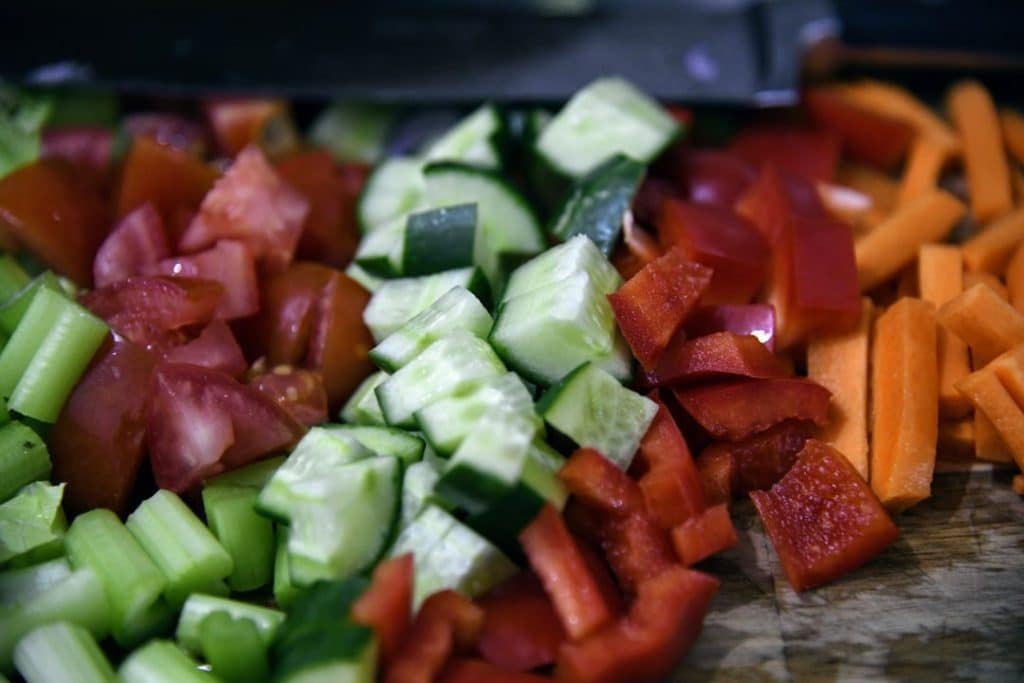
The ketogenic diet, commonly known as the keto diet, has gained immense popularity in recent years as a powerful tool for weight loss and improved health. At its core, the keto diet emphasizes a high-fat, moderate-protein, and very low-carbohydrate intake. This macronutrient shift encourages your body to enter a state of ketosis, where it burns fat for fuel instead of carbohydrates.
While many people focus on the fats and proteins they consume, the role of vegetables in a keto diet is equally important. Vegetables not only provide essential nutrients but also add variety and flavor to your meals. When embarking on a keto journey, it’s crucial to understand which vegetables align with your dietary goals.
Not all vegetables are created equal in terms of carbohydrate content, and some can significantly impact your daily carb allowance. By choosing the right low-carb vegetables, you can enjoy a diverse array of flavors and textures while staying within your keto limits. This article will explore various categories of keto-friendly vegetables, their benefits, and how to incorporate them into your meal plan effectively.
Key Takeaways
- The keto diet focuses on high fat, moderate protein, and low carb intake, making vegetables an important part of the diet.
- Low-carb vegetables such as spinach, broccoli, and cauliflower are excellent choices for the keto diet as they are low in net carbs and high in fiber.
- Cruciferous vegetables like kale, Brussels sprouts, and cabbage are packed with nutrients and are great for the keto diet due to their low carb content.
- Leafy greens such as lettuce, Swiss chard, and arugula are not only low in carbs but also high in vitamins and minerals, making them ideal for the keto diet.
- Keto-friendly root vegetables like turnips and rutabagas can be enjoyed in moderation on the keto diet due to their lower carb content compared to other root vegetables.
Low-Carb Vegetables for Keto Diet
As you navigate the world of the keto diet, you’ll discover that not all vegetables fit seamlessly into your low-carb lifestyle. Low-carb vegetables are those that contain minimal carbohydrates while still offering a wealth of vitamins, minerals, and fiber. These vegetables are essential for maintaining overall health and ensuring that you receive adequate nutrition while adhering to your dietary restrictions.
By focusing on low-carb options, you can enjoy a satisfying variety of dishes without jeopardizing your ketosis. Some of the most popular low-carb vegetables include zucchini, bell peppers, asparagus, and mushrooms. These vegetables are not only low in carbs but also rich in antioxidants and other beneficial compounds.
For instance, zucchini can be spiralized into noodles for a delicious alternative to traditional pasta, while bell peppers add a sweet crunch to salads and stir-fries. Incorporating these low-carb options into your meals will help you stay on track with your keto goals while enjoying the flavors and textures that vegetables bring to the table.
Cruciferous Vegetables for Keto Diet
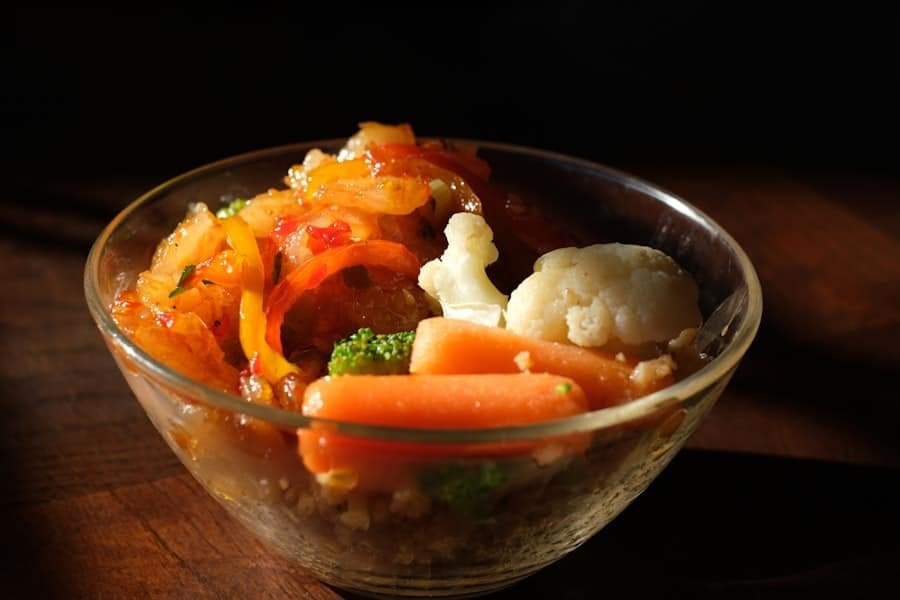
Cruciferous vegetables are a standout category when it comes to keto-friendly options. This family of vegetables includes broccoli, cauliflower, Brussels sprouts, and kale, all of which are low in carbohydrates and high in fiber. These nutrient-dense vegetables are not only versatile but also packed with vitamins C and K, folate, and various phytonutrients that support overall health.
Including cruciferous vegetables in your diet can help you meet your nutritional needs while keeping your carb intake in check. One of the most exciting aspects of cruciferous vegetables is their adaptability in various dishes. For example, cauliflower can be transformed into rice or mashed potatoes, providing a satisfying base for many meals without the added carbs.
Broccoli can be roasted or steamed as a side dish or incorporated into casseroles for added texture and flavor. By experimenting with different cooking methods and recipes, you can discover new ways to enjoy these nutritious vegetables while adhering to your keto lifestyle.
Leafy Greens for Keto Diet
Leafy greens are another essential component of a well-rounded keto diet. Spinach, kale, arugula, and Swiss chard are just a few examples of leafy greens that are not only low in carbohydrates but also rich in vitamins A, C, and K, as well as minerals like iron and calcium. These greens are incredibly versatile and can be used in salads, smoothies, or as a base for various dishes.
Their mild flavors allow them to complement a wide range of ingredients, making them an excellent choice for any meal. Incorporating leafy greens into your diet can also provide significant health benefits. The high fiber content in these vegetables aids digestion and helps maintain a healthy gut microbiome.
Additionally, the antioxidants found in leafy greens can help combat inflammation and support overall wellness. By making leafy greens a staple in your meals, you can enhance both the nutritional value and flavor profile of your dishes while staying true to your keto goals.
Keto-Friendly Root Vegetables
While many root vegetables are typically high in carbohydrates, there are still some options that can fit into your keto diet without compromising your carb limits. Radishes and turnips are two excellent examples of root vegetables that are low in carbs yet packed with flavor and nutrients. These vegetables can add depth to your meals while providing essential vitamins and minerals.
Radishes, for instance, can be roasted or sautéed to bring out their natural sweetness, making them a delightful addition to salads or side dishes. Turnips can be mashed or used in soups as a hearty alternative to potatoes. By incorporating these keto-friendly root vegetables into your meal plan, you can enjoy the comforting flavors associated with root veggies without derailing your dietary goals.
Non-Starchy Vegetables for Keto Diet
Nutritious and Refreshing Options
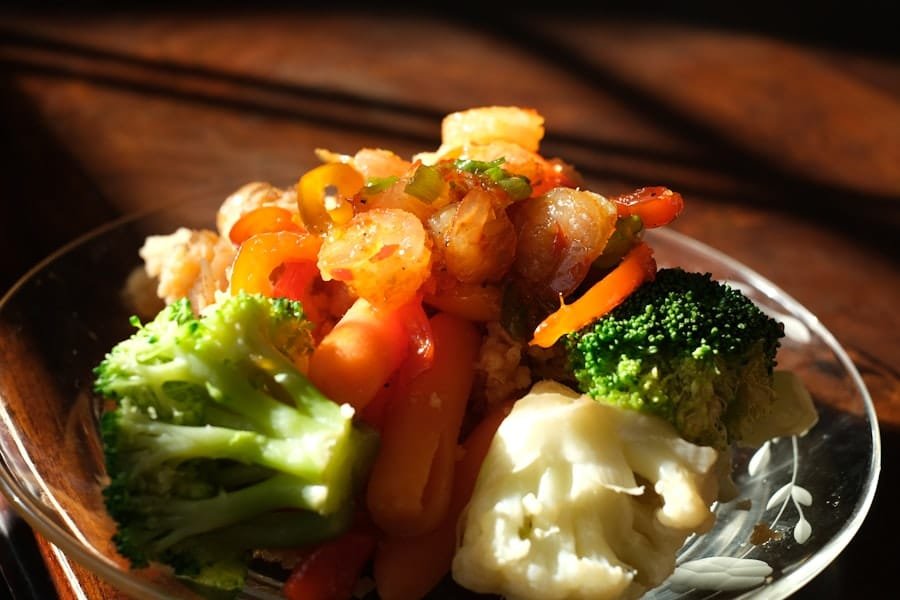
Cucumbers are particularly refreshing and can be enjoyed raw in salads or as crunchy snacks with dips. Bell peppers add vibrant colors and flavors to dishes while being low in calories and carbs.
Versatile and Delicious
Zucchini is incredibly versatile; it can be spiralized into noodles or grilled as a side dish. Eggplant is another great option, providing a meaty texture and flavor to a variety of dishes.
Creating Balanced and Satisfying Meals
By incorporating a variety of non-starchy vegetables into your meals, you can create colorful plates that are both satisfying and aligned with your keto goals.
Best Ways to Prepare Keto Vegetables
Preparing keto-friendly vegetables can be both fun and creative. There are numerous cooking methods that enhance their flavors while keeping them healthy. Roasting is one popular technique that caramelizes the natural sugars in vegetables, resulting in a deliciously sweet taste.
Tossing your favorite low-carb veggies with olive oil, salt, and pepper before roasting them in the oven can create an irresistible side dish that pairs well with any protein. Another excellent way to prepare keto vegetables is by sautéing them in healthy fats like olive oil or coconut oil. This method allows you to infuse the veggies with additional flavors from herbs and spices while keeping them tender-crisp.
Steaming is another option that preserves the nutrients in the vegetables while providing a light texture that works well in salads or as side dishes. By experimenting with different cooking techniques, you can discover new ways to enjoy keto-friendly vegetables while keeping your meals exciting.
Incorporating Keto Vegetables into Your Meal Plan
Incorporating keto-friendly vegetables into your meal plan doesn’t have to be complicated; it simply requires some planning and creativity. Start by selecting a variety of low-carb vegetables that you enjoy and make them the foundation of your meals. For instance, consider creating colorful salads filled with leafy greens, cucumbers, bell peppers, and avocado for healthy fats.
You can also use vegetables as substitutes for higher-carb ingredients. For example, zucchini noodles can replace traditional pasta in your favorite dishes, while cauliflower rice can serve as a base for stir-fries or grain bowls. Additionally, consider adding roasted or sautéed veggies as side dishes to complement your protein sources.
By being intentional about including keto-friendly vegetables in each meal, you’ll not only enhance the nutritional value of your diet but also keep things interesting.
Benefits of Eating Keto Vegetables
The benefits of consuming keto-friendly vegetables extend beyond just maintaining ketosis; they also contribute significantly to overall health and well-being. These vegetables are rich in vitamins, minerals, antioxidants, and fiber—all essential components for optimal health. The high fiber content aids digestion and helps regulate blood sugar levels, making it easier for you to maintain stable energy throughout the day.
Moreover, many low-carb vegetables have anti-inflammatory properties that can support heart health and reduce the risk of chronic diseases. The antioxidants found in these veggies help combat oxidative stress in the body, promoting longevity and vitality. By prioritizing keto-friendly vegetables in your diet, you’re not only supporting your weight loss goals but also investing in long-term health benefits.
Potential Pitfalls to Avoid with Keto Vegetables
While incorporating keto-friendly vegetables into your diet is beneficial, there are potential pitfalls to be aware of as well. One common mistake is overlooking portion sizes; even low-carb vegetables can add up if consumed excessively. It’s essential to track your carb intake carefully to ensure you remain within your daily limits while still enjoying a variety of veggies.
Another pitfall is relying too heavily on processed or packaged vegetable products that may contain hidden sugars or unhealthy additives. Always opt for fresh or frozen whole vegetables whenever possible to maximize nutritional value and minimize unwanted ingredients. By being mindful of these potential pitfalls, you can fully enjoy the benefits of keto-friendly vegetables without compromising your dietary goals.
Enjoying a Variety of Keto Vegetables
In conclusion, embracing a variety of keto-friendly vegetables is key to enjoying a successful ketogenic lifestyle. From cruciferous options like broccoli and cauliflower to leafy greens such as spinach and kale, there is no shortage of delicious choices available to you. By incorporating these low-carb veggies into your meals through various cooking methods and creative recipes, you can enhance both flavor and nutrition while staying within your carb limits.
As you continue on your keto journey, remember that variety is essential not only for keeping meals exciting but also for ensuring you receive a wide range of nutrients necessary for optimal health. So go ahead—explore new vegetable options, experiment with different preparations, and savor the many benefits that come from including these nutritious foods in your diet!
FAQs
What are keto vegetables?
Keto vegetables are low-carb vegetables that are suitable for a ketogenic diet. These vegetables are typically high in fiber and low in net carbs, making them a great choice for those following a keto lifestyle.
What are some examples of keto vegetables?
Some examples of keto vegetables include leafy greens such as spinach, kale, and lettuce, cruciferous vegetables like broccoli, cauliflower, and Brussels sprouts, as well as other low-carb options such as zucchini, bell peppers, and asparagus.
Why are these vegetables suitable for a keto diet?
These vegetables are suitable for a keto diet because they are low in carbohydrates and high in fiber, which can help keep blood sugar levels stable and promote feelings of fullness. This can be beneficial for those looking to maintain ketosis and manage their weight.
How can keto vegetables be incorporated into meals?
Keto vegetables can be incorporated into meals in a variety of ways, such as sautéing them as a side dish, adding them to salads, blending them into smoothies, or using them as a base for low-carb pizza crusts or pasta alternatives.
Are there any vegetables to avoid on a keto diet?
While most vegetables can be included in a keto diet in moderation, some higher-carb options such as potatoes, sweet potatoes, and corn should be consumed sparingly or avoided altogether to stay within the recommended carb limits for ketosis.