The ketogenic diet, commonly known as the keto diet, has gained immense popularity in recent years for its potential to promote weight loss and improve metabolic health. By drastically reducing carbohydrate intake and replacing it with fats, your body enters a state of ketosis, where it becomes efficient at burning fat for energy. While many people experience significant benefits from this dietary approach, it is essential to recognize that such a restrictive diet can lead to potential nutrient deficiencies, particularly vitamins and minerals that are crucial for overall health.
As you embark on a keto journey, it’s vital to understand how this diet can impact your nutritional intake. The elimination of certain food groups, especially fruits, whole grains, and legumes, can limit your access to a variety of essential vitamins. This limitation can lead to deficiencies that may not only affect your general well-being but also have specific consequences for your hair health.
Therefore, being aware of the potential for vitamin deficiency while following a keto diet is crucial for maintaining not just your weight goals but also your overall health.
Key Takeaways
- Keto diet can lead to vitamin deficiencies, which can impact hair health
- Vitamins play a crucial role in maintaining healthy hair
- Common vitamin deficiencies on keto diet include vitamin D, B vitamins, and biotin
- Symptoms of vitamin deficiency can include hair loss, dryness, and brittleness
- Prevent vitamin deficiency on keto diet by consuming a variety of nutrient-dense foods and considering supplementation
The Role of Vitamins in Hair Health
Vitamins play a pivotal role in maintaining healthy hair. They contribute to various biological processes that support hair growth, strength, and overall vitality. For instance, B vitamins, particularly biotin, are known for their role in promoting hair growth and preventing hair loss.
They help in the production of red blood cells, which carry oxygen and nutrients to the scalp and hair follicles, ensuring that your hair receives the nourishment it needs to thrive. Moreover, vitamins such as A, C, D, and E are equally important for hair health. Vitamin A helps in the production of sebum, an oily substance that moisturizes the scalp and keeps hair healthy.
Vitamin C is a powerful antioxidant that protects hair follicles from damage caused by free radicals. Vitamin D plays a role in creating new hair follicles, while vitamin E improves blood circulation in the scalp. Understanding the significance of these vitamins can help you appreciate why maintaining adequate levels is essential, especially when following a restrictive diet like keto.
Common Vitamin Deficiencies on Keto Diet
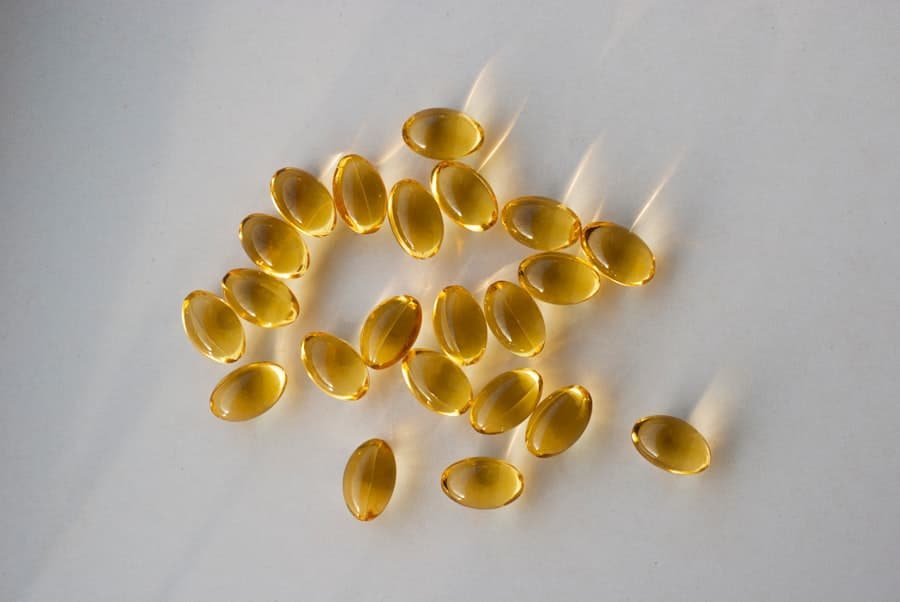
When you adopt a keto diet, certain vitamin deficiencies may become more prevalent due to the limited variety of foods consumed. One common deficiency is that of B vitamins, particularly B12 and biotin. Since many sources of these vitamins are found in grains and fruits—foods that are often restricted on a keto diet—you may find it challenging to meet your daily requirements.
This deficiency can lead to various health issues, including fatigue and hair thinning. Another vitamin that you might find lacking on a keto diet is vitamin D. While it can be obtained from fatty fish and fortified foods, many people still struggle to get enough sunlight exposure or consume sufficient dietary sources.
A deficiency in vitamin D can lead to hair loss and other health complications. Additionally, vitamin E deficiency is also a concern; this vitamin is crucial for maintaining healthy hair follicles and preventing oxidative stress. Being aware of these potential deficiencies can help you take proactive steps to ensure you’re getting the nutrients your body needs.
Symptoms of Vitamin Deficiency and Hair Loss
Recognizing the symptoms of vitamin deficiency is essential for addressing any potential issues before they escalate. If you notice changes in your hair—such as increased shedding or thinning—it may be a sign that your body is lacking essential nutrients. Hair loss can often be one of the first visible signs of a deficiency, particularly if you are not consuming enough vitamins that support hair health.
In addition to hair-related symptoms, you may experience fatigue, weakness, or changes in mood as a result of vitamin deficiencies. For instance, low levels of B12 can lead to feelings of lethargy or depression, while insufficient vitamin D may contribute to feelings of sadness or anxiety. Being attuned to these symptoms can help you identify whether your dietary choices are impacting your overall health and well-being.
Preventing Vitamin Deficiency on Keto Diet
Preventing vitamin deficiencies while on a keto diet requires careful planning and consideration of your food choices. One effective strategy is to incorporate a wide variety of low-carb vegetables into your meals. Leafy greens like spinach and kale are excellent sources of vitamins A, C, and K while being low in carbohydrates.
Additionally, cruciferous vegetables such as broccoli and cauliflower provide essential nutrients without compromising your keto goals. Another approach is to include high-quality sources of fats that are rich in vitamins. For example, avocados are not only a great source of healthy fats but also provide potassium and vitamin E.
Nuts and seeds can also be beneficial; they contain various vitamins and minerals while fitting perfectly into a keto lifestyle. By diversifying your food choices within the parameters of the keto diet, you can significantly reduce the risk of vitamin deficiencies.
Supplementing with Vitamins for Hair Health on Keto Diet
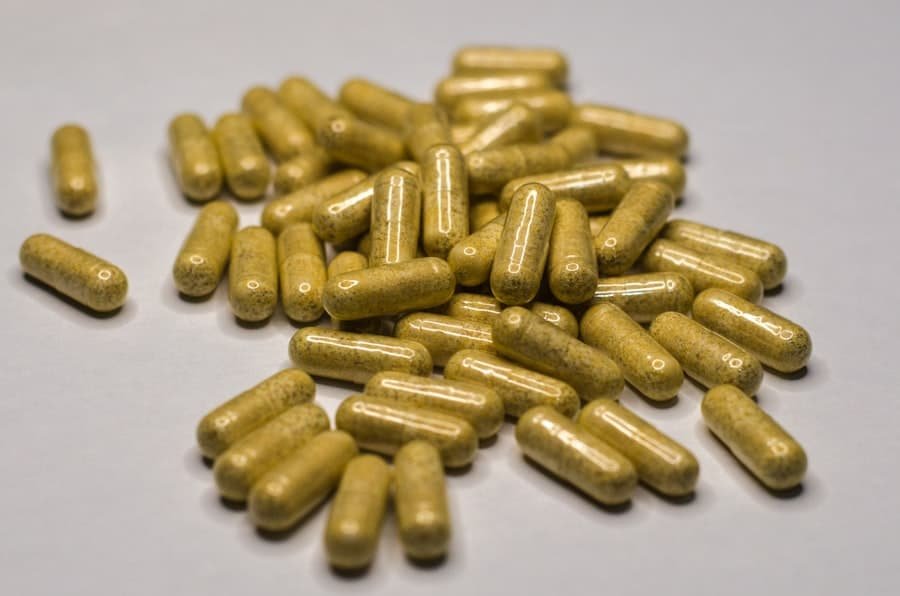
While focusing on whole foods is crucial for maintaining nutrient levels, supplementation can also play an important role in ensuring you meet your vitamin needs on a keto diet. If you find it challenging to obtain sufficient amounts of certain vitamins through food alone, consider incorporating high-quality supplements into your routine. For instance, biotin supplements are widely recognized for their benefits in promoting hair growth and preventing hair loss.
Additionally, multivitamins specifically formulated for those on a ketogenic diet can help fill any nutritional gaps you may have. These supplements often contain essential vitamins such as B12, D, and E in appropriate dosages tailored for individuals following a low-carb lifestyle. However, it’s important to choose reputable brands and consult with a healthcare professional before starting any new supplement regimen to ensure it aligns with your specific health needs.
Consulting a Healthcare Professional for Hair Loss on Keto Diet
If you experience significant hair loss or other concerning symptoms while on a keto diet, consulting with a healthcare professional is crucial. A doctor or registered dietitian can help assess your dietary habits and identify any potential deficiencies that may be contributing to your hair issues. They may recommend blood tests to evaluate your vitamin levels and provide personalized guidance on how to adjust your diet or supplementation accordingly.
Moreover, seeking professional advice can help you navigate the complexities of maintaining a balanced diet while adhering to keto principles. A healthcare professional can offer insights into how to optimize your nutrient intake without compromising your dietary goals. This collaborative approach ensures that you’re not only achieving weight loss but also supporting your overall health and well-being.
Balancing Keto Diet and Vitamin Intake for Healthy Hair
In conclusion, while the ketogenic diet offers numerous benefits for weight management and metabolic health, it’s essential to remain vigilant about potential vitamin deficiencies that may arise from its restrictive nature. Understanding the critical role vitamins play in hair health can empower you to make informed dietary choices that support both your weight loss goals and overall well-being. By incorporating a diverse range of low-carb foods rich in essential vitamins and considering supplementation when necessary, you can effectively prevent deficiencies that could lead to hair loss or other health issues.
Remember that consulting with healthcare professionals can provide valuable insights tailored to your unique needs. Ultimately, achieving a balance between following the keto diet and ensuring adequate vitamin intake is key to maintaining healthy hair and overall vitality as you navigate this popular dietary approach.
FAQs
What is keto vitamin deficiency?
Keto vitamin deficiency refers to the lack of essential vitamins and minerals that can occur when following a ketogenic diet. This can lead to various health issues, including hair loss.
What vitamins are commonly deficient in a keto diet?
Vitamins commonly deficient in a keto diet include vitamin D, vitamin B7 (biotin), and vitamin B5 (pantothenic acid). These vitamins are important for hair health and overall well-being.
How does keto vitamin deficiency contribute to hair loss?
Vitamin deficiencies can disrupt the normal growth cycle of hair follicles, leading to hair loss. In particular, deficiencies in biotin and pantothenic acid can directly impact hair health and contribute to hair loss.
What are the symptoms of keto vitamin deficiency-related hair loss?
Symptoms of keto vitamin deficiency-related hair loss may include thinning hair, hair breakage, and overall reduced hair quality. In severe cases, hair loss may be more noticeable and widespread.
How can keto vitamin deficiency-related hair loss be prevented?
To prevent keto vitamin deficiency-related hair loss, it’s important to ensure adequate intake of essential vitamins and minerals through a well-balanced diet and, if necessary, supplementation. Consulting with a healthcare professional or registered dietitian can also provide personalized guidance.