
The ketogenic diet, commonly known as the keto diet, has gained immense popularity in recent years as a powerful tool for weight loss. If you’re looking to shed pounds and improve your overall health, the keto diet may be an appealing option. This low-carbohydrate, high-fat diet encourages your body to enter a state of ketosis, where it burns fat for fuel instead of carbohydrates.
By significantly reducing your intake of carbs and increasing your consumption of healthy fats, you can transform your body’s metabolism and achieve your weight loss goals. As you embark on this journey, it’s essential to understand the principles behind the keto diet. It’s not just about cutting carbs; it’s about changing the way your body processes energy.
By limiting carbohydrates, you force your body to rely on fat stores for energy, which can lead to rapid weight loss. However, the keto diet is not a one-size-fits-all solution. It requires commitment, planning, and a willingness to adapt your eating habits.
In this article, you will explore the science behind keto weight loss, how to navigate the initial stages of the diet, and tips for sustaining your progress over time.
Key Takeaways
- The keto diet can be an effective way to achieve weight loss by putting the body into a state of ketosis, where it burns fat for fuel instead of carbohydrates.
- Ketosis occurs when the body switches from using glucose as its primary source of energy to using ketones, which are produced from fat stores.
- The first week of the keto diet can be challenging as the body adjusts to using fat for fuel, but initial weight loss is common due to the depletion of glycogen stores and water weight.
- Tracking progress on the keto diet should involve more than just the number on the scale, including measurements and non-scale victories such as increased energy and improved mental clarity.
- Dealing with keto flu and cravings can be overcome by staying hydrated, replenishing electrolytes, and focusing on consuming high-quality fats and protein.
Understanding the Science Behind Keto Weight Loss
To truly grasp how the keto diet facilitates weight loss, it’s crucial to delve into the science of ketosis. When you drastically reduce your carbohydrate intake, your body enters a metabolic state known as ketosis. In this state, your liver converts fatty acids into ketones, which serve as an alternative energy source for your brain and body.
This shift in energy production is what makes the keto diet so effective for weight loss. By utilizing fat as fuel, you can tap into your body’s stored fat reserves, leading to significant reductions in body weight. Moreover, the keto diet can help regulate insulin levels, which plays a vital role in weight management.
When you consume carbohydrates, your body releases insulin to help process the sugar in your bloodstream. High insulin levels can promote fat storage and hinder weight loss efforts. By minimizing carbohydrate intake, you can lower insulin levels, making it easier for your body to access and burn stored fat.
This hormonal shift not only aids in weight loss but also contributes to improved energy levels and mental clarity.
The First Week: Adjusting to Ketosis and Initial Weight Loss
The first week on the keto diet can be both exciting and challenging as your body begins to adjust to this new way of eating. During this initial phase, you may experience rapid weight loss due to water loss and glycogen depletion. As your body transitions from burning carbohydrates to burning fat for fuel, you might notice a decrease in appetite and cravings for sugary foods.
This can be a motivating factor as you see the scale move in the right direction. However, it’s important to be prepared for some potential side effects during this adjustment period, often referred to as the “keto flu.” You may experience symptoms such as fatigue, headaches, irritability, and digestive issues as your body adapts to ketosis. These symptoms are temporary and usually subside within a few days.
Staying hydrated and ensuring you’re consuming enough electrolytes can help alleviate these discomforts. Remember that this initial phase is just the beginning of your journey toward achieving lasting weight loss on the keto diet.
Tracking Progress: Using Measurements and Non-Scale Victories
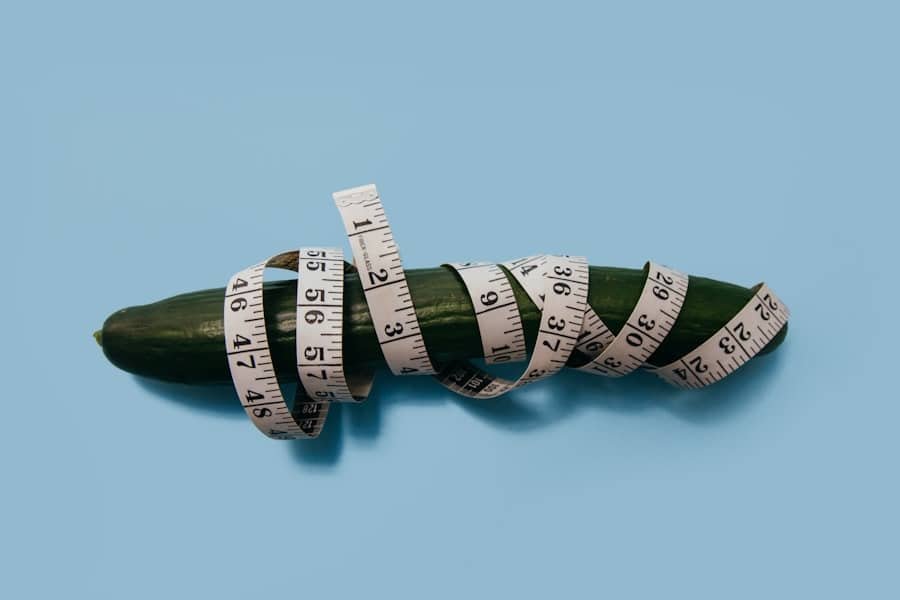
As you embark on your keto journey, tracking your progress is essential for staying motivated and accountable. While many people focus solely on the number on the scale, it’s important to recognize that weight loss is not the only indicator of success. Taking measurements of your waist, hips, and other areas can provide a more comprehensive view of your progress.
You may find that even if the scale doesn’t move significantly, your body composition is changing as you lose fat and gain muscle. In addition to physical measurements, celebrating non-scale victories can be incredibly rewarding. These victories might include fitting into clothes that were once too tight, experiencing increased energy levels, or noticing improved mental clarity.
By acknowledging these achievements, you can maintain a positive mindset and stay committed to your goals. Remember that weight loss is a journey with ups and downs; focusing on various aspects of progress will help you stay motivated along the way.
Overcoming Challenges: Dealing with Keto Flu and Cravings
As you navigate the early stages of the keto diet, you may encounter challenges such as the infamous keto flu and cravings for carbohydrates. The keto flu can manifest as fatigue, headaches, and irritability as your body adjusts to burning fat instead of carbs. To combat these symptoms, prioritize hydration and consider supplementing with electrolytes like sodium, potassium, and magnesium.
These minerals play a crucial role in maintaining balance during this transition period. Cravings for sugary or high-carb foods can also pose a challenge as you adjust to your new eating habits. It’s essential to have strategies in place to manage these cravings effectively.
One approach is to find keto-friendly alternatives to your favorite snacks or meals. For instance, if you crave something sweet, consider indulging in dark chocolate or berries in moderation. Additionally, staying busy with activities or hobbies can help distract you from cravings and reinforce your commitment to the keto lifestyle.
The Role of Exercise in Keto Weight Loss

Enhancing Weight Loss Results
While the keto diet primarily focuses on dietary changes for weight loss, incorporating exercise into your routine can enhance your results significantly. Engaging in regular physical activity not only helps burn additional calories but also supports muscle maintenance during weight loss.
Preserving Lean Muscle Mass
When following a low-carb diet like keto, it’s essential to preserve lean muscle mass while losing fat; exercise plays a vital role in achieving this balance. You don’t need to engage in intense workouts every day; finding activities you enjoy can make exercise more sustainable.
Creating a Balanced Exercise Routine
Whether it’s walking, cycling, swimming, or strength training, aim for a mix of cardiovascular and resistance exercises throughout the week. Additionally, consider timing your workouts strategically around your meals to optimize energy levels and performance.
Improving Overall Health and Well-being
By integrating exercise into your keto journey, you’ll not only enhance weight loss but also improve overall health and well-being.
Meal Planning and Recipes for Keto Weight Loss
Meal planning is a crucial aspect of successfully following the keto diet and achieving weight loss goals. By preparing meals in advance, you can ensure that you have healthy options readily available while avoiding temptation from high-carb foods. Start by creating a weekly meal plan that includes a variety of protein sources, healthy fats, and low-carb vegetables.
This will help keep your meals interesting and satisfying. When it comes to recipes, there are countless delicious options that fit within the parameters of a keto diet. From creamy cauliflower mash to zoodles (zucchini noodles) topped with rich sauces, there are endless possibilities for satisfying meals.
You might also explore keto-friendly snacks like cheese crisps or avocado deviled eggs for those moments when hunger strikes between meals. By experimenting with different recipes and flavors, you’ll find that eating keto can be both enjoyable and fulfilling.
The Importance of Hydration and Electrolyte Balance on Keto
Staying hydrated is paramount when following a ketogenic diet, especially during the initial transition into ketosis. As your body shifts from burning carbohydrates to burning fat for fuel, it tends to excrete more water and electrolytes through urine. This increased fluid loss can lead to dehydration if not properly managed.
Make it a habit to drink plenty of water throughout the day; aim for at least half your body weight in ounces daily. In addition to hydration, maintaining electrolyte balance is crucial for overall well-being on keto. Sodium, potassium, and magnesium are essential minerals that support various bodily functions and help prevent symptoms associated with the keto flu.
Consider incorporating foods rich in these electrolytes into your meals or using supplements if necessary. By prioritizing hydration and electrolyte balance, you’ll set yourself up for success on your keto journey.
Managing Expectations: Setting Realistic Goals for Keto Weight Loss
As you embark on your keto journey, it’s essential to manage your expectations regarding weight loss results. While many people experience rapid initial weight loss during the first few weeks on keto due to water loss and glycogen depletion, sustainable weight loss typically occurs at a slower pace afterward. Aim for a realistic goal of losing 1-2 pounds per week; this gradual approach is more likely to lead to lasting results.
Setting specific and achievable goals can help keep you motivated throughout your journey. Instead of solely focusing on the number on the scale, consider setting goals related to measurements or non-scale victories as well. For example, aim to fit into a particular pair of jeans or complete a certain workout routine without feeling fatigued.
By diversifying your goals and celebrating small achievements along the way, you’ll cultivate a positive mindset that supports long-term success.
Celebrating Success: Recognizing Achievements After 1 Month on Keto
After one month on the keto diet, take time to reflect on your journey and celebrate your successes—both big and small. Whether you’ve lost several pounds or simply feel more energetic and focused than before, acknowledging these achievements is vital for maintaining motivation moving forward. Consider treating yourself to something special that aligns with your new lifestyle—perhaps a new workout outfit or a day out doing an activity you love.
Additionally, sharing your progress with friends or family can provide an extra layer of accountability and encouragement. You might even inspire others to join you on this journey toward better health! Remember that every step counts; whether it’s fitting into clothes more comfortably or experiencing improved mental clarity, recognizing these milestones will reinforce your commitment to the keto lifestyle.
Moving Forward: Sustaining Weight Loss and Continuing the Keto Lifestyle
As you continue on your keto journey beyond the first month, it’s essential to focus on sustainability rather than perfection. The key to long-term success lies in finding a balance that works for you—one that allows you to enjoy delicious foods while still adhering to the principles of the ketogenic diet. Consider incorporating occasional “cheat” meals or days where you indulge in higher-carb foods without guilt; this can help prevent feelings of deprivation that often lead to burnout.
Moreover, stay engaged with communities or resources that support your keto lifestyle—whether through online forums or local meetups—where you can share experiences and gain insights from others on similar journeys. By fostering connections with like-minded individuals who understand the challenges and triumphs of following a ketogenic diet, you’ll create an environment that encourages continued growth and success in achieving lasting weight loss goals. In conclusion, embarking on a ketogenic diet can be an empowering journey toward achieving weight loss goals while improving overall health.
By understanding the science behind ketosis, tracking progress effectively, overcoming challenges like cravings or fatigue during adjustment periods—and celebrating successes along the way—you’ll set yourself up for long-term success in sustaining both weight loss results and embracing a healthier lifestyle overall!
FAQs
What is the keto diet?
The keto diet is a high-fat, low-carbohydrate diet that has been shown to help with weight loss and improve overall health. It involves drastically reducing carbohydrate intake and replacing it with fat, forcing the body into a state of ketosis.
How does the keto diet lead to weight loss?
The keto diet leads to weight loss by forcing the body to burn fat for fuel instead of carbohydrates. This can result in a reduction in body fat and overall weight loss.
What can you eat on the keto diet?
On the keto diet, you can eat high-fat foods such as meat, fish, eggs, dairy, nuts, seeds, and healthy oils. You should limit your intake of carbohydrates, including starchy vegetables, fruits, and grains.
What are the potential benefits of the keto diet?
Some potential benefits of the keto diet include weight loss, improved blood sugar control, increased energy levels, and reduced risk of certain diseases such as diabetes and heart disease.
Are there any potential risks or side effects of the keto diet?
Some potential risks or side effects of the keto diet include nutrient deficiencies, constipation, bad breath, and the “keto flu” which can cause fatigue, dizziness, and irritability.
How much weight can you expect to lose on the keto diet after 1 month?
Weight loss on the keto diet can vary from person to person, but it is not uncommon to see significant weight loss in the first month. Some people may lose 5-10 pounds or more in the first month of following the keto diet.