The ketogenic diet, often referred to simply as the keto diet, has gained immense popularity in recent years as a powerful tool for weight loss and improved health. At its core, the keto diet is a low-carbohydrate, high-fat eating plan that aims to shift your body’s metabolism from burning glucose for energy to burning fat. This metabolic state, known as ketosis, occurs when your carbohydrate intake is significantly reduced, prompting your body to utilize fat stores for fuel.
As you embark on this dietary journey, you may find yourself intrigued by the potential benefits, including weight loss, increased energy levels, and enhanced mental clarity. As you delve deeper into the keto lifestyle, it’s essential to understand that this diet is not just a temporary fix but a long-term commitment to changing how you view food and nutrition. The transition into ketosis can be challenging at first, often accompanied by symptoms commonly referred to as the “keto flu.” However, with determination and the right knowledge, you can successfully navigate this transition and reap the rewards of a well-structured ketogenic diet.
In this article, you will explore what to eat and avoid on the keto diet, the importance of macronutrient ratios, and practical tips for maintaining your new lifestyle.
Key Takeaways
- The keto diet is a high-fat, low-carb eating plan that aims to put the body into a state of ketosis.
- Foods to eat on the keto diet include meat, fish, eggs, high-fat dairy, low-carb vegetables, and healthy fats.
- Foods to avoid on the keto diet include sugar, grains, fruit, starchy vegetables, and processed foods.
- The importance of macronutrient ratios on the keto diet is to consume high fat, moderate protein, and low carbs to maintain ketosis.
- A sample keto meal plan may include avocado and eggs for breakfast, a salad with grilled chicken for lunch, and salmon with asparagus for dinner.
What to Eat on the Keto Diet
When you adopt the keto diet, your focus will shift primarily to high-fat foods while minimizing carbohydrates. This means that you should embrace foods rich in healthy fats such as avocados, nuts, seeds, and olive oil. These foods not only provide essential nutrients but also help keep you satiated throughout the day.
Incorporating fatty fish like salmon or mackerel into your meals can also be beneficial, as they are packed with omega-3 fatty acids that support heart health. In addition to healthy fats, you will want to include moderate amounts of protein in your diet. Foods such as eggs, poultry, and grass-fed beef are excellent sources of protein that can help maintain muscle mass while you lose weight.
Non-starchy vegetables like spinach, kale, and broccoli should also be staples in your meals. These vegetables are low in carbohydrates but high in fiber and essential vitamins, making them perfect companions on your keto journey. By focusing on these food groups, you can create delicious and satisfying meals that align with your dietary goals.
Foods to Avoid on the Keto Diet
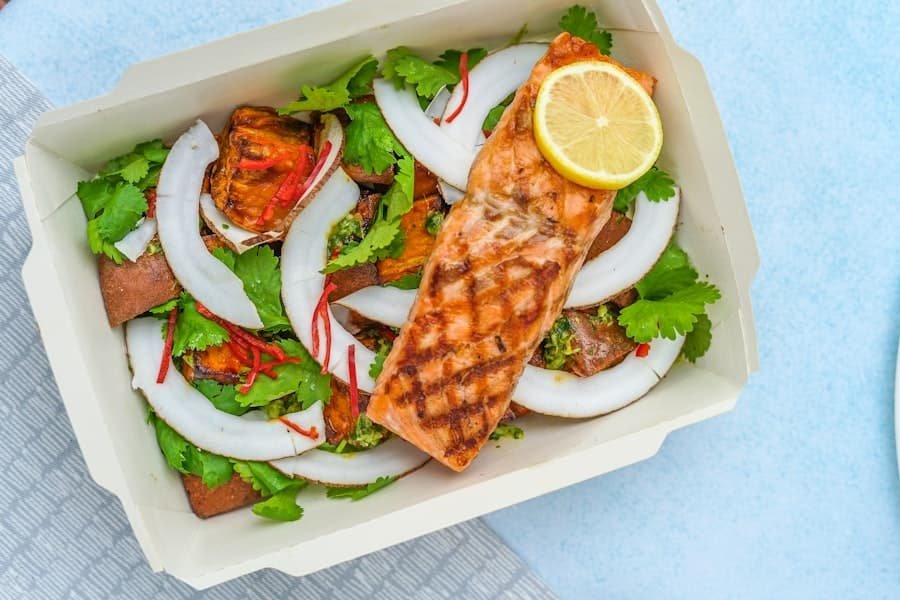
As you embark on your keto journey, it’s crucial to be aware of the foods that can hinder your progress. The primary culprits are high-carbohydrate foods that can quickly kick you out of ketosis. Sugary snacks and beverages are among the first items to eliminate from your pantry.
This includes candies, pastries, sodas, and even fruit juices that are loaded with sugar. Instead of reaching for these tempting treats, consider satisfying your sweet tooth with keto-friendly alternatives like dark chocolate or berries in moderation. Grains and starchy vegetables are also significant sources of carbohydrates that you should avoid.
Foods like bread, pasta, rice, and potatoes can quickly add up in carb content and disrupt your state of ketosis. It’s essential to read labels carefully and be mindful of hidden sugars in processed foods. By steering clear of these high-carb options and focusing on whole foods that align with the keto principles, you can maintain your progress and enjoy a healthier lifestyle.
The Importance of Macronutrient Ratios on the Keto Diet
Understanding macronutrient ratios is vital for anyone following the keto diet. The typical macronutrient breakdown for a ketogenic diet consists of approximately 70-75% fat, 20-25% protein, and only about 5-10% carbohydrates. This specific ratio is what allows your body to enter and maintain ketosis effectively.
By prioritizing fats over carbohydrates, you encourage your body to burn fat for energy instead of relying on glucose. To achieve these ratios successfully, it’s essential to track your food intake initially. You might find it helpful to use apps or food diaries to monitor your macronutrient consumption until you become more familiar with portion sizes and food choices.
As you progress in your keto journey, you’ll develop an intuitive understanding of how different foods fit into your daily macronutrient goals. This knowledge will empower you to make informed decisions about what to eat while ensuring that you remain in ketosis.
Sample Keto Meal Plan
Creating a sample meal plan can be an excellent way to kickstart your keto journey and provide structure to your eating habits. For breakfast, consider starting your day with scrambled eggs cooked in butter alongside sautéed spinach and avocado slices. This meal is rich in healthy fats and protein while keeping carbohydrates low.
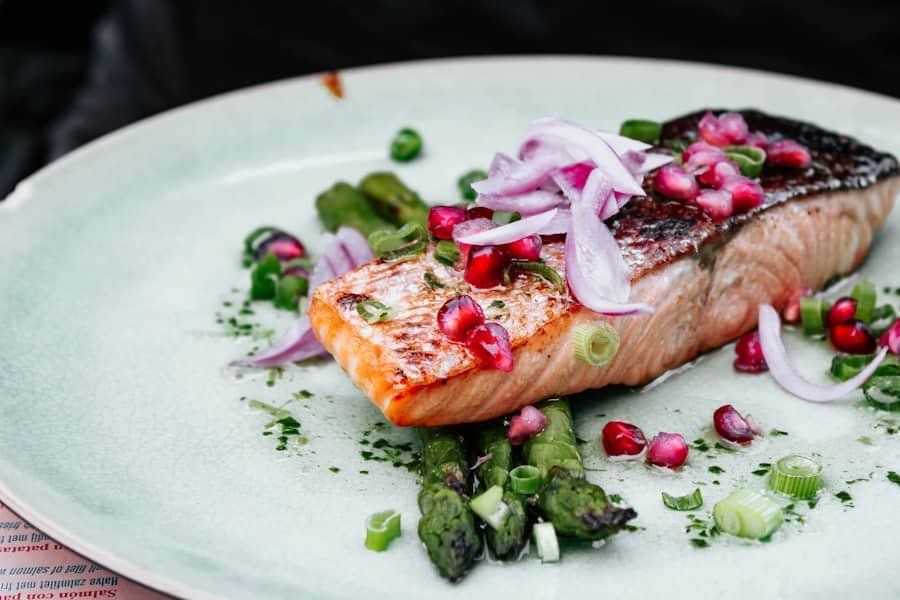
For lunch, a salad topped with grilled chicken, olive oil dressing, and a variety of non-starchy vegetables can be both satisfying and nutritious. Dinner could feature a delicious piece of salmon baked with herbs and served with roasted Brussels sprouts drizzled with olive oil. To round out your day, a small serving of full-fat Greek yogurt topped with a few berries can serve as a delightful dessert without derailing your progress.
By planning your meals ahead of time and incorporating a variety of foods within the keto guidelines, you can enjoy diverse flavors while staying committed to your dietary goals.
Keto-Friendly Snack Ideas
Low-Carb and High-Fat Snacks
One popular choice is cheese—whether it’s string cheese or cheese crisps—these options are low in carbs and high in fat.
Nuts and Seeds as a Snack Option
You might also enjoy nuts like almonds or macadamia nuts; just be cautious with portion sizes since they can be calorie-dense.
Healthy and Filling Snack Ideas
Another great snack idea is celery sticks paired with cream cheese or almond butter. This combination provides a satisfying crunch while delivering healthy fats and protein. Hard-boiled eggs are also an excellent option for a quick snack that keeps you full between meals. By keeping these keto-friendly snacks on hand, you’ll be less likely to reach for high-carb alternatives when hunger strikes.
Tips for Dining Out on the Keto Diet
Dining out while adhering to the keto diet may seem daunting at first, but with some preparation and knowledge, it can be an enjoyable experience. When reviewing menus at restaurants, look for dishes that feature protein sources like steak or grilled chicken paired with non-starchy vegetables instead of starchy sides like potatoes or rice. Don’t hesitate to ask for modifications; most restaurants are accommodating when it comes to dietary preferences.
Another tip is to choose dishes that are grilled or roasted rather than fried or breaded, as these cooking methods typically involve fewer carbs. Additionally, consider starting with a salad or broth-based soup to help curb your appetite before the main course arrives. By being proactive about your choices and communicating your dietary needs clearly, you can savor dining out without compromising your commitment to the keto lifestyle.
How to Navigate Social Situations on the Keto Diet
Social situations can present unique challenges when following the keto diet, but they don’t have to derail your progress. When attending gatherings or parties, it’s helpful to eat a small meal or snack beforehand so that you’re not overly hungry when faced with tempting options. If possible, offer to bring a dish that aligns with keto principles; this way, you’ll have something delicious to enjoy while also sharing with others.
When it comes time to indulge in social settings where food is involved, focus on enjoying the company rather than fixating solely on food choices. If there are limited options available that fit within your dietary guidelines, don’t hesitate to politely decline certain foods or simply enjoy what’s available without guilt. Remember that maintaining a positive mindset is key; socializing should be about connection rather than stress over food choices.
Common Mistakes to Avoid on the Keto Diet
As you embark on your keto journey, being aware of common pitfalls can help set you up for success. One frequent mistake is underestimating carbohydrate intake; even small amounts can add up quickly if you’re not careful. It’s essential to read labels diligently and track what you’re consuming until you become more familiar with portion sizes and carb counts.
Another common error is neglecting hydration and electrolyte balance during the transition into ketosis. As your body adapts to burning fat for fuel, it may excrete more water and electrolytes than usual. To combat this issue, ensure you’re drinking plenty of water throughout the day and consider supplementing with electrolytes if necessary.
By avoiding these mistakes and staying informed about potential challenges, you’ll be better equipped to thrive on the keto diet.
How to Ensure You’re Getting Sufficient Nutrients on the Keto Diet
While focusing on macronutrients is crucial for success on the keto diet, it’s equally important not to overlook micronutrients—vitamins and minerals essential for overall health. To ensure you’re getting sufficient nutrients while following this eating plan, prioritize whole foods rich in vitamins and minerals within the allowed categories. Leafy greens like kale and spinach are excellent sources of nutrients while remaining low in carbs.
Incorporating a variety of foods into your meals will also help diversify nutrient intake; consider rotating different protein sources such as fish, poultry, and plant-based options like tofu or tempeh. Additionally, if you’re concerned about nutrient deficiencies due to restricted food choices, consulting with a healthcare professional or registered dietitian can provide personalized guidance tailored specifically for your needs.
Conclusion and Final Thoughts
Embarking on the keto diet can be an exciting journey toward improved health and well-being when approached thoughtfully and strategically. By understanding what foods to eat and avoid, paying attention to macronutrient ratios, and planning meals ahead of time, you can set yourself up for success in achieving your dietary goals. Remember that adapting to this lifestyle may take time; patience is key as you navigate through challenges along the way.
Ultimately, maintaining a positive mindset while embracing this new way of eating will enhance not only your physical health but also your overall quality of life. As you continue on this path toward better health through the ketogenic diet, remember that every small step counts—celebrate your progress along the way!
FAQs
What is the keto diet?
The keto diet is a high-fat, low-carbohydrate diet that has been shown to help with weight loss and improve certain health conditions. It involves drastically reducing carbohydrate intake and replacing it with fat, forcing the body into a state of ketosis.
What foods are allowed on the keto diet?
Foods allowed on the keto diet include meats, fatty fish, eggs, butter, cream, cheese, nuts and seeds, healthy oils (such as olive oil and coconut oil), low-carb vegetables (such as leafy greens, broccoli, and cauliflower), and some low-sugar fruits (such as berries).
What foods should be avoided on the keto diet?
Foods to avoid on the keto diet include sugary foods (such as soda, juice, and candy), grains and starches (such as bread, pasta, and rice), fruits high in sugar (such as bananas and grapes), legumes (such as beans and lentils), starchy vegetables (such as potatoes and corn), and high-carb condiments and sauces.
Can I eat dairy on the keto diet?
Dairy is allowed on the keto diet, but it’s important to choose full-fat, low-carb options. This includes foods like cheese, butter, and cream. However, it’s best to avoid milk and yogurt that are high in sugar and carbohydrates.
Is it okay to eat fruit on the keto diet?
While some fruits are allowed on the keto diet, it’s important to choose low-sugar options such as berries. Fruits like bananas, grapes, and mangos are high in sugar and should be avoided or limited on the keto diet.
Can I eat grains and bread on the keto diet?
Grains and bread are high in carbohydrates and should be avoided on the keto diet. This includes foods like wheat, rice, oats, and bread made from grains. Instead, it’s best to focus on low-carb alternatives such as cauliflower rice or almond flour bread.