Ketogenic Diet and Thyroid
The ketogenic diet, often referred to simply as keto, has gained immense popularity in recent years as a weight-loss strategy and a means to manage certain medical conditions. However, a growing curiosity surrounds its impact, particularly on our thyroid health.
You might wonder how this high-fat, low-carbohydrate diet affects your thyroid, an essential gland that regulates metabolism and overall health. Let’s explore the connection between the ketogenic diet and thyroid function and how to navigate this territory to support your well-being.
Understanding the Ketogenic Diet
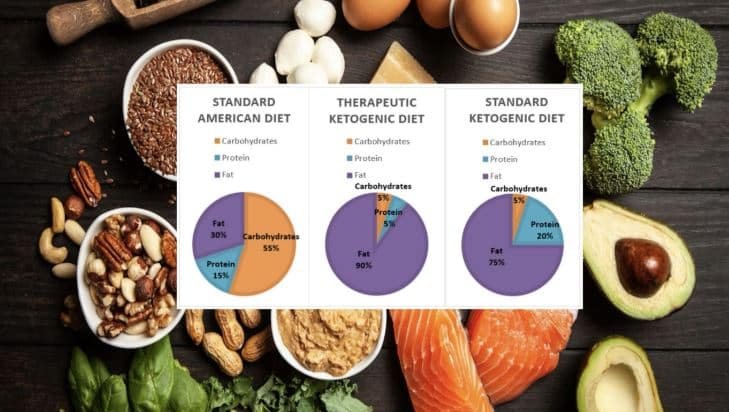
The ketogenic diet fundamentally alters how your body utilizes energy by significantly reducing carbohydrate intake and increasing fat consumption. When you consume fewer carbs, your body enters a state called ketosis, which becomes highly efficient at burning fat for fuel.
Typically, this includes eating meals rich in healthy fats and moderate in proteins while keeping carbohydrates extremely low. The diet often features avocados, nuts, seeds, fatty fish, and low-carb vegetables.
You may find this dietary shift challenging if you’re accustomed to a higher carbohydrate intake, which is the norm in many diets today.
However, many individuals have experienced significant benefits, including weight loss, increased energy levels, and improved mental clarity, that can make the initial adjustment period worthwhile. Understanding this dietary framework can help you make informed choices if you embark on a keto journey.
Thyroid Function 101
Your thyroid is a butterfly-shaped gland located at the base of your neck. It produces hormones that regulate metabolism, energy production, and even heart rate. Thyroid health is essential for maintaining overall bodily functions, and even minor disruptions can cause issues like weight gain, lethargy, and mood changes.
Common thyroid disorders include hypothyroidism (underactive thyroid) and hyperthyroidism (overactive thyroid). People battling hypothyroidism often experience fatigue, weight gain, and sensitivity to cold.
Conversely, those with hyperthyroidism may suffer from anxiety, weight loss, and increased heart rate. Ideally, you want your thyroid to function optimally to ensure your body performs at its best, particularly if you’re exploring dietary changes like the ketogenic diet.
The Connection Between Ketogenic Diet and Thyroid Health
When considering the ketogenic diet, evaluating its potential effects on thyroid health is essential. Some studies suggest that adopting a keto lifestyle may lead to changes in thyroid hormone levels, particularly in those who are already struggling with thyroid disorders. This is mainly due to the shift in carbohydrate intake, which plays a pivotal role in regulating thyroid function.
It’s critical to remember that everyone’s body responds differently. While some people may not experience any adverse effects on their thyroid, others could see a decline in thyroid hormone levels or function. If you already have a thyroid condition, monitoring your health closely with dietary changes is vital.
Potential Benefits of Keto for Thyroid Health
Interestingly, certain aspects of the ketogenic diet may benefit thyroid health, particularly if you are struggling with weight issues or metabolic syndrome.
Some proponents of the diet argue it can help optimize insulin sensitivity. As insulin resistance is often linked to thyroid disorders, improving your metabolic markers may help manage symptoms related to thyroid dysfunction.
Additionally, emphasizing nutrient-dense foods in a ketogenic diet offers opportunities to include foods rich in vitamins and minerals that support thyroid health.
For example, foods high in selenium (like Brazil nuts) can boost thyroid hormone production, while iodine-rich foods (seaweed) are essential for synthesizing thyroid hormones. By focusing on these nutrient-dense options, you might find that you’re not only adhering to a ketogenic diet but also nurturing your thyroid health.

Potential Risks of Keto for Thyroid Health
While the ketogenic diet could offer benefits, it also presents risks, mainly if it’s not approached mindfully. One of the primary concerns is the potential for nutrient deficiencies. Since you’ll be eliminating many carbohydrate-rich foods, you may inadvertently cut out essential nutrients that play a role in maintaining a healthy thyroid.
For example, reducing fruits and whole grains can lead to lower fiber, vitamins, and antioxidant intakes. If you’re not careful when selecting various foods, your thyroid health can be affected over time. Signs like fatigue, hair loss, or weight gain could emerge, all of which can be intertwined with thyroid issues.
The Role of Stress and Cortisol
Another factor worth considering when discussing the ketogenic diet and thyroid health is the impact of stress and cortisol. The body experiences physical stress when adapting to a new diet, especially one drastically different from keto. This stress can elevate cortisol levels, a hormone that, when chronically high, can suppress thyroid function.
High cortisol levels can interfere with converting thyroxine (T4) to triiodothyronine (T3), the more active form of the thyroid hormone.
If you’re already contending with stress in your life, this dietary transition might inadvertently add more strain, leading to a decline in thyroid performance. Keeping your stress levels in check through mindfulness practices, adequate sleep, and even exercise can aid in maintaining a healthy balance during your ketogenic journey.
Listening to Your Body
If you decide to try the ketogenic diet, one of the most important things you can do is listen to your body. Everyone is unique, and your body will indicate whether the diet works for you or if adjustments are necessary. Pay attention to how you feel, both physically and mentally.
Are you experiencing increased energy levels, or conversely, do you find yourself feeling sluggish? Is your weight responding positively, or have you hit a plateau? Regularly consulting with a healthcare professional can also help you determine how your thyroid health is faring with a ketogenic diet, helping you make informed choices about adjustments or changes you may need to make.
Nutritional Considerations for Thyroid Health on Keto
If you’re inclined to follow a ketogenic diet, it’s essential to prioritize foods that offer nutritional benefits, particularly those promoting thyroid health. Focusing on nutrient-rich foods will enhance your keto experience and support your thyroid.
Incorporating Selenium-Rich Foods
Selenium is a trace mineral that is key in thyroid hormone metabolism. Foods such as Brazil nuts, fish, eggs, and sunflower seeds are excellent sources of selenium. Aim to include these in your diet to promote healthy thyroid function.
Ensuring Iodine Intake
Another essential nutrient for thyroid health is iodine, integral to producing thyroid hormones. While you can find iodine in iodized salt, green leafy vegetables, fish, and dairy products, make sure you include a reasonable amount of iodine in your diet, especially if you’re on a keto plan where some of these foods might be restricted.
Monitoring Vitamin D Levels
Although vitamin D is not directly involved in producing thyroid hormones, it plays a role in overall immune function and inflammatory responses. Low levels of vitamin D have been associated with various autoimmune thyroid diseases, so make it a goal to optimize your intake through sun exposure and food sources like fatty fish and fortified products, or consider a quality supplement after consulting with a healthcare provider.
The Importance of Regular Monitoring
Whether you’re initiating a ketogenic diet or you’ve been on it for some time, it’s crucial to keep an eye on your thyroid health. Regular monitoring through blood tests—focusing on levels of TSH (Thyroid-Stimulating Hormone), T3, and T4—will help you understand how the diet affects your thyroid function.
I think it’s essential that you engage with your healthcare provider about your dietary choices. They can help you navigate any changes or symptoms you may be experiencing and provide insights into potential adjustments or interventions that could enhance your thyroid health while on keto. Remember, your well-being is the priority; you deserve a plan that works harmoniously with your body.
Finding the Right Balance
If you’re drawn to the ketogenic diet, finding the right balance is key. It can be tempting to rush to the extremes of any diet, but moderation and mindfulness should govern your approach. Incorporating various foods that nourish your body while supporting your nutritional needs is essential.
This mindset also aligns with the principle of listening to your body. If certain foods or meal patterns lead to discomfort or an array of symptoms, take a step back and evaluate how you can adjust your diet accordingly. Your health journey should feel empowering rather than restrictive, enabling you to thrive.
Consultation with Professionals
When it comes to navigating the intersection of a ketogenic diet and thyroid health, consulting with healthcare professionals can provide valuable support. A registered dietitian or nutritionist can work with you to create a tailored eating plan that helps you achieve your goals while considering your thyroid health. These professionals can guide you in selecting nutrient-dense foods that fit within your ketogenic lifestyle, ensuring you receive the essential nutrients your body craves.
Also, maintaining open lines of communication with your endocrinologist or healthcare provider will help you with the information needed to monitor your thyroid health effectively. With their help, you can make informed decisions about dietary changes and interventions, ensuring your thyroid remains healthy as you explore different nutritional avenues.
The Bottom Line
Navigating the world of diets can be complicated, especially when introducing potential variables like thyroid health. The ketogenic diet can present both opportunities and challenges for your thyroid function. If you choose to embrace keto, it’s crucial to monitor your body’s responses, prioritize nutrient-rich foods, and remain in tune with how you feel.
Remember, every individual’s dietary needs are distinct, and there’s no one-size-fits-all approach. Consult with your healthcare providers, listen to your body, and don’t hesitate to make adjustments if needed. Your path toward well-being is tailored to you; you deserve to feel your best.
Related Topics About Ketogenic Diet And Thyroid
Can Keto Diet Cause Thyroid Issues,
Can Keto Diet Mess Up Your Thyroid,
How Does Keto Diet Affect Hypothyroidism,
Is Keto Diet Safe For Thyroid Patients,
Is Keto Ok If You Have Thyroid Problems,
Keto Diet And Overactive Thyroid,
Keto Diet And Thyroid Issues,
Keto Diet And Underactive Thyroid,
Ketogenic Diet And Thyroid Function,
Low Carb Diet And Underactive Thyroid,
Low Carb Diet Thyroid Issues
===========
Content 10/10/G