Are you interested in learning about the ketogenic diet? Look no further! In this article, you will discover the key components and principles of the ketogenic diet. Whether you’re a health enthusiast or simply curious about this popular diet trend, we’ve got you covered. So, let’s jump right in and explore the ins and outs of the ketogenic diet!
What is a Ketogenic Diet?
Definition
A ketogenic diet, often referred to as a keto diet, is a low-carb, high-fat diet that has been proven to be effective in promoting weight loss and improving overall health. The main principle of a ketogenic diet is to drastically reduce the intake of carbohydrates and replace them with fats, leading your body into a metabolic state known as ketosis. This diet has gained popularity in recent years and has been embraced by many individuals looking to improve their health and achieve sustainable weight loss.
Principles
The principles of a ketogenic diet revolve around the concept of drastically reducing carbohydrate intake to force your body to burn fat for fuel instead of relying on glucose from carbs. By restricting carbohydrates, which are the primary source of energy for most people, the body is forced to enter a state of ketosis, in which it produces ketones from stored fat to use as fuel. This metabolic shift allows you to burn fat more efficiently, leading to weight loss and a host of other health benefits.
Types
There are various types of ketogenic diets that can be tailored to individual needs and preferences. The standard ketogenic diet (SKD) is the most common and involves consuming high amounts of fats, moderate amounts of protein, and very low carbohydrates. Another popular variant is the cyclical ketogenic diet (CKD), which involves alternating between periods of strict ketogenic eating and higher-carb days to support athletic performance. The targeted ketogenic diet (TKD) allows for a small increase in carbohydrates before and after workouts. Lastly, the high-protein ketogenic diet is similar to the standard ketogenic diet but emphasizes a higher protein intake.
How Does a Ketogenic Diet Work?
Ketosis
The key mechanism behind a ketogenic diet is the induction of ketosis. Ketosis is a natural metabolic state that occurs when the body is running low on glucose, its preferred energy source. In the absence of ample carbohydrates, the liver produces ketones from fatty acids, which are then used as an alternative fuel source for the brain and body. This shift to using ketones instead of glucose for energy is what defines a ketogenic diet, and it offers numerous benefits when it comes to weight loss and overall health.
Fat Adaptation
As you continue to follow a ketogenic diet, your body becomes fat-adapted, meaning it adapts to using fat as its primary source of fuel. This transition typically takes a few weeks and involves a remodeling of the body’s metabolic pathways. By consistently consuming low levels of carbohydrates, you teach your body to rely on stored fat for energy instead of constantly seeking out glucose from carbs. Fat adaptation is an essential part of the ketogenic diet and is what allows sustained fat burning and weight loss.
Metabolic Changes
A ketogenic diet triggers several metabolic changes in the body that contribute to its effectiveness in weight loss and overall health improvement. One of the key changes is the increase in ketone production, which helps suppress appetite and control food cravings. Additionally, a ketogenic diet can improve insulin sensitivity and stabilize blood sugar levels, making it beneficial for individuals with type 2 diabetes or metabolic syndrome. It also promotes the release of stored fat from adipose tissue, leading to a leaner, more toned physique.
Health Benefits of a Ketogenic Diet
Weight Loss
One of the primary reasons individuals turn to a ketogenic diet is its ability to aid in weight loss. By reducing carbohydrate intake and increasing fat consumption, the body is forced to burn its stored fat for fuel, leading to significant weight loss over time. When in a state of ketosis, the body becomes more efficient at utilizing fat as an energy source, resulting in accelerated fat burning and improved body composition. Furthermore, the satiating effects of a ketogenic diet can reduce excessive calorie intake, making it easier to maintain a calorie deficit and shed unwanted pounds.
Reduced Inflammation
Inflammation is a natural response of the body to injury or infection, but chronic inflammation is believed to be a key driver of many diseases, including heart disease, diabetes, and certain types of cancer. Following a ketogenic diet can help reduce inflammation levels in the body. Studies have shown that the keto diet can lower pro-inflammatory markers and increase anti-inflammatory compounds, leading to reduced inflammation and improved overall health. By reducing chronic inflammation, a ketogenic diet may also help alleviate symptoms of conditions such as arthritis and autoimmune disorders.
Improved Mental Focus
Another significant benefit of a ketogenic diet is its potential to enhance mental focus and cognitive function. When your body is in a state of ketosis, ketones become the brain’s primary fuel source, replacing glucose. Many individuals report improved mental clarity, sharper focus, and increased productivity while following a ketogenic diet. This is due to the stable energy levels provided by ketones, as opposed to the constant peaks and crashes associated with glucose metabolism. A ketogenic diet may also have neuroprotective effects and offer potential benefits for conditions such as Alzheimer’s disease and epilepsy.
Potential Risks and Side Effects
Keto Flu
When transitioning to a ketogenic diet, some individuals may experience what is commonly referred to as the “keto flu.” This temporary set of symptoms can include fatigue, headache, brain fog, irritability, and nausea. The keto flu is a result of the body adapting to the metabolic changes induced by a low-carb diet. Fortunately, these symptoms typically subside within a few days to a couple of weeks as the body becomes fat-adapted. Staying hydrated, consuming adequate electrolytes, and gradually reducing carb intake can help alleviate the symptoms of the keto flu.
Nutrient Deficiencies
Since a ketogenic diet heavily restricts carbohydrate-rich foods, it is essential to pay attention to nutrient intake to avoid potential deficiencies. Certain vitamins, minerals, and fiber are primarily found in foods that are high in carbohydrates, such as fruits, whole grains, and legumes. Therefore, it is crucial to incorporate nutrient-dense, low-carb foods into your diet to ensure you are getting a wide range of essential nutrients. Additionally, supplementation may be necessary to meet specific nutrient needs, especially for micronutrients like magnesium and potassium.
Digestive Issues
For some individuals, following a ketogenic diet may lead to digestive issues such as constipation or diarrhea. This can be attributed to the changes in dietary fiber intake, as many high-fiber foods are also high in carbohydrates. To mitigate these issues, it is important to include sources of fiber from low-carb vegetables, nuts, and seeds in your diet. Ensuring you are adequately hydrated and maintaining a varied and balanced diet can also contribute to better digestive health while on a ketogenic diet.
Foods to Eat on a Ketogenic Diet
Healthy Fats
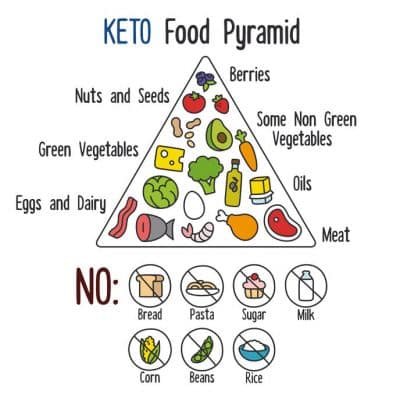
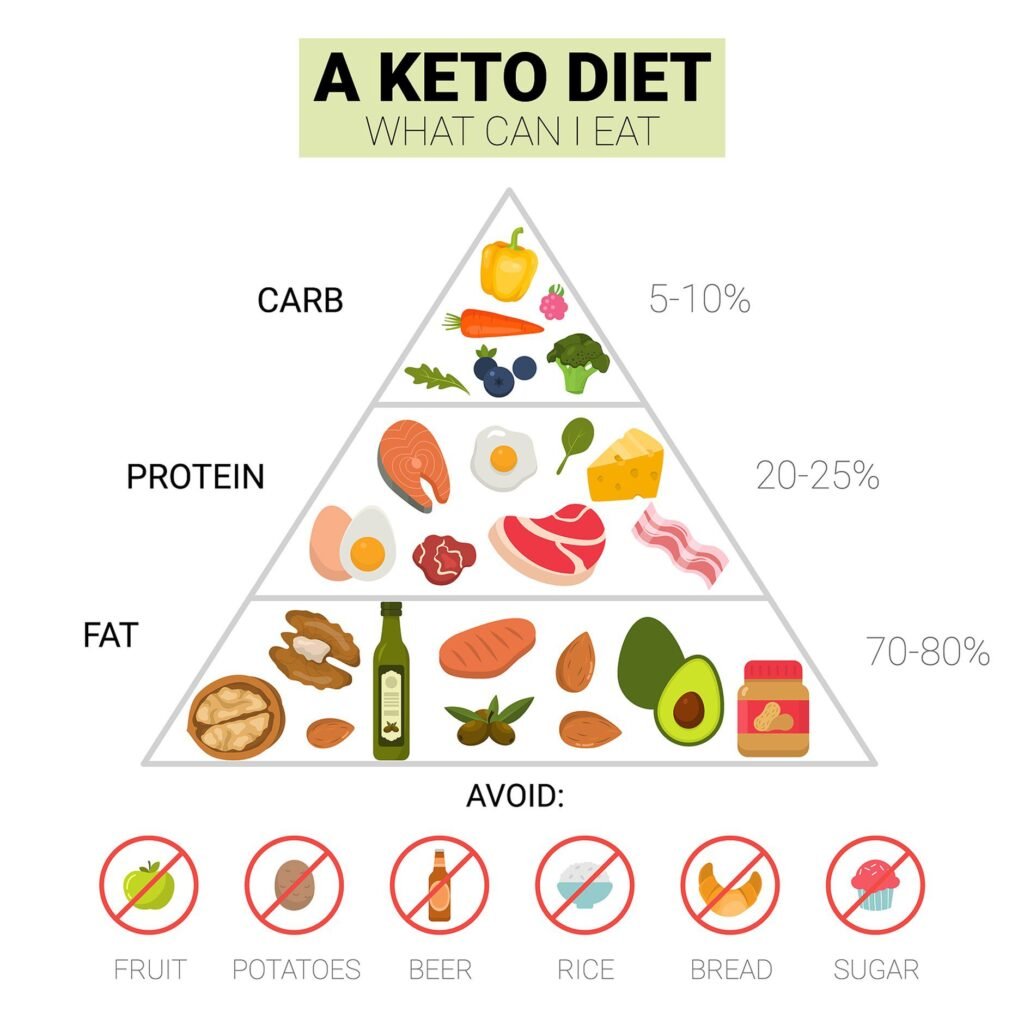
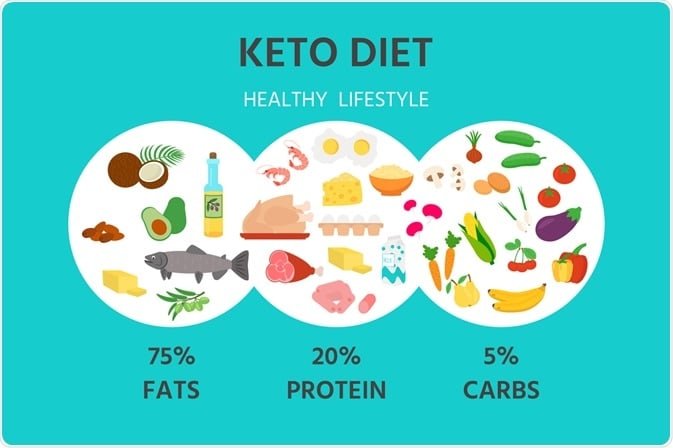
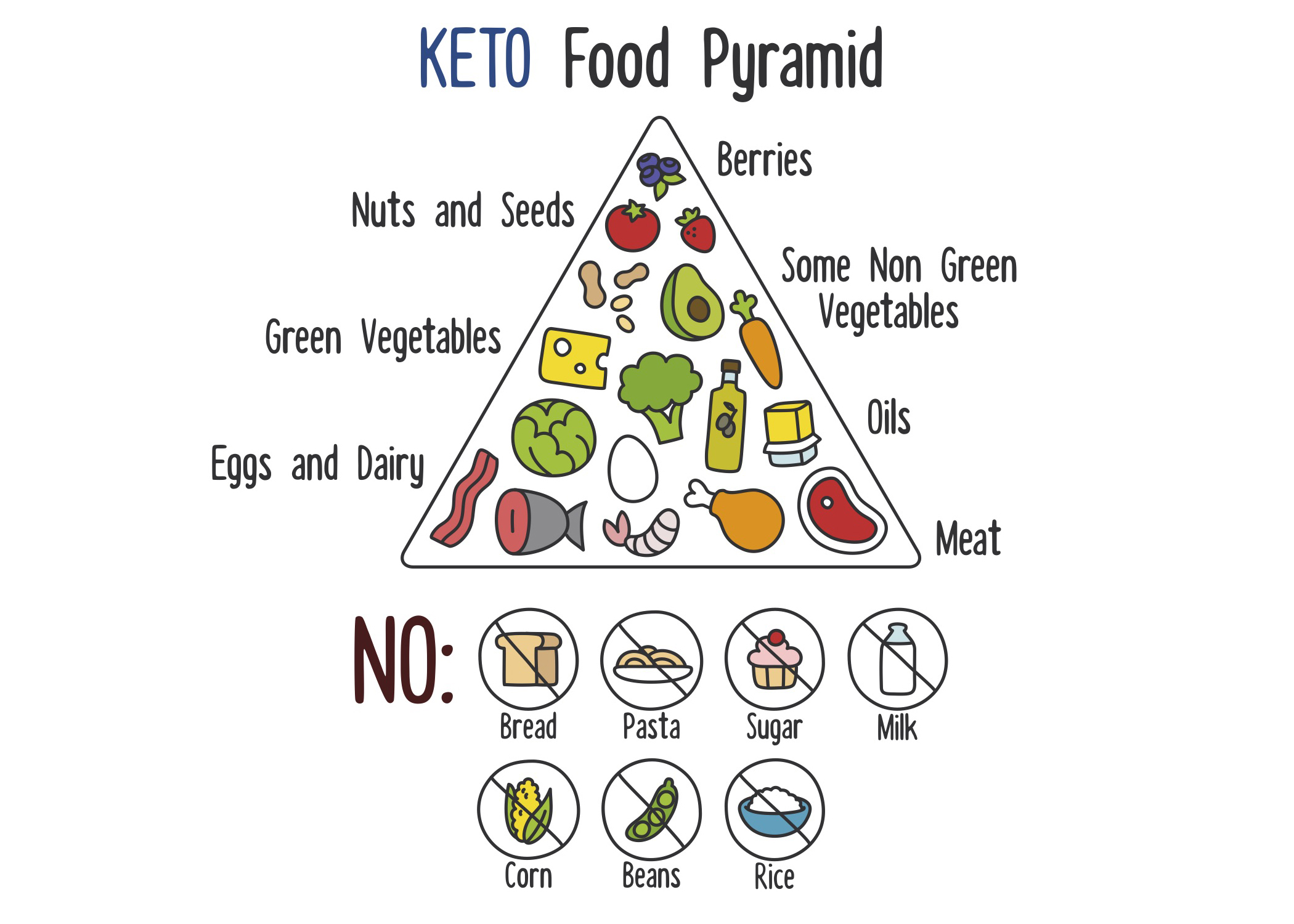
Healthy fats are a cornerstone of a ketogenic diet. These include sources such as avocados, coconut oil, olive oil, nuts and seeds, and fatty cuts of meat or fish. These fats provide the necessary energy for your body while on a ketogenic diet and help you reach and maintain ketosis.
Low-Carb Vegetables
Non-starchy vegetables that are low in carbohydrates are an excellent addition to a ketogenic diet. These include leafy greens, broccoli, cauliflower, zucchini, peppers, and cucumbers. Not only are they low in carbs, but they also provide essential vitamins, minerals, and fiber necessary for overall health.
Proteins
While fats are the primary macronutrient in a ketogenic diet, it is important to include moderate amounts of protein. Sources of protein that are suitable for a ketogenic diet include meat, poultry, fish, eggs, and full-fat dairy products. These protein sources provide essential amino acids necessary for muscle repair and maintenance.
Foods to Avoid on a Ketogenic Diet
Sugar
One of the main principles of a ketogenic diet is greatly reducing or eliminating sugar and high-carb sweeteners from your diet. This includes avoiding sugary beverages, candy, desserts, and processed foods that are loaded with added sugars. By eliminating sugar, you can effectively lower insulin levels and promote fat burning in the body.
Grains
Grains, including wheat, rice, oats, and corn, are high in carbohydrates and should be avoided on a ketogenic diet. This means cutting out bread, pasta, cereal, and other grain-based products. Opting for low-carb alternatives such as almond flour or coconut flour can help satisfy cravings for baked goods without jeopardizing ketosis.
High-Carb Fruits
While fruits are generally healthy, certain types are high in carbohydrates and can hinder ketosis. Fruits such as bananas, grapes, apples, and oranges are best limited or avoided on a ketogenic diet. Instead, opt for lower-carb fruits such as berries, which provide essential vitamins and antioxidants without causing significant spikes in blood sugar.
Tips for Starting a Ketogenic Diet
Gradual Transition
Transitioning suddenly to a ketogenic diet may cause more extreme side effects such as the keto flu. It is often recommended to gradually reduce your carbohydrate intake over a couple of weeks while increasing your healthy fat consumption. This allows your body to adjust more smoothly and minimizes the initial discomfort associated with the transition.
Monitoring Macros
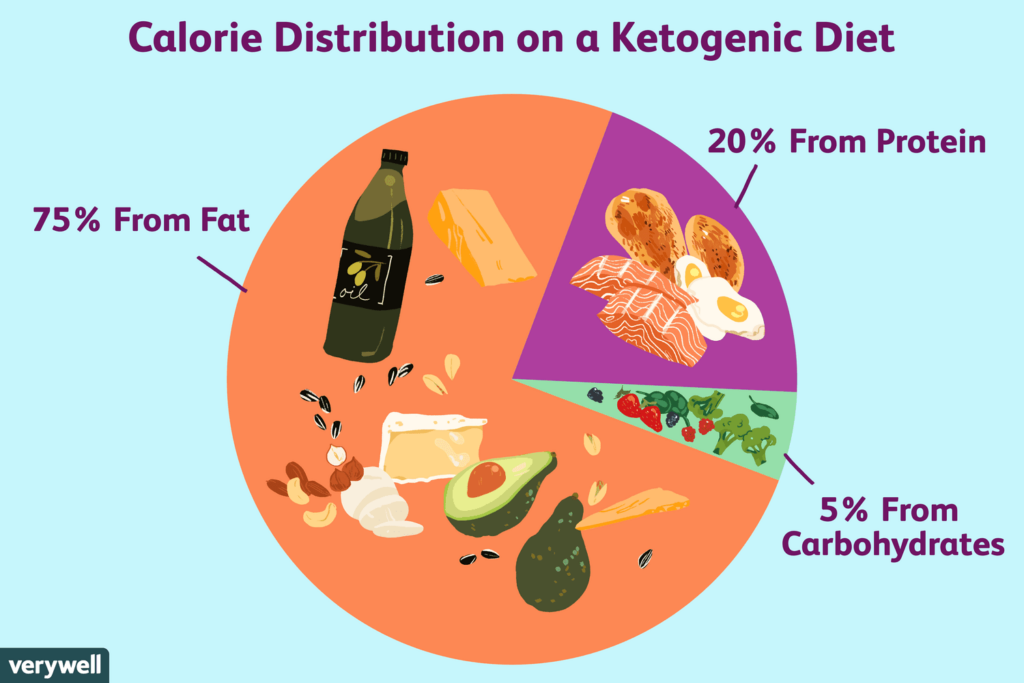
To ensure you are following a ketogenic diet correctly, it is important to monitor your macronutrient intake. This means keeping track of your daily fats, proteins, and carbohydrates to ensure you stay within the desired range. Various apps and online tools can help make tracking your macros easier and more convenient.
Staying Hydrated
Drinking plenty of water is crucial when following a ketogenic diet. As your body depletes stored glycogen and enters ketosis, it releases water, which can lead to increased urination and the risk of dehydration. Maintaining adequate hydration can help alleviate some of the potential side effects and support overall health.
Common Misconceptions about a Ketogenic Diet
High Cholesterol
One common misconception about a ketogenic diet is that it can lead to a significant increase in cholesterol levels. While a high-fat intake might initially raise cholesterol levels, research suggests that a well-formulated ketogenic diet tends to improve overall lipid profiles. It can increase levels of HDL (good) cholesterol while reducing levels of LDL (bad) cholesterol and triglycerides.
Lack of Energy
Another misconception is that a ketogenic diet can lead to low energy levels and fatigue. In reality, once you become fat-adapted and reach ketosis, your body has a steady supply of ketones, which are an efficient and long-lasting source of energy. Many people report increased energy levels, improved endurance, and reduced energy crashes when following a ketogenic diet.
Rigid Meal Plans
Some individuals may assume that a ketogenic diet requires strict and monotonous meal plans. However, a ketogenic diet actually offers a wide variety of food options and can be easily customized to fit individual tastes and preferences. With creative meal planning and recipe exploration, you can enjoy a diverse and satisfying diet while still achieving your keto goals.
Ketogenic Diet vs. Other Low-Carb Diets
Atkins Diet
The Atkins diet is a well-known low-carb diet that shares some similarities with the ketogenic diet. Both diets emphasize reducing carbohydrate intake and consuming higher amounts of fat and protein. However, the Atkins diet does not specifically focus on reaching and maintaining ketosis, while the ketogenic diet aims to keep the body in a constant state of ketosis.
Paleo Diet
The paleo diet, also known as the caveman diet, focuses on consuming whole, unprocessed foods that were available to our ancestors. While the paleo diet limits grains and refined carbohydrates, it does not necessarily restrict carbohydrate intake to the same extent as a ketogenic diet. The paleo diet also places less emphasis on reaching ketosis and allows for a more moderate intake of carbohydrates.
Low-Carb High-Fat (LCHF) Diet
The low-carb high-fat (LCHF) diet is another variant of a low-carb diet that shares some similarities with the ketogenic diet. Both diets aim to reduce carbohydrate intake and increase fat consumption, promoting fat burning for energy. However, the LCHF diet does not strictly limit carbohydrate intake to the same extent as a ketogenic diet and may allow for slightly more flexibility.
Ketogenic Diets for Different Health Conditions
Epilepsy
The ketogenic diet was originally developed as a therapeutic treatment for epilepsy, particularly in children who did not respond well to medication. The high-fat, low-carbohydrate nature of the ketogenic diet has been shown to help reduce the frequency and severity of seizures in individuals with epilepsy. It is often recommended alongside medical supervision to ensure safety and efficacy.
Type 2 Diabetes
For individuals with type 2 diabetes, a ketogenic diet can offer various benefits. The low-carbohydrate nature of the diet helps stabilize blood sugar levels and improve insulin sensitivity, making it easier to manage blood glucose levels. Additionally, the weight loss often achieved through a ketogenic diet can improve overall metabolic health and reduce the need for medication.
Metabolic Syndrome
Metabolic syndrome is a cluster of conditions, including high blood pressure, insulin resistance, excess abdominal fat, and abnormal cholesterol levels, that increase the risk of heart disease, stroke, and type 2 diabetes. Following a ketogenic diet can help address many of these risk factors by promoting weight loss, reducing inflammation, improving insulin sensitivity and lipid profiles, and supporting overall metabolic health.
In conclusion, a ketogenic diet offers a range of health benefits, including weight loss, reduced inflammation, and improved mental focus. While there may be potential risks and side effects, such as the keto flu and nutrient deficiencies, these can be minimized with proper planning and monitoring. By focusing on consuming healthy fats, low-carb vegetables, and adequate proteins while avoiding sugar, grains, and high-carb fruits, you can successfully follow a ketogenic diet. Remember to start gradually, monitor your macros, and stay hydrated to ensure a smooth transition. It is also important to address common misconceptions about high cholesterol, lack of energy, and rigid meal plans associated with a ketogenic diet. Lastly, while there are similarities between other low-carb diets like Atkins, Paleo, and LCHF, it is essential to understand the nuances of a ketogenic diet. Ketogenic diets can also be beneficial for individuals with epilepsy, type 2 diabetes, and metabolic syndrome.