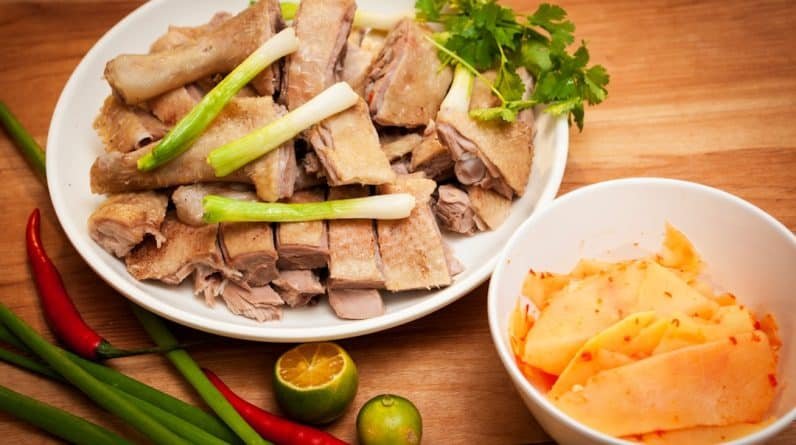
Ketogenic Diet Food List
The ketogenic diet, often referred to simply as the keto diet, has gained immense popularity in recent years for its potential health benefits and weight loss properties. This low-carb, high-fat approach to eating encourages your body to enter a state of ketosis, where it burns fat for fuel instead of carbohydrates. But before diving headfirst into this lifestyle, it’s essential to have a solid understanding of what foods you can and cannot eat on the ketogenic diet. That’s where this comprehensive food list comes into play.

Understanding the Ketogenic Diet
Before we delve into the specifics of what foods are considered keto-friendly, let’s take a moment to understand the ketogenic diet itself. At its core, the keto diet significantly reduces carbohydrate intake while increasing fat consumption. The goal is to shift your body’s primary energy source from glucose, derived from carbs, to ketones, which are produced from fatty acids. This metabolic shift can lead to various benefits, including improved mental clarity, increased energy levels, and, of course, weight loss.
The Basics of a Ketogenic Diet Food List
When creating your food list for the ketogenic diet, the primary focus will be on high-fat, moderate-protein, and low-carb foods. This means you’ll want to minimize foods that are high in carbohydrates, such as grains, sugars, and certain fruits. Instead, you’ll fill your plate with delicious, nutrient-dense foods that will satisfy your hunger while keeping your carb intake in check.
The Importance of Whole Foods
As you prepare your meals on the ketogenic diet, it’s important to prioritize whole foods. Whole foods refer to items that are in their natural state and have undergone minimal processing. They are free from artificial substances, preservatives, and additives. By focusing on whole foods, you’ll not only support your ketogenic efforts but also enhance your overall health and well-being.
Ketogenic Diet Food Categories
To make things a little easier, let’s break down the ketogenic diet food list into several categories. This way, you can easily identify what foods to stock up on to ensure your success while following this diet.
1. Healthy Fats
Healthy fats are the cornerstone of the ketogenic diet. By replacing carbohydrates with fats, your body enters ketosis and starts burning fat for energy. Here are some healthy fat sources you should include in your diet:
-
Avocados: Packed with heart-healthy monounsaturated fats, avocados are also rich in fiber and various essential nutrients.
-
Olive Oil: A staple in Mediterranean diets, olive oil is an excellent source of healthy fats that can elevate your meals while providing antioxidants.
-
Coconut Oil: Known for its medium-chain triglycerides (MCTs), coconut oil can help boost ketone levels, making it a popular choice among keto enthusiasts.
-
Butters and Ghee: Grass-fed butter and ghee are delicious ways to add flavor and fat to your meals without increasing carb intake.
2. Proteins
While the ketogenic diet is not primarily a high-protein diet, it’s essential to include moderate amounts of protein to support muscle health. Choose high-quality protein sources such as:
-
Meats: Grass-fed beef, pork, and lamb provide essential amino acids and healthy fats.
-
Poultry: Chicken and turkey are great lean sources of protein, and you can enjoy them skin-on for added fats.
-
Fish and Seafood: Fatty fish like salmon, sardines, and mackerel are not only high in omega-3 fatty acids but also low in carbs.
-
Eggs: Eggs are incredibly versatile and packed with nutrients, making them a perfect option for breakfasts, lunches, and dinners.
3. Low-Carb Vegetables
Non-starchy vegetables should make up a large portion of your diet. These vegetables provide essential vitamins, minerals, and antioxidants without pushing your carbohydrate intake too high. Consider including:
-
Leafy Greens: Spinach, kale, and Swiss chard are all excellent choices that are low in carbs but high in nutrients.
-
Cruciferous Vegetables: Broccoli, cauliflower, and Brussels sprouts are not only low in carbs but also pack a punch in terms of flavor and health benefits.
-
Bell Peppers: These colorful veggies add vivacity to your meals and are a great source of vitamins.
-
Zucchini: Perfect for zoodles (zucchini noodles) or baked as fries, zucchini is a fantastic low-carb alternative to traditional pasta.
4. Dairy Products
Dairy can be a fantastic addition to your ketogenic meal plan, but it’s essential to choose full-fat options that are low in carbs. Some great choices include:
-
Cheese: Cheddar, mozzarella, and cream cheese are all low in carbs and high in fat, making them ideal for keto-friendly meals and snacks.
-
Greek Yogurt: Opt for full-fat, unsweetened Greek yogurt in moderation for a creamy touch that also provides probiotics.
-
Heavy Cream: Add heavy cream to your coffee or use it in sauces for a luscious, fat-rich flavor.
5. Nuts and Seeds
Nuts and seeds can be a great source of healthy fats and protein, but they can also be calorie-dense. It’s crucial to consume them in moderation. Here are some popular options:
-
Almonds: Rich in vitamin E and healthy fats, almonds are a satisfying snack option that can help keep you full.
-
Walnuts: These nuts are packed with omega-3 fatty acids and can be a delicious addition to salads or eaten raw as a snack.
-
Chia Seeds: High in fiber and omega-3s, chia seeds make a fantastic addition to smoothies or puddings.
-
Pumpkin Seeds: These seeds are great for snacking and add a delightful crunch to your salads or yogurt.
Ketogenic Snacks
Finding satisfying snacks while on a ketogenic diet can be challenging, but fear not! There are plenty of tasty options available that fit within your dietary goals. Here are some snacks to consider adding to your regimen:
1. Nut Butters
Nut butters, such as almond butter or peanut butter (in moderation), can provide both healthy fats and protein. Spread them on celery sticks or blend them into smoothies for an extra creaminess.
2. Cheese Crisps
Making your own cheese crisps is easy and an enjoyable way to satisfy your crunchy cravings. Simply bake shredded cheese until crispy and golden for a low-carb snack.
3. Hard-Boiled Eggs
Hard-boiled eggs are convenient, portable, and packed with protein. They make for a filling snack that will help keep those hunger pangs at bay.
4. Seaweed Snacks
If you’re looking for something light and crunchy, seaweed snacks can be a great option. They’re low in calories and packed with minerals while providing a hint of salty goodness.

Sweeteners for a Ketogenic Diet
While sugar is off-limits on the ketogenic diet, there are several low-carb sweeteners that can add a touch of sweetness to your meals and snacks. Some popular choices include:
1. Stevia
Stevia is derived from the leaves of the Stevia rebaudiana plant and is a natural, zero-calorie sweetener. It’s often found in liquid or powdered form and can be a great alternative to sugar in various recipes.
2. Erythritol
Erythritol is a sugar alcohol with a similar taste to sugar but with fewer calories and carbs. It can be used in baking or sprinkled over snacks for a touch of sweetness.
3. Monk Fruit Sweetener
Monk fruit sweetener is another natural alternative, derived from the monk fruit. It’s calorie-free and has a sweetness that won’t spike your blood sugar.
Foods to Avoid on a Ketogenic Diet
While it’s essential to know what you can eat on a ketogenic diet, it’s equally important to be aware of what foods to avoid. These items can derail your keto progress, so it’s best to steer clear of them.
1. Grains
Grains such as wheat, rice, pasta, and bread are high in carbohydrates and should be eliminated from your diet. This includes most cereals and baked goods.
2. Sugary Foods
This means you’ll need to say goodbye to candy, cakes, cookies, and sweetened beverages. Sugar is one of the main culprits that can prevent ketosis.
3. High-Carb Fruits
While fruits are generally healthy, many are too high in sugar for a ketogenic diet. Avoid bananas, apples, grapes, and other high-carb fruits, opting instead for berries in moderation.
4. Starchy Vegetables
Certain vegetables like potatoes, corn, and carrots contain higher amounts of carbohydrates. Stick to non-starchy options as mentioned earlier.
5. Low-Fat and Diet Products
Beware of low-fat products that often compensate for the lack of fat with added sugars. Always read labels carefully, and focus on whole, unprocessed foods instead.
Meal Planning for the Ketogenic Diet
As you establish your keto journey, meal planning will become your best friend. Preparing meals ahead of time can help you stick to your dietary goals and avoid temptation. Here are some tips to get started:
1. Create a Weekly Menu
Decide what meals you’d like to prepare for the week. By planning ahead, you can ensure that you have all the keto-friendly ingredients you need on hand.
2. Batch Cooking
Consider cooking in bulk so you can have meals ready to go during busy days. Dishes like casseroles and soups can be made in large quantities and frozen for later.
3. Keep Snacks on Hand
Having keto-friendly snacks readily available can prevent you from reaching for unhealthy options when hunger strikes. Pre-packaged snacks can be convenient, but homemade options are often healthier.
The Benefits of the Ketogenic Diet
Making the switch to a ketogenic lifestyle has numerous potential benefits. While everyone’s experience may vary, here are some common advantages you might enjoy:
1. Weight Loss
Many individuals find that a ketogenic diet helps them lose weight more effectively than other diets. By cutting carbs, your body begins to burn fat for fuel, which can lead to significant weight loss.
2. Improved Brain Function
Ketones produced during ketosis have been shown to provide an alternative energy source for the brain, potentially enhancing mental clarity and cognitive function.
3. Increased Energy Levels
Once your body adjusts to burning fat for energy, you may experience increased stamina and energy throughout the day without the crashes associated with high-carb meals.
4. Better Blood Sugar Control
For those dealing with insulin resistance or type 2 diabetes, the ketogenic diet may help stabilize blood sugar levels and reduce the need for medication.
Considerations Before Starting a Ketogenic Diet
Before you embark on your ketogenic journey, there are a few things worth considering. While many people thrive on this diet, it’s crucial to evaluate whether it’s the right fit for you.
1. Consult with a Healthcare Professional
Always consult with a healthcare provider or a registered dietitian before starting any new diet, especially if you have pre-existing medical conditions or dietary restrictions.
2. Be Mindful of Nutrient Intake
While focusing on fats and proteins, it’s essential to ensure you’re still getting a balance of nutrients. Incorporating a variety of low-carb vegetables will help you meet your vitamin and mineral needs.
3. Stay Hydrated
When transitioning into ketosis, you might experience a phenomenon known as the “keto flu,” which can be alleviated by staying hydrated and maintaining electrolytes.
4. Listen to Your Body
Everyone’s journey is unique. Pay attention to how your body reacts as you adapt to the keto diet, and make adjustments as needed to feel your best.
Common Myths About the Ketogenic Diet
With the rising popularity of the ketogenic diet, various myths and misconceptions have emerged. Let’s debunk a few of the most common:
1. “Keto is Just a Fad Diet”
While keto has gained significant attention, it’s more than just a passing trend. Many people have experienced substantial and lasting health improvements as a result of adopting this lifestyle.
2. “You Can’t Have Any Carbs on Keto”
While the ketogenic diet does require significantly reducing your carbohydrate intake, it doesn’t mean you can never eat carbs. Certain low-carb vegetables and berries can still be enjoyed in moderation.
3. “Keto is Bad for Your Heart”
Some people worry that a high-fat diet could lead to heart health problems, but research suggests that healthy fats can actually improve cholesterol levels and reduce heart disease risk.
4. “Ketosis and Ketoacidosis are the Same Thing”
These two terms are often confused. Ketosis is a natural metabolic state your body enters when you limit carbs, while ketoacidosis is a dangerous condition that typically affects those with uncontrolled diabetes.
Conclusion
Embarking on a ketogenic diet can seem overwhelming at first, but with the right food list and a little preparation, you’ll be well on your way to success. From healthy fats and proteins to delicious low-carb vegetables, there’s a whole world of food waiting to be explored within the ketogenic framework. Remember, as you transition into this new lifestyle, prioritize whole foods, stay hydrated, and listen to your body’s needs.
As you dive into your keto journey, consider sharing your thoughts below! Did you find this food list helpful? If so, clap for the article, leave a comment, and don’t forget to subscribe to my Medium newsletter for more tips and updates on your health and wellness journey. Happy eating!