
If you or a loved one are dealing with seizures, you may have heard about the potential benefits of a ketogenic diet. In this article, we will explore the fascinating world of the ketogenic diet for seizures and how it could potentially help manage this neurological condition. Whether you’re curious about the science behind it or looking for practical tips on implementing this dietary approach, we’ve got you covered. So, let’s dive in and discover what the ketogenic diet has to offer for those seeking relief from seizures.
What is a Ketogenic Diet?
A ketogenic diet is a high-fat, low-carbohydrate eating plan that has gained significant attention for its potential therapeutic benefits in managing seizures, particularly in individuals with epilepsy. The idea behind a ketogenic diet is to induce a metabolic state known as ketosis, where the body shifts from using carbohydrates as its primary fuel source to using ketones, which are produced when the body breaks down fat. By limiting carbohydrates and increasing fat intake, the ketogenic diet aims to maintain a state of ketosis, which has been shown to have various health benefits.
Definition of Ketogenic Diet
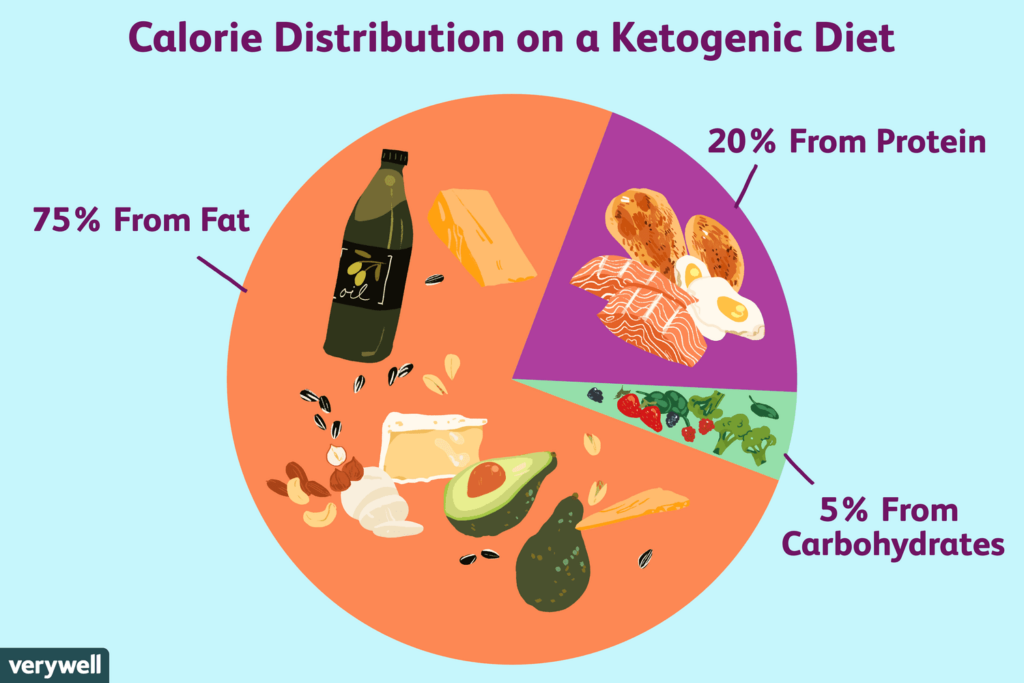
The ketogenic diet is characterized by its macronutrient composition, which typically consists of high amounts of fats, moderate amounts of protein, and very low levels of carbohydrates. The standard ketogenic diet (SKD) often follows a ratio of 75% fat, 20% protein, and 5% carbohydrates. However, other variations such as the targeted ketogenic diet (TKD) and the cyclical ketogenic diet (CKD) allow for slightly higher carbohydrate intake to accommodate specific needs or preferences.
How the Ketogenic Diet Works
The ketogenic diet works by altering the body’s metabolism, primarily through restricting carbohydrate intake. When carbohydrates are limited, the body is forced to find alternative sources of energy. In response, it begins to break down stored fat to produce molecules called ketones.
Ketones can cross the blood-brain barrier and serve as an efficient fuel source for the brain. By relying on ketones instead of glucose for energy, the brain becomes less susceptible to energy fluctuations, which can trigger seizures in individuals with epilepsy.
Additionally, the ketogenic diet may have other underlying mechanisms that contribute to its effectiveness in managing seizures. These include anti-inflammatory effects, modulation of neurotransmitter activity, and restoration of normal brain cell function.
Effectiveness of Ketogenic Diet for Seizures
Research on Ketogenic Diet and Seizures
The efficacy of the ketogenic diet in reducing seizure frequency has been extensively studied over the years. Research suggests that the ketogenic diet can be highly effective in reducing seizures, especially in individuals with drug-resistant epilepsy.
Multiple studies have shown that implementing a ketogenic diet can lead to a significant decrease in seizure frequency, with some individuals experiencing complete seizure control. One study published in the Journal of Epilepsy Research found that 46% of participants experienced a greater than 50% reduction in seizures, while 15% achieved complete seizure freedom.
Types of Seizures that Respond to Ketogenic Diet
The ketogenic diet has been found to be especially beneficial for certain types of seizures. It has been shown to be particularly effective in reducing seizures associated with Lennox-Gastaut syndrome (LGS), a severe form of epilepsy characterized by multiple seizure types.
Furthermore, the ketogenic diet has also shown promise in managing seizures associated with other types of epilepsy, such as Dravet syndrome and tuberous sclerosis complex (TSC).
Factors Influencing the Success of Ketogenic Diet for Seizures
While the ketogenic diet has demonstrated efficacy in reducing seizures, several factors can influence its success in individual patients. These include the underlying cause of seizures, the specific epilepsy syndrome, and the patient’s overall health and metabolic state.
It is crucial to work closely with a healthcare professional experienced in managing ketogenic diets for seizures to tailor the diet to the individual’s needs and ensure proper monitoring of their health and seizure control.
Mechanism of Action
Ketones as an Alternative Fuel Source
One of the primary mechanisms behind the effectiveness of the ketogenic diet in managing seizures is the utilization of ketones as an alternative fuel source for the brain. In ketosis, ketones are produced by the liver through the breakdown of fatty acids. These ketones can cross the blood-brain barrier and provide a steady supply of energy to the brain, bypassing the reliance on glucose.
By providing a stable and consistent energy source, the brain becomes less susceptible to the energy imbalances that can trigger seizures. The use of ketones as an alternative fuel source is thought to help stabilize neuronal activity and reduce the occurrence of epileptic episodes.
Anti-inflammatory Effects
In addition to its role as an alternative fuel source, the ketogenic diet has also demonstrated anti-inflammatory properties. Chronic inflammation has been implicated in the development and progression of epilepsy, particularly in drug-resistant cases.
The ketogenic diet’s high-fat composition, particularly the inclusion of omega-3 fatty acids, has been shown to reduce inflammation in the brain. By mitigating inflammation, the diet may contribute to a more stable environment within the brain, thereby reducing the likelihood of seizures.
Restoring Brain Cell Function
Epilepsy is often characterized by abnormalities in brain cell function. The ketogenic diet has shown potential in restoring these abnormalities and improving neuronal health. Animal studies have indicated that the diet can increase the production of mitochondria, the cellular powerhouses responsible for energy production.
Furthermore, the ketogenic diet may enhance the expression of neurotrophic factors, which promote the growth and survival of brain cells. This neuroprotective effect can contribute to improved brain cell function and reduced seizure activity.
Implementing a Ketogenic Diet
Consulting with a Medical Professional
Before embarking on a ketogenic diet for seizure management, it is crucial to consult with a healthcare professional, such as a neurologist or a registered dietitian. They can assess whether the ketogenic diet is suitable for your specific situation, consider any underlying medical conditions, and provide guidance on proper implementation and monitoring.
Choosing the Right Macronutrient Ratio
The macronutrient ratio of a ketogenic diet plays a crucial role in achieving and maintaining ketosis. While the standard ketogenic diet typically consists of 75% fat, 20% protein, and 5% carbohydrates, individual variations may be necessary based on factors such as age, activity level, and specific health considerations.
Working closely with a healthcare professional or registered dietitian can help ensure that the macronutrient ratio is tailored to your individual needs, optimizing the effectiveness of the ketogenic diet.
Monitoring Nutrient Intake
On a ketogenic diet, it is important to monitor nutrient intake to ensure nutritional adequacy and prevent deficiencies. Since the diet restricts specific food groups, such as grains and certain fruits, it is essential to incorporate a wide variety of nutrient-dense foods.
Regular monitoring of essential nutrients, such as vitamins, minerals, and electrolytes, can help identify any potential deficiencies and allow for appropriate adjustments or supplementation if necessary.
Potential Side Effects
Like any dietary intervention, the ketogenic diet may present potential side effects, particularly during the initial stages of adaptation. These can include fatigue, constipation, gastrointestinal discomfort, and changes in lipid profiles.
Fortunately, most side effects are temporary and can be managed with proper adjustment and monitoring. It is important to work closely with a healthcare professional to address any concerns and ensure optimal health throughout the implementation of the ketogenic diet.

Foods Allowed and Restricted
Recommended Foods
The ketogenic diet focuses on high-fat foods, including sources such as avocado, nuts and seeds, olive oil, coconut oil, and fatty cuts of meat. These fats provide the majority of calories and serve as the primary fuel source on the diet.
Additionally, non-starchy vegetables, such as leafy greens, cruciferous vegetables, and low-carbohydrate options like zucchini and cauliflower, are encouraged due to their nutrient density and low carbohydrate content.
Food Restrictions
To achieve and maintain ketosis, certain foods must be restricted on a ketogenic diet. These include high-carbohydrate foods such as grains, starchy vegetables, legumes, most fruits, and refined sugars.
It is important to pay close attention to food labels and ingredients to avoid hidden sources of carbohydrates, which can unintentionally disrupt ketosis.
Meal Planning and Recipes
Creating a Ketogenic Meal Plan
Meal planning is crucial for successful adherence to a ketogenic diet. By planning meals in advance, you can ensure that the appropriate macronutrient ratios are met and that a variety of nutrient-dense foods are incorporated.
Building meals around healthy fats, moderate amounts of protein, and low-carbohydrate vegetables is essential. This could include options such as a spinach and avocado omelet for breakfast, a fatty fish salad with olive oil dressing for lunch, and a grilled steak with roasted vegetables for dinner.
Sample Ketogenic Recipes
-
Avocado and Bacon Stuffed Eggs:
- Ingredients:
- 4 hard-boiled eggs
- 1 ripe avocado
- 2 slices of cooked bacon, crumbled
- Salt and pepper to taste
- Instructions:
- Cut the hard-boiled eggs in half lengthwise and remove the yolks.
- Mash the avocado in a bowl and add the crumbled bacon, salt, and pepper.
- Spoon the avocado mixture into the hollowed egg whites.
- Serve and enjoy!
- Ingredients:
-
Grilled Salmon with Lemon Butter Sauce:
- Ingredients:
- 2 salmon fillets
- 2 tablespoons butter
- Juice of 1 lemon
- Salt and pepper to taste
- Fresh dill for garnish (optional)
- Instructions:
- Preheat the grill to medium-high heat.
- Season the salmon fillets with salt and pepper.
- Grill the salmon for 4-5 minutes per side, or until cooked to desired doneness.
- While the salmon is grilling, melt the butter in a small saucepan.
- Stir in the lemon juice and season with salt and pepper.
- Remove the salmon from the grill and drizzle the lemon butter sauce over the top.
- Garnish with fresh dill, if desired, and serve.
- Ingredients:

Supplementation on a Ketogenic Diet
Importance of Supplements
Supplementation may be necessary on a ketogenic diet to ensure proper nutrient intake and address potential deficiencies. Since the diet restricts certain food groups, it can be challenging to obtain all essential nutrients solely from food sources.
A healthcare professional or registered dietitian can assess your specific nutrient needs and recommend appropriate supplements, which may include omega-3 fatty acids, vitamin D, and electrolyte replacements.
Recommended Supplements
-
Omega-3 fatty acids: These essential fats are important for brain health and reducing inflammation. Consider fish oil or algae-based omega-3 supplements.
-
Vitamin D: Since the ketogenic diet limits sources of vitamin D, supplementation may be necessary to maintain optimal levels and support bone health.
-
Electrolytes: The ketogenic diet can alter electrolyte balance, leading to an increased need for sodium, potassium, and magnesium. Electrolyte supplements can help prevent any imbalances or deficiencies.
It is essential to work with a healthcare professional when considering supplementation to ensure appropriate dosage and suitability for your individual needs.
Adherence and Long-Term Sustainability
Challenges of Adhering to a Ketogenic Diet
While the ketogenic diet can be effective in managing seizures, it can also present challenges in terms of adherence. The diet requires significant changes in dietary habits and can be restrictive, which may make it difficult for some individuals to sustain long-term.
Some common challenges include initial adjustment symptoms, such as the “keto flu,” which may include fatigue, headaches, and irritability. Additionally, the diet’s social implications, such as limited dining-out options or navigating family gatherings, can present challenges for adherence.
Maintaining Ketosis
To maintain the beneficial effects of the ketogenic diet, it is essential to consistently stay in a state of ketosis. This requires strict adherence to the macronutrient ratios and careful monitoring of carbohydrate intake.
Regular measurement of ketone levels using urine strips or blood meters can help ensure that you remain in ketosis. Additionally, tracking food intake through apps or journaling can provide valuable insights into maintaining proper macronutrient ratios.
Tips for Long-Term Sustainability
To support long-term adherence to a ketogenic diet, consider the following tips:
-
Educate yourself: Learn about the ketogenic diet, its principles, and its potential benefits. Understanding the reasons behind the diet and its effects can help maintain motivation and commitment.
-
Meal prepping: Prepare meals in advance to ensure a steady supply of keto-friendly options. This can help prevent impulsive food choices and make adhering to the diet more convenient.
-
Focus on variety: Incorporate a wide array of nutrient-dense foods to avoid monotony and nutritional deficiencies. Try new recipes and experiment with different flavors and cooking methods to keep meals interesting.
-
Seek support: Join online forums, support groups, or engage with a dietitian specializing in ketogenic diets. Connecting with others who follow or have experience with the ketogenic diet can provide valuable insights, motivation, and encouragement.
-
Practice self-care: Prioritize self-care activities, such as stress management, regular exercise, and adequate sleep. These factors can contribute to overall well-being and support the body’s response to dietary changes.
Remember, adherence to any diet should always be discussed with a healthcare professional, who can provide individualized guidance and support throughout the process.

Ketogenic Diet for Children with Seizures
Benefits and Considerations for Children
The ketogenic diet has shown remarkable benefits for children with seizures, particularly those with drug-resistant epilepsy. It is often considered as an adjunct therapy when medications alone fail to provide adequate seizure control.
The diet’s efficacy in reducing seizures can contribute to improved cognitive development, overall quality of life, and decreased reliance on medications. However, implementing the ketogenic diet in children requires careful consideration and close monitoring to ensure appropriate nutrient intake and optimal growth and development.
Support for the Child and Family
Implementing a ketogenic diet for a child with seizures involves not only dietary adjustments but also providing adequate support to the child and their family. It is essential to involve a multidisciplinary team, including a neurologist, registered dietitian, and psychologist, to address the physical, nutritional, and emotional aspects of the diet.
Education and ongoing support for the child and their family are vital. This may include regular follow-up appointments, monitoring growth and development, and providing resources and guidance to address any challenges or concerns that may arise.
Future Directions and Research
Ongoing Studies on Ketogenic Diet and Seizures
Research on the ketogenic diet for seizures continues to evolve, with ongoing studies addressing various aspects of its effectiveness and mechanisms of action. These studies aim to further understand the diet’s potential benefits, optimize its implementation, and identify potential improvements or modifications.
Currently, research is focusing on further elucidating the long-term effects of the ketogenic diet, exploring its efficacy in specific populations, such as adults with epilepsy and individuals with different seizure types, and investigating potential variations or modifications of the diet to enhance its therapeutic effects.
Potential Improvements and Modifications
As research continues to expand, there are exciting possibilities for improvements and modifications to the ketogenic diet. These may include personalized macronutrient ratios based on an individual’s specific needs and genetic factors, further refinement of targeted ketogenic diets to address specific epilepsy syndromes, and the development of novel ketogenic diet therapies.
The integration of technology, such as continuous glucose monitoring systems and digital health platforms, may also provide valuable tools for optimizing the ketogenic diet’s efficacy and monitoring patient outcomes.
In conclusion, the ketogenic diet has emerged as a promising therapeutic option for managing seizures, particularly in individuals with epilepsy. Its ability to induce and maintain ketosis offers a unique alternative fuel source for the brain, reducing seizure frequency and improving overall seizure control. While challenges may arise with adherence, proper guidance from healthcare professionals, individualized meal planning, and ongoing support can contribute to long-term success. As research continues to unfold, the ketogenic diet’s potential benefits and applications in seizure management are poised for even greater understanding and refinement.


