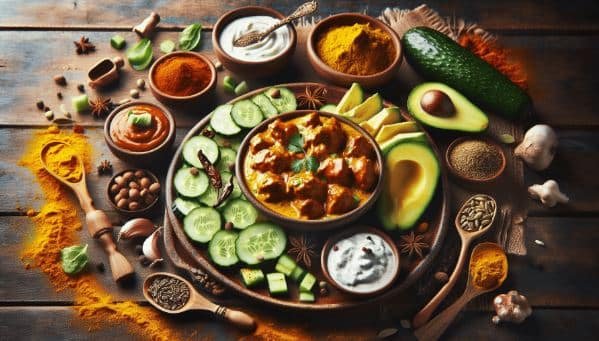
Ketogenic Diet India
The ketogenic diet has taken the world by storm, and India is no exception. With its roots in a high-fat, low-carbohydrate lifestyle, the keto diet offers various health benefits that many are keen to explore.
If you’re considering diving into the world of ketosis, you’re in for an enlightening journey! In this article, we’ll break down the ketogenic diet, how to implement it in the context of Indian cuisine, and the potential benefits and challenges you might face along the way.

What is the Ketogenic Diet?
The ketogenic diet, often referred to as “keto,” involves drastically reducing your carbohydrate intake and replacing it with fats.
This diet aims to induce ketosis, in which the body becomes efficient at burning fat for energy instead of carbohydrates. This process can lead to weight loss, increased energy levels, and improvements in certain health conditions, such as epilepsy.
When you shift your diet to more fats, your body produces ketones in the liver, the primary energy source. As you transition, your cravings and energy levels will fluctuate, but you can find your rhythm with patience.
How Does Keto Work?
Understanding how keto works can empower you to make informed food choices. In a standard diet, carbohydrates are broken down into glucose, which fuels your cells. However, with a keto diet, you minimize carbohydrate intake (often below 50 grams a day), which compels your body to deplete its glycogen stores and utilize fats for energy.
There are several phases of adapting to a keto diet:
- Induction Phase: You restrict carbs to around 20 grams to kickstart ketosis.
- Transition Phase: As your body adapts, you can slowly introduce more carbs while remaining in ketosis.
- Maintenance Phase: Once established, your body can maintain ketosis with a higher carb intake tailored to your lifestyle and preferences.
The initial weeks may involve some discomfort, often called the “keto flu,” but don’t let that deter you. This phase typically passes as your body adapts to its new energy source.

Indian Cuisine and the Ketogenic Diet
One might think that traditional Indian cuisine laden with rice, bread, and sugary desserts wouldn’t align with a ketogenic approach. However, there’s a silver lining! Indian cuisine is rich in spices, vegetables, and various proteins that can be adapted to fit a low-carb lifestyle.
Popular Keto-Friendly Ingredients
1. Healthy Fats: Switch your cooking oils to coconut, ghee, or olive oil. These fats are healthy and add a delicious flavor to your Indian dishes.
2. Low-Carb Vegetables: Emphasize leafy greens like spinach, kale, and methi (fenugreek leaves), as well as cruciferous vegetables like cauliflower and broccoli. These can be incorporated into curries, stir-fries, and salads.
3. Protein Sources: Consider including meat, fish, eggs, and paneer (Indian cottage cheese) in your meals. These ingredients provide the protein necessary for maintaining muscle while on a ketogenic diet.
4. Spices: Traditional Indian spices such as cumin, turmeric, and garam masala add flavor and have health benefits. Spices can make your meals vibrant and exciting while adhering to keto guidelines.
Sample Indian Keto Meals
To help you get started, here are some meal ideas that fit seamlessly into your ketogenic lifestyle:
- Breakfast: How about starting your day with a fluffy omelet with vegetables and cheese? You can spice it up with some green chilies and coriander leaves.
- Lunch: Creamy butter chicken paired with cauliflower rice makes a filling and satisfying meal that won’t kick you out of ketosis.
- Dinner: A keto-friendly paneer tikka served with a refreshing cucumber salad can be a delightful way to end your day. It brings flavors from the tandoor to your kitchen without the carbs.
- Snacks: Keep a handful of nuts, especially walnuts or almonds, for quick snacks between meals. They are nutritious and can curb your afternoon cravings.
Benefits of the Ketogenic Diet
You may wonder about the ketogenic diet’s actual benefits. Understanding these perks can motivate you to commit to this lifestyle change.
Weight Loss
One of the primary reasons many individuals start the ketogenic diet is for weight loss. By lowering carb intake, your body becomes skilled at burning fat. Also, high-fat diets can reduce hunger, leading to lower caloric intake. Many people have reported significant weight loss within weeks of beginning the keto diet.
Increased Energy Levels
After the initial adaptation phase, many find their energy levels soaring. Instead of experiencing the rollercoaster dips and peaks associated with carb consumption, those on a keto diet often enjoy sustained energy throughout the day. This can improve focus and productivity in both work and daily activities.
Improved Mental Clarity
Several studies suggest that ketones can improve cognitive performance. You may notice enhanced focus, clearer thinking, and better memory retention as you adapt to ketosis. Many keto enthusiasts swear by the newfound mental clarity that stems from utilizing fat as an energy source.
Potential Disease Management
Some research points to the keto diet as beneficial for managing conditions like epilepsy, type 2 diabetes, and even certain types of cancer. The diet’s ability to stabilize blood sugar levels can be particularly advantageous for those with insulin resistance. However, it’s crucial to consult with a healthcare professional if you have specific health conditions.
Challenges of the Ketogenic Diet
While the ketogenic diet is appealing, it does come with its own set of challenges. Being aware of these can help you navigate through your ketogenic journey more smoothly.
Keto Flu
As stated earlier, when transitioning to a ketogenic lifestyle, some may experience “keto flu.” This combination of fatigue, headaches, and irritability typically occurs within the first week. While it may be uncomfortable, it’s usually temporary. Staying hydrated, consuming electrolytes, and resting can help ease these symptoms.
Social Situations
Navigating social events can be challenging when adhering to keto. Most traditional Indian meals are carbohydrate-heavy, with dishes like biryani, naan, and sugary desserts.
I want you to know that communicating your dietary restrictions to family and friends can make social gatherings easier. You could also bring keto-friendly dishes to share, helping others understand and appreciate your culinary choices.
Long-Term Sustainability
Strict adherence to a ketogenic diet can be challenging to maintain over time. As you settle into the lifestyle, consider incorporating periodic carb cycling or less restrictive days, allowing for flexibility while maintaining ketosis’s benefits.
Making the Shift to a Ketogenic Lifestyle
If you’re ready to embark on this journey, it’s essential to approach it with a plan. Here are some actionable steps you can take:
Educate Yourself
Reading about the ketogenic diet can reinforce your resolve and answer any questions. Look for reputable websites, cookbooks, and even local classes where you can learn more about this way of life.
Meal Prep
Planning and prepping your meals in advance can save you time and stress throughout the week. Could you list keto-friendly recipes that appeal to you and try preparing several dishes in advance? It’ll help you avoid the temptation to reach for high-carb options when hungry.
Stock Your Pantry
Ensure that your kitchen is stocked with keto-friendly staples. Fill your pantry with healthy fats, low-carb vegetables, spices, and protein sources. This makes it easier to whip up a quick and satisfying meal without the risk of indulging in carbs.
Experiment
Don’t shy away from trying new things! Experiment with traditional recipes by adapting them for a keto diet. Cooking can be fun to explore this new lifestyle, whether cauliflower rice biryani or keto-friendly choco-pakoras.
If you’ve enjoyed this article, I encourage you to clap for it, leave a comment sharing your thoughts or experiences with the ketogenic diet, and subscribe to my Medium newsletter for more updates and insights into healthy living. Your journey into ketosis awaits—happy cooking!
Related Topics About Ketogenic Diet India
Indian Keto Food List,
Indian Ketogenic Diet Plan,
Ketogenic Diet For Epilepsy In India,
Ketogenic Diet In India,
Ketogenic Diet India,
Ketogenic Diet Indian Food Recipes,
Ketogenic Diet Indian Vegetarian Recipes,
Low Carb Diet Chart Indian,
Low Carb Diet In India,
Low Carb Diet In Indian Food,
Low Carb Diet Indian Recipes,
Low Carb Diet Indian Vegetarian Recipes,
Low Carb Diet South Indian,
Low Carb Diet South Indian Recipes,
What Indian Food Is Keto,
What To Avoid In Keto Diet Indian,
What To Eat In Keto Diet India,
Which Indian Food Is Keto
===========
Content 10/10/G