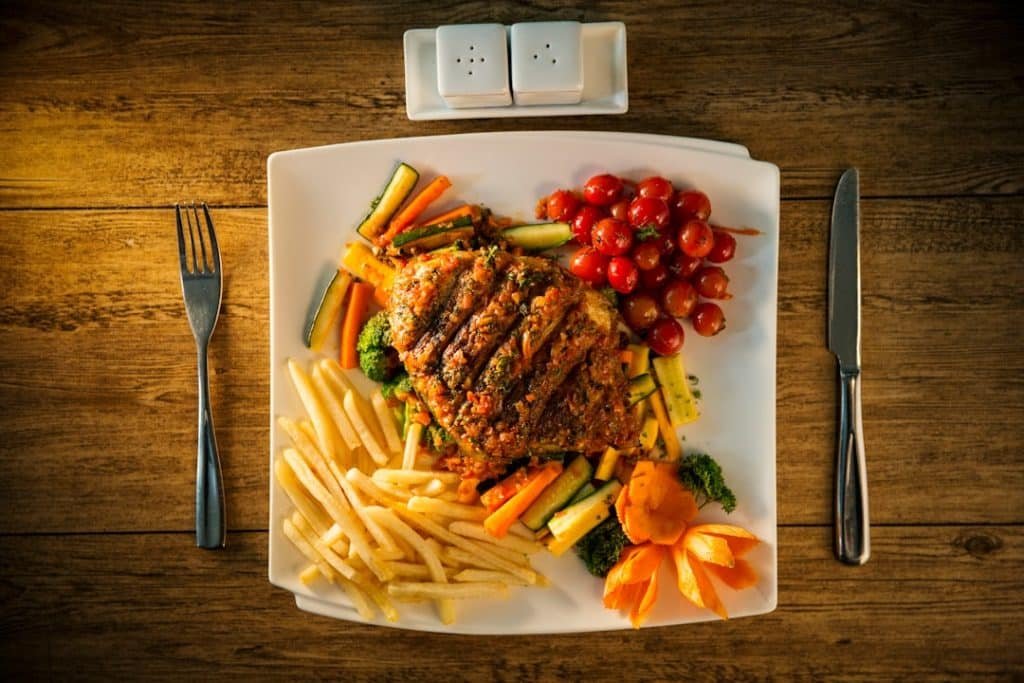
A ketogenic diet, often referred to simply as “keto,” is a high-fat, low-carbohydrate eating plan designed to shift your body’s metabolism away from carbohydrates and towards fat. By drastically reducing your intake of carbohydrates and replacing them with fats, you encourage your body to enter a state known as ketosis. In this metabolic state, your body becomes incredibly efficient at burning fat for energy, which can lead to significant weight loss and other health benefits.
The typical macronutrient breakdown for a ketogenic diet is approximately 70-75% fat, 20-25% protein, and only about 5-10% carbohydrates. As you embark on this dietary journey, it’s essential to understand that the ketogenic diet is not just a fad; it has been used for decades, initially developed in the 1920s as a treatment for epilepsy. Over the years, it has gained popularity for its potential benefits in weight management and overall health.
However, transitioning to a ketogenic lifestyle requires commitment and an understanding of how to balance your meals effectively. You’ll need to familiarize yourself with the types of foods that fit within this framework and how to make sustainable choices that align with your health goals.
Key Takeaways
- A ketogenic diet is a high-fat, low-carb diet that helps the body burn fat for energy instead of carbohydrates.
- Benefits of a ketogenic diet include weight loss, improved mental focus, and better blood sugar control.
- Understanding macros on a ketogenic diet involves tracking and balancing the intake of fats, proteins, and carbohydrates.
- Easy and delicious ketogenic breakfast ideas include avocado and egg toast, chia seed pudding, and bacon and spinach frittata.
- Satisfying ketogenic lunch options can include chicken salad with avocado, zucchini noodles with pesto, and lettuce wraps with turkey and cheese.
Benefits of a Ketogenic Diet
One of the most compelling reasons to consider a ketogenic diet is its potential for weight loss. By significantly reducing carbohydrate intake, your body begins to burn stored fat for energy, which can lead to rapid weight loss in the initial stages. Many people find that they experience reduced hunger levels, making it easier to stick to their dietary goals without feeling deprived.
This appetite suppression is often attributed to the satiating nature of fats and proteins, which can help you feel fuller for longer periods. Beyond weight loss, the ketogenic diet has been associated with various health benefits. Research suggests that it may improve insulin sensitivity, which can be particularly beneficial for those with type 2 diabetes or prediabetes.
Additionally, some studies indicate that a ketogenic diet may have neuroprotective effects, potentially benefiting individuals with neurological disorders. Furthermore, many followers report increased energy levels and improved mental clarity once they adapt to the diet, as their bodies become more efficient at utilizing fat for fuel.
Understanding Macros on a Ketogenic Diet
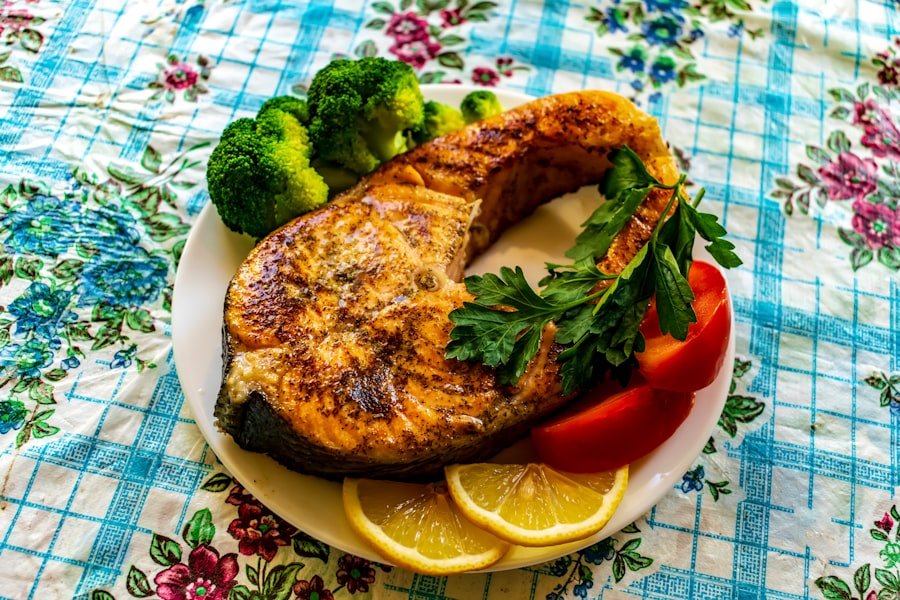
To successfully navigate a ketogenic diet, you must grasp the concept of macronutrients—often referred to as “macros.” These are the three primary components of food: carbohydrates, proteins, and fats. On a ketogenic diet, your focus will be on consuming high amounts of fats while keeping carbohydrates to a minimum. This means you’ll need to track your intake carefully to ensure you’re meeting your macro goals.
Typically, you’ll aim for about 70-75% of your daily calories from fats, 20-25% from proteins, and only 5-10% from carbohydrates. This might seem daunting at first, but with practice, you’ll become adept at calculating your macros and making informed food choices. You can use various apps or online calculators to help you track your intake and ensure you’re staying within your desired ranges.
Understanding how different foods fit into these categories will empower you to create balanced meals that support your ketogenic lifestyle.
Easy and Delicious Ketogenic Breakfast Ideas
Breakfast is often touted as the most important meal of the day, and on a ketogenic diet, it can be both easy and delicious. One popular option is scrambled eggs cooked in butter or coconut oil, which provides a rich source of healthy fats. You can enhance this dish by adding spinach, cheese, or avocado for added flavor and nutrients.
Another great choice is a keto smoothie made with unsweetened almond milk, spinach, avocado, and a scoop of protein powder. This refreshing drink is not only quick to prepare but also packed with healthy fats and fiber. If you’re in the mood for something sweet in the morning, consider making keto pancakes using almond flour or coconut flour instead of traditional wheat flour.
Top them with sugar-free syrup or fresh berries for a delightful treat that won’t derail your dietary goals. Additionally, chia seed pudding made with coconut milk can serve as a satisfying breakfast option that’s rich in omega-3 fatty acids and fiber. With these ideas in mind, you’ll find that breakfast on a ketogenic diet can be both enjoyable and nutritious.
Satisfying Ketogenic Lunch Options
When it comes to lunch on a ketogenic diet, there are countless satisfying options that can keep you energized throughout the day. A classic choice is a salad topped with grilled chicken or salmon, drizzled with olive oil and vinegar dressing. You can add an array of low-carb vegetables like cucumbers, bell peppers, and leafy greens to create a colorful and nutrient-dense meal.
For added flavor and texture, consider incorporating nuts or seeds into your salad. Another delicious lunch idea is a lettuce wrap filled with deli meats, cheese, avocado, and your favorite condiments. This low-carb alternative to traditional sandwiches allows you to enjoy all the flavors without the added carbs from bread.
If you prefer something warm, try making a hearty soup using bone broth as a base and adding vegetables like zucchini or cauliflower along with shredded chicken or beef. These options not only satisfy your hunger but also align perfectly with your ketogenic goals.
Creative Ketogenic Dinner Recipes
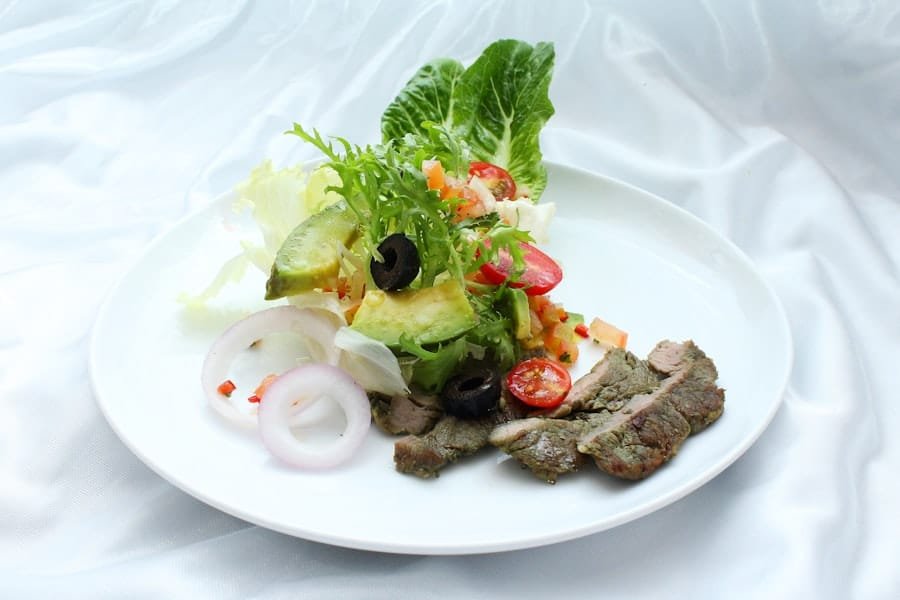
Dinner is an opportunity to get creative in the kitchen while adhering to your ketogenic diet. One fantastic recipe is zucchini noodles tossed in homemade pesto sauce with grilled shrimp or chicken. This dish is not only visually appealing but also offers a burst of flavor without the carbs associated with traditional pasta.
You can easily whip up the pesto using fresh basil, garlic, olive oil, and pine nuts for a deliciously aromatic sauce. Another delightful dinner option is baked salmon topped with lemon butter sauce served alongside roasted asparagus or Brussels sprouts. The healthy fats from the salmon combined with the vibrant flavors of lemon create a satisfying meal that’s both nutritious and easy to prepare.
For those who enjoy comfort food, consider making cauliflower mac and cheese by blending steamed cauliflower with cream cheese and cheddar cheese for a creamy texture that mimics traditional mac and cheese without the carbs.
Snack Ideas for a Ketogenic Diet
Snacking on a ketogenic diet doesn’t have to be boring or bland; there are plenty of tasty options available that will keep you satisfied between meals. One popular choice is cheese crisps—simply bake shredded cheese until crispy for a crunchy snack that’s high in fat and flavor. You might also enjoy guacamole served with celery sticks or cucumber slices for a refreshing dip that’s packed with healthy fats.
Nuts are another excellent snack option; however, it’s essential to choose wisely since some nuts are higher in carbs than others. Almonds, macadamia nuts, and pecans are great choices that provide healthy fats while keeping your carb intake low. If you’re craving something sweet, consider making fat bombs—small treats made from ingredients like coconut oil, nut butter, and cocoa powder that satisfy your sweet tooth without compromising your dietary goals.
Desserts for Those with a Sweet Tooth on a Ketogenic Diet
Just because you’re following a ketogenic diet doesn’t mean you have to give up desserts entirely! There are numerous ways to indulge your sweet tooth while staying within your carb limits. One popular option is keto cheesecake made with almond flour crust and sweetened with erythritol or stevia instead of sugar.
This creamy dessert can be topped with fresh berries for an added burst of flavor. Another delightful treat is chocolate mousse made from heavy cream and unsweetened cocoa powder blended together until fluffy. This rich dessert is not only satisfying but also aligns perfectly with your dietary needs.
You might also enjoy making coconut macaroons using unsweetened shredded coconut mixed with egg whites and sweetener—these chewy bites are sure to please any dessert lover while keeping carbs in check.
Meal Planning and Prepping for a Ketogenic Diet
Meal planning and prepping are crucial components of successfully adhering to a ketogenic diet. By taking the time to plan your meals for the week ahead, you can ensure that you have all the necessary ingredients on hand while minimizing the temptation to stray from your dietary goals. Start by creating a weekly menu that includes breakfast, lunch, dinner, and snacks—this will help you stay organized and focused.
When it comes to prepping meals, consider batch cooking proteins like chicken or beef at the beginning of the week so they’re ready to use in various dishes throughout the week. You can also chop vegetables in advance or prepare salads in jars for easy grab-and-go options during busy days. By investing time upfront in meal planning and prepping, you’ll set yourself up for success on your ketogenic journey.
Eating Out on a Ketogenic Diet
Dining out while following a ketogenic diet can be challenging but certainly manageable with some strategic choices. When reviewing menus at restaurants, look for dishes that feature protein sources like steak, chicken, or fish paired with non-starchy vegetables such as broccoli or asparagus. Don’t hesitate to ask for modifications—requesting sauces on the side or substituting high-carb sides for extra vegetables can help you stay within your dietary parameters.
Many restaurants now offer keto-friendly options due to its growing popularity; however, it’s always wise to double-check ingredients if you’re unsure about hidden sugars or carbs in sauces or dressings. Opting for grilled or roasted items rather than fried can also help keep your meal aligned with keto principles while still allowing you to enjoy dining out without feeling deprived.
Tips for Success on a Ketogenic Diet
To thrive on a ketogenic diet, it’s essential to stay informed and motivated throughout your journey. One key tip is to educate yourself about food labels—understanding how to read nutritional information will empower you to make better choices when shopping for groceries or dining out. Additionally, surrounding yourself with supportive friends or joining online communities can provide encouragement and accountability as you navigate this lifestyle change.
Another important aspect of success on a ketogenic diet is being patient with yourself during the transition period. It may take time for your body to adapt fully to burning fat instead of carbohydrates; during this phase, you might experience symptoms commonly referred to as “keto flu.” Staying hydrated and ensuring adequate electrolyte intake can help alleviate these symptoms as your body adjusts. Remember that consistency is key; by sticking with it and making mindful choices over time, you’ll likely see positive results that reinforce your commitment to this healthy lifestyle choice.
In conclusion, adopting a ketogenic diet can be an exciting journey filled with delicious food options and numerous health benefits. By understanding what constitutes this eating plan and exploring various meal ideas—from breakfast through dessert—you’ll find that maintaining this lifestyle can be both enjoyable and rewarding. With careful planning and mindful choices, you can successfully navigate the world of keto while achieving your health goals.
FAQs
What is a ketogenic diet?
A ketogenic diet is a high-fat, adequate-protein, low-carbohydrate diet that forces the body to burn fats rather than carbohydrates for energy. This process produces ketones, which are used as fuel for the body.
What are some common foods in a ketogenic diet?
Common foods in a ketogenic diet include meats, fatty fish, eggs, butter, cream, cheese, nuts, seeds, low-carb vegetables, and healthy oils such as olive oil and coconut oil.
What are some examples of ketogenic diet meals?
Examples of ketogenic diet meals include bacon and eggs for breakfast, a salad with grilled chicken and avocado for lunch, and a steak with asparagus and butter for dinner.
What are the potential benefits of a ketogenic diet?
Some potential benefits of a ketogenic diet include weight loss, improved blood sugar control, increased mental clarity and focus, and reduced risk of certain diseases such as epilepsy and Alzheimer’s.
Are there any potential risks or side effects of a ketogenic diet?
Potential risks or side effects of a ketogenic diet may include nutrient deficiencies, constipation, bad breath, and in some cases, an increase in LDL cholesterol levels. It is important to consult with a healthcare professional before starting a ketogenic diet, especially for those with existing health conditions.