Ketogenic Diet Pcos: A Comprehensive Guide
If you’ve found yourself navigating the complexities of Polycystic Ovary Syndrome (PCOS), you might have stumbled upon the ketogenic (keto) diet as a potential ally.
The keto diet is becoming increasingly popular for its effects on weight loss and improving metabolic health. In this article, we will explore the relationship between the ketogenic diet and PCOS, examining its benefits, potential challenges, and what you need to know to consider it for yourself.

Understanding PCOS
Polycystic Ovary Syndrome is a hormonal disorder that affects individuals with ovaries, and it has far-reaching implications for your fertility, mood, and overall health.
Characterized by irregular menstrual cycles, elevated androgen levels, and polycystic ovaries, PCOS can lead to a host of challenges, including weight gain, insulin resistance, and increased risk of diabetes and cardiovascular disease.
Navigating PCOS can feel overwhelming, but understanding the intricacies of this condition is the first step toward managing it effectively.
By learning about its causes, symptoms, and impacts, you arm yourself with the knowledge needed to take control of your health.
What is a Ketogenic Diet?
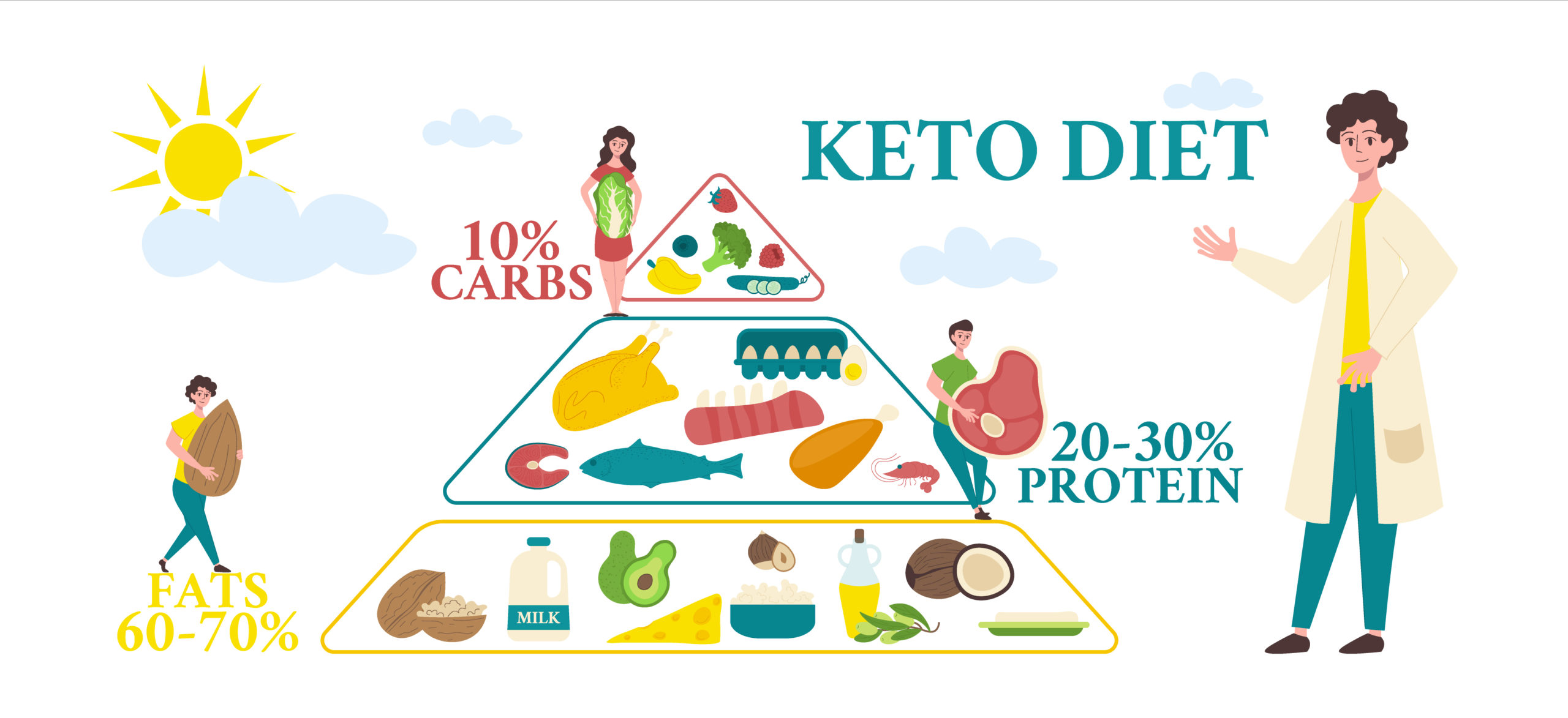
The ketogenic diet is a high-fat, low-carbohydrate eating plan designed to shift your body’s metabolism from burning carbohydrates for energy to utilizing fats instead.
This metabolic state, ketosis, encourages your body to become a fat-burning machine. When you drastically reduce your carbohydrate intake, your body uses fat as its primary fuel source, which can lead to weight loss, decreased hunger, and improved energy.
The typical macronutrient breakdown in a ketogenic diet consists of approximately 70–80% fats, 15–20% protein, and 5–10% carbohydrates.
The focus is to incorporate healthy fats such as avocados, nuts, seeds, and olive oil while minimizing sugar and starch intake, which can often contribute to hormonal imbalances associated with PCOS.

The Connection Between Insulin Resistance and PCOS
One of the major underlying issues for many individuals with PCOS is insulin resistance. Insulin is a hormone that helps regulate your blood sugar levels. When your body becomes resistant to it, you may experience a host of problems—including weight gain, mood swings, and irregular periods.
Research indicates that a significant percentage of women with PCOS struggle with insulin resistance, which can exacerbate symptoms and lead to long-term health consequences.
This connection sets the stage for the keto diet’s potential benefits, as it has been shown to improve insulin levels and sensitivity effectively. By restricting carbohydrates, the keto diet can help stabilize blood sugar levels, making it an attractive option for those looking to manage their PCOS symptoms.
How the Ketogenic Diet Can Help Manage PCOS Symptoms
If you’ve been diagnosed with PCOS, you may be wondering how the ketogenic diet can help alleviate some of your symptoms. While everyone’s experience with PCOS is unique, many women report various benefits after adopting a keto lifestyle. Here are some of the key ways in which the ketogenic diet can positively impact your experience with PCOS:
Weight Management
Weight loss can be a significant concern for those with PCOS. Many individuals struggle with weight gain and find it challenging to shed those extra pounds.
The ketogenic diet has been found to promote weight loss. Its high-fat, low-carb approach helps reduce hunger and cravings. When your body enters ketosis, it burns stored fat for fuel, which can result in effective weight loss and improved metabolic health.
Improved Insulin Sensitivity
As mentioned earlier, insulin resistance plays a significant role in PCOS. Cutting down on carbohydrates, the keto diet can help lower insulin levels and improve overall insulin sensitivity. For many, this means not only managing blood sugar levels more effectively but also reducing the risk of developing Type 2 diabetes, a common concern for those with PCOS.
Hormonal Balance
Hormonal imbalances are at the root of PCOS, and the ketogenic diet has the potential to help restore that balance. As insulin levels stabilize, other hormones, particularly androgen levels, can also improve.
Higher androgen levels often lead to acne, excessive hair growth, and other unwanted symptoms. Adopting a ketogenic diet can contribute to lower testosterone levels, thereby reducing these symptoms for many women.
Increased Energy Levels
Living with PCOS can sometimes feel like dragging your feet through the day. Fatigue is a common struggle among those with this condition, exacerbated by hormonal imbalances and insulin resistance.
Keto dieters frequently report increased energy levels after the initial adjustment phase. Once you adapt to burning fat for fuel, you may feel more energetic and focused throughout the day.
Potential Challenges of the Ketogenic Diet for PCOS
While there are many positive aspects of the keto diet—especially when it comes to managing PCOS symptoms—it’s essential to recognize that it comes with its own set of challenges. Here are a few considerations to keep in mind:
The Keto Flu
When transitioning to a ketogenic diet, many individuals experience what is referred to as the “keto flu.” These symptoms can include fatigue, irritability, headaches, and cravings.
Generally speaking, this phase is temporary, and your body will adjust over time. However, being mindful of these symptoms and understanding they’re part of the transition can help you navigate this challenge.
Nutritional Deficiencies
Restricting carbohydrates can sometimes lead to a lack of essential nutrients. You must consume various high-quality foods to get the vitamins and minerals your body needs. Incorporating low-carb vegetables, nuts, seeds, and healthy fats can help you maintain a well-rounded nutrient profile.
Finding Support
Embarking on any diet can sometimes feel isolating, especially one as restrictive as keto. Finding supportive, in-person, or online communities can make all the difference. Surrounding yourself with others who understand the nuances of both PCOS and the ketogenic diet may offer motivation and camaraderie as you navigate your journey.
Individual Differences
It’s important to understand that not everyone will experience the same benefits from a ketogenic diet. Some may feel energized and see significant improvements, while others may not find it the best fit. Listening to your body and working with a healthcare professional can help tailor the approach to your needs.
Getting Started on the Ketogenic Diet
Now that we’ve explored the potential benefits and challenges of the ketogenic diet for managing PCOS, you might be considering how to get started. Here’s a friendly guide to ease you into this lifestyle change.
Educate Yourself
Understanding the principles of the ketogenic diet is essential. Take time to read about the macronutrient ratios and common foods that fit into this lifestyle. Consider keeping a food diary to track what you eat, how you feel, and any changes you notice in your body.
Meal Planning
Planning meals can help you stay within your carbohydrate goals. Many delicious, keto-friendly recipes are available online to help you create a diverse and satisfying meal plan. Prepare your meals in advance so that when hunger strikes, you have healthy options at your fingertips.
Stay Hydrated and Monitor your Electrolytes
When transitioning to keto, your body may shed excess water and electrolytes, leading to dehydration and imbalances. Please drink plenty of water throughout the day and consider incorporating electrolyte-rich foods like avocados, spinach, nuts, or a supplement if you need them.
Listen to Your Body
As you embark on your ketogenic journey, pay close attention to how your body responds. If you feel sluggish or unwell, adjusting your macronutrient ratios or seeking guidance from a healthcare professional may be worth changing. Individualized care is essential, especially when dealing with a condition like PCOS.
Success Stories: Real Women, Real Results
Sometimes, the best way to understand how the ketogenic diet can positively impact your life with PCOS is by hearing from others who have walked that path. Countless women have shared stories of how going keto allowed them to regain control over their symptoms and live healthier, happier lives.
From weight loss transformations to regulated cycles and improved moods, these real-life experiences often motivate us to take that first step. You might find inspiration from blog posts, videos, or social media channels that share success stories in the PCOS and keto communities.
Is the Ketogenic Diet Right for You?
While the ketogenic diet holds promise for those grappling with PCOS, it’s essential to remember that no one-size-fits-all approach exists.
This journey is about finding what works for you and your body. The keto diet might be a valuable tool in your toolkit, helping you manage symptoms and reach your health goals, but it’s essential to approach it mindfully, with support and education at your side.
If you decide to take the plunge into keto, embrace the adventure with an open mind and heart. Tune into your body, listen to what it tells you, and don’t hesitate to modify the plan to suit your individual needs.
Remember: your experience is uniquely yours. Whether you try the ketogenic diet or explore other options, remember that the most important thing is to be kind to yourself and stay committed to your health journey.
If you found this article helpful, please clap for it, leave a comment, and consider subscribing to my Medium newsletter for more updates and insights. Let’s walk this journey of understanding and managing PCOS together!

Related Topics About Ketogenic Diet Pcos
Can Keto Cause Pcos,
Is Keto Diet Safe For Pcos,
Is Keto Pcos Friendly,
Keto Diet Pcos Study,
Ketogenic Diet For Pcos Weight Loss,
Low Carb Diet In Pcos,
Low Carb Diet With Pcos,
Pcos Ketogenic Diet Results
===========
Content 10/10/G