Ketogenic Diet Schizophrenia
Schizophrenia is a complex mental health condition that affects millions of people around the world. If you or someone you care about is dealing with schizophrenia, you may be exploring various treatment options, including dietary changes. One such dietary approach that has been gaining attention is the ketogenic diet. In this article, we will delve deep into what the ketogenic diet is and how it could potentially affect someone living with schizophrenia.
What is the Ketogenic Diet?
The ketogenic diet (often abbreviated as “keto”) is a high-fat, low-carbohydrate diet that has been used for nearly a century to manage epilepsy, principally in children. This diet allows your body to enter a state of ketosis, where it burns fat for energy instead of carbohydrates. You’re probably thinking, “Aren’t carbs essential for energy?” While carbohydrates are indeed a primary energy source for the body, reducing their intake can lead to some surprising benefits.
By drastically cutting your carbohydrate consumption and replacing it with fat, your body can become more efficient at utilizing fat as an energy source. Moreover, this shift has implications beyond just weight loss. Research has suggested that the ketogenic diet may also have neuroprotective properties and could help manage various mental health disorders, including schizophrenia.
Understanding Schizophrenia
Schizophrenia is a serious psychiatric disorder characterized by hallucinations, delusions, and significant disruptions in thinking and behavior. Though you might not personally experience it, understanding schizophrenia is essential for those supporting loved ones who do. The symptoms can often leave you feeling confused and isolated, and managing them typically requires a multifaceted approach including medication, therapy, and lifestyle changes.
The onset of schizophrenia generally occurs in late adolescence or early adulthood, and it affects both men and women. The exact causes of schizophrenia remain unknown but are believed to involve genetic, neurobiological, and environmental factors. This complexity often leaves those affected feeling overwhelmed, both by the tumult of their thoughts and by the social stigma surrounding mental illness.

The Connection Between Diet and Mental Health
It’s fascinating how intertwined our physical and mental health can be. What you eat not only affects your body but also your mind. Research is increasingly supporting the notion that dietary patterns can influence mental health conditions. Some studies have shown that specific nutrients, or lack thereof, can contribute to the severity of mental illnesses.
For example, the Mediterranean diet, rich in fruits, vegetables, whole grains, fish, and healthy fats, has been associated with a lower risk of depression and cognitive decline. This brings us to the ketogenic diet, which significantly recasts the standard recommendations by focusing heavily on fats instead of carbohydrates.
As you might imagine, the psychological implications of dietary choices can be profound. There’s something empowering about taking control of what you put in your body, especially when you’re coping with a condition like schizophrenia.
How Does the Ketogenic Diet Work?
So, how does this diet function on a biochemical level? When you drastically decrease your carbohydrate intake, your body enters a metabolic state known as ketosis. In this state, your liver converts fat into ketones, which serve as an alternative fuel for your brain and body.
As your body adapts to using fat and ketones for energy, it becomes less reliant on glucose derived from carbohydrates. This metabolic switch not only affects your physical health but could have positive effects on your mental well-being too. Some emerging research suggests that ketosis may help stabilize mood, alleviate anxiety, and improve cognitive functions.
When considering the effects of ketosis on schizophrenia, it’s essential to remember that the brain thrives on energy just like any other organ in your body. If a ketogenic lifestyle offers a more stable and reliable source of energy, it may improve symptoms for some individuals.
Potential Benefits of Ketogenic Diet for Schizophrenia
While research on the ketogenic diet specifically targeting schizophrenia is still in its infancy, several potential benefits could make this dietary approach appealing for those affected by this condition.
Neuroprotective Properties
One of the most exciting aspects of the ketogenic diet is its neuroprotective properties. Early research indicates that ketones may promote neurogenesis and protect against oxidative stress. This could mean reduced symptoms and improved cognitive function for those living with schizophrenia.
Improved Mood Stability
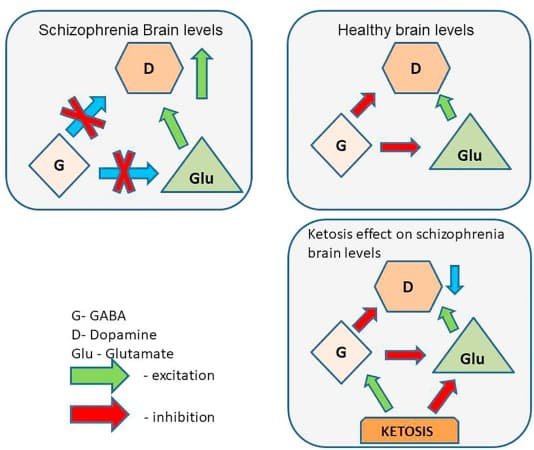
Individuals with schizophrenia often experience mood swings, anxiety, and depression. Some studies indicate that the ketogenic diet can enhance mood stability, likely because of its effects on neurotransmitter levels in the brain. Providing your body with quality fats can support optimal brain function, improving the quality of life.
Enhanced Cognitive Function
Cognition is often impaired in individuals with schizophrenia, making day-to-day life increasingly challenging. The ketones produced during ketosis have been linked to improved cognitive performance, leading to better focus and clarity of thought.
Reduction of Anxiety and Stress
Mental health is deeply affected by stress and anxiety. One of the unexpected benefits of the ketogenic diet is a potential reduction in anxiety levels, likely due to stable blood sugar levels (which are influenced by carbohydrate intake) and the anti-inflammatory properties of certain fats.
Weight Management
For many living with schizophrenia, antipsychotic medications can lead to undesirable weight gain. Many people report that the ketogenic diet helps them lose weight, which can improve self-esteem and overall mental health.
A Closer Look at Research
Let’s examine some studies that have explored the ketogenic diet’s potential applications in psychotic disorders, including schizophrenia. While research is still limited, there are promising trends that deserve consideration.
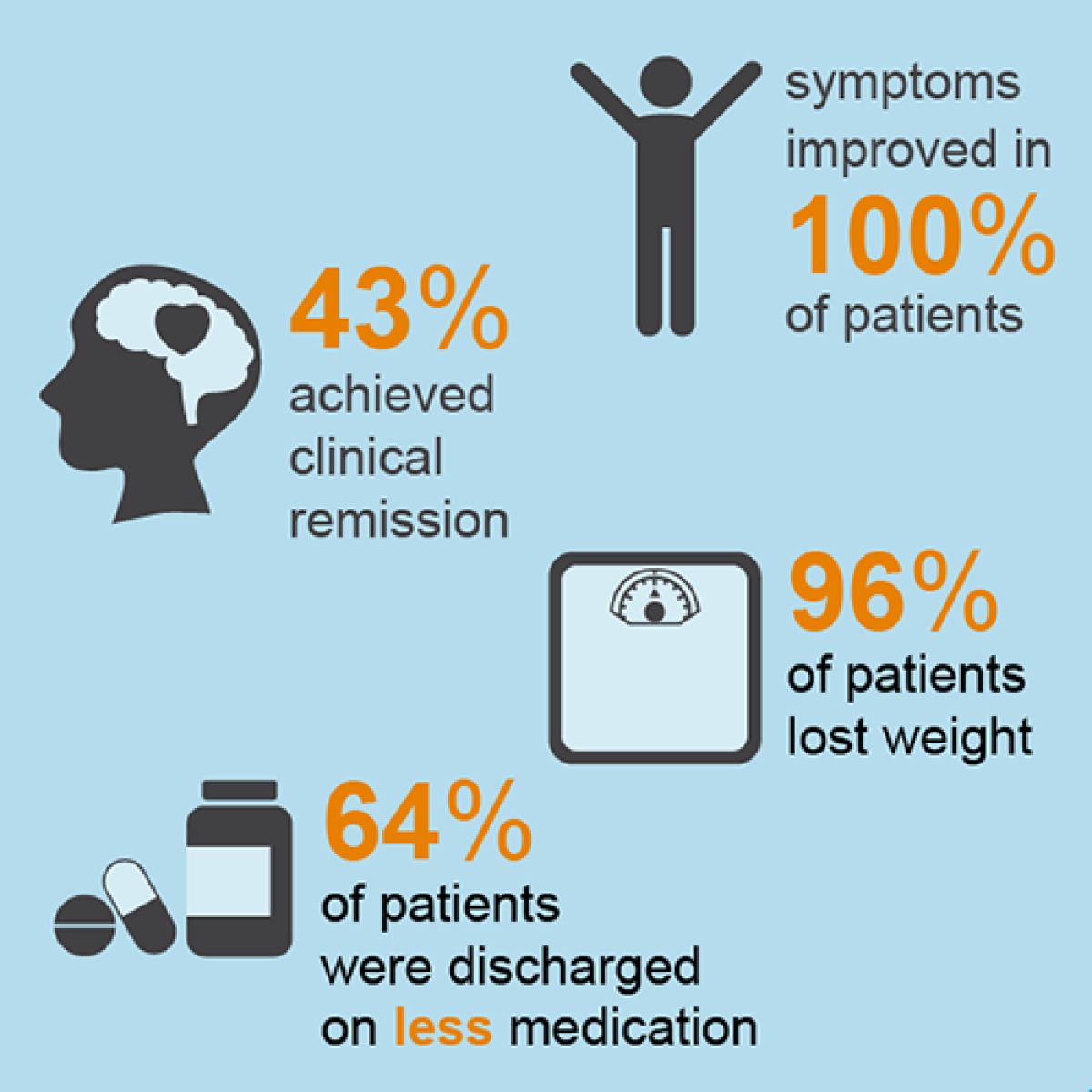
A pivotal study published in “Frontiers in Psychiatry” in 2019 found that patients with chronic schizophrenia exhibited some improvement in their symptoms after following a ketogenic diet for 12 weeks. Participants reported fewer negative symptoms, improved mood, and overall mental clarity.
Additionally, another review pointed out that dietary interventions, particularly those that prioritize healthy fats, could reduce psychiatric symptoms in various populations. Although these findings are preliminary and more research is needed, they certainly open the door to the possibility that diet can be a critical player in managing schizophrenia.
Nutritional Considerations for the Ketogenic Diet
If you’re considering exploring the ketogenic diet as a dietary approach to manage schizophrenia, it’s essential to understand what this diet entails so you can do it healthily and effectively. The following nutritional considerations may be beneficial for you:
Macros Matter
On a ketogenic diet, you’ll typically aim for a macronutrient breakdown of roughly 70-75% fats, 20-25% protein, and only 5-10% carbohydrates. This isn’t a one-size-fits-all approach, so working with a qualified healthcare professional or a registered dietitian can provide you with tailored guidance.
Quality Over Quantity
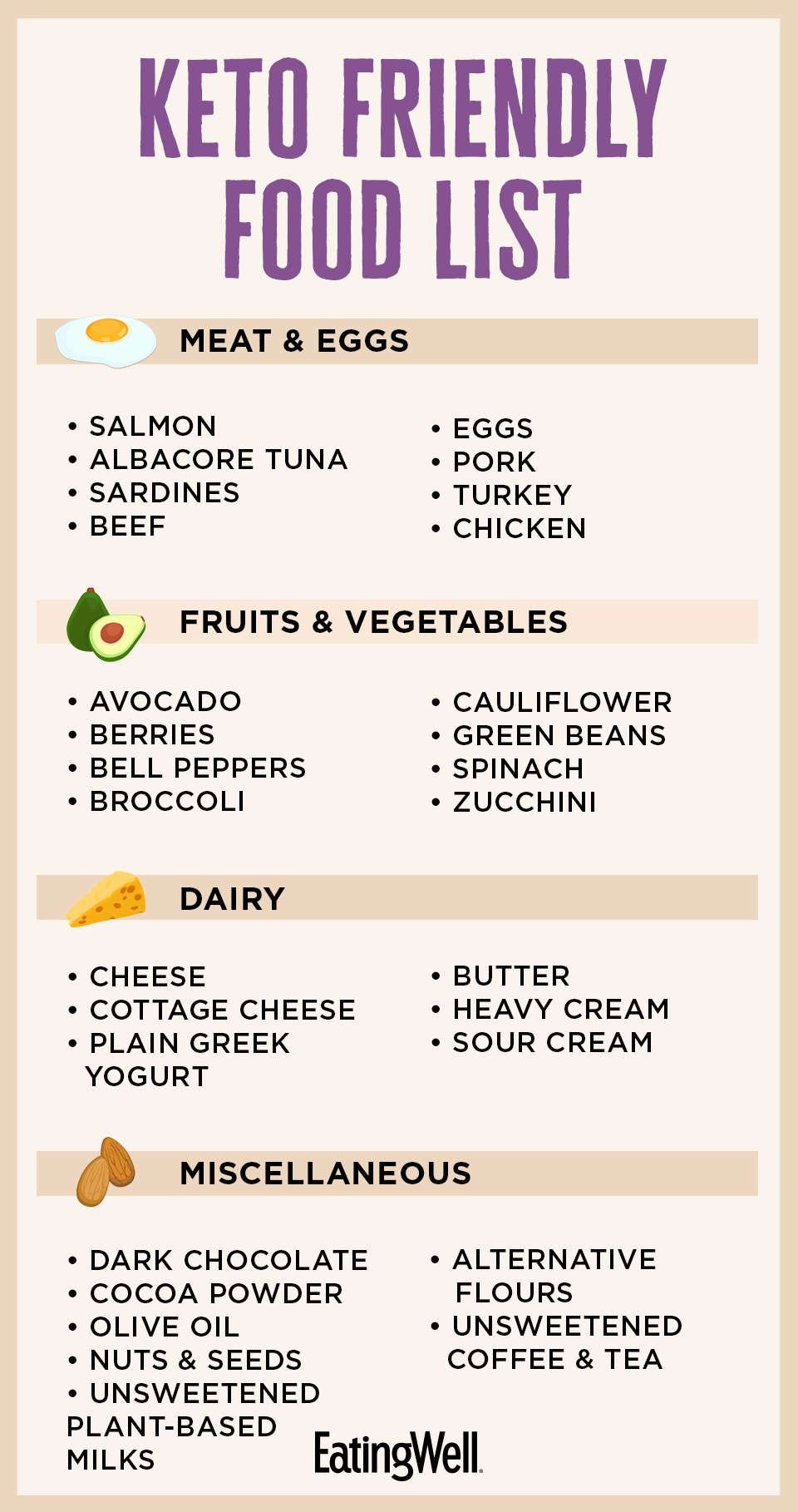
Not all fats are created equal! Prioritize healthy fats such as avocados, olive oil, nuts, and fatty fish. These foods provide essential nutrients and can help support overall health compared to trans fats or heavily processed oils.
Stay Hydrated
Dehydration can affect mood and cognition, which is particularly important for those with schizophrenia. Be mindful of your water intake, and consider electrolyte balance when following a ketogenic diet since you might lose more electrolytes in the early stages.
Monitor Mental Health
Just as you would if starting any new dietary approach, pay attention to how you feel physically and mentally as you transition to a ketogenic diet. Mental health should be monitored closely, especially when dealing with a condition as complex as schizophrenia.
Is It Right for You?
Before you decide to dive into the ketogenic diet, it’s crucial to assess whether it’s the right choice for you. Consult with a healthcare professional, especially a registered dietitian familiar with mental health, to ensure you’re making an informed decision.
Some questions to consider include:
- What are your specific dietary needs and restrictions?
- Are there any medications that could interact negatively with a ketogenic diet?
- How will you monitor your mental health throughout this dietary change?
By keeping these considerations in mind, you can make a more educated choice about your dietary journey.
Challenges and Considerations
Though the ketogenic diet exhibits some potential benefits, it’s not without challenges. Here are some considerations you should weigh when thinking about the ketogenic diet in relation to schizophrenia:
Social Situations
Dietary restrictions can be challenging, especially in social settings. If you enjoy dining out or attending social gatherings, you might find it difficult to adhere to a ketogenic lifestyle. It’s helpful to have strategies in place for these situations, such as researching restaurant menus in advance or bringing your own dishes to share.
Nurturing Relationships
The experience of schizophrenia can often lead to social isolation, making it vital to maintain connections with loved ones. Be open with your friends and family about your dietary choices, and invite them to be part of your journey. They may even support you in your commitment to a healthier lifestyle!
Risks of Nutritional Deficiencies
Some may worry about missing vital nutrients on a ketogenic diet, particularly if the approach is not balanced with whole foods. These deficiencies could potentially exacerbate symptoms of schizophrenia. Again, consulting with a professional can ensure you’re meeting your nutritional needs while following a ketogenic lifestyle.
Individual Variation
Lastly, remember that dietary interventions aren’t universal. What works wonders for one person may not yield the same effect for another. Mental health is deeply personal, and individual factors such as lifestyle, genetic predispositions, and specific symptoms will influence outcomes.
Final Thoughts
The intersection of diet and mental health is an exciting area of research, with the ketogenic diet emerging as a potential ally for those living with schizophrenia. Though the journey may pose challenges, the empowerment of taking control over what you eat can lead to transformative experiences.
Ultimately, it’s essential to have open dialogues with healthcare providers to craft a treatment plan that’s personalized and holistic. Whether the ketogenic diet works for you or not, the goal should always be to find what nourishes your body and mind in the best way possible.
Remember, your health is a journey, not a destination. Please feel free to leave a comment sharing your thoughts or experiences related to the ketogenic diet or mental health. And if you enjoyed this article and would like to receive updates, don’t forget to clap and subscribe to my Medium newsletter for more insightful content!