Ketogenic Paleo Diet
The Ketogenic Paleo Diet has been gaining significant attention in the health and wellness community. You’ve likely heard about both the Ketogenic (keto) and Paleo diets separately, but when combined, they create a unique approach to nutrition that many find appealing. If you’re curious about how these two popular diets mesh and how they might benefit you, then stick around. This article will walk you through all the essentials of the Ketogenic Paleo Diet and how it could potentially improve your well-being.

Understanding the Basics
Before diving deeply into the Ketogenic Paleo Diet, it’s important to understand each of its components. The Ketogenic diet primarily emphasizes high fat, moderate protein, and very low carbohydrate consumption. On the flip side, the Paleo diet focuses on whole, unprocessed foods that could have been available to our ancestors in the Paleolithic era. By combining these two diets, you’re looking at a framework that not only promotes weight loss but can also enhance energy levels and improve overall health.
The intriguing part of the Ketogenic Paleo Diet is that it encourages you to consume foods that are high in healthy fats while still maintaining the principles of the Paleo diet. This means avoiding grains, dairy, and processed foods, and instead choosing ingredients that are nutrient-dense. If you’re someone who’s been feeling sluggish or battling with weight, you might find this eating pattern particularly appealing.
The Philosophy Behind the Diet
The underlying philosophy of the Ketogenic Paleo Diet revolves around eating foods that are biologically congruent with what our bodies are designed to process. This means focusing your meals on foods such as meats, fish, eggs, vegetables, nuts, and healthy fats, while steering clear of anything that could cause inflammation or disrupt your metabolism.
By doing so, you are not just aiming for short-term fat loss, but you’re also prioritizing long-term health. The idea is that when you provide your body with the right nutrients, it can function optimally, allowing you to feel good mentally and physically. It’s not just about cutting calories; it’s about nourishing your body with the right foods.

Key Components of the Ketogenic Paleo Diet
Healthy Fats as Fuel
One of the defining characteristics of the Ketogenic approach is the emphasis on fats as the primary source of energy. You’ll be focusing on healthy fats such as avocados, olive oil, coconut oil, and grass-fed butter. These fats not only keep you satiated but also enable your body to enter a state known as ketosis. This is where your body becomes incredibly efficient at burning fat for fuel instead of carbohydrates.
In the context of the Paleo diet, you’ll want to ensure that the fats you are consuming come from natural, unprocessed sources. This helps maintain the integrity of the Paleo framework while leveraging the fat-burning benefits of keto. It’s a win-win situation if you’re looking to reshape your body and your lifestyle.
Protein: Quality Over Quantity
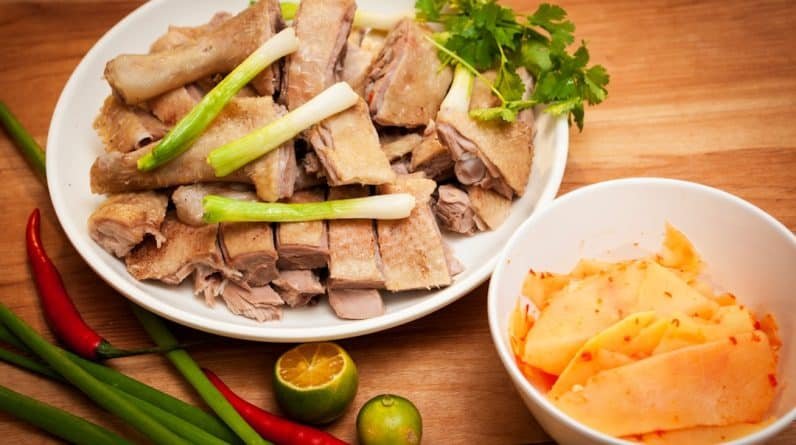
Protein is another essential component of both the Ketogenic and Paleo diets. However, it’s crucial to focus on quality rather than quantity. You want to choose sources of protein that are free-range, grass-fed, and wild-caught whenever possible. This not only ensures that you are getting the highest nutritional value but also aligns with the ethical aspects many supporters of the Paleo diet advocate.
As you navigate your food choices, try to incorporate a variety of protein sources such as chicken, beef, fish, and eggs. Not only will these choices keep your meals interesting, but they will also provide your body with the necessary amino acids to support muscle repair and growth.
Low-Carbohydrate Vegetables
When it comes to carbohydrates, the Ketogenic Paleo Diet advocates for low-carb vegetables primarily above ground—think leafy greens, broccoli, cauliflower, and zucchini. These vegetables are not only low in carbs but packed with fiber, vitamins, and minerals that your body needs.
While on this diet, it’s advisable to steer clear of starchy vegetables like potatoes, corn, and peas, as they can quickly increase your carbohydrate intake and kick you out of ketosis. Incorporating a wide variety of colorful vegetables into your meals not only keeps your diet interesting but also ramps up your nutrient intake.
Benefits of Adopting the Ketogenic Paleo Diet
Weight Loss and Management
One of the most notable advantages of the Ketogenic Paleo Diet is its effectiveness for weight loss. By limiting carbohydrates and replacing them with healthy fats, your body learns to efficiently burn fat for energy. Many people report rapid initial weight loss when starting this diet, which can be a great motivator for long-term commitment.
Moreover, the increase in healthy fats leads to enhanced satiety, which can result in fewer cravings and easier meal control. If you have struggled with maintaining weight or finding a sustainable diet, the Ketogenic Paleo approach could be your answer.
Improved Energy Levels
Many individuals who adopt the Ketogenic Paleo Diet report feeling more energetic throughout the day. When your body learns to run on fat rather than carbohydrates, it can offer a more stable energy source. Unlike typical carbohydrate-heavy diets that can lead to energy crashes, the sustained energy from fat means you might find yourself less fatigued and more able to tackle your daily tasks.
Enhanced Mental Clarity
Another appealing benefit reported by many followers of the Ketogenic Paleo Diet is enhanced mental clarity. By avoiding the sugar spikes that accompany high-carb diets, your brain can benefit from a more consistent flow of energy. As a result, users often experience sharper focus, better memory retention, and improved cognitive function. So if you’ve been feeling foggy or distracted, this diet might provide the clarity you’re looking for.
Reduced Inflammation
Many proponents of the Paleo diet emphasize its anti-inflammatory properties, and when combined with the Ketogenic approach, these benefits can be amplified. Eating whole, unprocessed foods while eliminating grains and sugars can lead to a noticeable reduction in inflammation, which has been linked to chronic diseases.
If you’ve experienced inflammatory issues such as joint pain or skin problems, adopting the Ketogenic Paleo Diet could be worthy of your consideration. As your body adjusts to these dietary changes, you may find that your inflammation subsides, leading to an overall improvement in health and well-being.
Challenges of the Ketogenic Paleo Diet
Even though the Ketogenic Paleo Diet comes with a myriad of potential benefits, it’s crucial to acknowledge the challenges you might face along the way.
Initial Adjustment Period
Transitioning into a Ketogenic lifestyle can come with an adjustment period often referred to as “keto flu.” Symptoms like fatigue, headaches, irritability, and digestive discomfort may occur as your body adapts to burning fat for fuel instead of carbohydrates. This phase can last a few days to a couple of weeks, and being prepared for it mentally can help you navigate this time more comfortably.
Social Situations and Dining Out
Another challenge can arise in social situations or when dining out. While more restaurants are becoming accommodating to various dietary needs, finding keto-friendly and Paleo-compliant options can still be tricky. Additionally, attending social gatherings involving food might put you in situations where you’re tempted to deviate from your diet.
Planning ahead is key. You might choose to eat beforehand or bring your own dishes to share at gatherings to minimize the chances of straying from your goals.
Strict Food Limitations
Both the Ketogenic and Paleo diets come with strict food limitations that can feel overwhelming at times. The focus on quality fats, proteins, and specific vegetables may eliminate foods you once enjoyed without scrutiny. This strictness can lead to feelings of deprivation for some individuals.
It’s important to find a balance by discovering alternatives or new recipes that satisfy your cravings without bringing you back to unhealthy habits. Cooking at home can offer you the freedom to experiment with flavors and textures, so don’t hesitate to get creative in the kitchen.
Tips for Successful Implementation
Meal Planning
Meal planning is one of the best ways to ensure your success on the Ketogenic Paleo Diet. Before the week begins, take some time to map out your meals and snacks. Focus on balancing your intake of healthy fats, quality proteins, and low-carb vegetables. This will not only simplify your grocery shopping but also save you time during the week.
Consider batch cooking or preparing snacks in advance to have them on hand when hunger strikes. Integrating meal prep into your routine can help you adhere to your dietary goals without the stress of last-minute cooking.
Stay Hydrated
Hydration is key to overall health and becomes even more critical on a low-carb diet. As your body adjusts, you may lose more water weight, leading to dehydration. Make it a habit to drink plenty of water throughout the day. Herbal teas and black coffee can also contribute to your fluid intake while serving as cozy beverages to enjoy during your dietary transition.
Listen to Your Body
As you embark on this journey, remember that everyone’s body responds differently to dietary changes. It’s essential to listen to your body and find what works best for you. If you find yourself feeling excessively fatigued or unwell, don’t hesitate to reevaluate your food choices and adjust accordingly.
Keeping a food diary can help you track your energy levels, mood, and overall well-being, allowing you to make informed adjustments to your diet.
Conclusion: Is the Ketogenic Paleo Diet Right for You?
Before making any significant changes to your diet, it’s always wise to consult with a healthcare professional or registered dietitian, particularly if you have existing health issues. The Ketogenic Paleo Diet can be an effective way to shed pounds, improve energy levels, and enhance mental clarity, but it’s vital to ensure it’s a good fit for your lifestyle and health needs.
Take your time experimenting with recipes, discovering new flavors, and enjoying the process of nourishing your body. Approach the Ketogenic Paleo Diet with an open mind and a spirit of adventure, and you might just find it to be the positive change you’ve been longing for.
If you found this article helpful, I invite you to clap for it, leave a comment sharing your thoughts, and subscribe to my Medium newsletter for regular updates. Let’s continue this health journey together!