The ketogenic diet, commonly known as the keto diet, has gained immense popularity in recent years as a weight-loss strategy and a means to improve overall health. This low-carbohydrate, high-fat diet encourages your body to enter a state of ketosis, where it burns fat for fuel instead of carbohydrates. By drastically reducing your carbohydrate intake and replacing it with healthy fats, you can potentially experience rapid weight loss, increased energy levels, and improved mental clarity.
However, while the keto diet can be effective for many, it often raises questions about the role of fruits and vegetables in your daily meals. As you embark on your keto journey, it’s essential to understand the implications of drastically cutting carbs, particularly when it comes to fruits and vegetables. These food groups are typically rich in vitamins, minerals, and fiber, all of which are crucial for maintaining optimal health.
The challenge lies in finding a balance that allows you to enjoy the benefits of the keto diet while still incorporating these nutrient-dense foods into your meals. This article will explore the importance of fruits and vegetables in a balanced diet, the challenges you may face on keto, and strategies for successfully including them in your meal plan.
Key Takeaways
- The keto diet is a high-fat, low-carb diet that aims to put the body in a state of ketosis for weight loss and other health benefits.
- Fruits and vegetables are essential for a balanced diet as they provide essential vitamins, minerals, and fiber.
- Incorporating fruits and vegetables on the keto diet can be challenging due to their higher carb content.
- Lack of fruits and vegetables on the keto diet can lead to nutrient deficiencies, particularly in vitamins C, K, and folate.
- Not consuming enough fruits and vegetables on the keto diet may increase the risk of chronic diseases and other health issues.
Importance of Fruits and Vegetables in a Balanced Diet
Fruits and vegetables are often hailed as the cornerstones of a healthy diet. They provide essential nutrients that support various bodily functions, including immune health, digestion, and skin health. When you consume a variety of fruits and vegetables, you are not only fueling your body with vitamins and minerals but also introducing antioxidants that help combat oxidative stress.
These compounds play a vital role in reducing inflammation and lowering the risk of chronic diseases such as heart disease and diabetes. In addition to their nutritional benefits, fruits and vegetables are also an excellent source of dietary fiber. Fiber is crucial for maintaining digestive health, as it aids in regular bowel movements and helps prevent constipation.
Furthermore, fiber can help you feel fuller for longer periods, which can be particularly beneficial when trying to manage your weight. By incorporating a diverse range of fruits and vegetables into your diet, you can ensure that you are meeting your nutritional needs while also enjoying a variety of flavors and textures.
Challenges of Incorporating Fruits and Vegetables on the Keto Diet
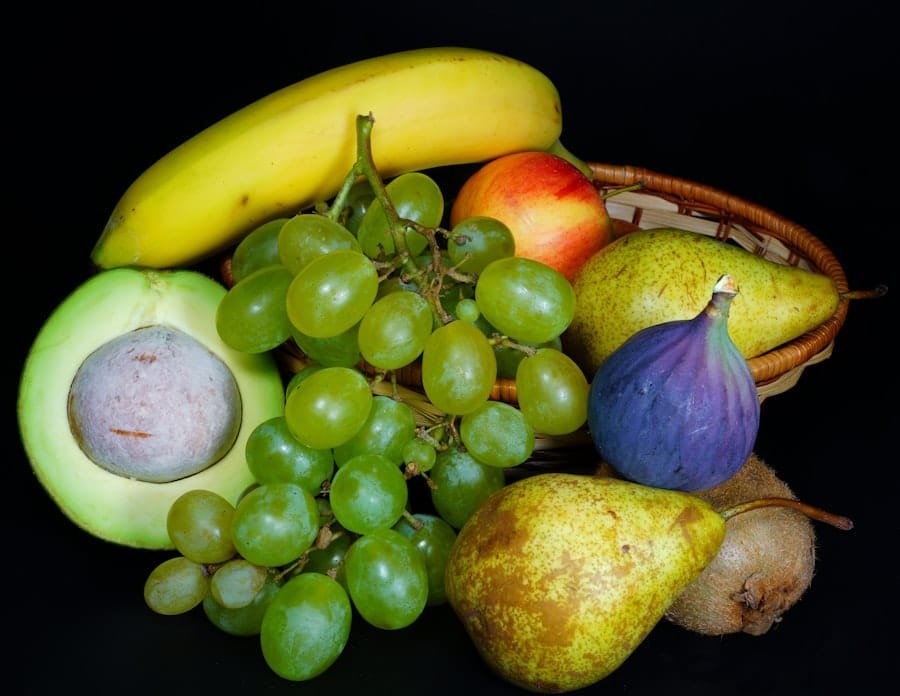
While the benefits of fruits and vegetables are clear, incorporating them into a keto diet can be challenging due to their carbohydrate content. Many fruits are high in sugars, which can quickly add up and potentially kick you out of ketosis. This can create a dilemma for those who want to enjoy the health benefits of these foods while adhering to the strict carb limits of the keto lifestyle.
As you navigate this dietary landscape, you may find yourself questioning which fruits and vegetables are suitable for your meal plan. Another challenge is the misconception that all fruits and vegetables are off-limits on keto. This can lead to feelings of deprivation or frustration as you try to stick to your dietary goals.
It’s essential to recognize that not all produce is created equal when it comes to carbohydrate content. By educating yourself about low-carb options and understanding portion sizes, you can find ways to enjoy fruits and vegetables without compromising your keto objectives.
Nutrient Deficiencies from Lack of Fruits and Vegetables on Keto
One significant concern for those following a strict keto diet is the potential for nutrient deficiencies resulting from a lack of fruits and vegetables. When you eliminate these food groups from your diet, you may miss out on essential vitamins such as vitamin C, potassium, and folate. These nutrients play critical roles in various bodily functions, including immune support, muscle function, and DNA synthesis.
Over time, deficiencies can lead to health issues that may counteract the benefits you seek from the keto diet. Moreover, the absence of fiber-rich foods can lead to digestive problems such as constipation or irregular bowel movements. A lack of fiber can also impact your gut health by altering the balance of beneficial bacteria in your digestive system.
This imbalance may contribute to inflammation and other health concerns over time. Therefore, it’s crucial to find ways to incorporate low-carb fruits and vegetables into your meals to ensure you’re meeting your nutritional needs while still adhering to your keto goals.
Potential Health Risks of Not Consuming Enough Fruits and Vegetables on Keto
Neglecting fruits and vegetables on a keto diet can pose several health risks beyond nutrient deficiencies. For instance, a lack of antioxidants from these food groups may increase your susceptibility to oxidative stress, which is linked to various chronic diseases. Without adequate intake of these protective compounds, you may find yourself at a higher risk for conditions such as heart disease or certain cancers.
Additionally, insufficient fiber intake can lead to gastrointestinal issues that may affect your overall well-being. Chronic constipation or digestive discomfort can detract from the positive effects you hope to achieve through the keto diet. Furthermore, poor gut health has been associated with mood disorders and cognitive decline.
Therefore, it’s essential to prioritize the inclusion of low-carb fruits and vegetables in your meals to mitigate these potential health risks.
Strategies for Including Fruits and Vegetables on the Keto Diet
Incorporating fruits and vegetables into your keto diet doesn’t have to be daunting. One effective strategy is to focus on low-carb options that align with your dietary goals. Leafy greens such as spinach, kale, and arugula are excellent choices that provide essential nutrients without significantly impacting your carb intake.
Additionally, cruciferous vegetables like broccoli and cauliflower are versatile options that can be used in various dishes. Another approach is to experiment with portion control. While some fruits may be higher in carbs than others, small servings can still fit into your daily allowance without derailing your progress.
For example, berries such as strawberries or raspberries are lower in sugar compared to other fruits and can be enjoyed in moderation. By being mindful of portion sizes and selecting lower-carb varieties, you can enjoy the benefits of fruits and vegetables while staying within your keto limits.
Low-Carb Fruits and Vegetables for Keto
When it comes to selecting low-carb fruits and vegetables for your keto diet, knowledge is key. Berries are often considered one of the best fruit options due to their lower sugar content; strawberries, blackberries, and raspberries are all excellent choices that provide antioxidants without excessive carbs. Avocados are another fantastic option; they are high in healthy fats while being low in carbohydrates, making them a perfect fit for keto.
In terms of vegetables, non-starchy options should be your go-to. Leafy greens like spinach and kale are nutrient-dense while being extremely low in carbs. Other great choices include zucchini, bell peppers, asparagus, and mushrooms.
These vegetables not only add flavor and texture to your meals but also contribute essential vitamins and minerals that support overall health.
Creative Ways to Add Fruits and Vegetables to Keto Meals
Finding creative ways to incorporate fruits and vegetables into your keto meals can make the process enjoyable rather than restrictive. One idea is to create smoothies using low-carb ingredients like spinach or avocado blended with unsweetened almond milk or coconut milk. You can also add a handful of berries for natural sweetness without exceeding your carb limits.
Another approach is to use vegetables as substitutes for higher-carb ingredients. For instance, spiralized zucchini or cauliflower rice can replace traditional pasta or rice in many dishes. You can also experiment with salads by adding various toppings such as nuts or seeds along with low-carb veggies for added crunch and flavor.
By thinking outside the box, you can create satisfying meals that align with both your keto goals and your desire for variety.
Precautions to Take When Adding Fruits and Vegetables to the Keto Diet
While incorporating fruits and vegetables into your keto diet is beneficial, it’s essential to do so mindfully. Start by tracking your carbohydrate intake closely when introducing new foods into your meal plan. This will help you gauge how different fruits and vegetables affect your ketosis state.
It’s also wise to pay attention to portion sizes; even low-carb options can add up if consumed in large quantities. Additionally, consider how certain fruits or vegetables may interact with any existing health conditions or medications you may be taking. If you have specific dietary restrictions or concerns about blood sugar levels, consulting with a healthcare professional or registered dietitian can provide personalized guidance tailored to your needs.
Balancing Macronutrients While Incorporating Fruits and Vegetables on Keto
Balancing macronutrients is crucial when following a keto diet while incorporating fruits and vegetables. The typical macronutrient ratio for keto consists of approximately 70-75% fats, 20-25% protein, and only 5-10% carbohydrates. As you add low-carb produce into your meals, it’s important to adjust other components accordingly to maintain this balance.
One effective strategy is meal prepping with an emphasis on healthy fats from sources like olive oil or avocado while ensuring adequate protein intake from meats or plant-based options. By planning meals ahead of time that include low-carb fruits and vegetables alongside healthy fats and proteins, you can create satisfying dishes that keep you within your desired macronutrient ratios.
Finding a Sustainable Approach to Including Fruits and Vegetables on the Keto Diet
In conclusion, while the ketogenic diet offers numerous benefits for weight loss and overall health improvement, it’s vital not to overlook the importance of incorporating fruits and vegetables into your meal plan. By understanding the challenges associated with this dietary approach and recognizing the potential nutrient deficiencies that may arise from excluding these food groups entirely, you can take proactive steps toward achieving a balanced diet. Finding a sustainable approach involves educating yourself about low-carb options, experimenting with creative recipes, and being mindful of portion sizes while tracking macronutrients effectively.
By doing so, you can enjoy the best of both worlds—reaping the rewards of ketosis while nourishing your body with essential vitamins, minerals, and fiber from fruits and vegetables. Ultimately, this balanced approach will not only support your weight loss goals but also enhance your overall well-being in the long run.
FAQs
What is the keto diet?
The keto diet is a high-fat, low-carbohydrate diet that has been shown to help with weight loss and improve certain health conditions such as epilepsy and diabetes.
Why is it important to include fruits and vegetables in the diet?
Fruits and vegetables are important sources of essential vitamins, minerals, and fiber that are necessary for overall health and well-being. They also contain antioxidants and phytonutrients that help protect the body from diseases.
Why are fruits and vegetables limited on the keto diet?
The keto diet restricts carbohydrate intake in order to induce a state of ketosis, where the body burns fat for fuel instead of carbohydrates. Since fruits and some vegetables are higher in carbohydrates, they are limited on the keto diet.
What are some low-carb fruits and vegetables that can be included in the keto diet?
Some low-carb fruits and vegetables that can be included in the keto diet are berries, avocados, leafy greens, broccoli, cauliflower, and zucchini.
What are the potential risks of not consuming enough fruits and vegetables on the keto diet?
Not consuming enough fruits and vegetables on the keto diet can lead to deficiencies in essential vitamins, minerals, and fiber, which can increase the risk of certain health conditions such as constipation, nutrient deficiencies, and chronic diseases.