
The Mediterranean Keto Diet is a unique fusion of two popular dietary approaches: the Mediterranean diet and the ketogenic (keto) diet. This innovative eating plan emphasizes the consumption of healthy fats, moderate protein, and low carbohydrates while incorporating the rich flavors and diverse ingredients characteristic of Mediterranean cuisine. By blending these two diets, you can enjoy the health benefits associated with both, such as improved heart health, weight loss, and enhanced mental clarity.
In essence, the Mediterranean Keto Diet encourages you to savor wholesome foods that are not only delicious but also nutrient-dense. You’ll find yourself indulging in fresh vegetables, lean proteins, and healthy fats, all while keeping your carbohydrate intake low. This approach allows you to experience the culinary delights of the Mediterranean region while adhering to the principles of a ketogenic lifestyle, making it a sustainable and enjoyable way to eat.
Key Takeaways
- The Mediterranean Keto Diet combines the principles of the Mediterranean diet with the ketogenic diet, focusing on whole foods and healthy fats.
- The Keto diet involves reducing carbohydrate intake and increasing fat consumption to induce a state of ketosis, where the body burns fat for fuel.
- The Mediterranean Keto Diet offers benefits such as improved heart health, weight loss, and better blood sugar control.
- The Mediterranean diet emphasizes the consumption of fruits, vegetables, whole grains, and healthy fats, making it a natural fit for the Keto diet.
- Mediterranean Keto food lists include a variety of colorful vegetables, lean proteins, seafood, healthy fats, nuts, seeds, dairy, and flavorful herbs and spices.
Understanding the Basics of the Keto Diet
At its core, the ketogenic diet is designed to shift your body’s primary energy source from carbohydrates to fats. When you drastically reduce your carbohydrate intake, your body enters a metabolic state known as ketosis. In this state, your liver converts fats into ketones, which serve as an alternative fuel source for your brain and body.
This shift can lead to various benefits, including weight loss, increased energy levels, and improved mental clarity. To successfully follow a keto diet, you typically aim for a macronutrient ratio of approximately 70-75% fats, 20-25% protein, and only 5-10% carbohydrates. This means that you’ll need to be mindful of your food choices and focus on high-fat, low-carb options.
While this may seem restrictive at first, many find that the variety of foods available within the keto framework allows for creativity in meal planning and preparation.
The Benefits of a Mediterranean Keto Diet

Adopting a Mediterranean Keto Diet can offer numerous health benefits that extend beyond weight loss. One of the most significant advantages is its potential to improve heart health. The Mediterranean diet is renowned for its emphasis on heart-healthy fats, such as olive oil and fatty fish, which can help lower cholesterol levels and reduce the risk of cardiovascular disease.
By combining these elements with the fat-burning benefits of keto, you can create a powerful dietary approach that supports overall well-being. Additionally, this diet can enhance cognitive function. The healthy fats found in both Mediterranean and keto foods are essential for brain health.
Omega-3 fatty acids from fish and monounsaturated fats from olive oil can improve memory and cognitive performance. As you embrace this way of eating, you may notice increased focus and mental clarity, making it easier to tackle daily tasks and challenges.
The Importance of the Mediterranean Diet in Keto
The Mediterranean diet plays a crucial role in the Mediterranean Keto Diet by providing a framework for selecting nutrient-dense foods that align with keto principles. This diet is rich in fruits, vegetables, whole grains, legumes, nuts, and healthy fats, all of which contribute to a balanced and varied eating plan. By incorporating these elements into your keto lifestyle, you can ensure that you’re not only meeting your macronutrient goals but also obtaining essential vitamins and minerals.
Moreover, the Mediterranean diet emphasizes the importance of enjoying meals with family and friends, fostering a sense of community around food. This social aspect can make it easier for you to stick to your dietary goals while enjoying the process of cooking and sharing meals with loved ones. By embracing this cultural approach to eating, you can create a more sustainable and enjoyable way to maintain your health.
Mediterranean Keto Food List: Vegetables and Fruits
When following a Mediterranean Keto Diet, it’s essential to choose low-carb vegetables and fruits that align with both dietary principles. Leafy greens such as spinach, kale, and arugula are excellent choices due to their low carbohydrate content and high nutrient density. These vegetables can be used in salads or sautéed as side dishes to complement your meals.
Other great options include cruciferous vegetables like broccoli and cauliflower, which are versatile and can be used in various dishes. Zucchini is another fantastic choice; it can be spiralized into noodles or roasted for added flavor. When it comes to fruits, focus on berries such as strawberries, raspberries, and blackberries.
These fruits are lower in sugar compared to others and can be enjoyed in moderation as part of your diet.
Mediterranean Keto Food List: Proteins and Seafood
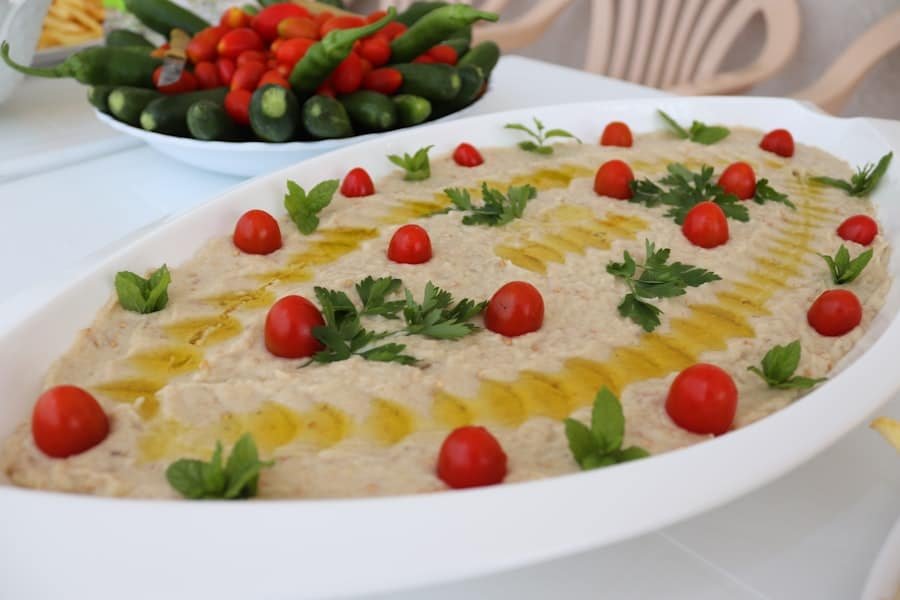
Protein is a vital component of any diet, including the Mediterranean Keto Diet. You’ll want to prioritize high-quality sources of protein that align with both dietary approaches. Lean meats such as chicken and turkey are excellent options for maintaining muscle mass while keeping your fat intake in check.
Additionally, consider incorporating grass-fed beef or lamb for their rich flavor and nutritional benefits. Seafood is another cornerstone of the Mediterranean diet and fits perfectly into a keto lifestyle. Fatty fish like salmon, mackerel, and sardines are not only delicious but also packed with omega-3 fatty acids that promote heart health.
Shellfish such as shrimp and scallops can also be included in your meal plan for variety. These protein sources will help you feel satisfied while keeping your carbohydrate intake low.
Mediterranean Keto Food List: Healthy Fats and Oils
Healthy fats are at the heart of both the Mediterranean diet and the ketogenic lifestyle. Olive oil is perhaps the most iconic fat associated with Mediterranean cuisine; it’s rich in monounsaturated fats and antioxidants that support overall health. Use it as a dressing for salads or drizzle it over roasted vegetables for added flavor.
In addition to olive oil, consider incorporating other healthy fats into your meals. Avocados are an excellent source of monounsaturated fats and can be enjoyed in salads or as guacamole. Coconut oil is another versatile option that can be used for cooking or baking while providing a unique flavor profile.
By focusing on these healthy fats, you’ll not only enhance the taste of your meals but also support your body’s transition into ketosis.
Mediterranean Keto Food List: Nuts and Seeds
Nuts and seeds are fantastic additions to your Mediterranean Keto Diet due to their healthy fat content and satisfying crunch. Almonds are particularly popular; they’re low in carbs and high in fiber, making them an excellent snack option. You can enjoy them raw or roasted for added flavor.
Other nuts like walnuts, pecans, and macadamia nuts also fit well within this dietary framework. They provide essential nutrients while keeping your carbohydrate intake low. Seeds such as chia seeds and flaxseeds are also beneficial; they’re rich in omega-3 fatty acids and can be added to smoothies or yogurt for an extra nutritional boost.
Incorporating these foods into your diet will help you stay satiated while enjoying a variety of textures and flavors.
Mediterranean Keto Food List: Dairy and Dairy Alternatives
Dairy products can be included in your Mediterranean Keto Diet if you choose wisely. Full-fat dairy options like cheese and Greek yogurt are excellent sources of protein and healthy fats while being low in carbohydrates. Feta cheese is a popular choice in Mediterranean cuisine; its tangy flavor can elevate salads or be used in various dishes.
If you prefer dairy alternatives, there are plenty of options available that align with keto principles. Unsweetened almond milk or coconut milk can be used in smoothies or coffee without adding unnecessary carbs. Additionally, look for plant-based yogurts made from coconut or almond milk that contain minimal sugar content.
These alternatives allow you to enjoy creamy textures while adhering to your dietary goals.
Mediterranean Keto Food List: Herbs and Spices
Herbs and spices play a vital role in enhancing the flavors of your meals while providing additional health benefits. Fresh herbs like basil, parsley, oregano, and rosemary are staples in Mediterranean cooking; they add depth to dishes without adding calories or carbohydrates. You can use them to season meats, vegetables, or sauces for an extra burst of flavor.
Spices such as cumin, paprika, and turmeric also contribute unique tastes while offering anti-inflammatory properties. Incorporating these herbs and spices into your cooking not only elevates the taste but also supports overall health by providing antioxidants and other beneficial compounds.
Incorporating Mediterranean Keto Foods into Your Meal Plan
To successfully incorporate Mediterranean Keto foods into your meal plan, start by planning your meals around the key food groups discussed earlier. Begin each week by selecting recipes that highlight low-carb vegetables, healthy fats, lean proteins, nuts, seeds, dairy options, herbs, and spices. This will help you create a balanced menu that aligns with both dietary approaches.
Consider batch cooking or meal prepping to make it easier to stick to your plan throughout the week. Preparing large quantities of dishes like zucchini noodles with pesto or grilled salmon with roasted vegetables will save you time during busy days while ensuring you have delicious meals ready to go. By embracing this culinary journey through the Mediterranean Keto Diet, you’ll not only nourish your body but also enjoy the process of discovering new flavors and recipes along the way.
FAQs
What is the Mediterranean Keto diet?
The Mediterranean Keto diet combines the principles of the Mediterranean diet and the ketogenic diet. It focuses on consuming healthy fats, lean proteins, and a variety of colorful fruits and vegetables while minimizing carbohydrates and processed foods.
What foods are included in a Mediterranean Keto food list?
A Mediterranean Keto food list includes foods such as olive oil, avocados, nuts and seeds, fatty fish, lean meats, leafy greens, tomatoes, bell peppers, and other non-starchy vegetables. It also includes moderate amounts of dairy products and some low-carb fruits like berries.
What foods are excluded from a Mediterranean Keto food list?
Foods that are high in carbohydrates and processed sugars are typically excluded from a Mediterranean Keto food list. This includes items such as bread, pasta, rice, sugary snacks, and most processed foods. Additionally, high-carb fruits and starchy vegetables are limited on this diet.
What are the potential health benefits of following a Mediterranean Keto diet?
Following a Mediterranean Keto diet may lead to improved heart health, better blood sugar control, weight loss, and increased energy levels. The diet is also rich in antioxidants, healthy fats, and essential nutrients, which can support overall health and well-being.
Is it necessary to follow a strict Mediterranean Keto food list to see results?
While following a Mediterranean Keto food list can help individuals stay on track with their dietary goals, it’s not always necessary to be extremely strict. Some flexibility can be allowed, as long as the overall principles of the diet are followed, such as prioritizing healthy fats, lean proteins, and low-carb, nutrient-dense foods.