As you embark on your journey toward healthier eating, you may find yourself intrigued by the Mediterranean Keto Diet. This unique dietary approach combines the principles of the traditional Mediterranean diet, known for its emphasis on fresh, whole foods, with the low-carb, high-fat framework of the ketogenic diet. The result is a culinary experience that not only tantalizes your taste buds but also supports your health and wellness goals.
By embracing this diet, you can enjoy a variety of delicious foods while potentially reaping numerous health benefits. The Mediterranean Keto Diet encourages you to savor the flavors of the Mediterranean region, incorporating an abundance of vegetables, healthy fats, and lean proteins. It allows you to indulge in rich flavors while maintaining a low carbohydrate intake, which can help your body enter a state of ketosis.
In this state, your body becomes adept at burning fat for fuel instead of relying on carbohydrates. This article will guide you through the essentials of the Mediterranean Keto Diet, from its benefits to practical tips for grocery shopping and meal preparation.
Key Takeaways
- The Mediterranean Keto Diet combines the principles of the Mediterranean diet with the low-carb, high-fat approach of the ketogenic diet.
- Benefits of the Mediterranean Keto Diet include improved heart health, weight loss, and better blood sugar control.
- Understanding the Basics of the Mediterranean Keto Diet involves focusing on whole foods, healthy fats, and low-carb vegetables.
- Building a Mediterranean Keto Grocery List should include fresh produce, lean proteins, healthy fats, and dairy or dairy alternatives.
- Fresh produce for the Mediterranean Keto Diet includes leafy greens, tomatoes, cucumbers, and bell peppers for a variety of nutrients and fiber.
Benefits of the Mediterranean Keto Diet
One of the most compelling reasons to consider the Mediterranean Keto Diet is its potential for weight loss. By significantly reducing your carbohydrate intake and increasing healthy fats, you may find that your body becomes more efficient at burning stored fat. This can lead to a reduction in body weight and improved body composition.
Additionally, the Mediterranean aspect of this diet emphasizes whole foods rich in nutrients, which can help you feel satisfied and energized throughout the day. Beyond weight loss, the Mediterranean Keto Diet may also offer cardiovascular benefits. The diet is rich in heart-healthy fats, such as olive oil and fatty fish, which can help lower bad cholesterol levels and reduce inflammation.
Studies have shown that adhering to a Mediterranean-style diet can lead to improved heart health and a lower risk of chronic diseases. By combining these principles with a ketogenic approach, you may enhance these benefits even further, promoting overall well-being.
Understanding the Basics of the Mediterranean Keto Diet
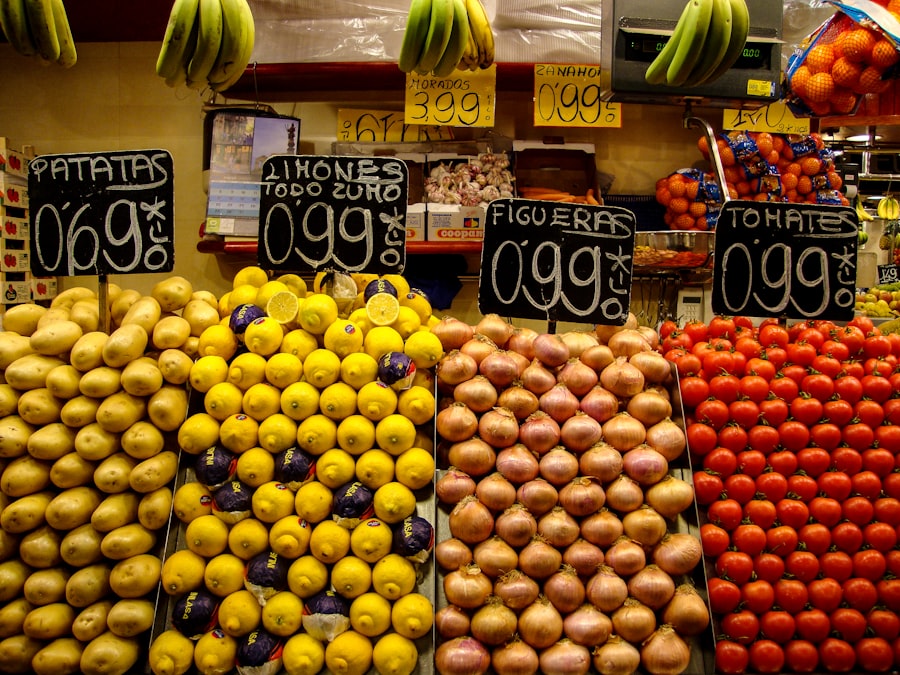
To fully embrace the Mediterranean Keto Diet, it’s essential to understand its foundational principles. At its core, this diet focuses on high-quality fats, moderate protein intake, and minimal carbohydrates. You’ll want to prioritize foods that are rich in nutrients while keeping your carb count low.
This means incorporating plenty of non-starchy vegetables, healthy fats like olive oil and avocados, and lean proteins such as fish and poultry. As you navigate this dietary landscape, it’s important to remember that not all fats are created equal. The Mediterranean Keto Diet encourages you to choose monounsaturated and polyunsaturated fats over saturated fats.
This means opting for sources like nuts, seeds, and fatty fish rather than processed meats or trans fats. By making these conscious choices, you can create a balanced and satisfying meal plan that aligns with your health goals.
Building a Mediterranean Keto Grocery List
Creating a grocery list tailored to the Mediterranean Keto Diet is an essential step in your journey. Start by focusing on fresh produce, as vegetables will form the backbone of your meals. Leafy greens like spinach and kale are excellent choices, along with cruciferous vegetables such as broccoli and cauliflower.
These options are low in carbohydrates while being high in fiber and essential vitamins. Next, consider your protein sources. Look for lean meats like chicken and turkey, as well as fatty fish such as salmon and sardines.
Eggs are also a versatile option that can be incorporated into various dishes. When it comes to dairy, opt for full-fat options like Greek yogurt or cheese in moderation. Finally, don’t forget to include healthy fats like olive oil, avocados, and nuts in your list to ensure you’re meeting your dietary needs.
Fresh Produce for the Mediterranean Keto Diet
When it comes to fresh produce on the Mediterranean Keto Diet, variety is key. You’ll want to fill your plate with colorful vegetables that not only provide essential nutrients but also add vibrancy to your meals. Leafy greens are a staple; consider incorporating spinach, arugula, and Swiss chard into salads or sautéed dishes.
These greens are low in carbs and high in fiber, making them perfect for your dietary needs. In addition to leafy greens, cruciferous vegetables like broccoli, cauliflower, and Brussels sprouts are excellent choices. These vegetables are not only low in carbohydrates but also packed with antioxidants that support overall health.
You can roast them with olive oil or steam them for a nutritious side dish. Don’t forget about bell peppers, zucchini, and eggplant; these versatile vegetables can be grilled or used in stir-fries to add flavor and texture to your meals.
Lean Proteins for the Mediterranean Keto Diet
Lean proteins play a crucial role in the Mediterranean Keto Diet, providing essential amino acids while keeping your carbohydrate intake low. Fish is a standout choice; fatty fish like salmon and mackerel are rich in omega-3 fatty acids that promote heart health. Aim to include fish in your meals at least twice a week for optimal benefits.
Poultry is another excellent source of lean protein that fits seamlessly into this diet. Chicken breast and turkey are versatile options that can be grilled, baked, or sautéed with herbs and spices for added flavor. Eggs are also a fantastic protein source; they can be enjoyed scrambled, poached, or hard-boiled as a quick snack or meal component.
By incorporating these lean proteins into your diet, you’ll not only support muscle maintenance but also keep yourself feeling full and satisfied.
Healthy Fats for the Mediterranean Keto Diet
Healthy fats are at the heart of the Mediterranean Keto Diet, providing energy while promoting satiety. Olive oil is perhaps the most iconic fat associated with this dietary approach; it’s rich in monounsaturated fats and antioxidants that support heart health. Use it as a dressing for salads or drizzle it over roasted vegetables for added flavor.
Avocados are another fantastic source of healthy fats that can enhance your meals. They’re not only creamy and delicious but also packed with fiber and potassium. You can enjoy avocados sliced on salads or blended into smoothies for a nutrient boost.
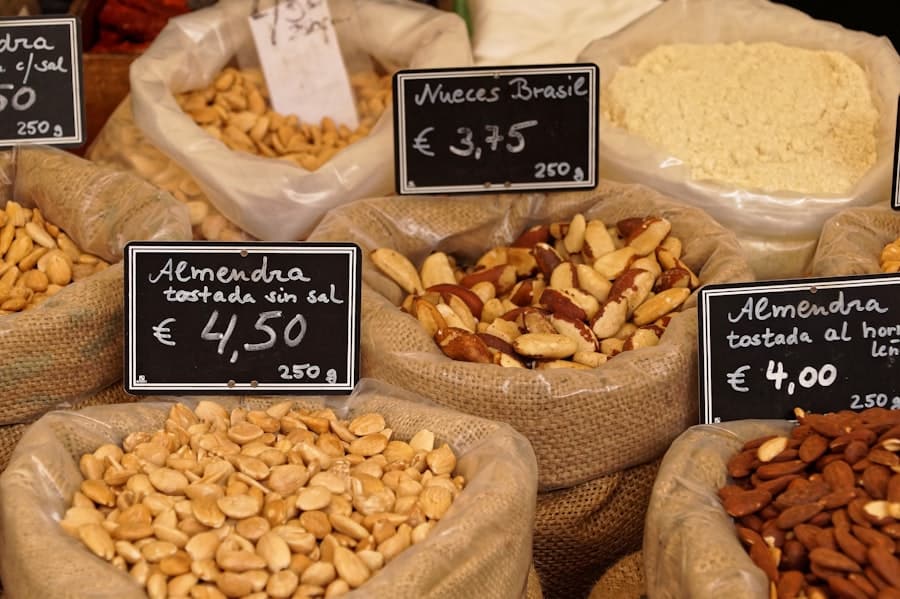
Additionally, nuts and seeds like almonds, walnuts, and chia seeds provide healthy fats along with protein and fiber. Incorporating these foods into your diet will help you meet your fat requirements while enjoying a variety of flavors.
Dairy and Dairy Alternatives for the Mediterranean Keto Diet
Dairy products can be included in moderation on the Mediterranean Keto Diet, provided you choose high-quality options. Full-fat dairy products like Greek yogurt and cheese are excellent sources of protein and healthy fats. Greek yogurt can be enjoyed on its own or used as a base for smoothies or salad dressings.
If you prefer dairy alternatives, there are plenty of options available that fit within the Mediterranean Keto framework. Unsweetened almond milk or coconut milk can be used in smoothies or coffee without adding unnecessary carbohydrates. Additionally, there are various plant-based yogurts made from nuts or coconut that can serve as alternatives while still providing creaminess and flavor.
Nuts and Seeds for the Mediterranean Keto Diet
Nuts and seeds are nutritional powerhouses that fit perfectly into the Mediterranean Keto Diet. They provide healthy fats, protein, and fiber while being low in carbohydrates. Almonds are particularly popular; they can be enjoyed as a snack or added to salads for crunch.
Walnuts are another great option; they’re rich in omega-3 fatty acids and can be sprinkled over dishes for added texture. Chia seeds and flaxseeds are excellent sources of fiber that can help keep you feeling full longer. You can incorporate them into smoothies or use them to make chia pudding as a satisfying dessert or breakfast option.
By including a variety of nuts and seeds in your diet, you’ll not only enhance flavor but also boost your nutrient intake.
Herbs and Spices for the Mediterranean Keto Diet
Herbs and spices are essential components of the Mediterranean Keto Diet that elevate your meals without adding extra calories or carbohydrates. Fresh herbs like basil, parsley, and oregano bring vibrant flavors to dishes while providing additional health benefits. You can use them to season meats or add freshness to salads.
Spices such as cumin, paprika, and turmeric can also enhance the taste of your meals while offering anti-inflammatory properties. Experimenting with different combinations of herbs and spices will not only keep your meals exciting but also allow you to explore the rich culinary traditions of the Mediterranean region.
Mediterranean Keto Snacks and Pantry Staples
Snacking on the Mediterranean Keto Diet doesn’t have to be boring; there are plenty of delicious options available to satisfy your cravings between meals. Consider keeping olives on hand as a savory snack that’s rich in healthy fats. Cheese slices or cubes can also make for a quick protein-packed snack when you’re on the go.
In addition to snacks, having pantry staples readily available will make meal preparation easier. Stock up on canned tomatoes, which can serve as a base for sauces or soups; they’re low in carbs yet high in flavor. Additionally, having a variety of nuts and seeds on hand will allow you to whip up quick snacks or add crunch to salads whenever needed.
By embracing the Mediterranean Keto Diet, you’re not just adopting a new way of eating; you’re embarking on a flavorful journey that celebrates fresh ingredients while supporting your health goals. With careful planning and an adventurous spirit in the kitchen, you’ll find that this diet offers endless possibilities for delicious meals that nourish both body and soul.
FAQs
What is a Mediterranean Keto diet?
The Mediterranean Keto diet combines the principles of the Mediterranean diet, which focuses on whole foods and healthy fats, with the low-carb, high-fat principles of the ketogenic diet.
What are some key foods included in a Mediterranean Keto grocery list?
Some key foods included in a Mediterranean Keto grocery list are olive oil, avocados, nuts and seeds, fatty fish, leafy greens, low-carb vegetables, and lean proteins such as chicken and turkey.
Are there any specific foods to avoid on a Mediterranean Keto diet?
Foods to avoid on a Mediterranean Keto diet include processed foods, refined grains, added sugars, and high-carb fruits.
Can I still enjoy Mediterranean cuisine on a Keto diet?
Yes, you can still enjoy Mediterranean cuisine on a Keto diet by focusing on foods such as seafood, olive oil, nuts, and vegetables, while minimizing high-carb ingredients like pasta and bread.
How can I use a Mediterranean Keto grocery list to plan my meals?
You can use a Mediterranean Keto grocery list to plan your meals by incorporating a variety of healthy fats, lean proteins, and low-carb vegetables into your recipes. This can help you create satisfying and nutritious meals while following the principles of the Mediterranean Keto diet.