
Embracing the keto lifestyle means diving into a world where carbohydrates take a backseat, and healthy fats become your new best friends. At its core, the ketogenic diet is designed to shift your body’s primary energy source from glucose to ketones, which are produced when fat is broken down. This metabolic state, known as ketosis, can lead to weight loss, improved energy levels, and enhanced mental clarity.
As you embark on this journey, it’s essential to grasp the fundamental principles of the diet. You’ll be focusing on high-fat, moderate-protein, and very low-carbohydrate foods, which can initially feel like a significant departure from traditional eating habits. Understanding the science behind the keto lifestyle can empower you to make informed decisions.
When you reduce your carbohydrate intake, your body begins to adapt by burning fat for fuel instead of relying on sugar. This shift can lead to a variety of health benefits, including better blood sugar control and reduced hunger pangs. However, it’s crucial to remember that not all fats are created equal.
Prioritizing healthy fats—such as avocados, nuts, seeds, and olive oil—over processed options will help you achieve optimal results. As you familiarize yourself with the keto lifestyle, you’ll find that it’s not just about what you eat; it’s also about understanding how your body responds to different foods.
Key Takeaways
- The keto lifestyle involves consuming high-fat, moderate-protein, and low-carb foods to achieve ketosis and burn fat for energy.
- Planning meals and snacks in advance is crucial for success on the keto diet, as it helps to avoid impulsive food choices.
- Making informed choices at restaurants involves opting for protein and vegetable-based dishes, and avoiding high-carb options like bread, pasta, and sugary sauces.
- Navigating social situations on the keto diet may require communicating dietary restrictions to hosts and bringing keto-friendly dishes to gatherings.
- Finding keto-friendly options at grocery stores involves focusing on whole foods like meat, fish, eggs, low-carb vegetables, and healthy fats while avoiding processed and high-carb foods.
Planning Ahead for Success
Creating a Meal Plan
Start by creating a meal plan that includes breakfast, lunch, dinner, and snacks, focusing on whole foods that align with your dietary goals.
Prepping in Advance
In addition to meal planning, consider prepping your ingredients in advance. Spend a few hours each week chopping vegetables, marinating proteins, or even cooking entire meals that can be stored in the fridge or freezer.
Setting Yourself Up for Success
This way, when you’re busy or feeling tired, you’ll have ready-to-eat options that keep you within your keto guidelines. By taking these steps, you’ll set yourself up for success and make it easier to stick to your new lifestyle.
Making Informed Choices at Restaurants
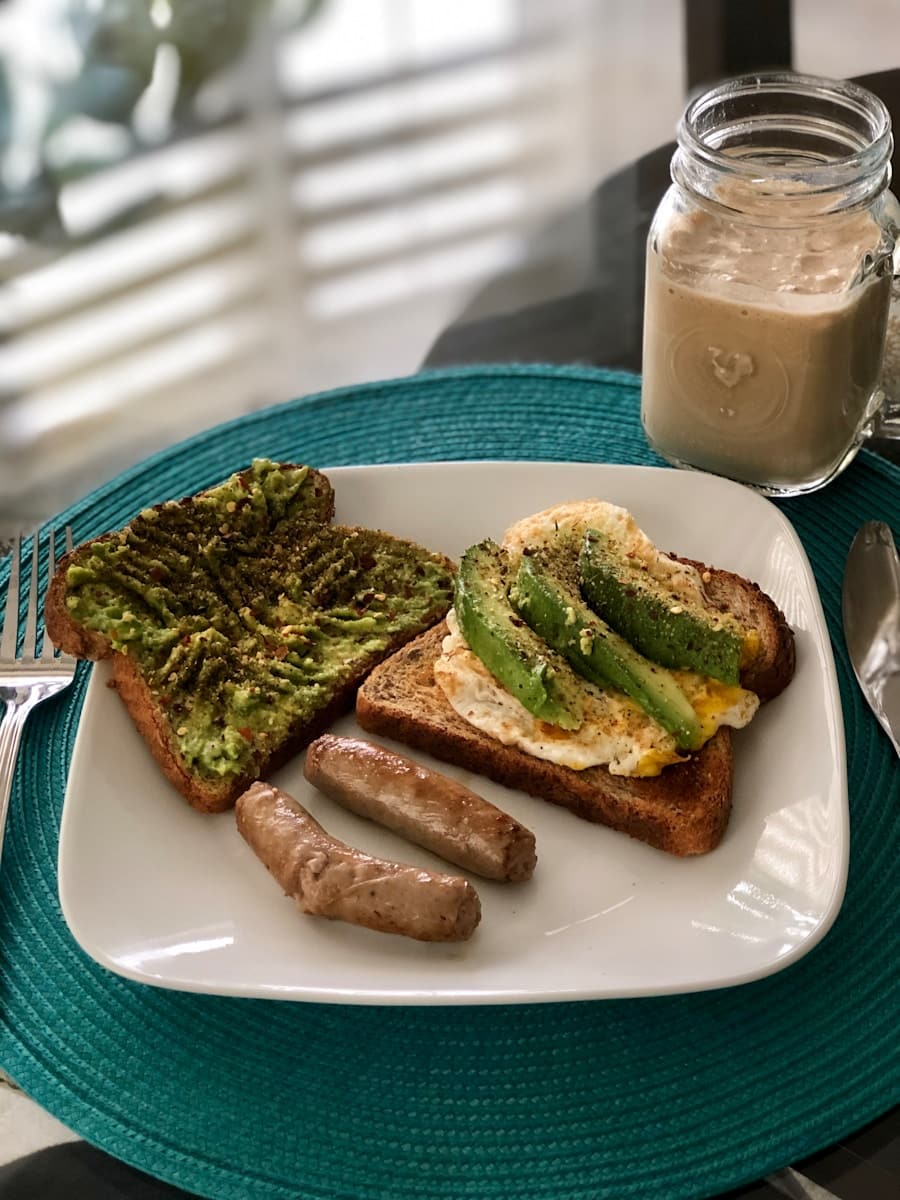
Dining out while following a keto diet can be a challenge, but with a little knowledge and preparation, you can make informed choices that align with your goals. When you arrive at a restaurant, take a moment to review the menu carefully. Look for dishes that feature protein sources like steak, chicken, or fish, and opt for sides that are low in carbohydrates—think leafy greens or steamed vegetables instead of starchy options like potatoes or rice.
Don’t hesitate to ask questions about how dishes are prepared. Many restaurants are willing to accommodate dietary preferences and can modify meals to suit your needs. For instance, you might request that a dish be cooked in olive oil instead of butter or ask for sauces and dressings on the side to control the amount you consume.
By being proactive and communicating your preferences, you can enjoy dining out without derailing your keto journey.
Navigating Social Situations
Social gatherings can present unique challenges when you’re following a keto lifestyle.
One effective strategy is to eat a small keto-friendly snack before attending an event.
This way, you’ll arrive feeling satisfied and less likely to indulge in high-carb options that may be available. When it comes to food at social events, don’t be afraid to bring your own dish to share. This not only ensures that there’s something you can enjoy but also introduces others to delicious keto-friendly options.
If you find yourself in a situation where there are limited choices, focus on what you can eat rather than what you can’t. Look for meats, cheeses, and vegetables that fit within your dietary guidelines. By maintaining a positive mindset and being prepared, you can enjoy social situations without feeling deprived.
Finding Keto-friendly Options at Grocery Stores
Navigating the grocery store while adhering to a keto diet requires a strategic approach. Start by familiarizing yourself with the layout of your local store and identifying sections that are rich in keto-friendly foods. Fresh produce is always a great place to begin; focus on non-starchy vegetables like spinach, broccoli, and zucchini.
These options are not only low in carbs but also packed with essential nutrients. As you explore the aisles, pay attention to labels and ingredient lists. Many packaged foods contain hidden sugars and carbohydrates that can quickly derail your efforts.
Look for products specifically labeled as “keto-friendly” or “low-carb,” but always double-check the nutritional information. Additionally, consider shopping in bulk for staples like nuts, seeds, and healthy oils to save money and ensure you always have keto-friendly options on hand. By being mindful of your choices at the grocery store, you’ll set yourself up for success in your keto journey.
Overcoming Cravings and Temptations

Identify and Manage Triggers
One approach is to identify the triggers that lead to cravings—whether they’re emotional stressors or specific situations—and develop alternative coping mechanisms.
Healthy Snacking Options
When cravings strike, consider reaching for keto-friendly snacks that satisfy your taste buds without compromising your goals. Options like cheese sticks, nuts, or even dark chocolate (in moderation) can help curb your desire for high-carb treats.
Stay Hydrated
Additionally, staying hydrated is crucial; sometimes thirst can be mistaken for hunger. Keep a water bottle handy and sip throughout the day to help manage cravings effectively.
Staying Motivated and Focused
Maintaining motivation on your keto journey is vital for long-term success. One effective way to stay focused is by setting clear and achievable goals for yourself. Whether it’s losing a certain amount of weight or simply feeling more energetic, having specific targets can provide direction and purpose.
Celebrate small victories along the way—each step forward is an accomplishment worth recognizing. Another powerful tool for motivation is tracking your progress. Consider keeping a journal where you document your meals, feelings, and any changes in how you feel physically or mentally.
This practice not only helps you stay accountable but also allows you to reflect on your journey and identify patterns that may need adjustment. Surrounding yourself with positive influences—whether through online communities or local support groups—can also provide encouragement and inspiration as you navigate the ups and downs of the keto lifestyle.
Seeking Support and Accountability
Embarking on a keto journey doesn’t have to be a solitary endeavor; seeking support and accountability can significantly enhance your experience. Consider sharing your goals with friends or family members who can offer encouragement along the way. Having someone who understands your commitment can make it easier to stay on track during challenging moments.
Additionally, joining online forums or local meet-up groups focused on the keto lifestyle can provide valuable resources and camaraderie. Engaging with others who share similar goals allows you to exchange tips, recipes, and experiences while fostering a sense of community. Remember that accountability can take many forms—whether it’s through regular check-ins with a friend or participating in group challenges—finding what works best for you will help solidify your commitment to the keto lifestyle.
In conclusion, embracing the keto lifestyle involves understanding its principles, planning ahead for success, making informed choices in various settings, navigating social situations with confidence, finding suitable grocery options, overcoming cravings effectively, staying motivated through goal-setting and tracking progress, and seeking support from others. By incorporating these strategies into your daily routine, you’ll be well-equipped to thrive on your keto journey while enjoying all the benefits it has to offer.
FAQs
What is the keto diet?
The keto diet is a high-fat, low-carbohydrate eating plan that has been shown to help with weight loss and improve certain health conditions.
What are some challenges of staying keto in a carb-heavy world?
Some challenges of staying keto in a carb-heavy world include limited food options when dining out, social pressure to eat high-carb foods, and difficulty finding keto-friendly snacks and meals on the go.
How can someone navigate these challenges and stay keto?
To navigate these challenges and stay keto, individuals can plan ahead by researching keto-friendly restaurants, bringing their own snacks, and politely declining high-carb foods when socializing.
What are some keto-friendly food options?
Keto-friendly food options include meats, fish, eggs, low-carb vegetables, nuts, seeds, and healthy fats such as avocado and olive oil.
Are there any resources available to help people stay keto in a carb-heavy world?
Yes, there are many resources available such as keto-friendly recipe websites, meal delivery services, and support groups or communities for individuals following the keto diet.





