The Paleo Ketogenic Way of Eating is a dietary approach that combines principles from both the Paleo and ketogenic diets. At its core, this way of eating emphasizes whole, unprocessed foods that our ancestors would have consumed, while also promoting a state of ketosis through low carbohydrate intake. By focusing on nutrient-dense foods, you can achieve a balance that supports both weight loss and overall health.
This method encourages you to consume high-quality fats and proteins while minimizing carbohydrates, particularly those derived from grains and sugars. In essence, the Paleo Ketogenic Way of Eating is about returning to a more natural way of nourishing your body. It seeks to eliminate modern processed foods that can lead to various health issues, such as obesity and diabetes.
By adopting this lifestyle, you not only aim to shed excess weight but also improve your energy levels, mental clarity, and overall well-being. This approach is not just a diet; it’s a holistic way of living that encourages mindfulness about what you put into your body.
Key Takeaways
- The Paleo Ketogenic Way of Eating combines the principles of the Paleo diet with the low-carb, high-fat approach of the Ketogenic diet.
- The principles of the Paleo Ketogenic Way of Eating include consuming whole, unprocessed foods and eliminating grains, legumes, and dairy.
- Benefits of the Paleo Ketogenic Way of Eating may include weight loss, improved blood sugar control, and increased energy levels.
- Foods to eat on the Paleo Ketogenic Way of Eating include grass-fed meats, wild-caught fish, non-starchy vegetables, and healthy fats like coconut oil and avocado.
- Foods to avoid on the Paleo Ketogenic Way of Eating include grains, legumes, dairy, processed foods, and refined sugars.
The Principles of the Paleo Ketogenic Way of Eating
The principles of the Paleo Ketogenic Way of Eating revolve around two main tenets: eating like our ancestors and entering a state of ketosis. The first principle emphasizes consuming foods that are as close to their natural state as possible. This means prioritizing fresh vegetables, high-quality meats, fish, eggs, nuts, and seeds while avoiding processed foods, refined sugars, and grains.
By doing so, you align your diet with what your body is naturally designed to digest. The second principle focuses on achieving ketosis, a metabolic state where your body burns fat for fuel instead of carbohydrates. To reach this state, you typically need to limit your carbohydrate intake to around 20-50 grams per day.
This reduction in carbs forces your body to utilize fat as its primary energy source, which can lead to significant weight loss and improved metabolic health. By combining these two principles, you create a powerful synergy that can enhance your physical and mental performance.
Benefits of the Paleo Ketogenic Way of Eating
One of the most significant benefits of the Paleo Ketogenic Way of Eating is weight loss. By drastically reducing carbohydrate intake and increasing healthy fats, you can effectively burn stored fat for energy. This not only helps in shedding pounds but also stabilizes blood sugar levels, reducing cravings and hunger pangs.
As you adapt to this way of eating, you may find that your appetite naturally decreases, making it easier to maintain a healthy weight. In addition to weight loss, this dietary approach can lead to improved mental clarity and focus. Many individuals report experiencing enhanced cognitive function when in ketosis, as the brain thrives on ketones—an alternative fuel source derived from fat.
Furthermore, the anti-inflammatory properties of the foods consumed in this diet can lead to better overall health, reducing the risk of chronic diseases such as heart disease and diabetes. By embracing the Paleo Ketogenic Way of Eating, you are not only investing in your physical appearance but also in your long-term health.
Foods to Eat on the Paleo Ketogenic Way of Eating
When following the Paleo Ketogenic Way of Eating, your food choices will primarily consist of high-quality proteins and healthy fats. You should focus on grass-fed meats, wild-caught fish, and free-range eggs as your primary protein sources. These options are not only nutrient-dense but also free from harmful additives and hormones that can be present in conventional animal products.
Incorporating a variety of meats ensures that you receive a broad spectrum of essential nutrients. In addition to proteins, healthy fats play a crucial role in this dietary approach. You should include sources such as avocados, olive oil, coconut oil, and nuts like macadamias and pecans.
These fats provide energy while keeping you satiated throughout the day. Non-starchy vegetables like leafy greens, broccoli, cauliflower, and zucchini are also essential components of your meals. They offer vital vitamins and minerals while keeping your carbohydrate intake low.
By focusing on these food groups, you create a balanced diet that supports both ketosis and overall health.
Foods to Avoid on the Paleo Ketogenic Way of Eating
To successfully adhere to the Paleo Ketogenic Way of Eating, it’s crucial to avoid certain food groups that can hinder your progress. First and foremost, you should eliminate all grains, including wheat, rice, corn, and oats. These foods are high in carbohydrates and can disrupt your ability to enter ketosis.
Additionally, processed sugars found in candies, sodas, and baked goods should be strictly avoided as they can spike insulin levels and lead to cravings. Dairy products are another category to be cautious about. While some people may tolerate full-fat dairy like cheese or heavy cream in moderation, others may find that it hinders their progress or causes digestive issues.
It’s best to listen to your body and determine what works for you. Lastly, avoid legumes such as beans and lentils; although they are often considered healthy in other diets, they contain anti-nutrients that can interfere with digestion and nutrient absorption in a Paleo context.
Meal Planning and Recipes for the Paleo Ketogenic Way of Eating
Creating a Weekly Menu
Start by creating a weekly menu that includes breakfast, lunch, dinner, and snacks. This will help you stay on track and ensure that you’re getting the nutrients you need.
Incorporating Variety into Your Meals
Focus on incorporating a variety of proteins and vegetables into your meals to keep them interesting and satisfying. For breakfast, consider options like scrambled eggs cooked in coconut oil with spinach or an avocado smoothie blended with almond milk and a scoop of nut butter. For lunch or dinner, grilled salmon served with asparagus drizzled with olive oil makes for a delicious meal that aligns with your dietary goals.
Healthy Snacking Options
Snacks can include raw nuts or sliced vegetables with guacamole. By planning ahead and having these meals ready to go, you’ll be less likely to reach for non-compliant foods when hunger strikes.
How to Incorporate Exercise into the Paleo Ketogenic Way of Eating
Exercise plays a vital role in enhancing the benefits of the Paleo Ketogenic Way of Eating. Engaging in regular physical activity not only helps you burn calories but also supports muscle maintenance while you lose weight. You should aim for a balanced routine that includes both strength training and cardiovascular exercises.
Strength training helps build lean muscle mass, which can increase your metabolism and improve body composition. Incorporating high-intensity interval training (HIIT) can also be beneficial while following this dietary approach. HIIT workouts are effective for burning fat while preserving muscle mass—an ideal combination when you’re in ketosis.
Additionally, consider activities like walking or hiking that align with the Paleo lifestyle by connecting you with nature. By integrating exercise into your routine alongside the Paleo Ketogenic Way of Eating, you’ll maximize your results and enhance your overall well-being.
Potential Drawbacks of the Paleo Ketogenic Way of Eating
While the Paleo Ketogenic Way of Eating offers numerous benefits, it’s essential to be aware of potential drawbacks as well. One common challenge is the initial adjustment period known as the “keto flu.” During this time, you may experience symptoms such as fatigue, headaches, or irritability as your body transitions from burning carbohydrates to utilizing fat for energy. This phase can be uncomfortable but typically lasts only a few days.
Another potential drawback is the restrictive nature of this diet. For some individuals, eliminating entire food groups may feel overwhelming or unsustainable in the long run. Social situations can also pose challenges when dining out or attending gatherings where compliant options may be limited.
It’s important to find strategies for navigating these situations while staying true to your dietary goals.
Tips for Success on the Paleo Ketogenic Way of Eating
To thrive on the Paleo Ketogenic Way of Eating, consider implementing several practical tips that can enhance your experience. First and foremost, stay hydrated by drinking plenty of water throughout the day. Proper hydration is crucial for overall health and can help alleviate some symptoms associated with transitioning into ketosis.
Additionally, keep healthy snacks on hand to prevent cravings from derailing your progress. Options like raw nuts or sliced vegetables with guacamole can provide quick nourishment when hunger strikes. It’s also beneficial to connect with others who share similar dietary goals; joining online communities or local groups can offer support and motivation as you navigate this lifestyle change.
The Role of Supplements in the Paleo Ketogenic Way of Eating
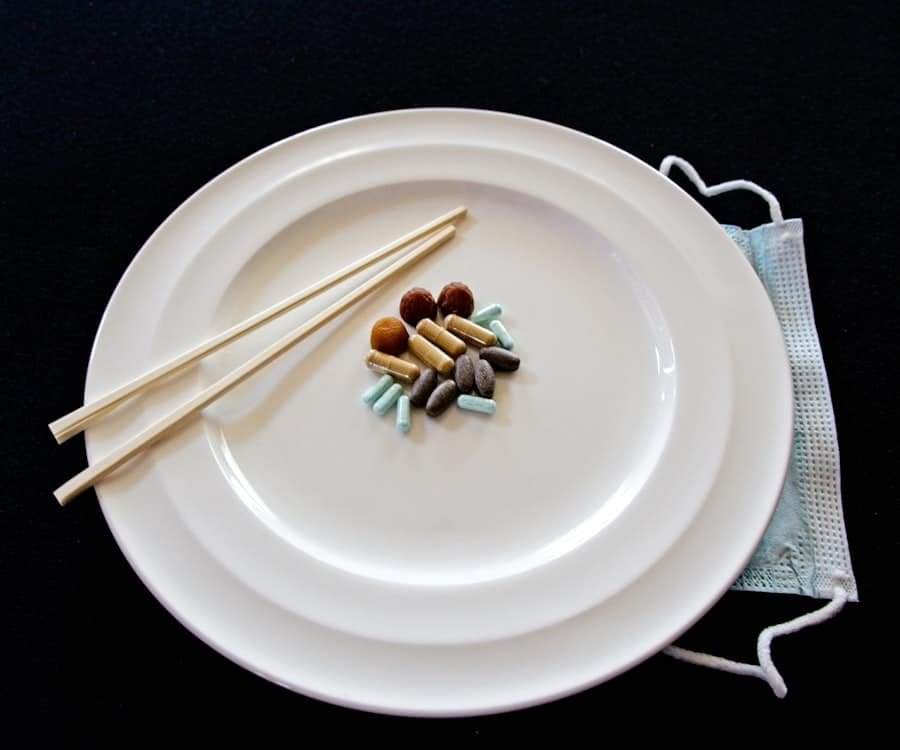
While a well-planned diet should provide most nutrients needed for optimal health, some individuals may benefit from supplements when following the Paleo Ketogenic Way of Eating. For instance, magnesium supplements can help alleviate muscle cramps or sleep disturbances that may arise during ketosis. Omega-3 fatty acids are another supplement worth considering; they support heart health and reduce inflammation.
Electrolyte supplements can also be beneficial during the initial transition phase into ketosis when your body may excrete more electrolytes due to reduced carbohydrate intake. However, it’s essential to consult with a healthcare professional before adding any supplements to ensure they align with your individual needs.
How to Transition to the Paleo Ketogenic Way of Eating
Transitioning to the Paleo Ketogenic Way of Eating doesn’t have to be overwhelming; taking gradual steps can make the process smoother and more sustainable. Start by eliminating processed foods from your diet while gradually reducing carbohydrate intake over several days or weeks. This approach allows your body time to adjust without experiencing severe withdrawal symptoms.
As you transition, focus on incorporating more whole foods into your meals while experimenting with new recipes that align with this dietary approach. Keeping a food journal can also help track your progress and identify any challenges you encounter along the way. Remember that patience is key; give yourself grace during this transition period as you adapt to this new way of eating.
By embracing these principles and strategies associated with the Paleo Ketogenic Way of Eating, you set yourself up for success on your health journey while enjoying delicious meals along the way!
FAQs
What is the Paleo Ketogenic Way of Eating?
The Paleo Ketogenic way of eating combines principles from the Paleo and Ketogenic diets. It focuses on consuming whole, unprocessed foods while also promoting a high intake of healthy fats and a low intake of carbohydrates.
What foods are included in the Paleo Ketogenic Way of Eating?
Foods included in the Paleo Ketogenic way of eating are lean meats, fish, eggs, nuts, seeds, healthy oils, non-starchy vegetables, and some low-sugar fruits. It excludes grains, legumes, dairy, processed foods, and high-carb fruits.
What are the potential benefits of the Paleo Ketogenic Way of Eating?
Potential benefits of the Paleo Ketogenic way of eating may include weight loss, improved blood sugar control, increased energy levels, and reduced inflammation. It may also support overall health and well-being.
Is the Paleo Ketogenic Way of Eating suitable for everyone?
The Paleo Ketogenic way of eating may not be suitable for everyone, especially those with certain medical conditions or dietary restrictions. It is important to consult with a healthcare professional before making significant changes to your diet.
Are there any potential drawbacks to the Paleo Ketogenic Way of Eating?
Some potential drawbacks of the Paleo Ketogenic way of eating may include the initial adjustment period as the body adapts to using fat for fuel instead of carbohydrates. It may also require careful meal planning to ensure adequate nutrient intake.