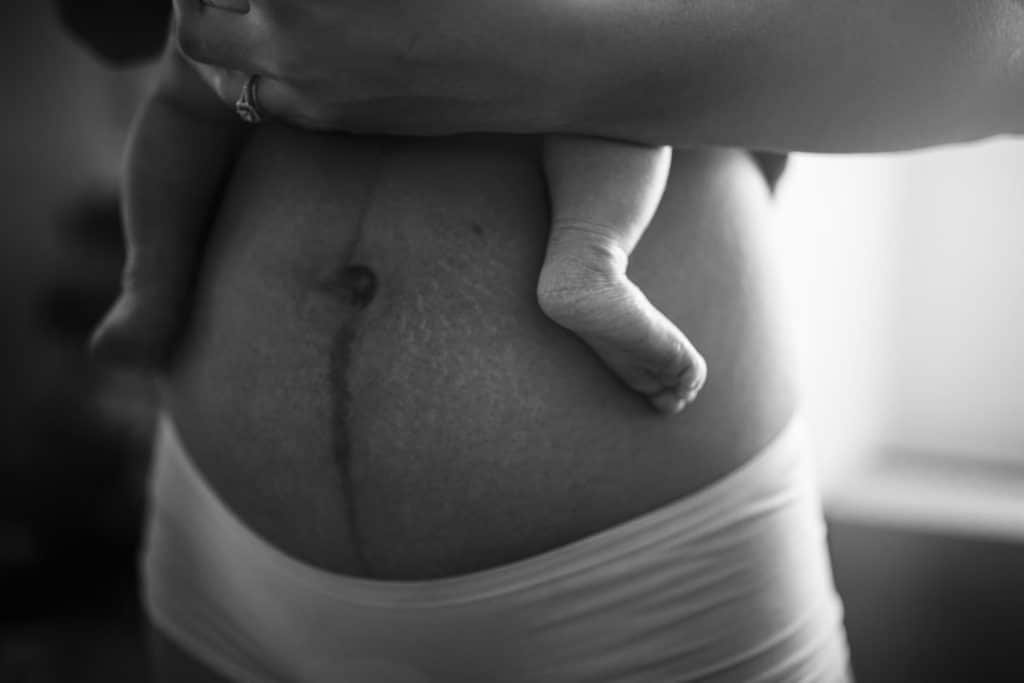
After giving birth, many women find themselves navigating the complex journey of postpartum weight loss. This period can be both physically and emotionally challenging, as your body undergoes significant changes. It’s essential to recognize that weight loss after childbirth is not just about shedding pounds; it’s about regaining your strength, energy, and confidence.
Your body has just completed an incredible feat, and it deserves time to heal and adjust. Understanding the factors that influence postpartum weight loss can help you set realistic expectations and create a plan that works for you. Hormonal fluctuations play a crucial role in postpartum weight loss.
After delivery, your body experiences a dramatic shift in hormone levels, which can affect your metabolism and appetite. Additionally, factors such as sleep deprivation, stress, and the demands of caring for a newborn can complicate your weight loss efforts. It’s important to approach this journey with patience and self-compassion.
Recognizing that every woman’s experience is unique will help you focus on your individual goals rather than comparing yourself to others.
Key Takeaways
- Understanding Postpartum Weight Loss:
- Postpartum weight loss can be challenging due to hormonal changes and lifestyle adjustments.
- It’s important to approach weight loss with patience and realistic expectations.
- The Benefits of Keto for Postpartum Weight Loss:
- Keto can help regulate blood sugar levels and reduce cravings, making it easier to stick to a healthy eating plan.
- The high-fat, moderate-protein, low-carb approach of keto can support postpartum weight loss.
- How to Start Keto Postpartum:
- Gradually reduce carbohydrate intake while increasing healthy fats and moderate protein.
- Focus on whole, nutrient-dense foods and stay hydrated to ease the transition into ketosis.
- Managing Keto and Breastfeeding:
- It’s important to consult with a healthcare professional to ensure that both mother and baby are getting adequate nutrition.
- Monitoring milk supply and adjusting calorie intake may be necessary while following a keto diet.
- Meal Planning for Postpartum Keto:
- Plan meals and snacks that are balanced in macronutrients and rich in essential vitamins and minerals.
- Preparing and freezing keto-friendly meals can help save time and reduce stress during the postpartum period.
The Benefits of Keto for Postpartum Weight Loss
The ketogenic diet, commonly known as keto, has gained popularity for its potential benefits in weight loss, particularly in the postpartum phase. One of the primary advantages of keto is its ability to promote fat burning while preserving lean muscle mass. By significantly reducing carbohydrate intake and increasing healthy fats, your body enters a state of ketosis, where it efficiently utilizes fat for energy.
This metabolic shift can be particularly beneficial for new mothers looking to shed excess weight gained during pregnancy. Moreover, the keto diet can help stabilize blood sugar levels, which is crucial during the postpartum period when hormonal changes can lead to fluctuations in energy and mood. By focusing on whole foods such as avocados, nuts, seeds, and lean proteins, you can nourish your body while also supporting your weight loss goals.
The high-fat content of the diet can also keep you feeling fuller for longer, reducing cravings and the temptation to snack on unhealthy options. This makes it easier to maintain a balanced diet while managing the demands of motherhood.
How to Start Keto Postpartum
Embarking on a keto journey postpartum requires careful planning and consideration. Before diving into the diet, it’s essential to consult with your healthcare provider, especially if you are breastfeeding or have any underlying health conditions. Once you have the green light, start by gradually reducing your carbohydrate intake.
This approach can help your body adjust without causing drastic changes that may lead to fatigue or irritability. Begin by familiarizing yourself with keto-friendly foods. Stock your pantry with healthy fats like olive oil, coconut oil, and avocados, as well as low-carb vegetables such as leafy greens, broccoli, and zucchini.
Incorporating protein sources like eggs, fish, and poultry will also be vital in maintaining muscle mass while losing weight. As you transition into the diet, consider keeping a food journal to track your meals and monitor how your body responds to different foods. This practice can help you identify what works best for you and make adjustments as needed.
Managing Keto and Breastfeeding
If you are breastfeeding, it’s crucial to approach the keto diet with caution. While many women successfully follow keto while nursing, it’s essential to ensure that you are consuming enough calories and nutrients to support both your health and your baby’s growth. Breastfeeding requires additional energy, so be mindful of your caloric intake and focus on nutrient-dense foods that provide essential vitamins and minerals.
To maintain a healthy milk supply while on keto, prioritize hydration and consider incorporating more carbohydrates into your diet if you notice any negative effects on your milk production. Foods like berries or sweet potatoes can provide necessary carbs without derailing your keto goals. Listening to your body is key; if you feel fatigued or notice a decrease in milk supply, it may be time to reassess your dietary choices.
Meal Planning for Postpartum Keto
Effective meal planning is a cornerstone of success on the postpartum keto journey. By preparing meals in advance, you can ensure that you have healthy options readily available during those busy days with a newborn. Start by creating a weekly meal plan that includes breakfast, lunch, dinner, and snacks.
Focus on incorporating a variety of foods to keep your meals interesting and satisfying. When planning your meals, consider batch cooking or preparing freezer-friendly options that can be easily reheated. Dishes like cauliflower rice stir-fries or zucchini noodles with homemade sauces can be both delicious and convenient.
Additionally, having healthy snacks on hand—such as cheese sticks, nuts, or hard-boiled eggs—can help curb cravings and keep you energized throughout the day.
Incorporating Exercise into Postpartum Keto
Exercise is an essential component of any weight loss journey, including postpartum keto. However, it’s important to approach physical activity with care after childbirth. Start with gentle exercises such as walking or postpartum yoga to allow your body to heal while gradually building strength and endurance.
As you feel more comfortable, you can incorporate more intense workouts like strength training or high-intensity interval training (HIIT). Finding an exercise routine that fits into your new lifestyle is crucial for long-term success. Consider joining a local postpartum fitness class or finding online workouts designed specifically for new mothers.
Engaging in physical activity not only aids in weight loss but also boosts your mood and energy levels—both of which are invaluable during this demanding time.
Dealing with Plateaus on Postpartum Keto
Experiencing a weight loss plateau is common during any diet journey, including postpartum keto. If you find yourself stuck at a certain weight despite following your plan diligently, it’s essential not to get discouraged. Plateaus can occur for various reasons, including hormonal changes or adjustments in metabolism after childbirth.
To overcome a plateau, consider reassessing your macronutrient ratios or calorie intake. You may need to adjust the amount of fat or protein you consume to reignite weight loss. Additionally, incorporating new types of exercise or varying your routine can help stimulate progress.
Remember that plateaus are often temporary; staying committed to your goals will ultimately lead to success.
Tips for Staying Motivated on Postpartum Keto
Staying motivated during your postpartum keto journey can be challenging at times, especially when faced with the demands of motherhood. One effective strategy is to set small, achievable goals that allow you to celebrate progress along the way. Whether it’s fitting into a favorite pair of jeans or completing a certain number of workouts each week, recognizing these milestones can boost your motivation.
Another helpful tip is to connect with others who share similar goals. Joining online communities or local support groups focused on postpartum health and wellness can provide encouragement and accountability. Sharing experiences with fellow mothers who understand the challenges of balancing weight loss with parenting can make the journey feel less isolating.
Adjusting Keto for Postpartum Hormonal Changes
Hormonal changes after childbirth can significantly impact your body’s response to diet and exercise. As you navigate postpartum keto, it’s essential to remain flexible and willing to adjust your approach based on how you feel. For instance, if you notice increased fatigue or mood swings, consider incorporating more carbohydrates into your diet temporarily until your hormones stabilize.
Listening to your body is key during this time; if certain foods or macronutrient ratios aren’t working for you, don’t hesitate to make changes. It’s important to prioritize your overall well-being over strict adherence to any diet plan.
Seeking Support for Postpartum Keto Success
Seeking support from friends, family, or professionals can significantly enhance your postpartum keto experience. Consider enlisting a partner or friend to join you on this journey; having someone by your side can make meal planning and exercise more enjoyable while providing accountability. Additionally, don’t hesitate to reach out to healthcare professionals such as registered dietitians or nutritionists who specialize in postpartum health.
They can offer personalized guidance tailored to your unique needs and help you navigate any challenges that arise along the way.
Celebrating Postpartum Keto Milestones
As you progress on your postpartum keto journey, take time to celebrate your achievements—big or small! Recognizing milestones not only boosts motivation but also reinforces positive habits that contribute to long-term success. Whether it’s treating yourself to a spa day after reaching a specific weight goal or simply acknowledging how far you’ve come in terms of strength and energy levels, celebrating these moments is vital.
Remember that this journey is about more than just numbers on a scale; it’s about reclaiming your health and well-being after childbirth. Embrace each step forward as a testament to your resilience and dedication as a mother navigating this transformative phase of life.
FAQs
What is postpartum weight loss?
Postpartum weight loss refers to the process of losing weight after giving birth. This can be a gradual process as the body adjusts to the changes that occur during pregnancy and childbirth.
What is the keto diet?
The keto diet is a high-fat, low-carbohydrate eating plan that has been shown to help with weight loss and improve overall health. It involves reducing carbohydrate intake and replacing it with healthy fats, which puts the body into a state of ketosis where it burns fat for energy.
Is it safe to do the keto diet while breastfeeding?
It is important to consult with a healthcare professional before starting any new diet, especially while breastfeeding. Some women may find success with the keto diet while breastfeeding, but it is important to ensure that both the mother and baby are getting the necessary nutrients.
How can the keto diet help with postpartum weight loss?
The keto diet can help with postpartum weight loss by reducing carbohydrate intake and promoting the body to burn fat for energy. This can lead to a reduction in body fat and weight loss over time.
What are some tips for postpartum weight loss on the keto diet?
Some tips for postpartum weight loss on the keto diet include staying hydrated, eating nutrient-dense foods, getting regular exercise, and getting enough sleep. It is also important to listen to your body and make adjustments as needed.