The ketogenic diet, commonly referred to as the keto diet, has gained immense popularity in recent years, particularly among those seeking to lose weight and improve their overall health. At its core, the keto diet emphasizes a high-fat, moderate-protein, and very low-carbohydrate intake. This macronutrient composition encourages the body to enter a state of ketosis, where it burns fat for fuel instead of carbohydrates.
Within this framework, protein plays a crucial role, not only in maintaining muscle mass but also in supporting various bodily functions. Understanding the types of protein foods that align with the keto diet is essential for anyone looking to adopt this lifestyle effectively. Keto protein foods can be categorized into two main groups: animal-based and plant-based sources.
Each category offers unique benefits and can be incorporated into a well-rounded keto meal plan. Animal-based proteins, such as meat, fish, and dairy, are typically higher in essential amino acids and fats, making them ideal for those on a keto diet. On the other hand, plant-based proteins can provide additional nutrients and fiber, appealing to those who prefer a more vegetarian or vegan approach.
This article will delve into the benefits of a keto diet, the importance of protein within this framework, and practical tips for incorporating keto-friendly protein foods into your daily meals.
Key Takeaways
- Introduction to Keto Protein Foods:
- Keto diet emphasizes high protein intake
- Protein is essential for muscle growth and repair
- Benefits of a Keto Diet:
- Weight loss and improved body composition
- Better blood sugar control and increased energy levels
- What is a Keto Diet?:
- High fat, moderate protein, low carb diet
- Forces the body to burn fat for fuel instead of carbs
- Importance of Protein in a Keto Diet:
- Helps maintain muscle mass during weight loss
- Supports feeling full and satisfied
- Printable List of Animal-Based Keto Protein Foods:
- Includes meat, poultry, fish, and eggs
- Rich sources of high-quality protein and essential nutrients
Benefits of a Keto Diet
The benefits of adopting a ketogenic diet extend beyond mere weight loss; they encompass a range of health improvements that can enhance overall well-being. One of the most significant advantages is the potential for improved metabolic health. By drastically reducing carbohydrate intake, the body shifts its energy source from glucose to ketones, which can lead to more stable blood sugar levels.
This stabilization can be particularly beneficial for individuals with insulin resistance or type 2 diabetes, as it may help reduce the need for medication and improve glycemic control. In addition to metabolic benefits, many individuals report increased energy levels and mental clarity when following a keto diet. The brain thrives on ketones as an energy source, which can lead to enhanced cognitive function and focus.
Furthermore, the satiating nature of high-fat foods can help curb cravings and reduce overall caloric intake, making it easier to adhere to dietary goals. Many people also experience reduced inflammation and improved markers of heart health, such as lower triglyceride levels and increased HDL cholesterol. These multifaceted benefits make the keto diet an appealing option for those looking to improve their health holistically.
What is a Keto Diet?

A ketogenic diet is characterized by its specific macronutrient ratios: typically around 70-75% fat, 20-25% protein, and only 5-10% carbohydrates. This stark reduction in carbohydrate intake forces the body into a metabolic state known as ketosis, where it becomes highly efficient at burning fat for energy. In this state, the liver converts fatty acids into ketones, which serve as an alternative fuel source for various tissues, including the brain.
The transition into ketosis can take several days to weeks, depending on individual factors such as activity level and metabolic rate. The types of foods consumed on a keto diet are crucial for achieving and maintaining ketosis. Foods high in healthy fats—such as avocados, nuts, seeds, olive oil, and fatty fish—are staples of this eating plan.
Meanwhile, carbohydrate sources are limited primarily to non-starchy vegetables and low-sugar fruits. Protein sources are included in moderation; while they are essential for muscle maintenance and repair, excessive protein can be converted into glucose through gluconeogenesis, potentially hindering ketosis. Thus, understanding the balance of macronutrients is vital for anyone embarking on a ketogenic journey.
Importance of Protein in a Keto Diet
Protein is an essential macronutrient that plays numerous roles in the body, including tissue repair, immune function, and hormone production. In the context of a ketogenic diet, protein is particularly important for preserving lean muscle mass during weight loss. When carbohydrate intake is significantly reduced, the body may begin to break down muscle tissue for energy if protein intake is insufficient.
Therefore, ensuring adequate protein consumption is critical for those following a keto diet to maintain muscle integrity while promoting fat loss. Moreover, protein has a high thermic effect compared to fats and carbohydrates, meaning that it requires more energy for digestion and metabolism. This characteristic can contribute to an increased metabolic rate and support weight loss efforts.
Additionally, protein-rich foods tend to be more satiating than their carbohydrate counterparts, helping individuals feel fuller for longer periods. This satiety can be particularly beneficial in managing hunger and reducing the likelihood of overeating or snacking on non-keto-friendly foods.
Printable List of Animal-Based Keto Protein Foods
Animal-based protein sources are often favored in a ketogenic diet due to their high fat content and complete amino acid profiles. Some excellent options include: 1. **Meat**: Beef (ground beef, steak), pork (pork chops, bacon), lamb.
2.
**Poultry**: Chicken (thighs, wings), turkey.
3. **Fish**: Salmon (rich in omega-3 fatty acids), mackerel, sardines.
4. **Shellfish**: Shrimp, crab, lobster.
5.
**Dairy**: Cheese (cheddar, mozzarella), Greek yogurt (unsweetened), heavy cream.
6. **Eggs**: Whole eggs are an excellent source of protein and healthy fats. These foods not only provide essential nutrients but also contribute to the overall fat content necessary for maintaining ketosis.
Incorporating a variety of these animal-based proteins can help ensure that individuals meet their nutritional needs while enjoying flavorful meals.
Printable List of Plant-Based Keto Protein Foods
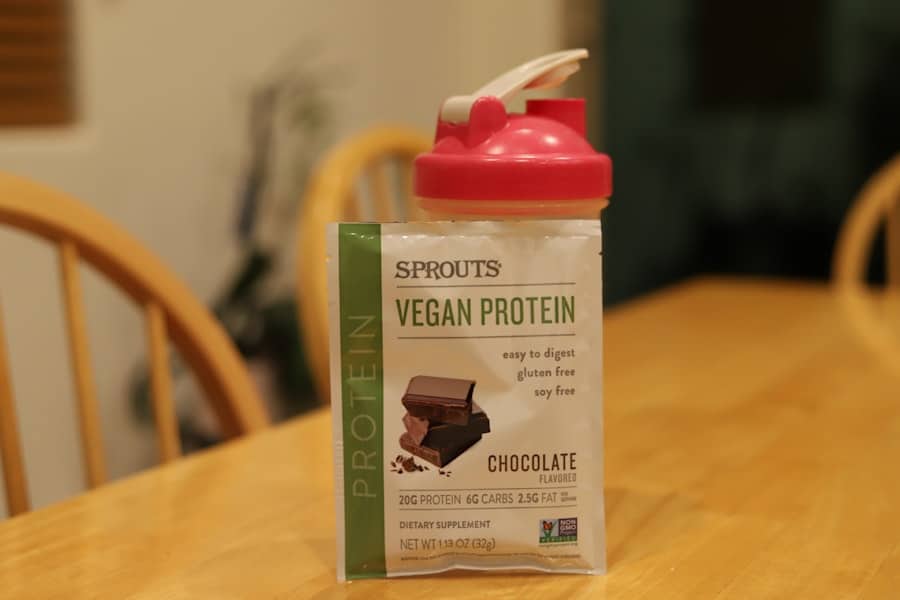
While animal-based proteins are often highlighted in keto discussions, there are also several plant-based options that can fit within a ketogenic framework. These sources may be lower in protein compared to their animal counterparts but can still provide valuable nutrients: 1. **Nuts and Seeds**: Almonds, walnuts, chia seeds, flaxseeds.
2.
**Legumes**: While many legumes are higher in carbs, small portions of lentils or black soybeans can be included.
3. **Tofu and Tempeh**: Both are excellent sources of plant-based protein with low carbohydrate content.
4. **Nut Butters**: Almond butter or peanut butter (in moderation) can add flavor and protein.
5.
**Green Vegetables**: Spinach, kale, broccoli—while not high in protein per serving, they contribute to overall nutrient intake. Incorporating these plant-based proteins allows for greater dietary diversity and can appeal to those who prefer vegetarian or vegan options while still adhering to keto principles.
Tips for Incorporating Keto Protein Foods into Your Diet
Incorporating keto-friendly protein foods into your daily meals can be both enjoyable and straightforward with some planning and creativity. One effective strategy is to start each meal with a protein source; this could mean adding eggs to breakfast dishes or including grilled chicken in salads or stir-fries at lunch or dinner. By prioritizing protein at each meal, you ensure that you meet your daily requirements while also enhancing satiety.
Another tip is to experiment with different cooking methods and flavor profiles to keep meals exciting. For instance, marinating meats before grilling or roasting can infuse them with flavor without adding unnecessary carbohydrates. Additionally, using herbs and spices can elevate dishes without compromising your keto goals.
Meal prepping is also beneficial; preparing large batches of protein-rich foods at the beginning of the week allows for quick access to healthy meals during busy days.
How to Meal Plan with Keto Protein Foods
Effective meal planning is essential for success on a ketogenic diet, particularly when it comes to ensuring adequate protein intake while maintaining low carbohydrate levels. Start by determining your weekly schedule and identifying times when you will need quick meals or snacks. From there, create a menu that includes a variety of protein sources throughout the week—this not only helps prevent boredom but also ensures you receive a broad spectrum of nutrients.
When planning meals, consider batch cooking proteins such as chicken thighs or ground beef that can be used in multiple dishes throughout the week. For example, cooked chicken can be used in salads one day and transformed into chicken stir-fry another day. Additionally, incorporating different cooking methods—such as grilling one day and baking another—can add variety without requiring extensive time in the kitchen each day.
Common Mistakes to Avoid When Choosing Keto Protein Foods
When navigating the world of keto protein foods, several common pitfalls can hinder progress or lead to unintentional carbohydrate consumption. One frequent mistake is overlooking hidden sugars in processed meats or dairy products; items like flavored yogurts or pre-marinated meats may contain added sugars that disrupt ketosis. Always read labels carefully to ensure that products align with your dietary goals.
Another mistake is neglecting portion control with higher-calorie protein sources like nuts and seeds; while they are nutritious options, their caloric density means that overconsumption can lead to exceeding daily caloric needs. It’s also important not to rely solely on one type of protein source; diversifying your intake helps ensure you receive all essential amino acids while preventing dietary monotony.
How to Calculate Your Protein Needs on a Keto Diet
Calculating your protein needs on a ketogenic diet involves considering several factors including age, sex, activity level, and overall health goals. A common guideline suggests consuming approximately 0.6 to 1 gram of protein per pound of lean body mass per day for those on a keto diet aiming for weight loss or muscle maintenance. For example, if you weigh 150 pounds with an estimated lean body mass of 120 pounds, your target protein intake would range from 72 to 120 grams per day.
To accurately track your intake, consider using food tracking apps that allow you to log meals and monitor macronutrient ratios easily. This practice not only helps ensure you meet your protein goals but also assists in maintaining appropriate fat and carbohydrate levels necessary for staying in ketosis.
Conclusion and Final Tips for Success on a Keto Diet
Embarking on a ketogenic diet requires careful consideration of food choices and macronutrient balance; however, with proper planning and knowledge about keto-friendly protein sources, individuals can successfully navigate this dietary approach. Remember that both animal-based and plant-based proteins have their place within a well-rounded keto meal plan; incorporating variety will enhance nutrient intake while keeping meals enjoyable. As you progress on your keto journey, remain mindful of portion sizes and hidden carbohydrates in processed foods.
Regularly reassess your dietary needs based on changes in weight or activity levels to ensure continued success on your path toward improved health through the ketogenic lifestyle.
FAQs
What is a keto diet?
A keto diet is a low-carb, high-fat diet that has been shown to help with weight loss and improve overall health. It involves reducing carbohydrate intake and replacing it with fat, which puts the body into a metabolic state called ketosis.
What are keto protein foods?
Keto protein foods are foods that are low in carbohydrates and high in protein, making them suitable for a keto diet. These foods include meat, poultry, fish, eggs, and certain dairy products.
Why is it important to have a printable list of keto protein foods?
Having a printable list of keto protein foods can be helpful for individuals following a keto diet, as it provides a convenient reference for meal planning and grocery shopping. It can also help ensure that they are consuming the right balance of nutrients while staying within their carbohydrate limits.
What are some examples of keto protein foods?
Examples of keto protein foods include chicken, turkey, beef, pork, salmon, tuna, shrimp, eggs, Greek yogurt, and certain types of cheese. These foods are low in carbohydrates and high in protein, making them suitable for a keto diet.
Where can I find a printable list of keto protein foods?
A printable list of keto protein foods can be found online on various websites and blogs dedicated to the keto diet. These lists typically include a variety of protein-rich foods that are suitable for a keto diet, along with their carbohydrate content.