
The ketogenic diet, commonly referred to as the keto diet, is a low-carbohydrate, high-fat dietary approach that has gained immense popularity in recent years. At its core, the keto diet aims to shift your body’s metabolism from relying on carbohydrates for energy to utilizing fats instead. This metabolic state is known as ketosis, where your body becomes highly efficient at burning fat for fuel.
By drastically reducing your carbohydrate intake and replacing it with healthy fats, you encourage your body to enter this state, leading to various health benefits, including weight loss and improved mental clarity. As you embark on your keto journey, it’s essential to understand the macronutrient breakdown that characterizes this diet. Typically, a standard keto diet consists of approximately 70-75% fats, 20-25% protein, and only about 5-10% carbohydrates.
This unique ratio is what allows your body to transition into ketosis. However, while the focus is often on fats, protein plays a crucial role in maintaining overall health and supporting your body’s functions during this dietary shift. Understanding how to balance these macronutrients is key to successfully navigating the keto lifestyle.
Key Takeaways
- The keto diet is a high-fat, low-carb diet that aims to put the body in a state of ketosis, where it burns fat for fuel instead of carbohydrates.
- Protein is important on the keto diet for muscle maintenance, satiety, and weight loss.
- The amount of protein to consume on the keto diet varies depending on individual factors such as activity level and muscle mass.
- The best sources of protein for the keto diet include meat, poultry, fish, eggs, and plant-based options like tofu and tempeh.
- Consuming too much protein on the keto diet can potentially kick the body out of ketosis and lead to other health risks.
Importance of Protein on the Keto Diet
Protein’s Role in Muscle Repair and Growth
As you reduce carbohydrates, you may find that your protein needs become even more pronounced. This is because protein not only helps in muscle repair and growth but also plays a significant role in hormone production and immune function.
Protein’s Impact on Appetite and Cravings
Moreover, protein can help you feel fuller for longer periods, which can be beneficial when you’re trying to manage your appetite on a low-carb diet. When you consume adequate protein, it can help curb cravings and prevent overeating, making it easier for you to stick to your dietary goals.
Achieving Optimal Results with Protein
Therefore, understanding the importance of protein in your keto diet is crucial for achieving optimal results and maintaining a balanced nutritional intake.
How Much Protein to Consume on the Keto Diet
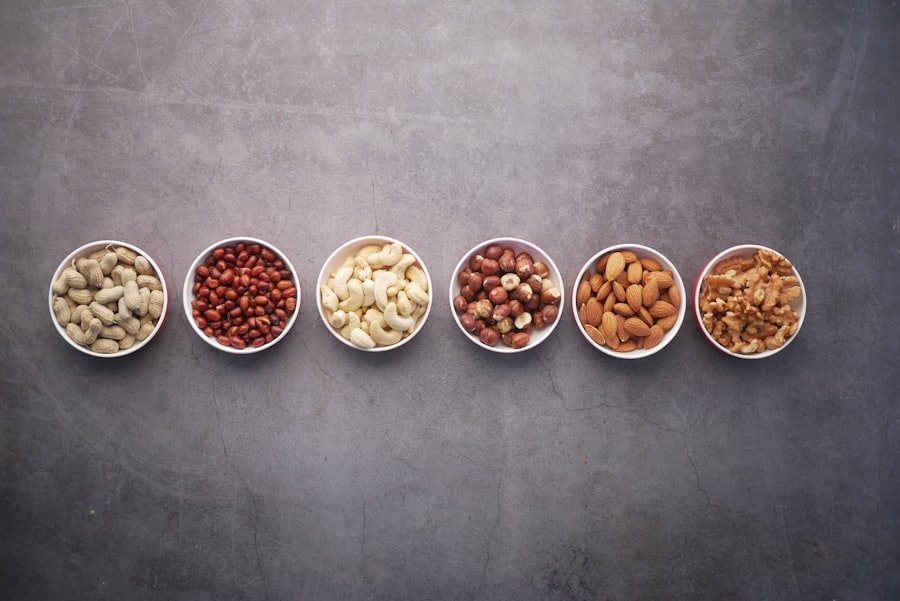
Determining the right amount of protein to consume on the keto diet can be a bit tricky, as individual needs vary based on factors such as age, activity level, and overall health goals. Generally speaking, a common recommendation is to aim for about 0.6 to 1.0 grams of protein per pound of lean body mass. This means that if you weigh 150 pounds and have a lean body mass of around 120 pounds, you would want to consume between 72 to 120 grams of protein daily.
It’s important to note that while protein is essential, consuming too much can potentially hinder your progress on the keto diet. Excess protein can be converted into glucose through a process called gluconeogenesis, which may kick you out of ketosis. Therefore, finding the right balance is key.
Monitoring your protein intake and adjusting it based on how your body responds can help you stay in ketosis while still reaping the benefits of adequate protein consumption.
Best Sources of Protein for Keto
When following a keto diet, choosing the right sources of protein is crucial for both nutritional value and maintaining ketosis. High-quality animal proteins are often favored in this dietary approach due to their complete amino acid profiles and low carbohydrate content. Options such as grass-fed beef, free-range chicken, wild-caught fish, and eggs are excellent choices that provide not only protein but also healthy fats and essential nutrients.
In addition to animal sources, there are also plant-based proteins that can fit into a keto lifestyle. Foods like tofu, tempeh, and certain nuts and seeds can provide protein while keeping carbohydrate levels low. However, it’s essential to be mindful of portion sizes with plant-based proteins, as they can sometimes contain higher amounts of carbs compared to their animal counterparts.
By incorporating a variety of these protein sources into your meals, you can ensure that you’re meeting your nutritional needs while enjoying a diverse and satisfying diet.
Protein and Ketosis
As you navigate the keto diet, understanding the relationship between protein and ketosis is vital for your success. While protein is necessary for various bodily functions, it’s important to remember that excessive intake can disrupt ketosis. When you consume more protein than your body needs, it can convert the surplus into glucose through gluconeogenesis, which may lead to elevated blood sugar levels and potentially kick you out of ketosis.
To maintain ketosis while ensuring adequate protein intake, focus on consuming moderate amounts of high-quality protein sources throughout the day. This approach allows you to support muscle maintenance and overall health without jeopardizing your state of ketosis. Monitoring your macronutrient ratios and adjusting your protein intake based on how your body responds will help you strike the right balance for optimal results.
Protein and Muscle Maintenance on Keto

One of the significant concerns when adopting a low-carb diet like keto is the potential loss of muscle mass due to reduced carbohydrate intake. Carbohydrates play a role in muscle recovery and energy during workouts; however, adequate protein consumption can help mitigate this risk. By ensuring that you consume enough protein while on the keto diet, you can support muscle maintenance and even promote muscle growth.
Incorporating resistance training into your routine alongside sufficient protein intake can further enhance muscle preservation during your keto journey. Engaging in strength training exercises helps stimulate muscle synthesis and counteracts any potential muscle loss associated with lower carbohydrate consumption. By prioritizing both protein and exercise, you can maintain a strong physique while enjoying the benefits of a ketogenic lifestyle.
Protein and Satiety on Keto
One of the appealing aspects of the keto diet is its ability to promote feelings of fullness and satiety. Protein plays a significant role in this process by influencing hormones that regulate hunger and appetite. When you consume adequate amounts of protein, it can help reduce ghrelin levels (the hunger hormone) while increasing levels of peptide YY (a hormone that promotes feelings of fullness).
This hormonal response can make it easier for you to manage cravings and stick to your dietary goals. Incorporating high-protein foods into your meals can enhance satiety even further. For instance, starting your day with a protein-rich breakfast or including a source of protein in every meal can help keep hunger at bay throughout the day.
By focusing on satisfying meals that include both healthy fats and adequate protein, you’ll find it easier to adhere to your keto lifestyle without feeling deprived.
Protein and Weight Loss on Keto
Weight loss is often one of the primary motivations for individuals adopting the keto diet. While reducing carbohydrates plays a significant role in this process, adequate protein intake is equally important for achieving sustainable weight loss results. Protein has a higher thermic effect compared to fats and carbohydrates, meaning that your body burns more calories digesting and metabolizing protein-rich foods.
Additionally, consuming sufficient protein can help preserve lean muscle mass during weight loss efforts. When you lose weight without adequate protein intake, there’s a risk of losing muscle along with fat. By prioritizing protein in your meals while following a ketogenic approach, you can support fat loss while maintaining muscle mass—leading to a healthier body composition overall.
Protein and Energy Levels on Keto
As you transition into a ketogenic lifestyle, you may experience fluctuations in energy levels as your body adapts to burning fat for fuel instead of carbohydrates. While some individuals report increased energy once they are fully adapted to ketosis, others may initially feel fatigued or sluggish during this transition period. Adequate protein intake can play a role in stabilizing energy levels throughout this process.
Protein-rich foods provide essential amino acids that support various bodily functions, including neurotransmitter production and hormone regulation—both of which are crucial for maintaining energy levels. By ensuring that you consume enough protein alongside healthy fats while minimizing carbohydrates, you can help support sustained energy throughout the day as your body adjusts to its new fuel source.
Protein and Ketogenic Supplements
In addition to whole food sources of protein, many individuals on the keto diet turn to supplements to help meet their nutritional needs. Protein powders—such as whey or collagen—can be convenient options for boosting your daily intake without adding excessive carbohydrates. These supplements can be particularly useful post-workout or as meal replacements when you’re short on time.
However, it’s essential to choose high-quality supplements that align with your dietary goals. Look for products that are low in carbohydrates and free from added sugars or fillers that could disrupt ketosis. Incorporating these supplements mindfully into your routine can help ensure that you’re meeting your protein needs while adhering to the principles of a ketogenic lifestyle.
Potential Risks of Consuming Too Much Protein on Keto
While protein is an essential component of the keto diet, it’s crucial to be aware of the potential risks associated with consuming too much. As mentioned earlier, excessive protein intake can lead to gluconeogenesis—where surplus amino acids are converted into glucose—potentially disrupting ketosis and hindering weight loss efforts. Additionally, overconsumption of protein may place unnecessary strain on your kidneys over time, especially if there are pre-existing health conditions involved.
It’s important to listen to your body and adjust your intake based on how you feel and how well you’re progressing toward your goals. Striking a balance between adequate protein consumption and maintaining ketosis will ultimately lead to better long-term results on your ketogenic journey. In conclusion, understanding the role of protein within the context of the keto diet is essential for achieving optimal health outcomes while navigating this unique dietary approach.
By focusing on quality sources of protein, monitoring your intake carefully, and balancing it with healthy fats and minimal carbohydrates, you can enjoy all the benefits that come with a well-rounded ketogenic lifestyle.
FAQs
What is a keto diet?
A keto diet is a low-carb, high-fat diet that involves reducing carbohydrate intake and replacing it with fat. This reduction in carbs puts the body into a metabolic state called ketosis, where the body becomes efficient at burning fat for energy.
Why is protein important on a keto diet?
Protein is important on a keto diet because it helps to maintain muscle mass, supports satiety, and aids in overall body function. It also plays a role in supporting the body’s metabolism and immune system.
How much protein should you consume on a keto diet?
The amount of protein needed on a keto diet can vary depending on individual factors such as age, weight, activity level, and overall health. However, a general guideline is to consume between 0.6 to 1.0 grams of protein per pound of body weight.
What are good sources of protein on a keto diet?
Good sources of protein on a keto diet include meat, poultry, fish, eggs, dairy products, and plant-based sources such as tofu and tempeh. It’s important to choose high-quality, nutrient-dense sources of protein to support overall health.
Can consuming too much protein kick you out of ketosis?
Consuming excessive amounts of protein can potentially kick you out of ketosis, as the body can convert excess protein into glucose through a process called gluconeogenesis. However, this is not a concern for most people unless they are consuming significantly more protein than their body needs.
Are there any risks associated with consuming too little protein on a keto diet?
Consuming too little protein on a keto diet can lead to muscle loss, impaired immune function, and overall weakness. It’s important to ensure that you are consuming an adequate amount of protein to support your body’s needs while following a keto diet.