Have you ever wondered how a ketogenic diet can affect your gallstones? It’s fascinating how our dietary choices can influence our overall health, and understanding the connection between the two may help you make informed choices.
Understanding Gallstones
Gallstones are small, hard deposits that form in the gallbladder, a tiny organ located beneath your liver. These stones can vary in size and are typically made of cholesterol or bilirubin. Many people are unaware they have gallstones, as they often don’t cause symptoms. However, when they do, they can lead to severe pain and digestive issues.
Types of Gallstones
There are mainly two types of gallstones:
-
Cholesterol Gallstones: These are the most common type, making up about 80% of all gallstones. They form when there’s too much cholesterol in the bile.
-
Pigment Gallstones: These are smaller and darker stones made from bilirubin. They are usually formed when there is excess bilirubin due to conditions like liver cirrhosis or hemolysis.
It’s essential to identify the type of gallstones you have since it can influence your dietary choices and treatment options.
The Ketogenic Diet Explained
The ketogenic diet, often simply referred to as “keto,” focuses on high-fat, low-carbohydrate intake. The typical macronutrient ratio for a ketogenic diet consists of about 70-75% fats, 20-25% protein, and only about 5-10% carbohydrates. This high-fat intake leads your body into a state called ketosis, where it burns fat for fuel instead of carbohydrates.
How the Ketogenic Diet Works
When you significantly reduce carbohydrates, your body begins to deplete its glycogen stores and shifts to fat as its primary energy source. During this process, the liver converts fats into ketones, which serve as an alternative energy source for the brain and other organs. Many people report weight loss, increased energy levels, and reduced hunger when following a ketogenic diet.
The Potential Connection Between Ketogenic Diet and Gallstones
Now that you have a basic understanding of gallstones and the ketogenic diet, let’s examine how one might influence the other.
Weight Loss and Gallstone Formation
Rapid weight loss is a known risk factor for gallstone formation. When you’re on a ketogenic diet, the quick reduction in carbohydrate intake often results in weight loss. This weight loss can lead to increased cholesterol saturation in bile, potentially causing gallstone development.
Effects of Rapid Weight Loss
- Increased Cholesterol Levels: As fat is metabolized, it can lead to higher levels of cholesterol in bile, raising the risk of cholesterol gallstones.
- Bile Saturation: A significant weight loss can concentrate bile, making it more likely to form stones.
Ketogenic Diet and Bile Composition
The ketogenic diet alters the way your body processes fats and bile. When you’re consuming a high-fat diet, your body produces more bile to help digest those fats. This increase in bile production changes its composition, which can either help prevent or contribute to gallstone formation.
Factors Influencing Bile Composition
-
Fatty Acids: A diet high in unsaturated fatty acids can result in healthier bile that is less likely to form stones.
-
Hormonal Balance: The ketogenic diet can affect hormones that regulate bile production, including cholecystokinin, which may have implications for gallstone formation.
Risk Factors for Developing Gallstones on a Ketogenic Diet
While the ketogenic diet can be beneficial for many, it’s essential to recognize the potential risk factors, especially if you have a history of gallstones or are concerned about developing them.
Personal and Dietary Factors
-
Family History: If you have family members with gallstones, your risk may be higher.
-
Pre-existing Conditions: Conditions like diabetes or obesity may also play a role in gallstone formation.
Monitoring Your Health on a Ketogenic Diet
If you choose to adopt a ketogenic diet, it’s crucial to monitor how your body responds, particularly concerning gallstone development. Being proactive can help you catch potential issues early.
Signs and Symptoms to Watch For
-
Abdominal Pain: Especially in the upper right quadrant, which may indicate gallstone complications.
-
Nausea or Vomiting: Feelings of nausea can accompany gallstone attacks.
-
Jaundice: Yellowing of the skin and eyes might indicate bile duct obstruction, a possible complication of gallstones.
The Role of Fats in a Ketogenic Diet
As fats are a significant part of the ketogenic diet, it’s important to know which types of fats are most beneficial and which may pose risks concerning gallstones.
Healthy Fats
Incorporating healthy fats is crucial for reaping the benefits of a ketogenic diet while minimizing gallstone risk.
Sources of Healthy Fats
-
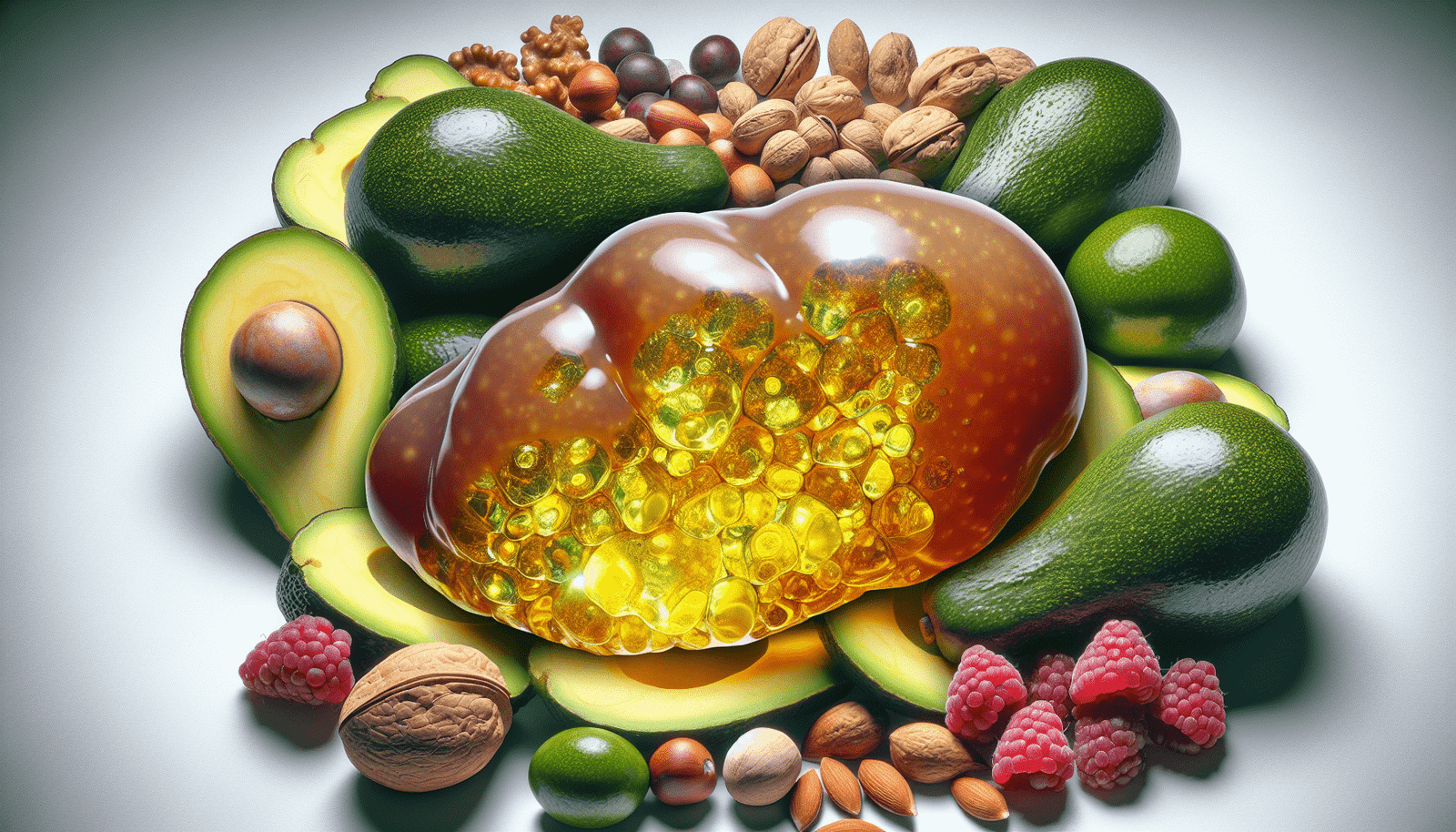
Monounsaturated Fats: Found in foods like avocados and olive oil, these fats can be beneficial for your health.
-
Omega-3 Fatty Acids: Foods like salmon, walnuts, and flaxseeds are excellent sources and can promote a healthier bile profile.
Fats to Avoid
Not all fats are created equal, and some may contribute to gallstone issues.
Types of Fats to Limit
-
Saturated Fats: Consuming too much saturated fat (found in butter and fatty meats) may impact cholesterol levels negatively.
-
Trans Fats: Often found in processed foods, these fats can adversely affect your overall health.
Balancing Your Fat Intake
Finding the right balance in your macronutrient ratios is important for maximizing the benefits of a ketogenic diet while minimizing gallstone risks.
Recommended Ratio for Fat Intake
| Type of Fat | Recommended Consumption |
|---|---|
| Monounsaturated Fats | 40% of total fats |
| Polyunsaturated Fats | 30% of total fats |
| Saturated Fats | 25% of total fats |
| Trans Fats | As low as possible |
Alternative Diets and Their Impact on Gallstones
While the ketogenic diet has gained popularity, it’s essential to consider how other diets might impact gallstones.
Traditional Low-Fat Diets
Low-fat diets have been recommended for many years to reduce the risk of gallstones. However, the effectiveness of such diets can vary based on individual health conditions.
Potential Benefits
-
Lower Cholesterol Intake: Reducing overall fat intake can help decrease blood cholesterol levels, impacting gallstone risk.
-
Balanced Nutrient Intake: These diets often encourage a higher intake of fruits, vegetables, and whole grains, providing additional fiber and nutrients beneficial for overall health.
Mediterranean Diet
The Mediterranean diet emphasizes healthy fats, primarily from olive oil, fish, nuts, and legumes, making it a good alternative to the ketogenic diet while still being beneficial for gallstone health.
Key Features
-
Rich in Fiber: High fiber intake aids in digestion and may lower cholesterol levels.
-
Healthy Fats: Focuses on unsaturated fats, which can promote gallbladder health.
Consulting Healthcare Professionals
If you’re considering a ketogenic diet or are experiencing gallstone-related symptoms, consulting with a healthcare professional is vital. They can provide personalized guidance based on your health history and dietary needs.
Importance of Professional Guidance
-
Dietary Monitoring: A registered dietitian can help tailor your macronutrient ratios to best suit your health needs.
-
Regular Check-ups: Keeping track of your gallbladder health through regular check-ups is crucial, especially on a high-fat diet.
Lifestyle Changes to Manage Gallstone Risk
In addition to dietary approaches, certain lifestyle changes can help manage gallstone risk.
Staying Hydrated
Proper hydration helps maintain healthy bile production and can assist in preventing gallstones. Drinking enough water throughout the day supports overall digestive health.
Regular Exercise
Engaging in regular physical activity can also lower the risk of gallstones by contributing to weight management and helping regulate cholesterol levels.
Concluding Thoughts
When it comes to gallstones, the impact of a ketogenic diet is multifaceted. While it can provide benefits in terms of weight loss and energy levels, it is crucial to approach this diet with caution if you’re at risk for gallstones.
Understanding the relationship between the foods you consume and how they affect your gallbladder is key to making the best decisions for your health. Keep in mind the types of fats you’re consuming, maintain a balanced diet, and monitor your body’s response closely.
Should you experience any symptoms related to gallstones while on the diet, don’t hesitate to reach out to a healthcare professional for advice tailored to your situation. Ultimately, prioritizing your health should always come first.