Are you a woman looking to start the keto diet? Look no further! This ultimate guide has got you covered. With detailed information tailored specifically for women, you’ll learn everything there is to know about the keto diet and how it can benefit you. From understanding the science behind ketosis to tips for dealing with common challenges women face on this diet, this article will be your go-to resource for a successful keto journey. Get ready to embrace a healthier, fitter you with the ultimate guide to the keto diet for women.
What is the Keto Diet?
Definition and Purpose
The Keto Diet, short for the ketogenic diet, is a low-carbohydrate, high-fat diet that is designed to induce a state of ketosis in the body. Ketosis is a metabolic state where the body uses fats, instead of glucose, as its primary source of energy. The main purpose of the Keto Diet is to trigger fat burning and promote weight loss, as well as provide numerous health benefits.
How Does It Work
The Keto Diet works by drastically reducing the intake of carbohydrates and replacing them with fats. When you consume fewer carbohydrates, your body enters a state of ketosis. In this state, your liver starts producing ketones from fatty acids, which are used as a fuel source by your body and brain. With limited carbohydrates available, your body taps into its fat stores, leading to weight loss.
Benefits of the Keto Diet
The Keto Diet offers numerous benefits beyond weight loss. By stabilizing blood sugar levels, it can help manage conditions like diabetes. It also has positive effects on heart health, by reducing triglyceride levels and increasing good cholesterol. Some studies suggest that the Keto Diet may even have neuroprotective properties, potentially benefiting individuals with epilepsy, Alzheimer’s disease, or Parkinson’s disease. Additionally, the Keto Diet can improve energy levels, mental clarity, and overall well-being.
Getting Started with the Keto Diet
Consulting with Your Doctor
Before embarking on any diet or lifestyle change, it is essential to consult with your healthcare provider, especially if you have any underlying health conditions or are taking medication. Your doctor can assess if the Keto Diet is suitable for you and provide guidance on how to follow it safely.
Understanding Macros
Macros, short for macronutrients, are the three main components of the Keto Diet: fats, proteins, and carbohydrates. To effectively follow the Keto Diet, it is crucial to understand the recommended macro ratios. Typically, a standard Keto Diet consists of 70-75% of calories from fats, 20-25% from proteins, and 5-10% from carbohydrates.
Planning Your Meals and Snacks
Meal planning is key to success on the Keto Diet. Start by creating a list of keto-friendly foods and ingredients. Focus on incorporating healthy fats, quality proteins, and low-carb vegetables into your meals. Plan your meals and snacks for the week ahead, ensuring that they adhere to the keto macros. Preparing meals in advance and having keto-friendly snacks readily available will make it easier to stick to the diet and avoid temptation.
Adjusting to the Keto Diet
Keto Flu
During the initial phase of starting the Keto Diet, many individuals experience what is known as the “keto flu.” It is a collection of symptoms that can include fatigue, irritability, headaches, and nausea. These symptoms occur as your body adapts to using fats as its primary fuel source. Fortunately, the keto flu is usually temporary and can be minimized by staying hydrated, consuming enough electrolytes, and gradually reducing carbohydrate intake.
Managing Cravings
One of the challenges of the Keto Diet is managing cravings for carbohydrates. To overcome this, it is essential to have a variety of keto-friendly snacks available. Healthy fats and proteins, such as nuts, avocados, and cheese, can help satisfy cravings and keep you feeling full. It is also important to focus on the positive changes that the Keto Diet brings, such as increased energy and improvements in overall health, to stay motivated and committed.
Tracking Progress and Adjustments
To stay on track and optimize your results, keep track of your progress on the Keto Diet. This can include monitoring your weight, body measurements, and energy levels. Adjust your macros if necessary, depending on your individual goals and how your body responds. Everyone’s journey on the Keto Diet is unique, so it’s crucial to listen to your body and make adjustments accordingly.
Keto-Friendly Foods for Women
Healthy Fats
Healthy fats are a fundamental part of the Keto Diet. They provide satiety, support hormone production, and are a valuable source of energy. Include foods like avocados, olive oil, coconut oil, nuts, and seeds in your diet. These fats not only help keep you feeling full but also provide essential nutrients like omega-3 fatty acids and antioxidants.
Quality Proteins
Protein is essential for muscle growth, repair, and overall health. Choose high-quality protein sources such as fish, poultry, eggs, and grass-fed or organic meat. Including an adequate amount of protein in your meals will help you maintain muscle mass and keep you satisfied throughout the day.
Low-Carb Vegetables and Fruits
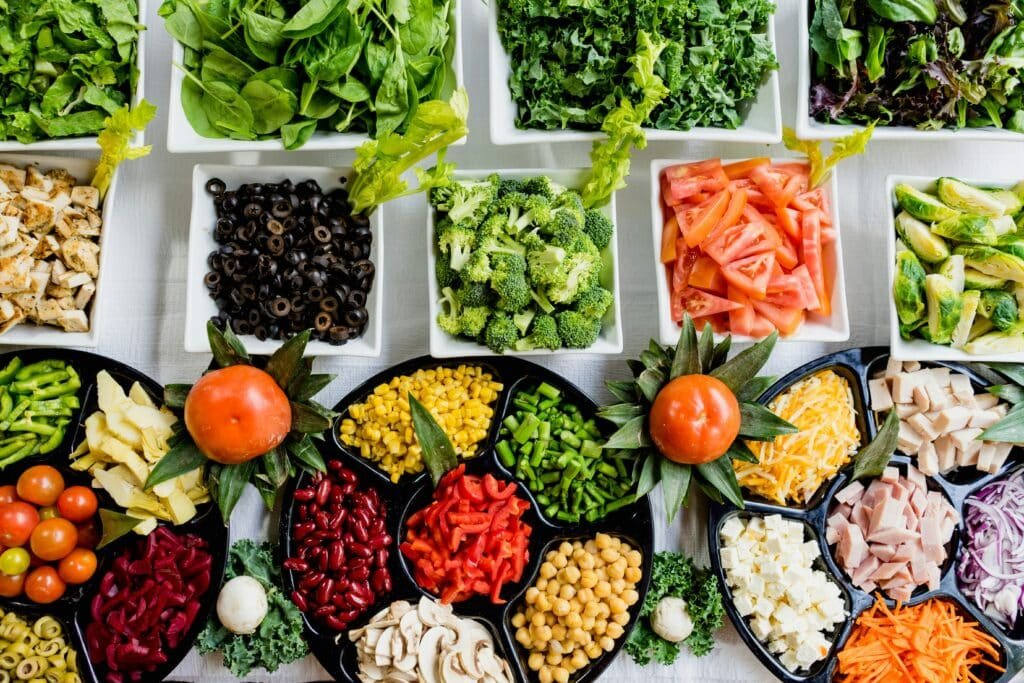
While the Keto Diet restricts carbohydrates, there are still plenty of low-carb vegetables and fruits that can be enjoyed. Leafy greens, broccoli, cauliflower, zucchini, and berries are all great options. These foods are rich in fiber, vitamins, and minerals, and can add variety and nutrients to your meals while keeping carbohydrate intake in check.

Meal Planning for the Keto Diet
Creating a Meal Plan
Creating a meal plan is an essential part of successfully following the Keto Diet. Start by incorporating your favorite keto-friendly recipes and dishes into your plan. Focus on building meals around healthy fats, quality proteins, and low-carb vegetables. Consider preparing larger batches of meals to save time and ensure you always have a keto-friendly option available.
Easy and Quick Keto Recipes
If you’re short on time, there are plenty of easy and quick keto recipes to choose from. Options such as scrambled eggs with avocado, grilled chicken with roasted vegetables, or a salad with tuna and olive oil dressing can be prepared in minutes. There are also many online resources and cookbooks dedicated to ketogenic recipes that can provide inspiration and guidance.
Meal Preparation Tips
To make sticking to the Keto Diet easier, consider meal prepping. Spend a few hours each week preparing and portioning out meals and snacks. This can include chopping vegetables, grilling chicken, and boiling eggs. Having these items ready to go will save you time and ensure you have keto-friendly options available when hunger strikes.
Keto Diet for Hormonal Balance
Impact on Hormones
The Keto Diet can have a significant impact on hormonal balance in women. By reducing carbohydrate intake, it helps regulate insulin levels, which can improve hormonal imbalances such as polycystic ovary syndrome (PCOS). The diet’s high-fat content also supports hormone production and can help alleviate symptoms associated with hormonal fluctuations.
Managing Menstrual Cycle
Some women may experience changes in their menstrual cycle when following the Keto Diet. This can include shorter or longer cycles, changes in flow, or even missing periods. These changes are usually temporary and can be attributed to the body adjusting to the shift in macronutrient intake. If you have concerns about your menstrual cycle, it is recommended to consult with a healthcare provider.
Supporting Thyroid Function
The Keto Diet can support thyroid function by reducing inflammation and stabilizing blood sugar levels. However, it is crucial to ensure you are getting enough iodine, zinc, and selenium, as these are essential nutrients for proper thyroid function. Include foods like seaweed, seafood, eggs, and Brazil nuts in your diet to support thyroid health.

Keto Diet and Weight Loss
Effectiveness for Weight Loss
The Keto Diet is known for its effectiveness when it comes to weight loss. By reducing carbohydrate intake and promoting the utilization of fats for energy, the diet can lead to significant weight loss results. In addition to shedding excess pounds, many individuals on the Keto Diet also experience a reduction in body fat percentage and an increase in lean muscle mass.
Understanding Plateaus
While the Keto Diet can be highly effective for weight loss, it is common to experience plateaus. Plateaus occur when weight loss stalls for a period of time. This can be frustrating, but it is essential to remember that plateaus are a natural part of the weight loss journey. Sticking to the diet, adjusting macros if necessary, and incorporating exercise can help overcome plateaus and continue progressing towards your goals.
Combining Keto with Exercise
Although weight loss is possible on the Keto Diet alone, incorporating regular exercise into your routine can enhance your results. Exercise not only increases calorie burning but also promotes muscle growth and overall fitness. Choose activities that you enjoy, such as walking, cycling, or strength training, and aim for a combination of cardiovascular exercise and strength training for optimal results.
Possible Challenges on the Keto Diet
Social Situations and Eating Out
One of the challenges of the Keto Diet is navigating social situations and eating out. However, with a little planning and preparation, it is possible to stay on track. When dining out, focus on keto-friendly options such as salads with protein or grilled meats and vegetables. You can also opt for social activities that don’t revolve around food, or offer to bring a keto-friendly dish to gatherings to ensure you have something suitable to eat.
Traveling on Keto
Traveling can be challenging when following the Keto Diet, but it is not impossible. Research keto-friendly options at your destination ahead of time and pack snacks for the journey. It’s also a good idea to bring supplements and electrolyte powders to maintain your nutrient intake. If you’re unsure about the availability of suitable options, consider preparing and packing your own meals to ensure you stay in ketosis while away from home.
Long-Term Sustainability
One concern often raised about the Keto Diet is its long-term sustainability. While it is possible to follow the Keto Diet long-term, it’s important to ensure you are maintaining a balanced and varied diet. Regularly assess your health, energy levels, and overall well-being. If you find it difficult to adhere to the diet or experience any negative effects, it may be beneficial to consider alternative dietary approaches that suit your individual needs and goals.
Potential Side Effects and Risks
Ketoacidosis
Ketoacidosis is a serious condition that typically occurs in individuals with type 1 diabetes, not those on the Keto Diet. It is important to note that ketosis, the metabolic state induced by the Keto Diet, is different from ketoacidosis. Ketoacidosis is characterized by dangerously high levels of ketones and acidic blood pH. However, for individuals without diabetes, the Keto Diet is considered safe and does not lead to ketoacidosis.
Gut Health
The Keto Diet may impact gut health, as it limits the intake of fiber-rich foods. Fiber is essential for maintaining a healthy gut microbiome and promoting regular bowel movements. To support gut health while following the Keto Diet, incorporate low-carb, high-fiber foods like chia seeds, flaxseeds, and leafy greens into your meals. You can also consider supplementing with a high-quality probiotic to support a healthy gut flora.
Electrolyte Imbalance
When following the Keto Diet, there is an increased risk of electrolyte imbalances due to the diuretic effect of ketosis. It is important to ensure adequate intake of electrolytes like sodium, potassium, and magnesium. You can achieve this by incorporating electrolyte-rich foods such as avocados, spinach, and salmon into your diet, or by using electrolyte supplements. Regularly monitor your electrolyte levels and consult with a healthcare provider if you experience any symptoms of deficiency or imbalance.
Supplements and Intermittent Fasting
Recommended Supplements
While the Keto Diet can provide many essential nutrients, some individuals may benefit from specific supplements. Common supplements recommended for those on the Keto Diet include omega-3 fatty acids, vitamin D, magnesium, and a high-quality multivitamin. It’s important to note that supplements should not replace a well-rounded diet, but rather serve as a complement to ensure optimal nutrient intake.
Intermittent Fasting and Keto
Intermittent fasting is a dietary pattern that involves alternating between periods of fasting and eating. When combined with the Keto Diet, intermittent fasting can enhance the effects of ketosis and promote weight loss. It can also have numerous other health benefits, such as improved insulin sensitivity and autophagy. However, it’s important to approach intermittent fasting with caution and listen to your body’s hunger and fullness cues.
Tips for Successful Fasting
If you choose to incorporate intermittent fasting into your Keto Diet routine, there are some tips that can help make it successful. Start with shorter fasting periods and gradually increase the duration as your body adapts. Stay hydrated during fasting periods, and break your fast with a balanced meal that includes healthy fats, proteins, and low-carb vegetables. Be mindful of how your body responds to fasting and adjust accordingly to ensure it is a sustainable and healthy practice for you.
In conclusion, the Keto Diet is a low-carbohydrate, high-fat diet that can offer numerous benefits for women. By understanding the principles behind the diet, planning meals carefully, and staying mindful of your body, you can successfully embark on a ketogenic journey. Remember to consult with your healthcare provider before starting any new diet, especially if you have any underlying health conditions. With dedication and proper guidance, the Keto Diet can be a valuable tool in achieving weight loss, hormonal balance, and overall health and well-being.