Have you ever wondered how a specific diet can change not just your body, but also your mind? Many people are talking about the ketogenic diet, or keto for short, which is recognized for its unique approach to weight loss and overall health. Understanding the principles behind this diet can be incredibly beneficial for anyone looking to make a shift in their eating habits.

What is the Ketogenic Diet?
The ketogenic diet is a high-fat, low-carbohydrate eating plan designed to shift your body into a metabolic state called ketosis. When you consume minimal carbohydrates, your body becomes highly efficient at burning fat for energy. Instead of relying primarily on glucose from carbohydrates, your body begins to utilize fat as its main fuel source.
Keto isn’t just a fad; many people have seen transformative results. It can help you lose weight, improve mental clarity, and even regulate certain health conditions. However, understanding the balance of nutrients remains crucial for achieving these benefits.
The Basics of Macronutrients
When discussing the ketogenic diet, it’s essential to know about macronutrients—specifically, fats, proteins, and carbohydrates. Here’s how they breakdown on a keto diet:
| Macronutrient | Percentage in Keto Diet | Examples |
|---|---|---|
| Fats | 70-75% | Avocados, nuts, oils |
| Protein | 20-25% | Meat, fish, eggs |
| Carbohydrates | 5-10% | Leafy greens, berries |
The majority of your caloric intake will come from healthy fats, followed by a moderate amount of protein, and a very limited amount of carbohydrates. Making sure you are consuming the right ratios is key to achieving and maintaining ketosis.
How Does Ketosis Work?
When you significantly reduce your carbohydrate intake, your body will exhaust its stored glycogen over time. Once this happens, it begins to break down fats into ketones—a process that occurs in the liver. These ketones then serve as an alternative fuel source for your brain and body.
Entering ketosis can take anywhere from a few days to a couple of weeks, depending on your previous carbohydrate intake. One of the most common signs that you’ve reached this state is a heightened level of energy, often referred to as the “keto energy boost.”
Symptoms of Ketosis
While transitioning into ketosis can be exciting, it may come along with some challenges, commonly known as the “keto flu.” Here are some symptoms to watch out for:
- Fatigue
- Irritability
- Headaches
- Nausea
- Dizziness
These symptoms typically subside within a week or so as your body adapts to burning fat for fuel. Staying hydrated and balancing your electrolyte intake can significantly ease your transition.

Starting the Ketogenic Diet
As a beginner, it’s crucial to approach the ketogenic diet with careful planning. Since your carbohydrate intake will be restricted, here are some steps to help you get started on the right foot.
Keep a Food Diary
A food diary can be invaluable in the early stages. Record everything you eat and track your macronutrient intake. This will not only make you more aware of what you are putting into your body but will also provide insight into how certain foods affect your energy levels and overall wellbeing.
Meal Planning
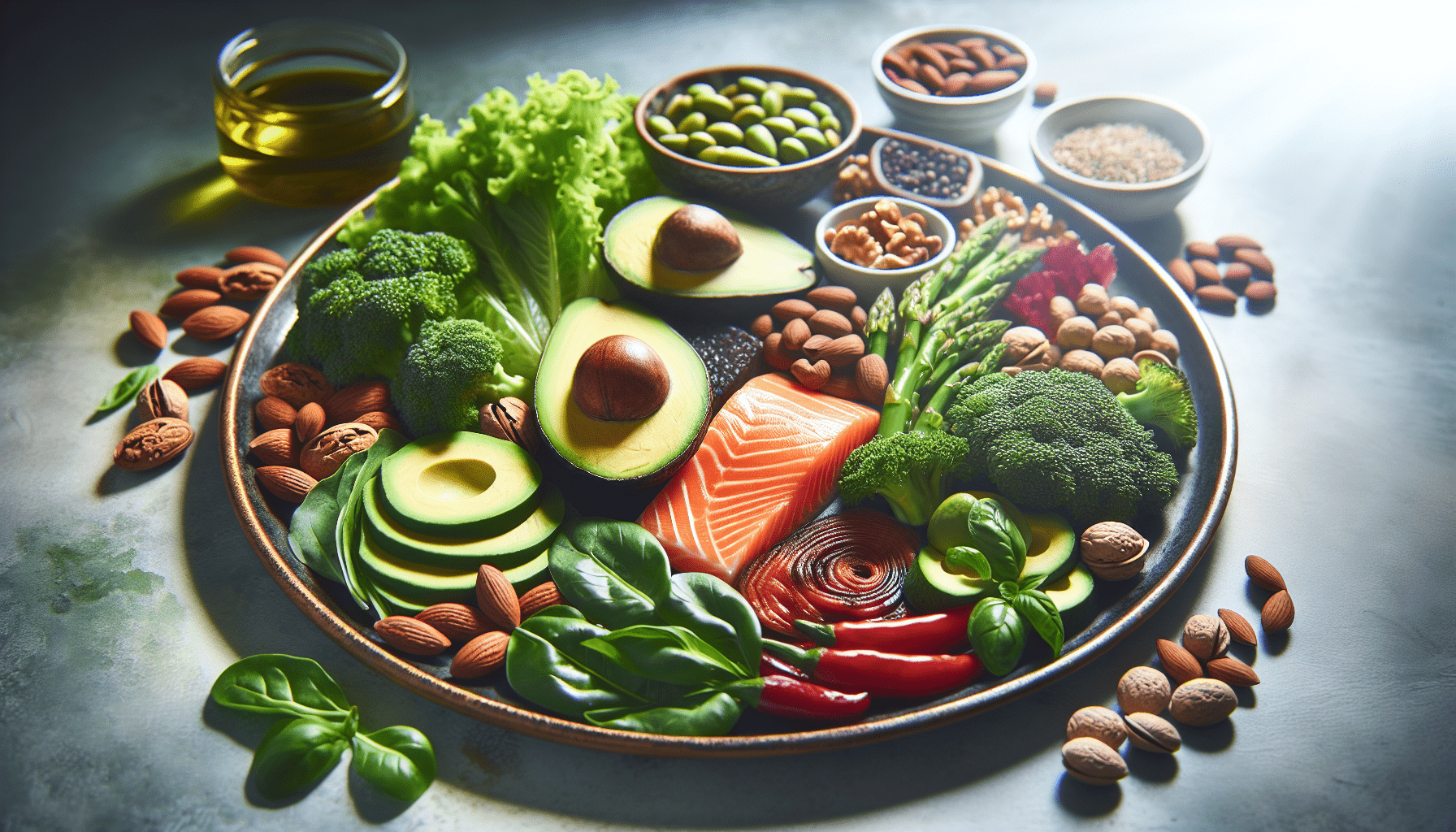
Planning your meals ahead of time will help prevent impulsive decisions that might lead you to consume foods high in carbohydrates. Here are some examples of foods you should focus on:
| Food Group | Keto-Friendly Options |
|---|---|
| Proteins | Grass-fed meat, chicken, fish |
| Dairy | Full-fat cheese, heavy cream |
| Vegetables | Spinach, broccoli, zucchini |
| Fats | Olive oil, coconut oil, nuts |
Creating a weekly meal plan and a shopping list can help ensure that you have the right foods on hand.
Hydration is Key
One common mistake beginners make is neglecting hydration. As you start the ketogenic diet, your body releases stored water and can lead to a loss of electrolytes. Make sure you are drinking plenty of water and consider adding an electrolyte supplement to keep your levels balanced.
Fruits and Vegetables on a Ketogenic Diet
While fruits and vegetables are usually healthy options, their carbohydrate content can vary widely. It’s vital to choose low-carb options if you want to stay in ketosis.
Low-Carb Vegetables
Not all vegetables are created equal when it comes to the ketogenic diet. Here are some that are low in carbs and high in nutrients:
- Spinach
- Kale
- Broccoli
- Cauliflower
- Bell peppers
These vegetables can be used in salads, stir-fries, or as side dishes, providing you with essential vitamins and minerals without knocking you out of ketosis.
Fruits to Consider
Most fruits are higher in sugar and thus carbohydrates, but some are keto-friendly. For your snacking pleasure, consider:
- Berries (strawberries, raspberries, blackberries)
- Lemons
- Limes
- Avocado (yes, it’s technically a fruit!)
These choices can add flavor and variety to your diet while still keeping you within your carb limits.

Potential Benefits of the Ketogenic Diet
As you get accustomed to the ketogenic lifestyle, you might start to notice a variety of benefits. Here are some the keto diet has to offer:
Weight Loss
For many, weight loss is the primary goal of adopting a ketogenic diet. By eliminating sugar and carbs, you are likely to experience rapid weight loss as your body burns stored fat.
Enhanced Mental Clarity
Many adherents to the keto diet report improved mental clarity and focus. This increased sharpness can be attributed to the consistent supply of ketones to the brain, unlike the fluctuations encountered with carbs.
Regulating Blood Sugar
For those managing insulin resistance or type 2 diabetes, the ketogenic diet can be a game-changer. By consuming fewer carbs, you can avoid the rollercoaster of glucose spikes and crashes.
Common Challenges and Solutions
Every journey has its challenges, and the ketogenic diet is no different. Here are common hurdles you may face and some solutions to help you overcome them.
Cravings for Carbs
Initially, you might experience strong cravings for carbohydrates, especially if you are accustomed to a high-carb diet.
Solution: Incorporate plenty of healthy fats, such as nuts or coconut oil. These can satiate your hunger and help keep your energy levels stable.
Social Situations
Dining out or attending social gatherings can pose challenges while sticking to a ketogenic diet.
Solution: Consider researching menus beforehand, don’t hesitate to ask servers about modifications, or simply bring your food if needed. Being prepared can make these situations less daunting.
Sticking to the Plan
It can sometimes feel overwhelming to maintain the diet, especially in the beginning.
Solution: Remember that you are on a journey. It’s okay to have occasional slip-ups. The key is to brush it off and get back on track as soon as possible.
Sample Meal Plan for a Week
Creating a meal plan can make your ketogenic journey smoother. Here’s a sample plan to get you started.
Day 1
- Breakfast: Scrambled eggs with spinach and avocado
- Lunch: Grilled chicken salad with olive oil dressing
- Dinner: Salmon with garlic butter and asparagus
Day 2
- Breakfast: Greek yogurt topped with berries
- Lunch: Zucchini noodles with pesto and shrimp
- Dinner: Beef stir-fry with bell peppers
Day 3
- Breakfast: Smoothie with coconut milk, spinach, and protein powder
- Lunch: Egg salad wrapped in lettuce leaves
- Dinner: Pork chops with cauliflower mash
Day 4
- Breakfast: Omelet with feta cheese and olives
- Lunch: Tuna salad with avocado and arugula
- Dinner: Chicken thighs with broccoli
Day 5
- Breakfast: Chia seed pudding with almond milk
- Lunch: Shrimp Caesar salad (no croutons)
- Dinner: Eggplant lasagna
Day 6
- Breakfast: Breakfast casserole with eggs, cheese, and bacon
- Lunch: Beef taco salad (use crushed avocados instead of chips)
- Dinner: Lamb chops with roasted Brussels sprouts
Day 7
- Breakfast: Coconut flour pancakes with sugar-free syrup
- Lunch: Grilled veggie kebabs with halloumi cheese
- Dinner: Shrimp scampi with zucchini noodles
Conclusion
Understanding the ketogenic diet requires some research and planning, but it can be an incredibly rewarding experience. As you embark on this journey, keep in mind the importance of staying informed and adaptable. You’ll likely face challenges along the way, but with commitment and a positive outlook, you can achieve your health and wellness goals.
As you begin to embrace this high-fat, low-carb lifestyle, remember to approach it with kindness to yourself. The journey to becoming healthier is not always linear, and that’s perfectly okay. Each step you take can lead to a brighter, fitter future!