
Have you ever wondered how a specific diet can impact epilepsy management? If you’re seeking information on how the ketogenic diet can play a role in controlling seizures, this article is for you.

What is the Ketogenic Diet?
The ketogenic diet, often referred to simply as “keto,” is a high-fat, low-carbohydrate eating plan. The primary goal of this diet is to transition your body from using glucose as its main energy source to utilizing ketones, which are produced when your body breaks down fats. For individuals with epilepsy, this shift can have significant effects on seizure frequency and severity.
How the Ketogenic Diet Works
At its core, the ketogenic diet works by drastically reducing your carbohydrate intake while increasing your fat intake. This reduction in carbs results in a metabolic state known as ketosis, where your body becomes more efficient at burning fat for energy.
When your body enters ketosis, your liver metabolizes fatty acids to produce ketones. These ketones then serve as an alternative energy source for your brain, which can be particularly beneficial for those suffering from epilepsy.
The History of the Ketogenic Diet in Epilepsy Treatment
The ketogenic diet was originally developed in the 1920s as a treatment for epilepsy. Researchers found that fasting could lead to fewer seizures, and this prompted the creation of the ketogenic diet as a more sustainable option. While the medicine available at that time was limited, the diet provided an alternative that has persisted into modern times.
Initial Research
In early studies, many children with epilepsy saw significant improvements as a result of following a ketogenic diet. Parents and doctors reported that the frequency and intensity of seizures decreased markedly, leading to an increased quality of life. These early success stories led to further research into the diet’s mechanisms and applications.
Growth in Popularity
As research accumulated, the ketogenic diet gained popularity not just within the epilepsy community but also among people looking to lose weight. It became known for its fat-burning potential and its ability to curb cravings. However, its foundational role in managing epilepsy remains significant.

Types of Ketogenic Diets
Not all ketogenic diets are created equal. There are various types of ketogenic diets, each designed to cater to different preferences and medical needs. Let’s explore a few of the most common types:
Standard Ketogenic Diet (SKD)
The Standard Ketogenic Diet is the most commonly used form of the diet. It consists of approximately 75% fat, 20% protein, and only 5% carbohydrates. This strict macronutrient ratio helps to induce and maintain ketosis effectively.
Targeted Ketogenic Diet (TKD)
The Targeted Ketogenic Diet allows for some additional carbohydrate intake around workouts. This variation is suitable for individuals who are physically active and may require more fuel for their exercises while still aiming to maintain ketosis during the rest of the day.
Cyclical Ketogenic Diet (CKD)
The Cyclical Ketogenic Diet involves alternating periods of strict ketogenic eating with periods of higher carbohydrate intake. This method may suit athletes or individuals who experience trouble adhering to a strict keto menu long-term.
High-Protein Ketogenic Diet
The High-Protein Ketogenic Diet includes higher protein levels while maintaining the ratios of fats and carbohydrates. This type is closer to a typical low-carb diet and may be appealing to those who enjoy protein-rich foods.
Benefits of the Ketogenic Diet for Epilepsy
The ketogenic diet has been studied extensively for its potential benefits in managing epilepsy. Here are some of the key advantages:
Seizure Reduction
Many studies have shown that individuals following a ketogenic diet can experience a significant reduction in seizure frequency. For some, this can mean a complete cessation of seizures, which can drastically improve their quality of life.
Improved Mental Clarity
In addition to controlling seizures, many people on the ketogenic diet report enhanced cognitive abilities and improved mental focus. This is believed to be linked to the brain utilizing ketones efficiently as a fuel source.
Better Mood Stabilization
Some studies have suggested that the ketogenic diet can help stabilize mood and reduce anxiety or depressive symptoms in individuals with epilepsy. This can be particularly beneficial for those who struggle with the emotional impact of living with a seizure disorder.
Weight Management
The ketogenic diet is also known for its ability to promote weight loss and control, which can be a concern for some individuals with epilepsy who may be on medications that lead to weight gain.
Considerations Before Starting the Ketogenic Diet
Before embarking on the ketogenic diet, there are several important factors to consider. This is especially critical for individuals with epilepsy, as lifestyle changes can significantly impact their health and seizure management.
Medical Supervision
Always consult with a healthcare professional before starting the ketogenic diet or making any significant changes to your diet. Your doctor or a registered dietitian can help develop a plan that works best for your specific needs and monitor your progress.
Understanding Nutritional Balance
It’s important to ensure that your ketogenic diet includes a variety of foods to meet your nutritional needs. Focusing solely on fat is not the best approach. Incorporating nutrient-dense foods will support overall health and help mitigate potential deficiencies.
Monitoring Seizure Activity
When starting the ketogenic diet, it’s essential to keep a seizure diary. Tracking your seizure activity can help you and your healthcare provider understand how the diet impacts your condition. This will give valuable insights into necessary adjustments along your dietary journey.
Potential Side Effects
As your body adjusts to the new diet, you may experience side effects, commonly referred to as the “keto flu.” Symptoms can include fatigue, headaches, irritability, and gastrointestinal issues. These symptoms typically resolve as your body adapts to ketosis.
Foods to Include in a Ketogenic Diet for Epilepsy
Choosing the right foods is essential when following a ketogenic diet. Below is a list of recommended foods to include in your meal planning:
| Food Group | Examples |
|---|---|
| Fats | Avocados, oils (olive, coconut), nuts, seeds |
| Proteins | Eggs, fatty fish (salmon, mackerel), meat (beef, pork) |
| Vegetables | Leafy greens (spinach, kale), broccoli, cauliflower |
| Dairy | Cheese, butter, heavy cream |
Suggested Meals
- Breakfast: Scrambled eggs cooked in butter with spinach
- Lunch: Grilled chicken salad with olive oil and avocado
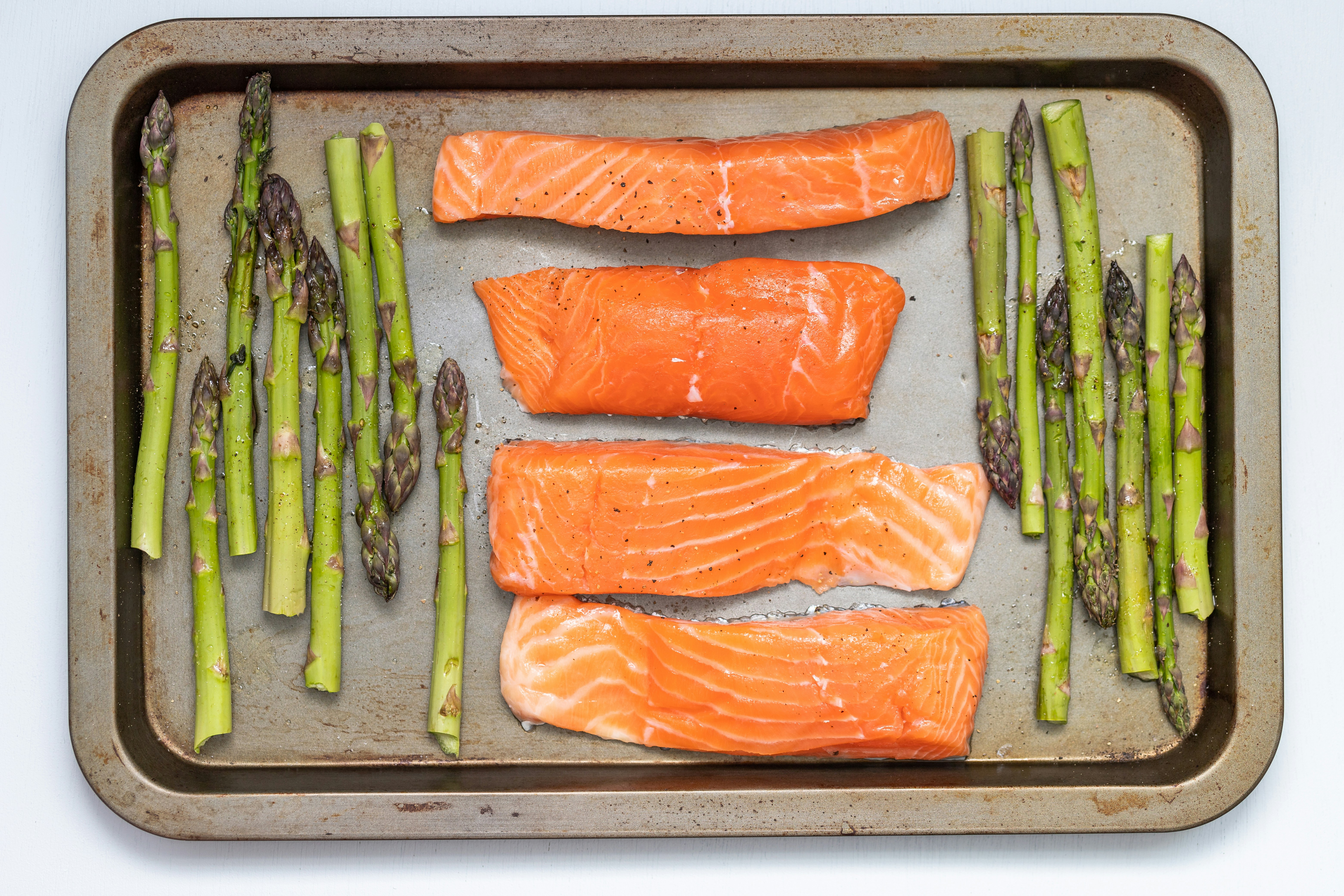
- Dinner: Baked salmon with steamed broccoli drizzled with lemon butter
- Snacks: Almonds, cheese slices, or a small serving of full-fat Greek yogurt

Foods to Avoid on a Ketogenic Diet for Epilepsy
Being aware of foods to limit or avoid is equally important. Avoiding these foods can help maintain the state of ketosis and manage seizure activity effectively:
| Food Group | Examples |
|---|---|
| Sugars | Sweets, candy, cakes, cookies |
| Grains | Bread, pasta, rice |
| Starchy Vegetables | Potatoes, corn, peas |
| High-Carb Fruits | Bananas, apples, oranges |
Adjusting to the Ketogenic Lifestyle
Transitioning to a ketogenic lifestyle can take some time and patience. Here are a few tips to ease the shift:
Start Gradually
If jumping straight into a ketogenic diet feels overwhelming, consider easing into it. Gradually reduce your carbohydrate intake while increasing healthy fats, allowing your body to adapt more comfortably.
Plan Your Meals
Meal planning is crucial for staying on track with a ketogenic diet. Preparing meals ahead of time helps you avoid the temptation of convenient but non-keto options.
Prioritize Whole Foods
Focus on whole, unprocessed foods as much as possible. These are typically lower in carbs and higher in nutrients, making them a better choice for your ketogenic meal plan.
Stay Hydrated
Hydration is key during this transition. Drink plenty of water to help stave off the keto flu and to support overall body functions.
Find Support
Connecting with others on similar journeys can be a great motivator. Whether it’s joining a support group or finding online communities, sharing experiences and tips can help you stay committed.

Monitoring Your Progress on the Ketogenic Diet
Monitoring your progress is essential to ensuring that the ketogenic diet is working for you and your epilepsy management. Here are ways to keep track:
Keep a Journal
Maintaining a journal of your food intake, seizure activities, and any changes in how you feel can provide valuable insights. It helps identify patterns and can be a great tool during doctor appointments.
Regular Check-Ins with Your Healthcare Provider
Schedule regular check-ins with your doctor to assess the effects of the diet on your seizure activity and overall health. This is also an opportunity to adjust your diet as needed.
Blood Tests
Depending on your specific situation, your healthcare provider may recommend blood tests to monitor ketone levels and ensure your body is functioning well on the diet.
Long-Term Considerations of the Ketogenic Diet
While many individuals with epilepsy see positive results from the ketogenic diet, it’s crucial to think about the long-term implications:
Understanding Individual Variability
Every person’s body reacts differently to dietary changes. What works wonders for one individual may not yield the same results for another. Maintain open communication with your healthcare provider to address any concerns.
Sustainability
Consider how sustainable the ketogenic diet is for you. If it feels too restrictive or leads to excess food anxiety, it might be beneficial to discuss alternative diets or modifications with a nutritionist.
Psychological Considerations
The mental aspect of following the ketogenic diet should not be overlooked. If you find that the diet contributes to increased stress or an unhealthy relationship with food, it may be worthwhile to reassess your approach.
Conclusion
Understanding the ketogenic diet and its potential role in managing epilepsy can be immensely beneficial for you or someone you care about. While many individuals experience improved seizure control and overall well-being, it’s essential to approach this dietary change with care, support, and professional guidance.
As you consider whether this diet is right for you, remember that every journey is unique. Stay informed, be patient with yourself, and reach out for help when needed. You are taking an important step towards better management of epilepsy through dietary choices.





