Have you ever wondered how your diet can affect your cholesterol levels?
You might have heard a lot about the Keto diet recently, with its promise of quick weight loss and increased energy. But when it comes to cholesterol, the relationship can be a bit complex. Let’s unpack this together so you can make informed decisions about your health.
What is the Keto Diet?
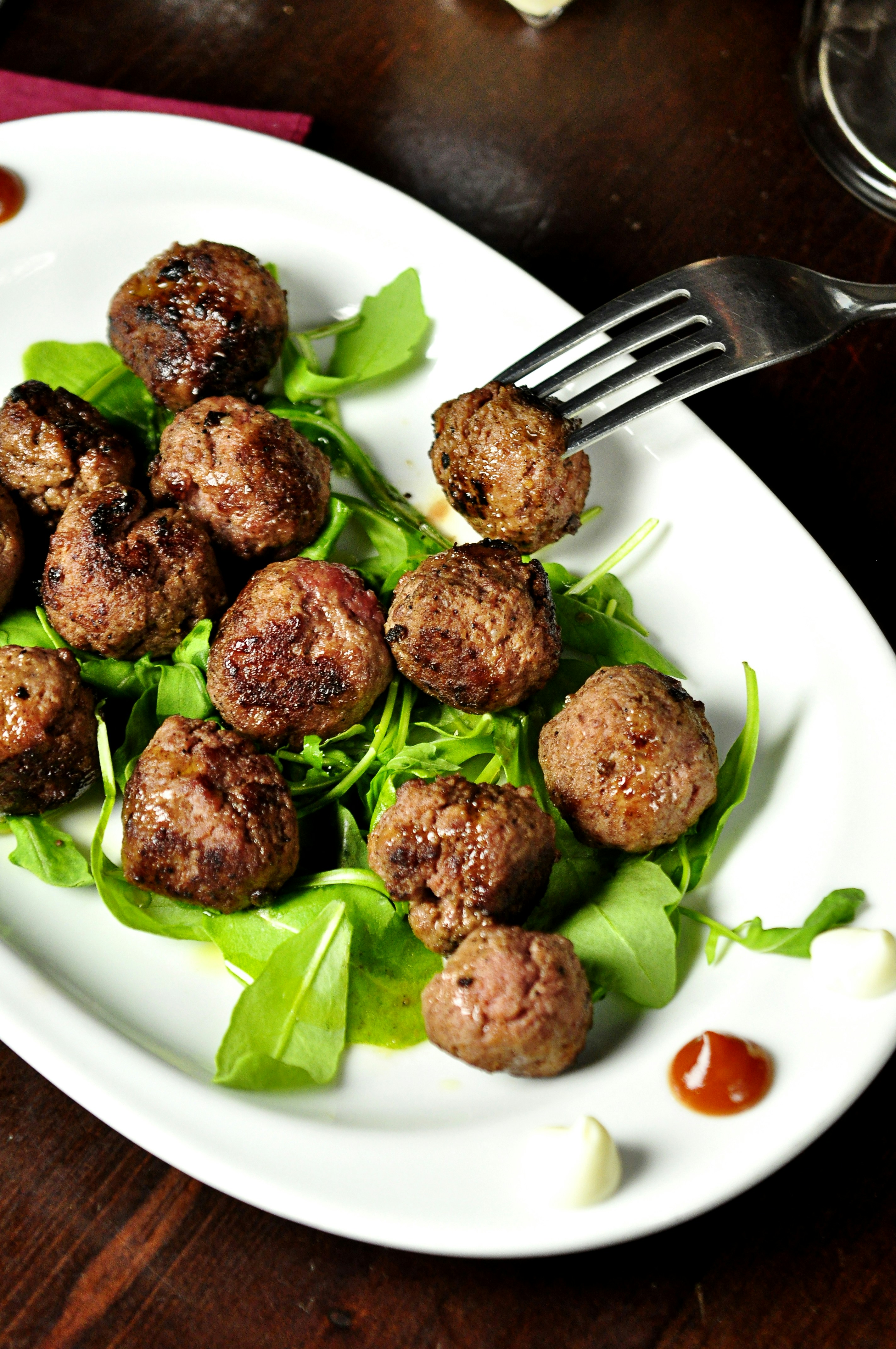
The Keto diet is primarily a high-fat, low-carbohydrate eating plan. By drastically reducing carbohydrate intake and replacing it with fat, your body enters a metabolic state known as ketosis. In this state, your body becomes incredibly efficient at burning fat for energy, which can lead to significant weight loss and improved mental clarity.
How Does the Keto Diet Work?
When you consume fewer carbs, your body is forced to find alternative fuel sources. As carbohydrates are lowered, your liver begins converting fat into ketones, which then serve as your primary fuel source. This shift not only helps in weight loss but can also affect various biochemical markers in your body, including cholesterol levels.
Understanding Cholesterol
Cholesterol is a waxy substance found in your blood, essential for building healthy cells. However, having high levels of cholesterol can increase your risk of heart disease. There are two main types of cholesterol you should be aware of:
LDL vs. HDL Cholesterol
-
LDL (Low-Density Lipoprotein): Often referred to as “bad” cholesterol, high levels of LDL can lead to plaque buildup in your arteries, increasing the risk of cardiovascular issues.
-
HDL (High-Density Lipoprotein): Known as “good” cholesterol, HDL helps carry cholesterol away from your arteries and back to your liver, where it’s either removed or reused.
Cholesterol and Diet
Your diet plays a crucial role in your cholesterol levels. Foods high in saturated fats and trans fats can raise LDL cholesterol, while those rich in unsaturated fats can boost HDL cholesterol. This makes your food choices vital in maintaining healthy cholesterol levels.
The Keto Diet and Cholesterol: The Connection
Now that you have a basic understanding of both the Keto diet and cholesterol, let’s connect the dots. A common concern is how the high-fat nature of the Keto diet impacts cholesterol levels.
Initial Phase: Cholesterol Increase
When you first start the Keto diet, you may notice an increase in your LDL cholesterol levels. This is primarily due to the significant rise in dietary fat intake. While this might sound alarming, it’s essential to understand the broader context.
Long-Term Effects: Potential Decrease
Over time, many people experience stabilization or even a decrease in their LDL levels. This can be attributed to several factors:
- Weight Loss: As you lose weight on the Keto diet, your overall cholesterol levels can improve.
- Increased HDL Levels: Many follow-up studies have shown that individuals on a Keto diet often have higher levels of HDL, which can serve to balance out any LDL increases.
The Role of Saturated Fats
On the Keto diet, saturated fats become a significant part of your daily intake. While some argue that saturated fats can raise LDL cholesterol, recent research challenges this long-held belief.
Understanding Saturated Fats
Saturated fats are typically found in animal products and certain tropical oils. While it’s true they can increase LDL cholesterol, it’s also important to recognize that not all LDL cholesterol is harmful.
Replace or Balance?
Instead of completely avoiding saturated fats, you may want to balance them with healthier fats, like:
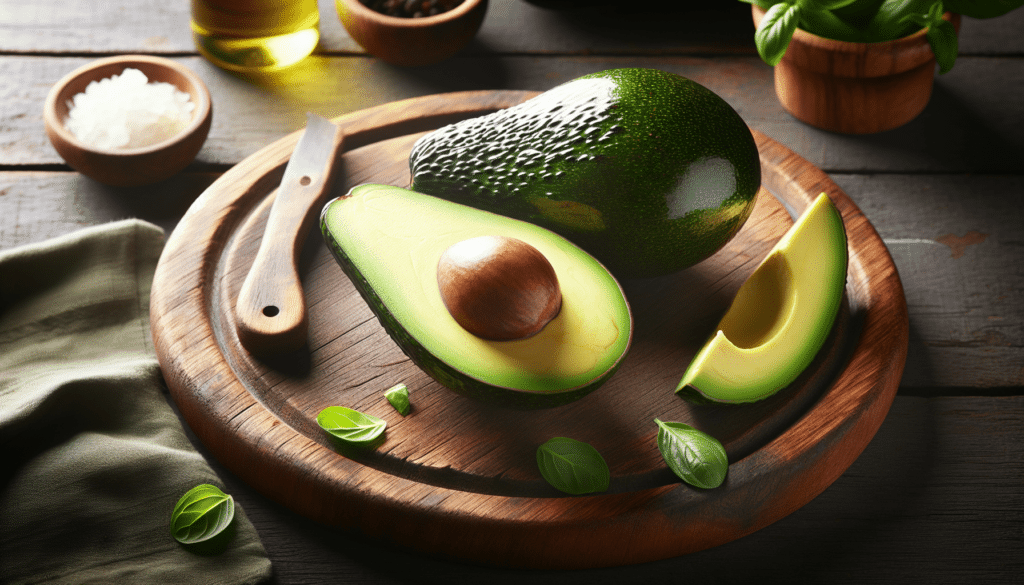
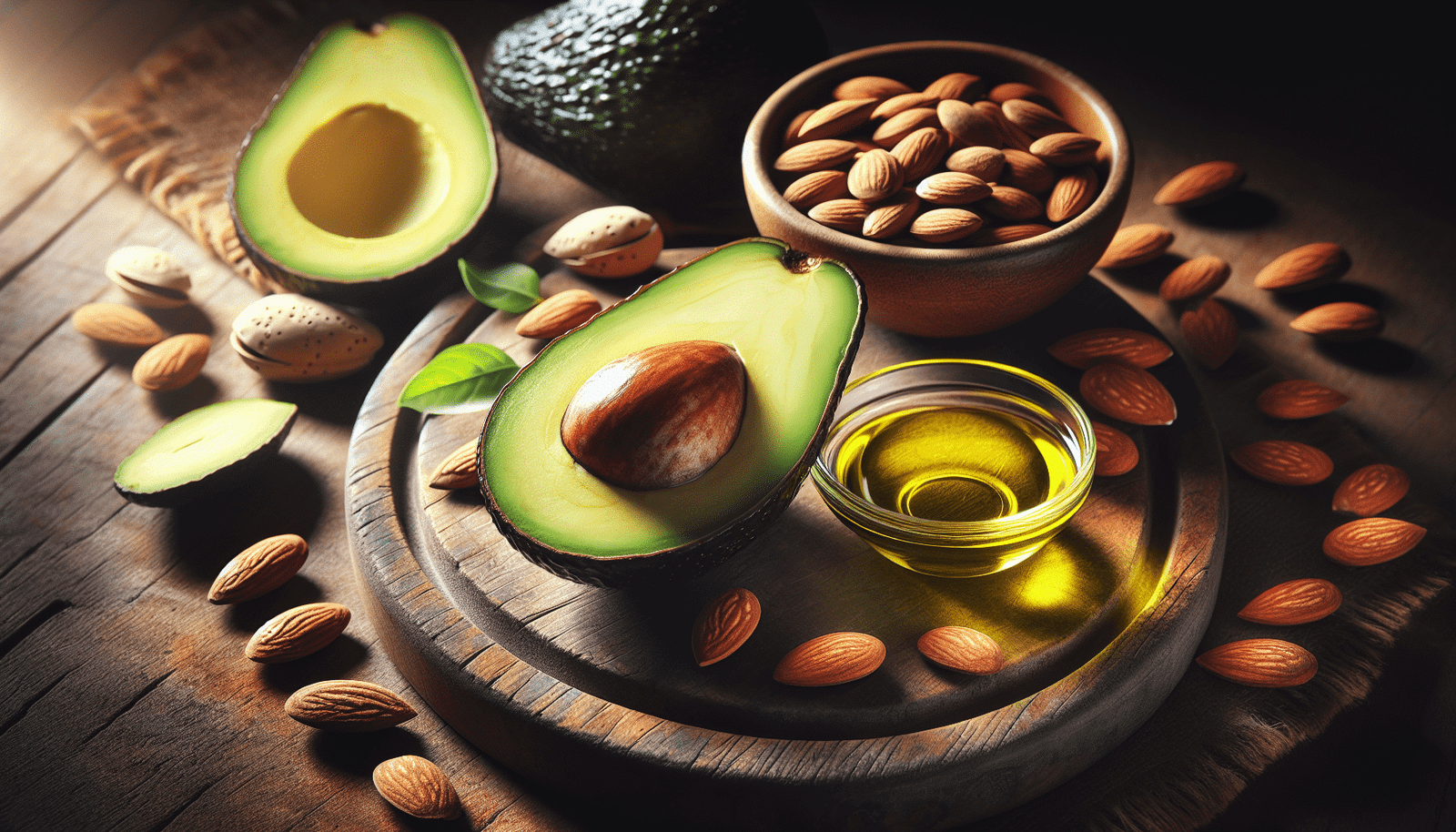
- Monounsaturated Fats: Found in olive oil, avocados, and nuts, these fats can help improve your cholesterol profile.
- Polyunsaturated Fats: These include omega-3 fatty acids, found in fish and flaxseeds, known for their heart health benefits.
Monitoring Your Cholesterol
If you’re considering or currently following the Keto diet, it’s essential to monitor your cholesterol levels to ensure you’re making the best choices for your health.
Regular Check-Ups
Get your cholesterol levels checked regularly, ideally through a lipid panel. This test measures:
- Total cholesterol
- LDL
- HDL
- Triglycerides
Understanding Your Numbers
- Total Cholesterol: A number under 200 mg/dL is considered healthy.
- LDL Cholesterol: Ideally, you want this to be under 100 mg/dL.
- HDL Cholesterol: Higher levels (above 60 mg/dL) are better as they help reduce the risk of heart disease.
- Triglycerides: A level below 150 mg/dL is considered normal.
Having these numbers can provide insight into how your body is responding to the Keto diet.
The Impact of Exercise
Exercise plays an essential role in managing cholesterol levels, especially when following a high-fat diet like Keto.
Physical Activity and Cholesterol
Regular exercise helps raise HDL cholesterol and lower LDL cholesterol, making it particularly beneficial for those on the Keto diet. Aim for at least 150 minutes of moderate exercise each week. Activities could include:
- Walking
- Cycling
- Swimming
- Weight training
Pairing Keto with Exercise
If you’re combining Keto with an exercise routine, you may experience enhanced benefits. The energy derived from fat can fuel your workouts, leading to weight loss and improved cholesterol levels.
Potential Risks and Considerations
While the Keto diet can have its benefits, there are potential risks involved, particularly concerning cholesterol and heart health.
Genetic Factors
Genetics can also play a crucial role in how you metabolize fats. Some people may have a genetic predisposition to higher cholesterol levels, regardless of diet. It’s wise to check with a healthcare provider about your risk factors.
Pre-existing Conditions
If you have existing health conditions, such as heart disease or hyperlipidemia, it’s essential to consult with a healthcare provider before starting the Keto diet.
Individual Responses Vary
Everyone’s body reacts differently to dietary changes. While some may find their cholesterol improves on Keto, others may experience adverse effects. This personalized response underscores the importance of monitoring your levels and adjusting your diet accordingly.
Tips for Managing Cholesterol on Keto
Navigating your cholesterol levels while following a Keto diet can be easier with a few mindful strategies:
Focus on Healthy Fats
Prioritize healthier fats in your diet, like:
- Olive Oil: Use it for cooking and salad dressings.
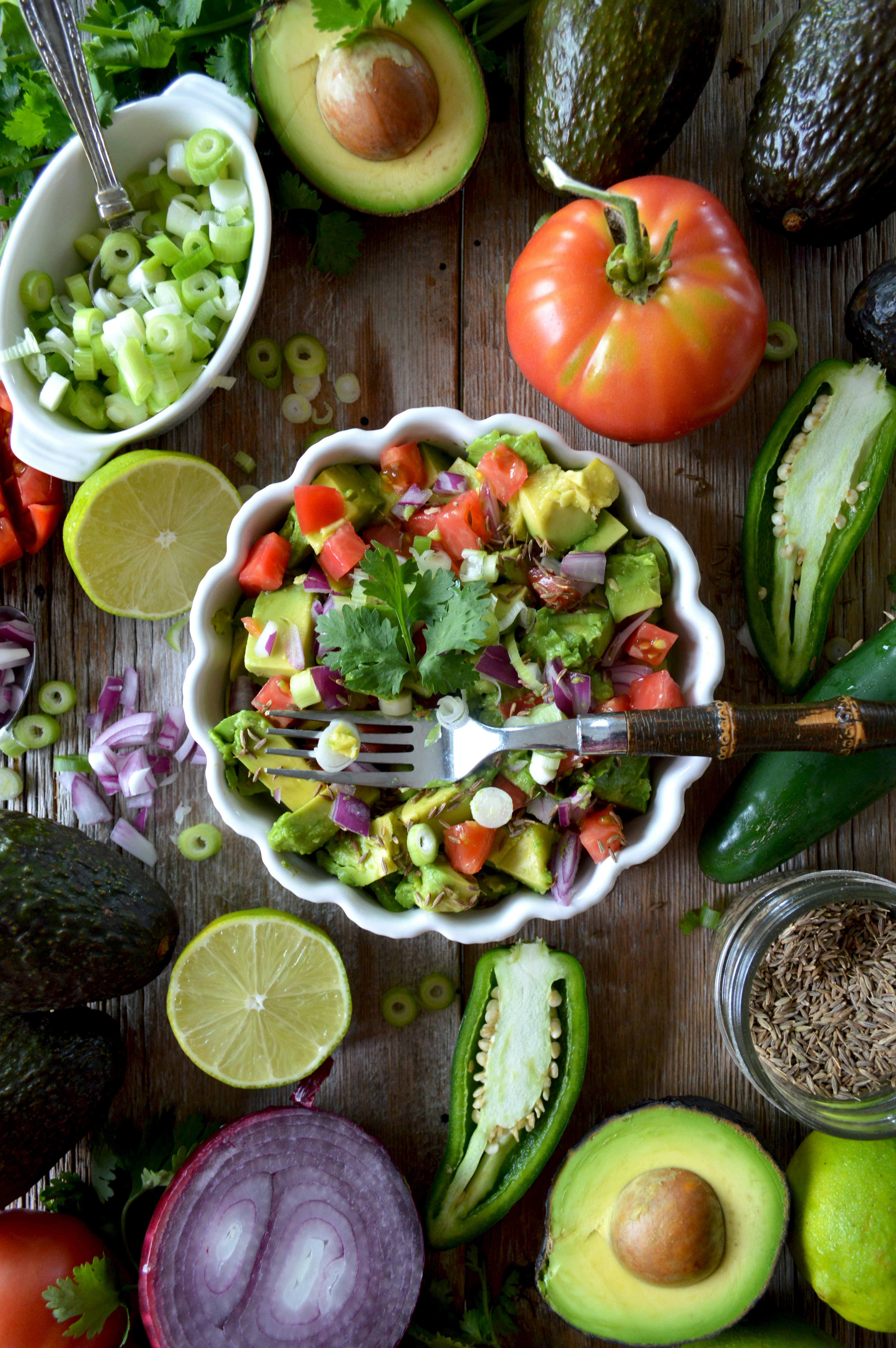
- Avocados: Excellent source of monounsaturated fats.
- Fatty Fish: Salmon, mackerel, and sardines are high in omega-3s.
Incorporate Fiber
Fiber is an essential part of heart health. Despite Keto’s low-carb nature, you can still include fiber-rich, low-carb foods like:
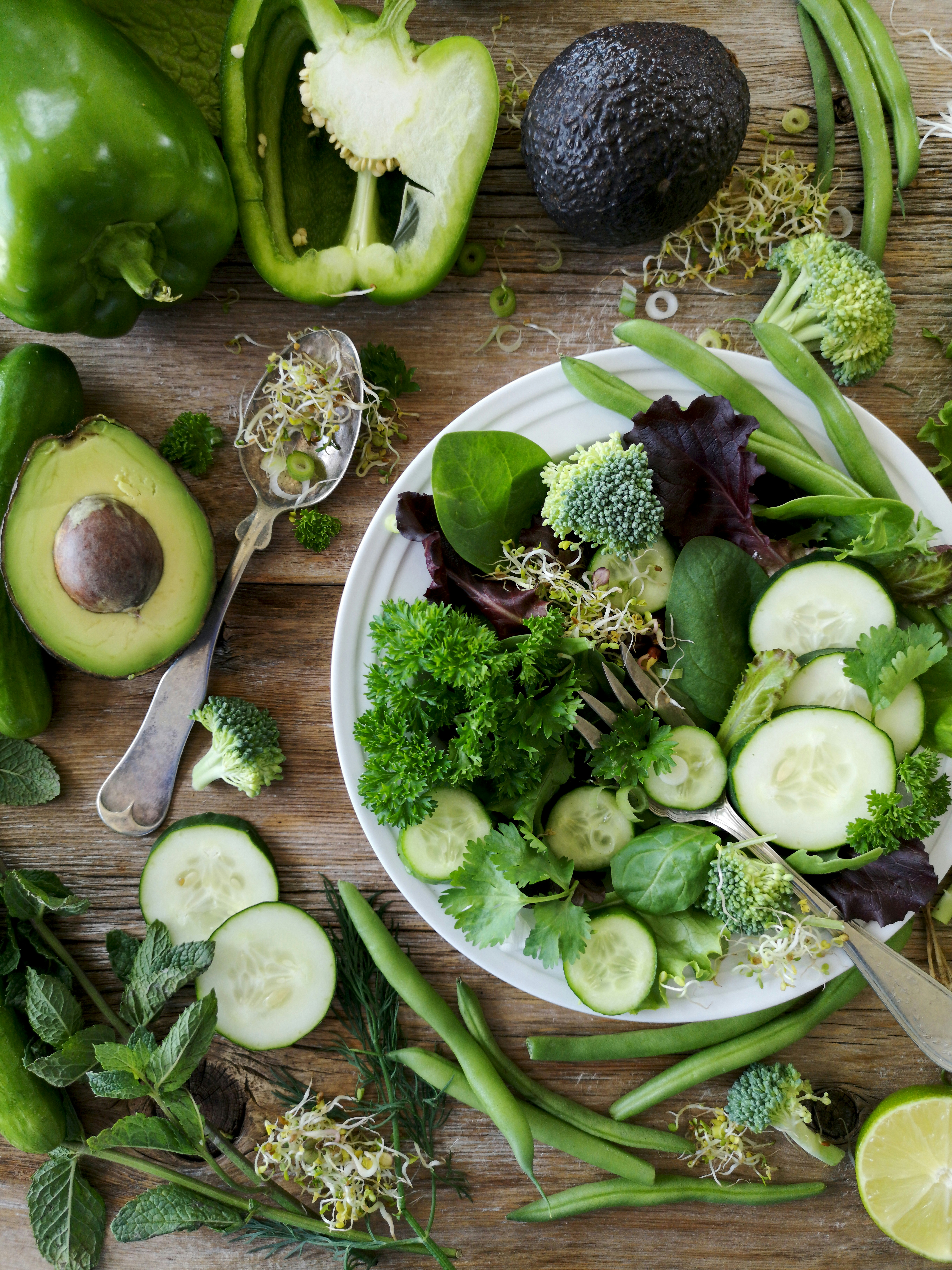
- Leafy Greens: Spinach, kale, and arugula.
- Chia Seeds: Great source of soluble fiber.
- Avocados: Not only a healthy fat source, but also high in fiber.
Stay Hydrated
Proper hydration can also positively affect cholesterol levels and overall health. Water plays a crucial role in digestion and circulation, both vital for good cardiovascular health.
Regular Check-Ins with Healthcare Professionals
Having regular discussions with a healthcare provider can help you keep your cholesterol levels in check. They’ll provide guidance based on your specific health needs and lifestyle.
Conclusion: The Path Forward
Understanding the relationship between the Keto diet and cholesterol is essential for anyone considering this dietary approach. While eating a high-fat diet can initially raise concerns about cholesterol levels, many individuals experience improvements in their cholesterol profile over time.
It’s all about balance. Combining the right types of fats, keeping an eye on your cholesterol numbers, and maintaining an active lifestyle can help ensure that you reap the benefits of the Keto diet without compromising your heart health.
With knowledge and the right strategies, you can enjoy the advantages of the Keto diet while keeping your cholesterol in check. As always, remember to consult with healthcare professionals as you navigate your health journey. You’re not just focusing on weight loss, but taking a holistic approach that encompasses your well-being.